
Hear from Our Customers
You’re not guessing anymore. A camera inspection shows you the actual condition of your pipes in real time—where the blockage is, how bad the damage looks, whether roots have broken through.
Most Commack homeowners wait until sewage backs up into the house or the yard turns into a swamp. By then, you’re looking at emergency repairs that start around $3,000 and climb fast. A camera inspection catches problems early—small cracks, root intrusions, pipe corrosion—so you can fix what matters before it becomes a crisis.
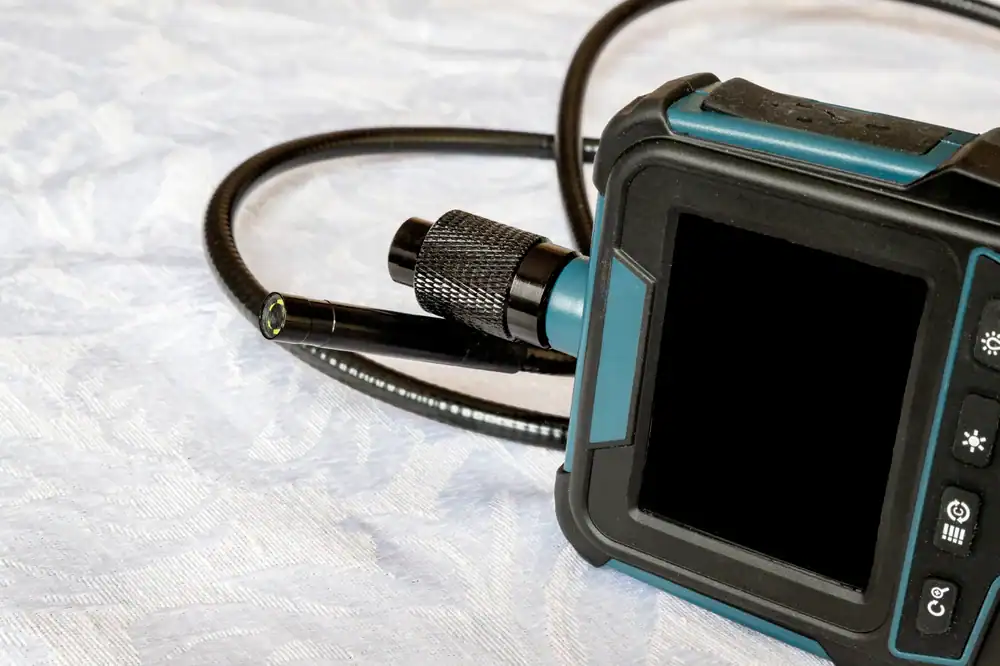
The camera goes in through an access point, travels up to 300 feet through your system, and sends back live footage. You see what we see. No digging, no damage to your property, no tearing up the driveway to find the problem. The camera’s built-in locator tells us exactly where the issue is underground, so if repairs are needed, we know precisely where to go.
We’ve been serving Commack and Suffolk County for years, handling the specific challenges that come with Long Island’s high water table and aging cesspool systems. We’re licensed, insured, and equipped with the technology that gives you answers—not estimates.
Commack sits in an area where cesspools were the standard for decades. Many are now past their useful life, and Suffolk County banned new cesspool installations back in 2019. That means when your system fails, you’re looking at a full upgrade. A camera inspection helps you understand what you’re working with before that happens.
We work with homeowners who are buying property, dealing with slow drains, or just want to know their system is functioning properly. You get the footage, the analysis, and a straight answer about what comes next.
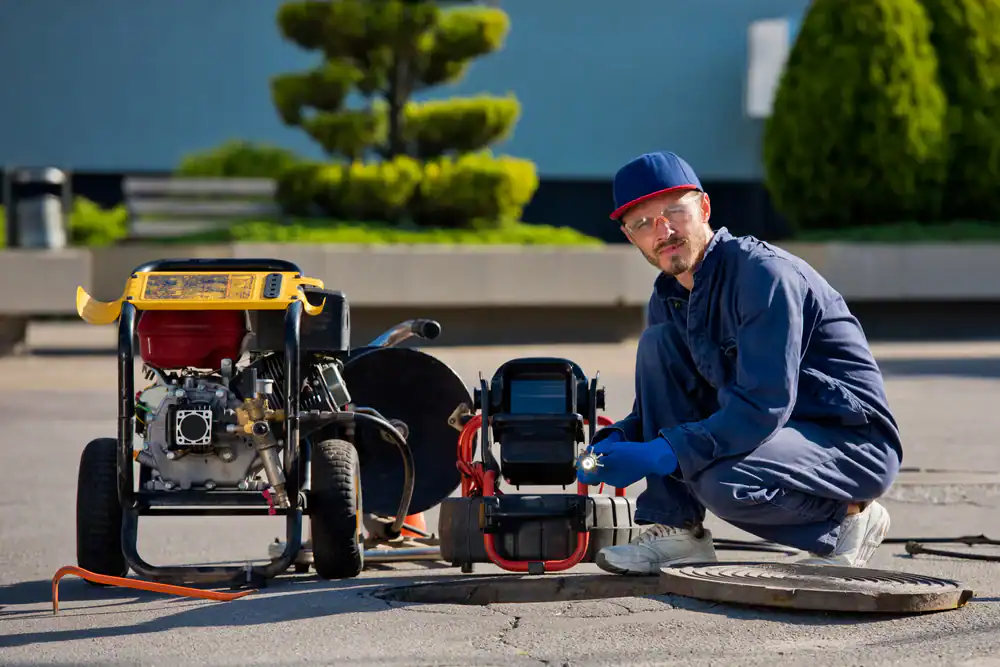
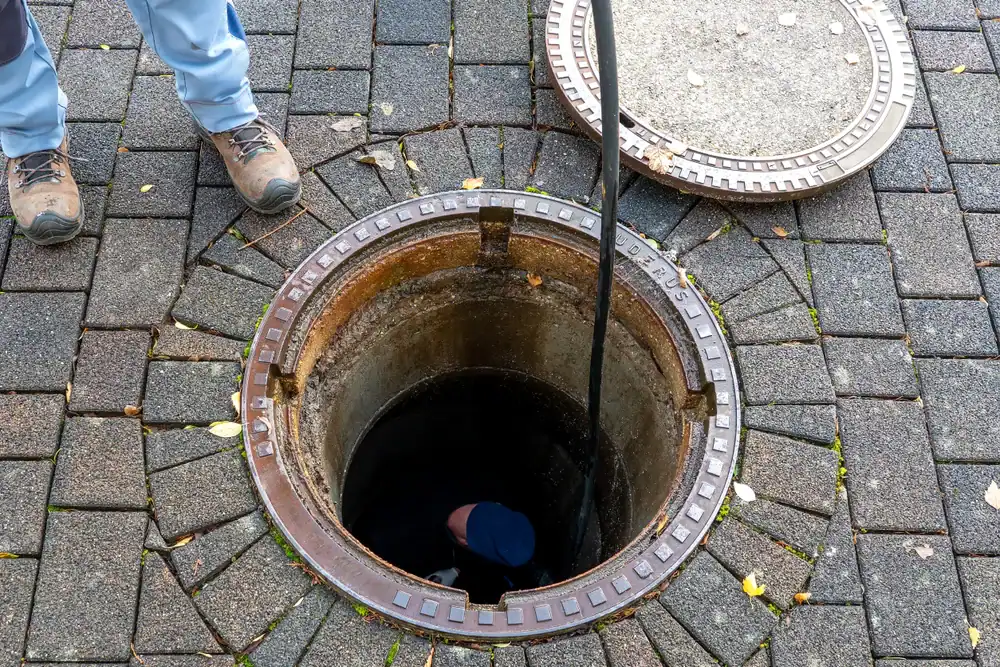
We start by locating the best access point—usually a cleanout or an existing opening in your system. The camera is waterproof, flexible, and small enough to navigate bends and junctions without damaging your pipes. It works in cast iron, PVC, clay, and other standard materials.
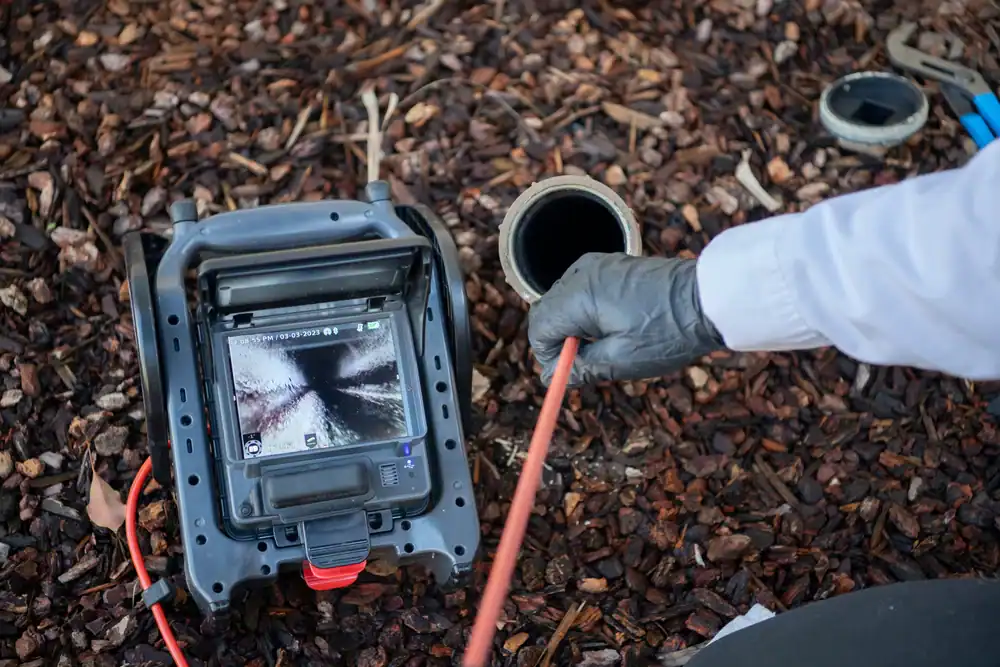
As the camera moves through your lines, it sends back live video. You can watch with us if you want. We’re looking for blockages, cracks, corrosion, root penetration, and any structural issues that could lead to failure. The camera’s locator device tells us exactly how far in we are and where that spot sits underground.
Once the inspection is done, you get digital footage and a report. If we find a problem, we’ll show you exactly where it is and what it looks like. That documentation is useful for insurance claims, real estate transactions, or just knowing what kind of maintenance or repairs you’re facing. Most inspections take an hour or two, depending on the size of your system.
Ready to get started?
You get real-time clog detection, not a technician’s best guess. The camera shows us exactly what’s blocking your line—grease buildup, foreign objects, collapsed sections, or tree roots that have worked their way in. We’re not estimating. We’re looking right at it.
You also get precise location data. If there’s a crack or a break, we know how many feet from the access point it is and where that translates above ground. That means if you need a repair, we’re not digging up half your yard to find it. We go straight to the problem.
In Commack, where many properties have older cesspools or septic systems installed decades ago, this kind of inspection is critical. Long Island’s groundwater supplies all the drinking water for the area, and more than 360,000 homes still rely on outdated systems. A camera inspection helps you stay ahead of failures that could cost you thousands and put your property at risk. You also get digital footage and reporting that insurance companies accept, which matters if you’re filing a claim or selling your home.
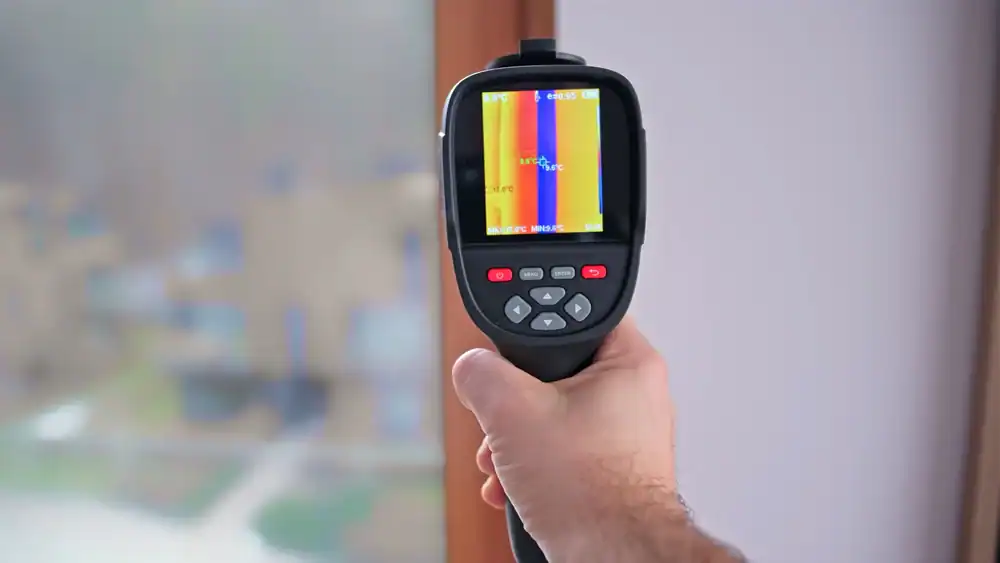
Most residential camera inspections in Commack run between $200 and $400, depending on the size of your system and how much line we need to inspect. That’s a fraction of what you’d pay for emergency repairs, which typically start around $3,000 and can hit $10,000 or more if you need pipe replacement.
The inspection cost covers the equipment, the technician’s time, and the digital footage and reporting you receive afterward. If we find a problem, you’ll know exactly where it is and what it looks like, which means any repairs can be targeted and efficient. You’re not paying for exploratory digging or guesswork.
If you’re buying a home in Commack, a camera inspection is one of the smartest investments you can make. It tells you the real condition of the cesspool or septic system before you close, so you’re not surprised by a $15,000 replacement six months after moving in.
If you’re noticing slow drains, gurgling sounds, or occasional sewage odors, schedule an inspection now. Those are early warning signs that something’s building up or breaking down in your system. Waiting until sewage backs up into your house or your yard floods means you’re already in emergency mode.
Even if everything seems fine, it’s smart to inspect your system every three to five years, especially if your home is older or you have large trees nearby. Roots are one of the most common causes of pipe damage on Long Island, and they don’t announce themselves until they’ve already caused a blockage or crack.
If you’re buying or selling property, a camera inspection should be part of the transaction. Buyers want to know what they’re getting into, and sellers benefit from having documentation that shows the system is in good shape. It removes uncertainty and protects both sides.
No. The camera is designed to be completely non-invasive. It’s gently pushed through your pipes without applying pressure or scraping against the walls. The equipment is flexible, waterproof, and sized to fit standard residential lines without causing any damage.
The camera works safely in cast iron, PVC, clay, and other common piping materials. It navigates bends and junctions without issue, and the inspection process doesn’t involve any chemicals, high-pressure water, or mechanical tools that could compromise your system.
This is one of the main advantages of video inspection over older diagnostic methods. You get a clear look at what’s happening inside your pipes without risking further damage or needing to excavate. Your landscaping, driveway, and property stay intact while we gather the information you need.
A camera inspection identifies blockages, cracks, corrosion, root intrusion, collapsed sections, and buildup inside your pipes. You’ll see exactly what’s restricting flow or threatening the structural integrity of your system.
Blockages show up clearly—whether it’s grease, foreign objects, or sediment that’s accumulated over time. Root intrusion is common in Commack, where mature trees send roots into pipes looking for water. The camera shows us where roots have penetrated and how much damage they’ve caused.
We also catch early signs of corrosion or cracking that haven’t caused a failure yet but will if left alone. That’s the value of this kind of inspection. You’re not waiting for a disaster. You’re seeing problems while they’re still manageable and fixing them before they turn into expensive emergencies that require full system replacement.
Most residential camera inspections take one to two hours, depending on how much of your system we’re inspecting and whether we encounter any complications. If your system is straightforward and we’re checking a single line, it’s usually closer to an hour.
The process moves quickly because we’re not digging or dismantling anything. We locate an access point, feed the camera through, review the footage in real time, and document what we find. If there’s a blockage or damage, we’ll spend a few extra minutes pinpointing the exact location and assessing the severity.
You’ll leave with digital footage and a clear explanation of what we saw. If repairs are needed, we’ll walk you through your options and give you a realistic timeline and cost estimate. If everything looks good, you’ll have peace of mind and documentation that your system is functioning properly.
Yes. If the property has a cesspool or septic system, you need to know what condition it’s in before you close. Cesspools are designed to eventually fail, and many homes in Commack are sitting on systems that are decades old.
A camera inspection shows you whether the system is still functional or if you’re looking at a replacement in the near future. Replacing a failed cesspool with a modern septic system can cost $15,000 to $30,000 or more, depending on the property. That’s not something you want to discover after you’ve already bought the house.
The inspection also gives you leverage in negotiations. If the system needs work, you can ask the seller to handle it or adjust the price accordingly. Either way, you’re making an informed decision instead of hoping for the best and dealing with the consequences later.
Other Services we provide in Commack