
Hear from Our Customers
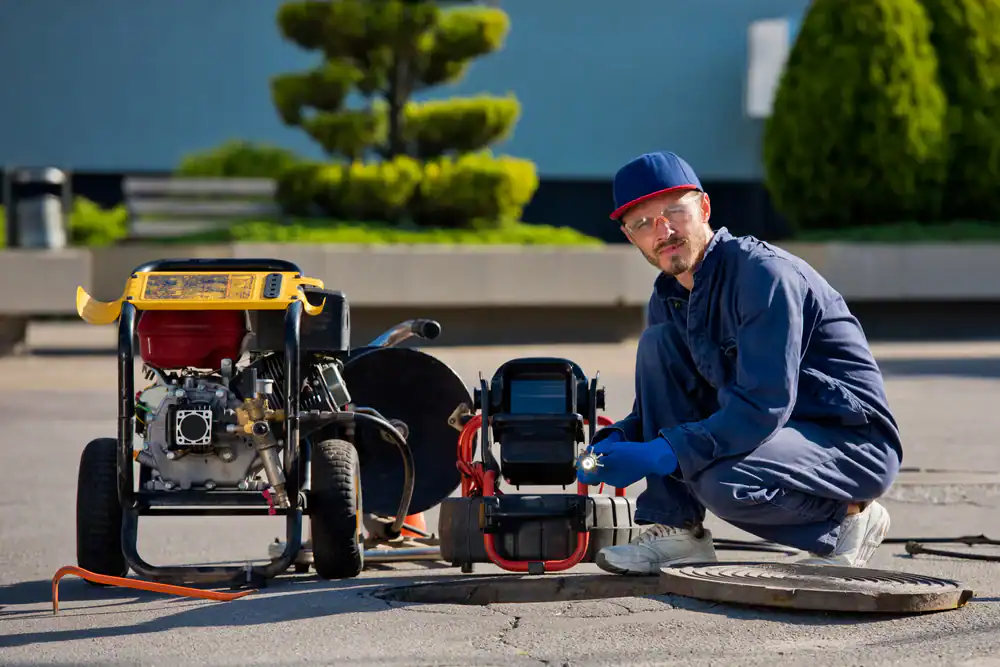
You’re dealing with slow drains or backups, and the last thing you need is someone digging random holes in your yard hoping to find the issue. That’s the old way. It’s expensive, it tears up your property, and half the time they’re guessing.
A sewer line video inspection shows you exactly what’s blocking your pipes, where it’s located, and how bad it actually is. We feed a high-resolution camera through your line and you watch the footage with us in real time. Tree roots crushing your pipe? You’ll see them. Cracks or bellies where waste collects? They show up clear as day.
Here’s what matters: you’re not taking our word for it. The camera doesn’t lie. You see the same thing we do, which means you understand why we’re recommending what we’re recommending. No upselling. No mystery repairs.
Most Copiague properties sit on sandy Long Island soil that shifts over time. Pipes sag, roots find their way in, and older clay lines crack under pressure. A camera catches these problems before they turn into $10,000 emergencies. The inspection itself runs $200 to $400 depending on your system’s length and access points. Compare that to excavation costs when your main line fails completely.
We’ve been handling cesspool and sewer systems across Suffolk County for years. We’re not a national franchise following a script. We know Copiague’s soil conditions, the common issues with older homes near the Great South Bay, and what actually works on Long Island properties.
Our camera equipment handles pipes as small as 2 inches and can navigate the 90-degree turns in your system. We inspect lines up to 300 feet, which covers even the larger properties in the area. Every inspection includes a written report with GPS coordinates showing exactly where problems are located.
You’re not dealing with a sales team. You’re working with technicians who’ve seen thousands of pipe interiors and know the difference between “needs immediate attention” and “keep an eye on this.” That distinction matters when you’re deciding how to spend your money.
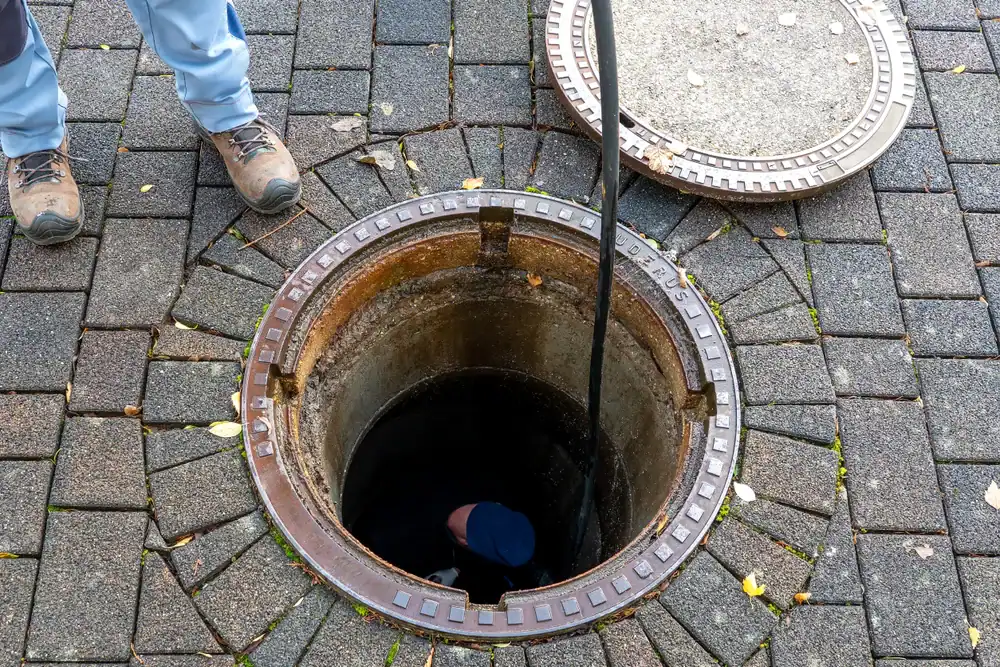
We start by locating your cleanout access point. If your property doesn’t have one, we’ll let you know upfront what’s involved in creating access. No surprises.
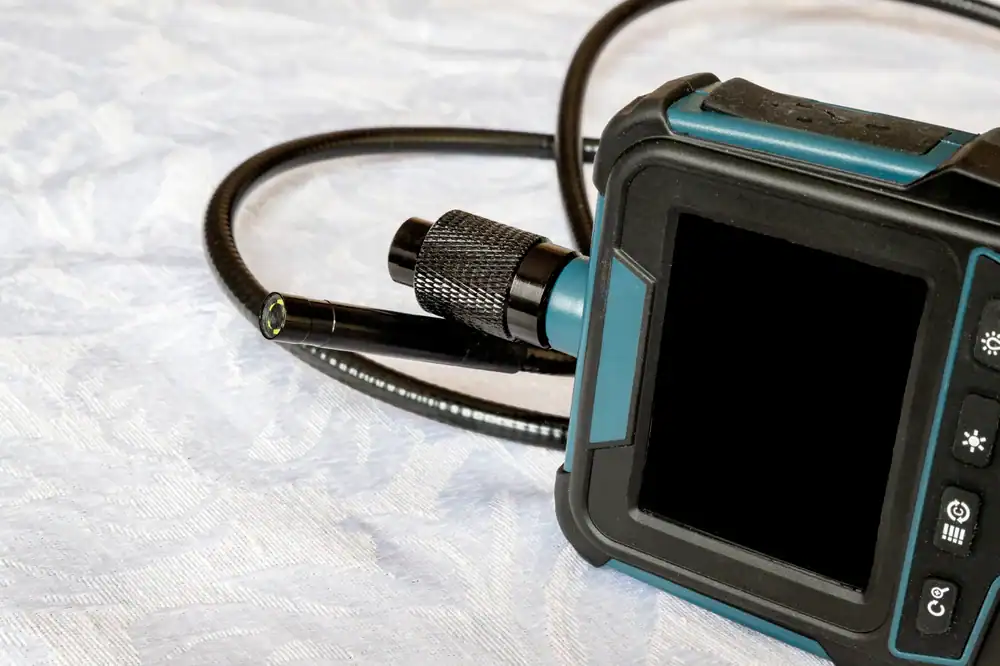
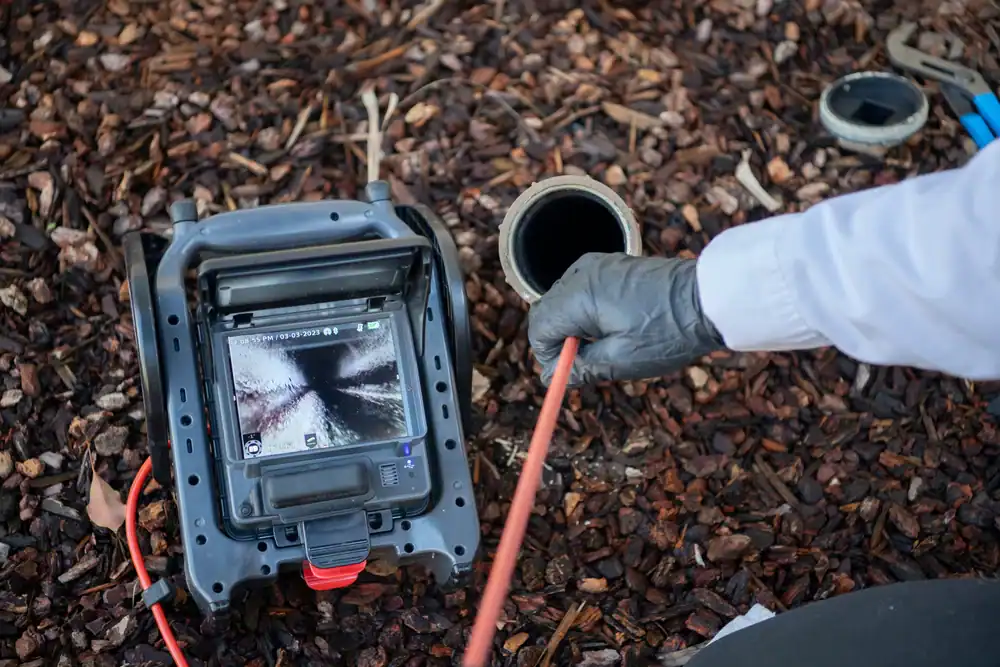
Once we have access, we feed a waterproof camera attached to a flexible cable into your sewer line. The camera has its own light source and records high-definition footage as it moves through your pipes. We’re watching the feed on a monitor in real time, and so are you if you want to see it.
As the camera travels, we’re looking for cracks, root intrusion, grease buildup, pipe bellies, and any separation at the joints. The camera head can rotate to give us a complete view of the pipe’s interior condition. If we find something, we mark the exact location using the cable’s distance markers and GPS coordinates.
The whole process typically takes 45 minutes to an hour depending on your line’s length. When we’re done, you get a copy of the footage and a written report detailing what we found. If repairs are needed, you’ll know exactly where to dig and what needs fixing. If everything looks good, you have documentation proving your system’s condition.
Ready to get started?
Every camera inspection includes the full video recording, not just a summary. You can review it later, show it to contractors if you’re getting repair quotes, or keep it for your records if you’re selling your home.
The written report breaks down what we found in plain language. We note the depth and location of any problems using measurements from your cleanout access point. If you need repairs down the road, this information eliminates guesswork and reduces labor costs because you know exactly where to dig.
In about 80% of inspections, we find issues beyond what the homeowner originally called about. Maybe you noticed a slow kitchen drain, but the camera reveals root intrusion affecting your main line. Or you’re buying a house and the inspection shows pipe damage the seller didn’t know existed. This is common in Copiague, where many homes were built 50+ years ago on cesspools that have since been connected to sewer lines.
Long Island’s oak and maple trees are beautiful until their roots find a crack in your sewer pipe. Once they’re in, they grow fast and create complete blockages. Sandy soil also causes pipes to settle unevenly, creating low spots where waste accumulates. These aren’t problems you can see from the surface, but a camera catches them before they become emergencies.
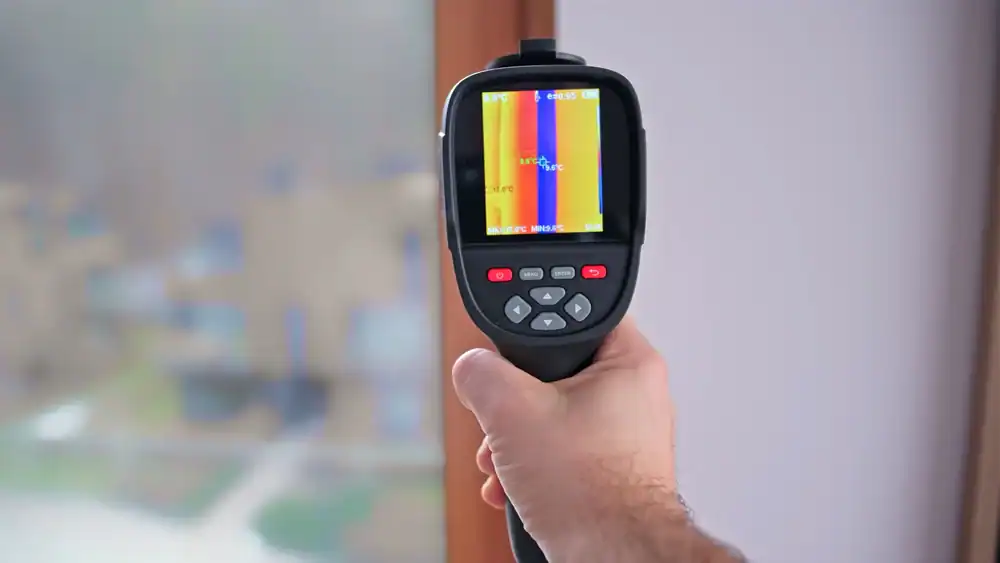
You’re looking at $200 to $400 for a standard residential camera inspection in Copiague, depending on your line’s length and how easy it is to access. If your property doesn’t have a cleanout and we need to create an access point, that adds to the cost.
Some companies advertise free camera inspections, but they’re usually bundled with a cleaning service or used as a sales tool to push repairs you might not need. We charge for the inspection because it’s a standalone diagnostic service that gives you real information about your system’s condition.
Think about it this way: the inspection costs a few hundred dollars. Emergency cesspool repairs start around $3,000 and can hit $10,000 or more if you need extensive pipe replacement. Catching problems early, when they’re still manageable, saves you serious money. Most homeowners who invest in regular inspections report cutting their long-term maintenance costs by up to 90%.
The camera shows us cracks, breaks, root intrusion, grease buildup, pipe corrosion, bellies or sags where waste collects, separated joints, and blockages. We can also identify what your pipes are made of, which matters if you’re planning renovations or dealing with an older system.
Root intrusion is the most common issue we find in Copiague. Tree roots squeeze through tiny cracks and grow until they completely block your line. The camera shows us exactly where the roots entered and how extensive the damage is. This determines whether you need a simple root cutting or if the pipe section needs replacement.
We also catch pipe bellies, which happen when Long Island’s sandy soil shifts and causes your line to sag. Waste and paper collect in these low spots, leading to recurring backups even after you’ve had the line cleaned. Without a camera, you’d never know why the problem keeps coming back. With footage, we can show you the sag and explain why it needs to be corrected.
Yes, especially on Long Island where many homes have older sewer systems. Most home inspections don’t include sewer line evaluation because inspectors can’t see underground pipes. That’s a problem when sewer line replacement costs $8,000 to $25,000.
A camera inspection before closing protects you from expensive surprises. We’ve inspected homes where everything looked fine on the surface, but the camera revealed collapsed pipes, major root damage, or lines that were barely functioning. The buyer either negotiated repair costs with the seller or walked away from a money pit.
Fifty years ago, almost nobody got a pre-purchase inspection. Now most buyers expect one. But they’re still skipping the sewer camera, which makes no sense when you consider the replacement costs. The inspection runs $200 to $400. Replacing a failed sewer line costs tens of thousands. It’s cheap insurance that either gives you peace of mind or saves you from a disaster.
Plan on 45 minutes to an hour for a typical residential inspection in Copiague. The actual camera run might only take 20 to 30 minutes, but we spend time reviewing the footage with you, answering questions, and explaining what we found.
If your line is particularly long or we encounter a blockage that needs clearing before we can complete the inspection, it takes longer. We’ll let you know upfront if we run into complications. Some properties have multiple sewer lines or complex systems that require more time to inspect thoroughly.
The process itself is straightforward. We access your cleanout, feed the camera through your line, record everything we see, and mark any problem areas with GPS coordinates. You can watch the monitor with us if you want to see what’s happening in real time. When we’re done, you get the footage and a written report the same day.
No. The camera is designed specifically for pipe inspection and won’t cause damage to lines that are in reasonable condition. The camera head is smooth, the cable is flexible, and we control the feed speed to navigate turns and obstacles safely.
If your pipes are already severely damaged or collapsed, we might not be able to get the camera all the way through, but that’s not the camera causing damage. That’s us discovering existing damage that needs repair. In those cases, the camera still provides valuable information about where the problem is and how extensive it is.
This is a non-invasive diagnostic tool. We’re not digging, we’re not using chemicals, and we’re not putting pressure on your system. We’re simply looking. The camera inspection actually helps you avoid damage by catching problems before they require emergency excavation that tears up your yard, driveway, or landscaping.
First, understand exactly what the problem is and how urgent it is. Not every issue requires immediate repair. Some things you can monitor and address during your next planned maintenance. Other problems, like a collapsed pipe or major root intrusion, need attention soon before they cause a complete backup.
We’ll walk you through what we found, show you the footage, and explain your options. If you need repairs, you’ll have GPS coordinates and video documentation showing exactly where to dig. This eliminates guesswork and reduces labor costs because contractors know precisely what they’re dealing with before they start.
You can use the inspection report to get quotes from multiple contractors if you want to shop around. The footage and documentation are yours to keep. Some homeowners use the findings to negotiate with sellers if they discovered the problem during a pre-purchase inspection. Others file insurance claims for sudden pipe damage. The camera inspection gives you proof of the problem’s existence and location, which matters when you’re making decisions about repairs or dealing with insurance companies.
Other Services we provide in Copiague