
Hear from Our Customers
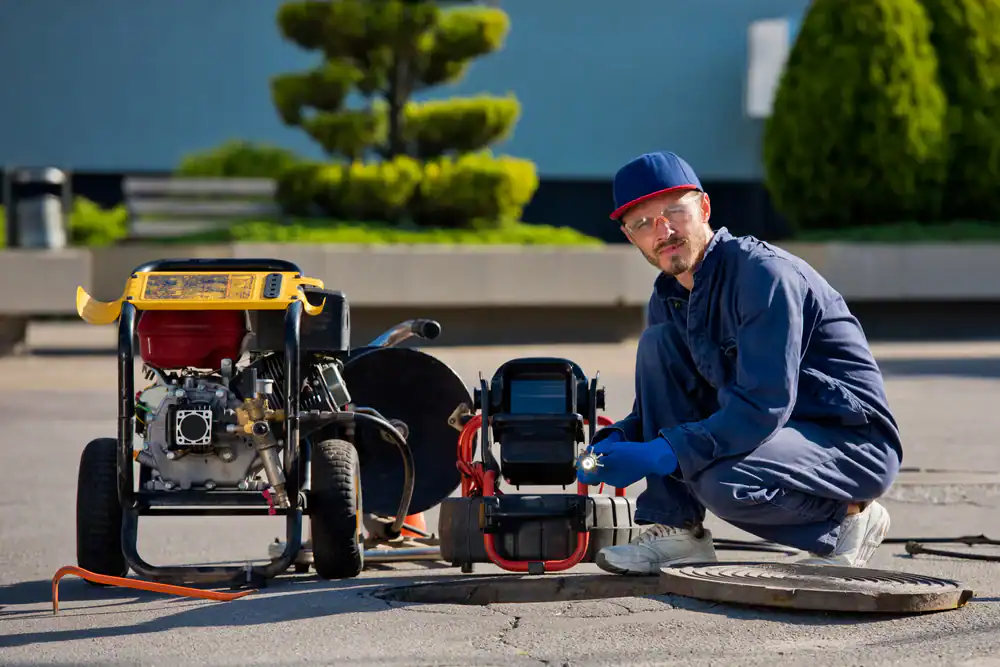
You’re not looking for a story about your pipes. You want to see them. A camera inspection gives you actual footage of what’s happening inside your sewer lines, cesspool connections, and drain pipes. You get a USB card with the full video, time-stamped and measured by the foot, so you know where the problem is and what it looks like.
That matters when you’re buying a home in East Hampton, dealing with slow drains, or trying to figure out if that backup is a $300 fix or a $10,000 disaster. It also matters when a contractor tells you the line is broken but can’t show you proof.
Most septic issues don’t announce themselves until they’re expensive. A camera inspection lets you catch root intrusion, pipe separation, or blockages before they turn into emergency calls. And if you’re closing on a property, this is how you avoid inheriting someone else’s problem. Lenders and inspectors in Suffolk County increasingly require this documentation, and for good reason.
We’ve been handling cesspool and septic work across Long Island for nearly two decades. We’re a family operation with four generations of experience, which means we’ve seen what works, what fails, and what homeowners in East Hampton actually deal with when it comes to aging systems and strict county regulations.
We’re not a national franchise. We know the soil conditions here, the older clay and cast iron pipes common in East Hampton properties, and the regulatory environment that’s tightened significantly over the past few years. That local knowledge shows up in how we inspect, what we look for, and how we explain what you’re seeing on camera.
We’re available around the clock because septic problems don’t wait for business hours. And we treat your property the way we’d want ours treated—no unnecessary damage, no upselling, no runaround.
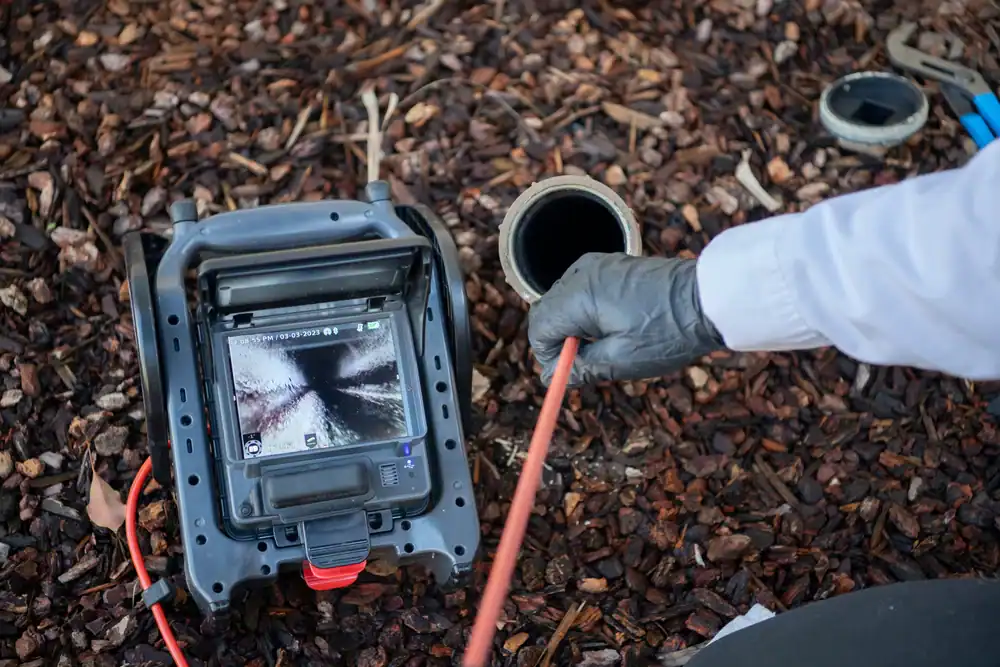
We start by locating the cleanout or access point to your sewer line or cesspool system. In most cases, this is a small entry point that doesn’t require digging up your yard. If there’s no existing access, we’ll discuss the least invasive option before doing anything.
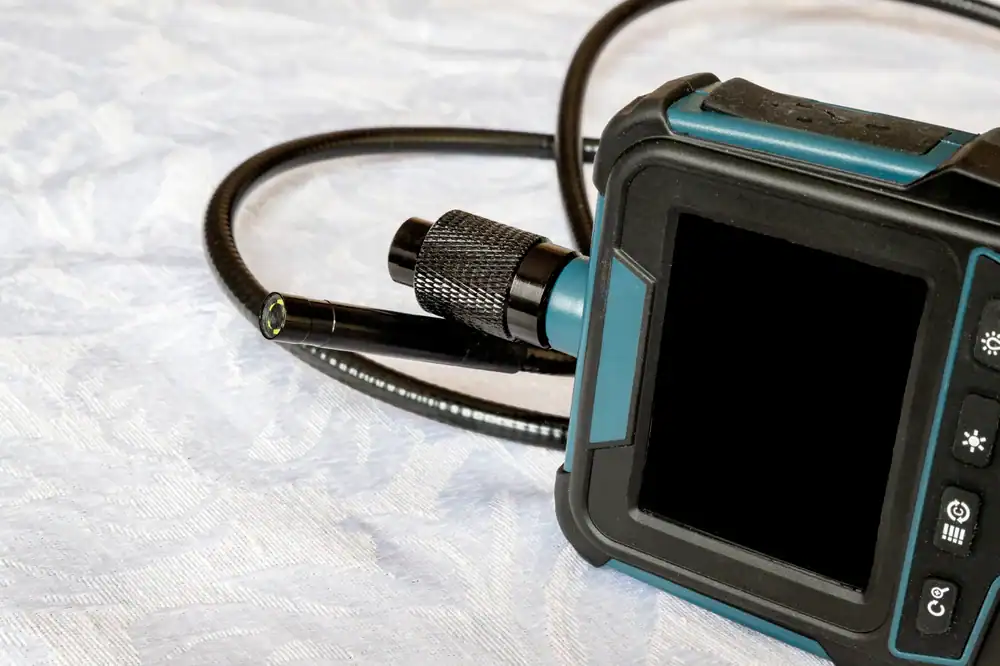
Once we have access, we feed a high-resolution camera through the line. The camera is mounted on a flexible cable with its own light source, and it records everything as it moves through your pipes. You can watch in real time as we go. We’re looking for cracks, separations, root intrusion, bellies in the line where water pools, blockages, and any structural damage that could cause problems.
The camera has a distance counter, so when we spot an issue, we know exactly how many feet from the entry point it is. That’s critical if repairs are needed—it means no guesswork and no digging up half your property to find the problem. After the inspection, you get a USB card with the full video and a breakdown of what we found. If your lender, insurance company, or real estate attorney needs documentation, you’ll have it.
Ready to get started?
Every camera inspection includes the video file on a USB card, a verbal walkthrough of what we found, and our recommendation on next steps. If there’s an issue, we’ll tell you how urgent it is and what it’ll take to fix it. If the line is clear, you’ll know that too.
This matters in East Hampton because of how the local regulatory environment has shifted. As of mid-2019, you can’t replace a cesspool with another cesspool. If your system fails, you’re looking at a full septic upgrade, and depending on the property, that can mean an I/A system that runs $30,000 to $40,000 or more. A camera inspection won’t prevent that cost, but it can tell you whether you’re looking at a repair you can plan for or an emergency you need to handle now.
For real estate transactions, this service has become standard. Buyers want proof the system works. Sellers want to avoid post-closing disputes. Lenders want documentation before they fund the deal. A sewer line video inspection covers all of that. It’s a few hundred dollars that can save you from discovering a $15,000 problem three weeks after you move in.
And if you’re just dealing with recurring backups or slow drains, the camera often finds the issue in one visit. No multiple service calls. No trial and error. You see the blockage, the root mass, or the separated joint, and you know what needs to happen.
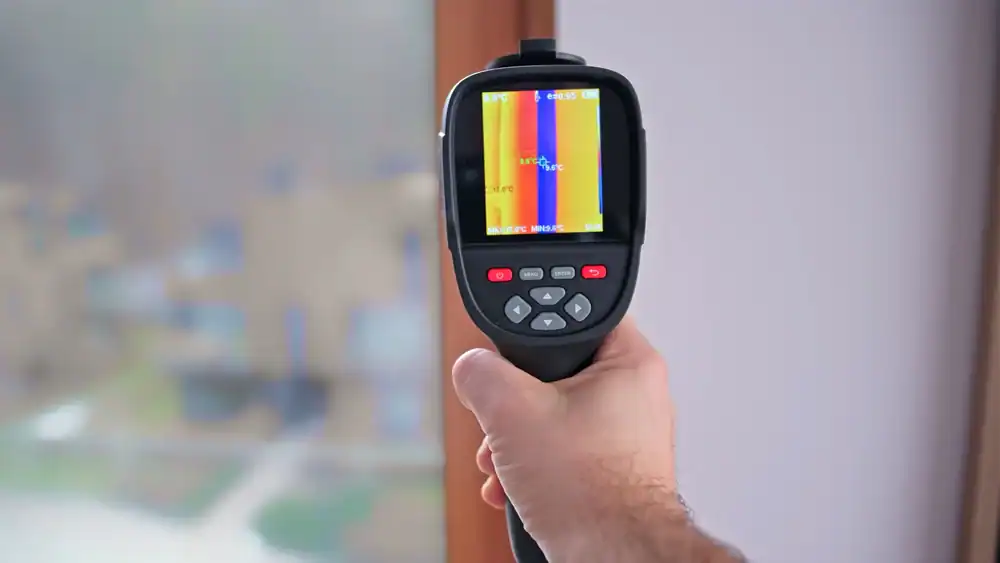
Most camera inspections run between $200 and $400, depending on the length of the line and site conditions. That’s a small cost compared to what you’d spend on emergency repairs or unnecessary excavation.
If you’re buying a home, some inspectors include a basic scope as part of their service, but it’s often limited. A dedicated sewer line video inspection gives you a full view of the system with professional-grade equipment and someone who knows what to look for. If you’re dealing with a backup or slow drain, the inspection often pays for itself by pinpointing the problem in one visit instead of multiple service calls.
The camera picks up cracks, root intrusion, blockages, pipe separation, bellies where water pools, corrosion, and structural damage. It also shows the material and condition of your pipes, which matters if you’re planning work or trying to figure out how much life is left in the system.
Root intrusion is common in East Hampton, especially with older properties that have mature trees near the sewer line. The roots work their way into joints and cracks, and over time they create blockages that get worse. A camera inspection shows you where the roots are and how bad the intrusion is, so you can decide whether to clear them out or replace that section of pipe.
You’ll also see any offset joints where sections of pipe have separated, which often happens with clay or cast iron lines as the ground shifts. That kind of damage doesn’t fix itself, and it usually gets worse. Knowing it’s there lets you plan the repair before it turns into a collapse.
If you’re buying in East Hampton, yes. Suffolk County regulations are strict, and septic system issues are one of the most common deal-killers in real estate transactions. A camera inspection shows you what you’re actually buying.
A standard home inspection doesn’t usually include a detailed look at the sewer line or cesspool connections. The inspector might run water and check for obvious problems, but they’re not scoping the line. That means you could close on a house with a collapsed pipe, root-damaged line, or failing cesspool and not know until it backs up.
Repairs can range from a few hundred dollars for a simple blockage to $30,000 or more for a full system replacement. That’s not something you want to discover after closing. A camera inspection gives you leverage to negotiate repairs before you buy, or it confirms the system is in good shape and you can move forward with confidence. Most lenders and attorneys in the area now expect this documentation as part of the transaction.
Most inspections take 30 to 60 minutes, depending on the length of the line and what we find. If the line is clear and straightforward, we’re done quickly. If there’s a blockage or damage, it might take a bit longer to document everything and give you a full picture.
You can watch the process in real time if you want. Some homeowners prefer to see what’s happening as we go, especially if they’ve been dealing with recurring problems and want to understand what’s causing them. Others just want the results. Either way, you’ll get the full video file on a USB card when we’re done.
The inspection itself is non-invasive. We’re not digging up your yard or tearing into walls. We use an existing cleanout or access point, and if there isn’t one, we’ll discuss the least disruptive way to create access before we do anything. Your landscaping stays intact, and there’s no mess to clean up afterward.
Yes, but with some limitations. The camera can show cracks, separations, and damage where leaks are likely happening, but it’s not detecting the leak itself—it’s showing you the structural problem that’s causing it. If you’ve got soggy spots in your yard, a sewage smell, or unusually high water bills, a camera inspection can often locate the source.
Locating underground pipe leaks is one of the main reasons homeowners in East Hampton call for this service. A leak in your sewer line can contaminate your property, create health hazards, and lead to expensive environmental remediation if it’s not caught early. The camera gives you a clear view of where the damage is, how severe it is, and what section of pipe needs attention.
In some cases, we’ll combine the camera inspection with other diagnostic methods if the situation calls for it. But in most scenarios, the video footage is enough to identify the problem and plan the repair. You’ll know exactly where to dig, what to replace, and what it’s going to cost before any work starts.
We’ll show you exactly what we found, explain what it means, and give you an honest assessment of what needs to happen next. Some problems need immediate attention. Others you can monitor and plan for. We’ll tell you the difference.
If it’s a blockage, we can often clear it the same day. If it’s root intrusion, we’ll talk through your options—clearing the roots, treating the line, or replacing the damaged section. If it’s a collapsed or separated pipe, that usually means excavation and repair, and we’ll give you a clear estimate before any work starts.
You’ll have the video evidence to make an informed decision. If you want a second opinion, you’ve got the footage to show another contractor. If you need to file an insurance claim or provide documentation to a lender, you’ve got that covered too. The goal is to give you clarity and control, not to pressure you into unnecessary work. You’ll know what’s wrong, what it’ll take to fix it, and what happens if you wait.
Other Services we provide in East Hampton