
Hear from Our Customers
You’ve got slow drains. Maybe a backup. Maybe you’re buying a house and the inspector didn’t check the sewer line. You need to know what’s actually going on down there before you spend money fixing the wrong thing.
A camera inspection gives you real-time footage of the inside of your pipes. You see exactly where the problem is, how bad it is, and what it’ll take to fix it. No digging up your yard to “take a look.” No estimates based on hunches.
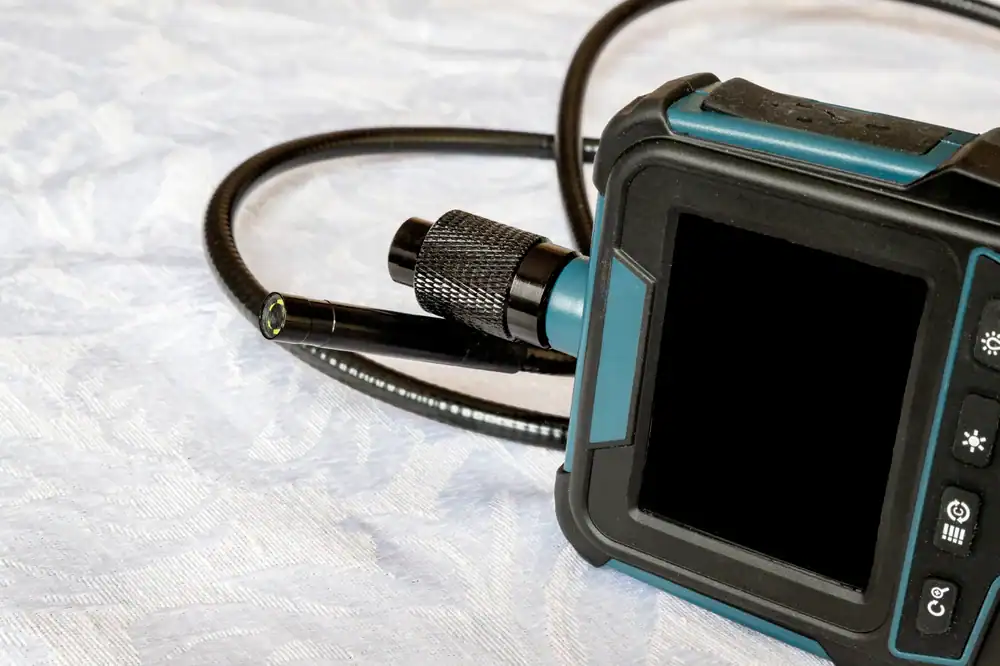
The camera travels through pipes as small as two inches and can inspect lines up to 300 feet long. It navigates turns, records everything, and pinpoints problems with GPS coordinates. You get a time-stamped video and a written assessment of what we found.
That means you’re not paying for exploratory work. You’re not replacing a whole line when a targeted repair would do. And if you’re buying a home, you’re not walking into a $10,000 surprise three months after closing.
We’ve been servicing cesspools and sewer lines across Suffolk County for over a decade. We’re licensed, insured, and we’ve seen what happens when systems get ignored.
East Shoreham sits in an area where 75% of homes rely on cesspools or septic systems. That’s one of the highest concentrations in the country. Most of those systems are older, and plenty are overdue for inspection or maintenance.
We’re not here to upsell you on a replacement if a repair will do the job. We show you the footage, walk you through what we’re seeing, and give you an honest assessment. You decide what makes sense.
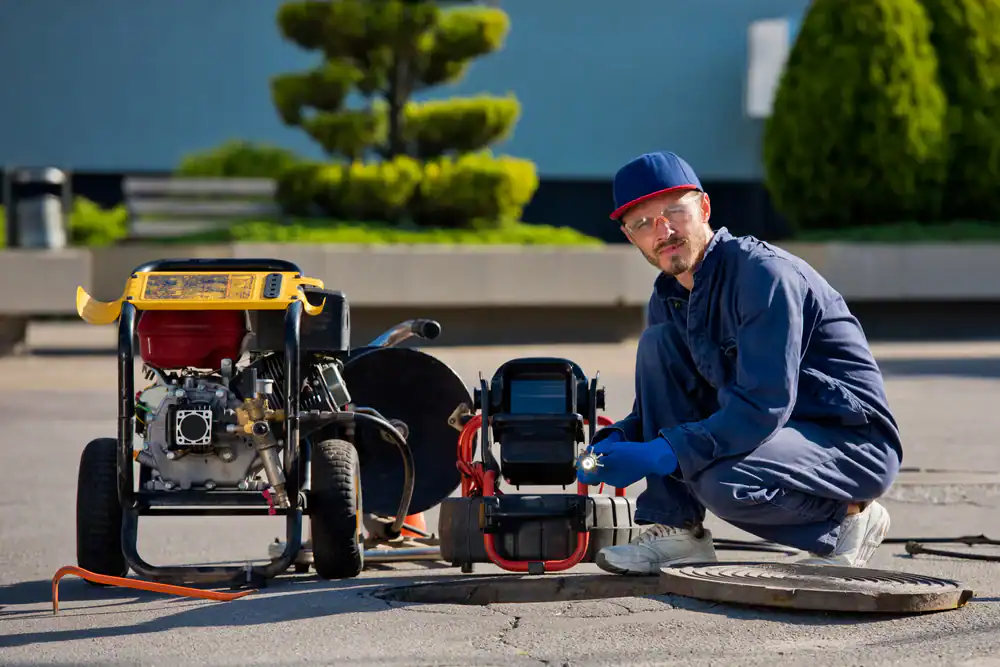
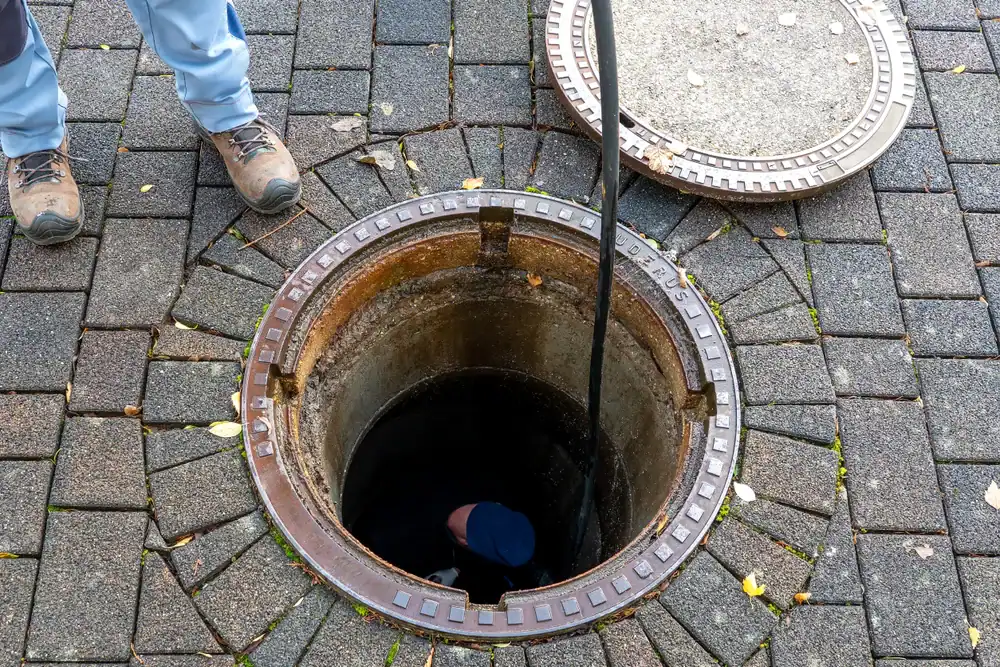
We start by locating your cleanout or access point. That’s where the camera enters the line. If your system doesn’t have an accessible cleanout, we’ll let you know what’s needed to create one.
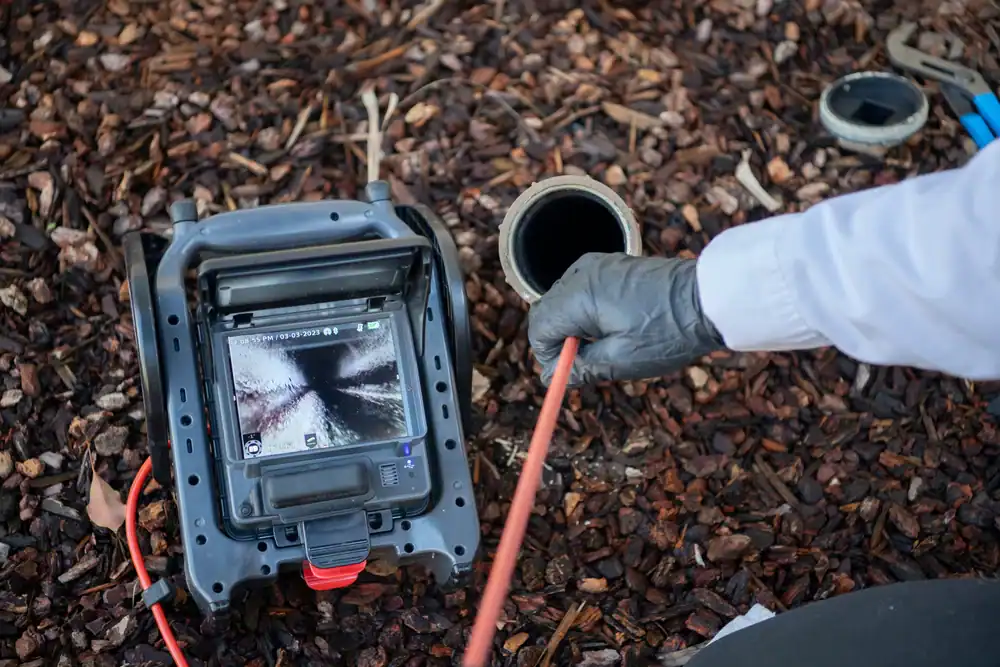
Once the camera is in, we feed it through the pipe while you watch the monitor in real time. You’ll see the condition of the pipe walls, any buildup, root intrusion, cracks, or collapses. The camera records everything and marks the exact location of any issues using GPS.
The inspection usually takes 30 to 60 minutes depending on the length of the line and what we find. When we’re done, you get a copy of the footage and a written report that breaks down what’s going on and what your options are.
If it’s a simple clog, we can often clear it the same day. If there’s damage, we’ll give you a quote for the repair based on what we actually saw, not what we think might be there.
Ready to get started?
You get a full recording of the interior condition of your sewer line or cesspool feed pipes. That includes any cracks, corrosion, offset joints, root penetration, or blockages. The footage is time-stamped and saved so you can reference it later or share it with a contractor if you’re getting a second opinion.
We also provide GPS mapping that shows exactly where problems are located along the line. That’s critical if you need a repair, because it means we’re not tearing up half your driveway to find a crack that’s 10 feet from the street.
In East Shoreham, where water tables run high and older cesspools are common, root intrusion and joint separation are frequent issues. The camera catches those early, which can save you from a full system failure during a heavy rain or when your household is running at capacity.
If you’re in a real estate transaction, the inspection report can be used to negotiate repairs or adjust the sale price. Most home inspections don’t include a sewer line video inspection, and that’s where buyers get burned. A $400 camera inspection can uncover a $12,000 problem before you close.
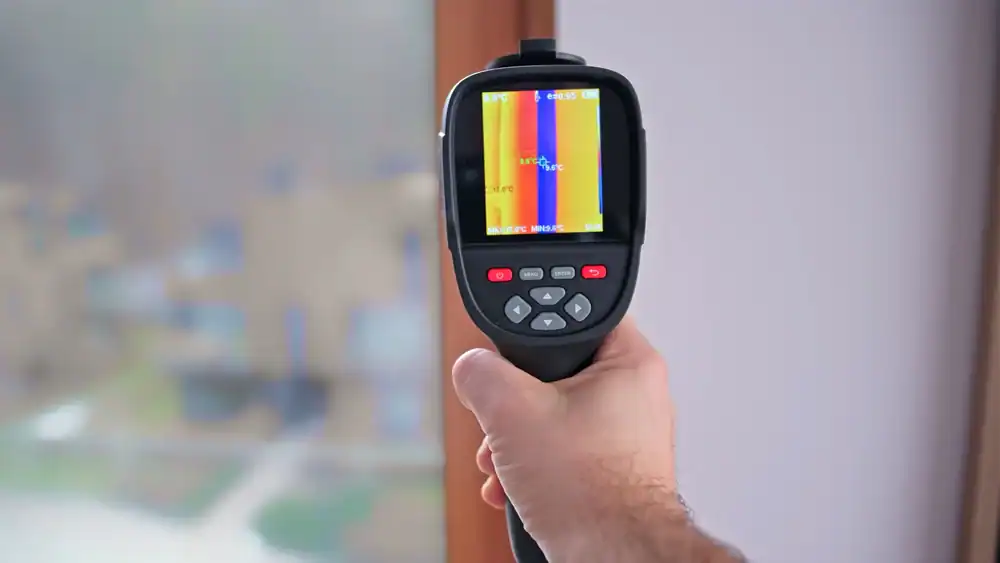
Most camera inspections run between $300 and $500 depending on the length of the line and access conditions. If your system doesn’t have a cleanout and we need to create access, that adds to the cost, but we’ll let you know upfront before we start.
It’s a small expense compared to what you’d spend on a misdiagnosed problem. A sewer line replacement can run $10,000 to $15,000. A targeted repair based on camera footage might cost $2,500. The inspection pays for itself if it keeps you from doing unnecessary work.
If you’re buying a home, the inspection is even more valuable. You’re not just protecting yourself from a bad investment—you’re getting leverage in negotiations if the system needs work.
The camera shows us cracks, breaks, joint separations, and any point where water could be leaking out or groundwater could be seeping in. It won’t measure flow rate, but it will show visible damage that indicates a leak.
If we see a crack or gap in the pipe, we can pinpoint its exact location using GPS. That means we know where to dig if a repair is needed, and we’re not guessing or excavating a long trench to find the problem.
In areas like East Shoreham where the water table is high, even a small crack can let groundwater flood your system. That leads to early failure and more frequent pumping. Catching it on camera means you can fix it before it becomes a chronic issue.
If you’re having recurring problems—slow drains, backups, gurgling sounds, or sewage odors—you should get an inspection right away. Those are signs that something’s wrong, and a camera will show you what it is.
If your system is older or you’ve got mature trees near your sewer line, an inspection every few years is smart. Root intrusion doesn’t happen overnight, but once roots get in, they grow fast. Catching them early means a simpler fix.
For home buyers, get the inspection done during your due diligence period. Most inspectors don’t scope the sewer line, and that’s one of the most expensive systems to replace. Spending a few hundred dollars before you close can save you from a massive bill later.
That depends on what we find and how bad it is. A minor crack that’s not causing issues yet might be something you monitor and address later. A collapsed pipe or major root intrusion usually needs attention sooner.
We’ll walk you through what we’re seeing and give you an honest assessment of urgency. If it’s something that can wait, we’ll tell you. If it’s something that’s going to fail in the next heavy rain, we’ll tell you that too.
You’re not locked into using us for the repair. The footage and report are yours. You can get other quotes if you want. Our job is to show you what’s there and give you the information you need to make a smart decision.
If the line is fully blocked, we may need to clear the clog first before we can get the camera through. In some cases, we can push through lighter blockages with the camera itself, but heavy clogs or solid obstructions require clearing first.
Once the line is open, we can run the camera to see what caused the clog and whether there’s underlying damage. A lot of times, recurring clogs are caused by a crack, sag, or root intrusion that won’t go away with snaking or jetting alone.
Clearing the clog and then inspecting the line gives you the full picture. You’ll know if you’re dealing with a one-time blockage or a structural problem that’s going to keep causing issues until it’s repaired.
Yes. We set up a monitor so you can watch in real time as the camera moves through the pipe. We’ll point out what we’re seeing and explain what it means as we go.
A lot of customers want to see it for themselves, especially if they’re trying to decide between a repair and a replacement. Seeing the actual condition of the pipe makes the decision easier because you’re not just taking our word for it.
You also get a copy of the recorded footage and a written report when we’re done. That way you’ve got documentation if you need it for insurance, a contractor, or a real estate transaction.
Other Services we provide in East Shoreham