
Hear from Our Customers
You’ve got slow drains. Maybe a smell you can’t place. Or you’re about to close on a house and want to know what’s actually down there before you sign.
A camera inspection gives you real-time footage of what’s inside your sewer lines and cesspool system. You see the cracks, the roots, the buildup—whatever’s causing the issue. No guessing. No sales pitch based on assumptions.
That means you’re not paying for repairs you don’t need. You’re not tearing up your driveway to “check things out.” And if there is a problem, you know exactly where it is and what it’ll take to fix it.
Most importantly, you’re making decisions based on what’s actually there—not what someone thinks might be wrong.
We’ve been handling cesspool and septic work across Suffolk County for years. We know the soil here. We know the older systems still running in Farmingville neighborhoods. And we know what fails first when things go wrong.
We’re not a franchise sending different techs every time. When you call, you’re working with people who’ve seen hundreds of these systems and know how they age in this area.
We also know the regulations. Suffolk County changed the rules in 2019—you can’t just replace a cesspool with another cesspool anymore. If your system fails, you’re looking at a full septic upgrade. That’s why a camera inspection before something breaks can save you from a $25,000 surprise.
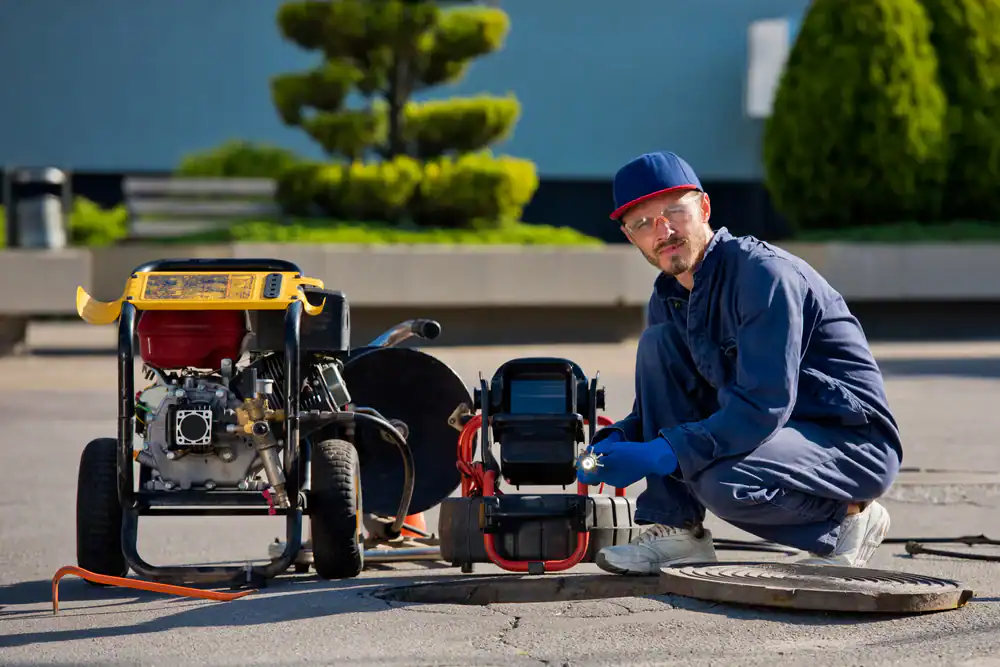
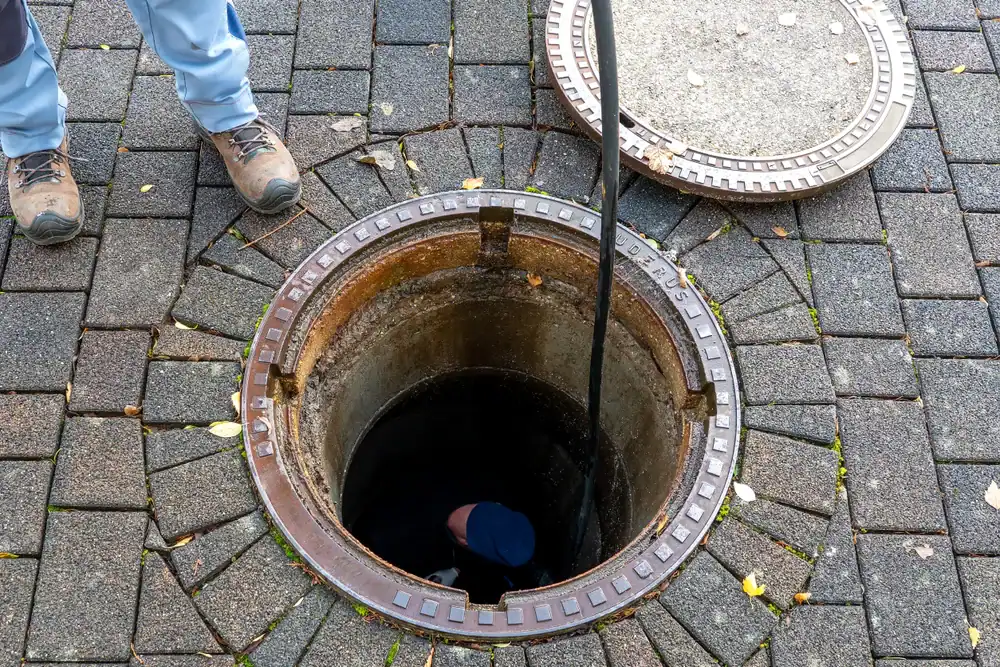
We start by accessing your system through an existing cleanout or entry point. No digging required at this stage.
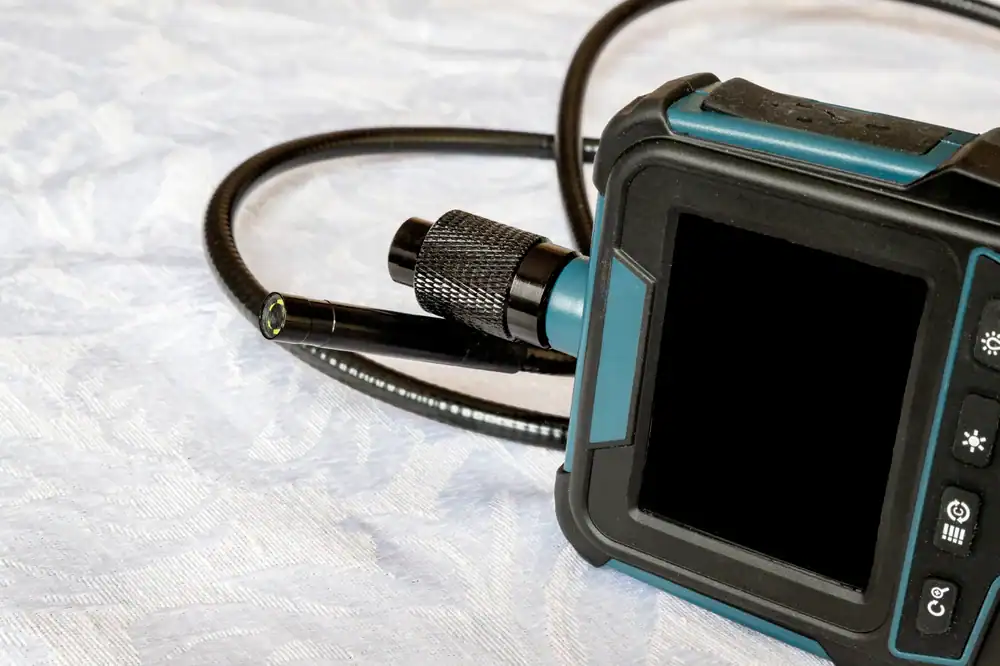
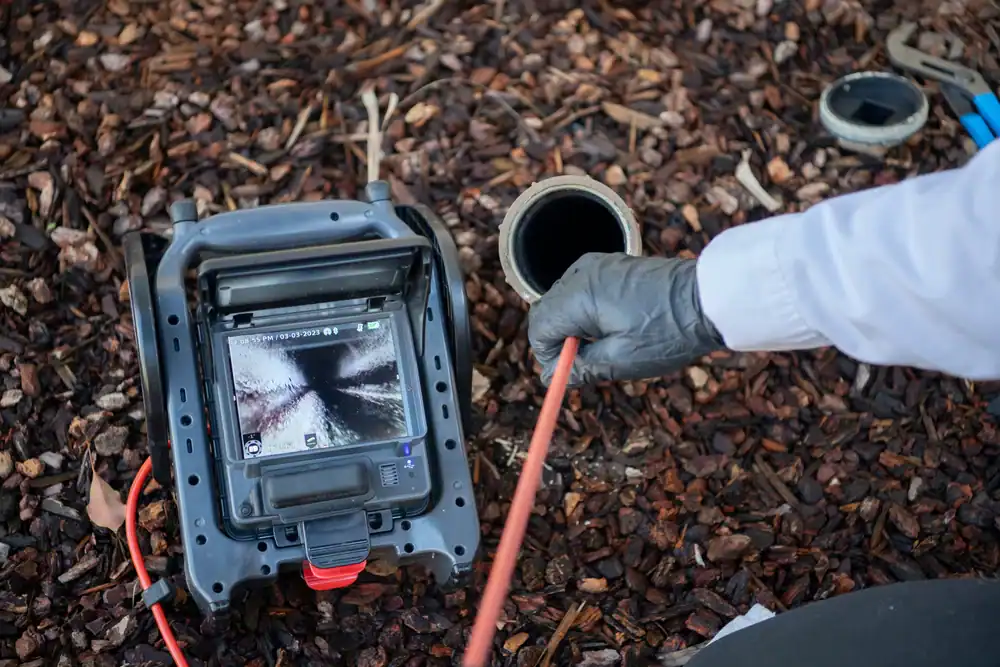
Then we feed a waterproof camera on a flexible cable through your pipes. The camera has LED lights and records high-definition footage as it moves through the line. We can inspect pipes from 2 inches to 36 inches in diameter, and the cable is long enough to cover your entire system.
You can watch the footage in real time if you want. We’ll walk you through what we’re seeing—whether that’s root intrusion, cracks, bellied pipes, or buildup that’s restricting flow.
Once we’re done, we save the footage and give you a copy for your records. You’ll also get a straightforward explanation of what needs attention now, what can wait, and what doesn’t need anything at all.
If you’re buying a home, this footage is something you can bring to the seller or your attorney. If you’re dealing with an insurance claim, many companies now require video documentation before they’ll approve coverage for sewer line repairs.
Ready to get started?
Real-time clog detection is one of the most common reasons people call. You’ll see exactly where the blockage is, whether it’s grease, roots, or something that got flushed and stuck.
We also catch early signs of pipe deterioration. Farmingville has a lot of older homes with clay or cast iron lines that crack over time. Catching a small crack now beats dealing with a collapse later.
Root intrusion shows up clearly on camera. Tree roots grow toward water, and even a small crack in your line is an invitation. You’ll see the roots on screen, and we’ll tell you what it’ll take to clear them and whether the pipe itself needs repair.
Bellied or sagging pipes are another issue we spot often. When the ground shifts or settles, sections of your line can dip and create low spots where waste collects. That leads to repeat clogs.
We also document your system for Suffolk County requirements. If you’re selling your home or applying for permits, having digital footage and reporting on file makes the process smoother. Some buyers won’t close without it, especially if the home is older or if there’s any history of septic issues in the area.
Cost depends on the size of your system and how much line we need to inspect. Most residential inspections in Farmingville run between a few hundred dollars and up, depending on access and complexity.
That’s a fraction of what you’d pay if you skipped the camera and went straight to excavation. Digging up your yard to find a problem costs thousands, and if the problem isn’t where they thought, you’re paying to dig again.
If you’re buying a home, the inspection cost is minor compared to inheriting a failing system. If you’re already a homeowner dealing with recurring backups, it’s the fastest way to stop guessing and start fixing the actual issue.
If the house has a cesspool or septic system, yes. A standard home inspection doesn’t include a sewer line video inspection, and that’s where expensive surprises hide.
Sellers aren’t required to disclose underground issues unless they know about them. You might buy a house with a cracked line or a cesspool that’s two years from failure, and you won’t know until it backs up into your basement.
In Suffolk County, that’s especially risky. Since 2019, if your cesspool fails, you can’t replace it with another cesspool. You’re required to install a full septic system or advanced treatment technology, which can cost $20,000 to $30,000. A camera inspection before closing gives you leverage to negotiate repairs or a lower price—or walk away if the system is too far gone.
We’ll show you the footage and explain what we’re looking at. Then we’ll give you options based on what the camera revealed.
Sometimes it’s a simple fix—like hydro jetting to clear roots or buildup. Other times, you’re looking at a repair or replacement of a section of pipe. If the damage is extensive, we’ll talk through what a full replacement involves and what it’ll cost.
You’re not locked into anything. The inspection gives you information. What you do with it is up to you. Some people fix it right away. Others prioritize based on budget and urgency. If you’re in a pre-sale situation, you might use the footage to renegotiate or request a credit.
Either way, you’re making the call based on what’s actually there—not someone’s best guess.
It can catch problems while they’re still small. A hairline crack today can turn into a collapsed pipe next year. Roots that are just starting to grow into your line are easier to clear now than after they’ve completely blocked it.
Regular camera inspections aren’t necessary for most homeowners, but if you’ve had recurring issues—slow drains, backups, soggy spots in the yard—getting a look inside your pipes can tell you whether you’re dealing with a temporary clog or something that’s going to keep happening.
For older homes in Farmingville, especially those with original clay or cast iron lines, a camera inspection every few years isn’t a bad idea. Those materials break down over time, and catching deterioration early means you can plan for repairs instead of scrambling during an emergency.
Most residential inspections take between 30 minutes and an hour, depending on how much line we’re inspecting and whether we run into access issues.
If your system has multiple lines or if we need to locate a cleanout, it might take a bit longer. But you’re not looking at an all-day job.
We’ll schedule a time that works for you, show up on time, and get it done without tearing up your property. You’ll have footage and a clear answer by the time we leave.
We can usually access your system through an existing opening—a toilet drain, a vent, or an outdoor access point. In some older Farmingville homes, cleanouts weren’t standard, but there’s almost always a way in without major work.
If we absolutely need to create an access point, we’ll let you know before we do anything. That’s rare, but it happens in older systems that were never updated.
Once we’re in, the inspection proceeds the same way. The camera goes through the line, we record everything, and you get a full picture of what’s happening underground. Even if access takes a few extra steps, it’s still faster and cheaper than digging exploratory holes across your yard.
Other Services we provide in Farmingville