
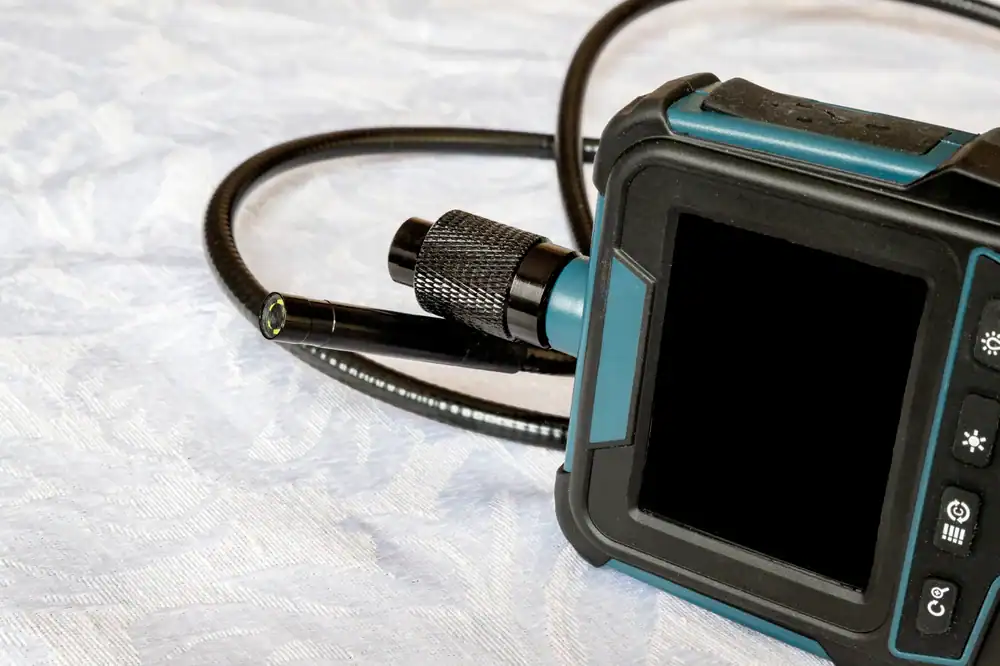
Hear from Our Customers
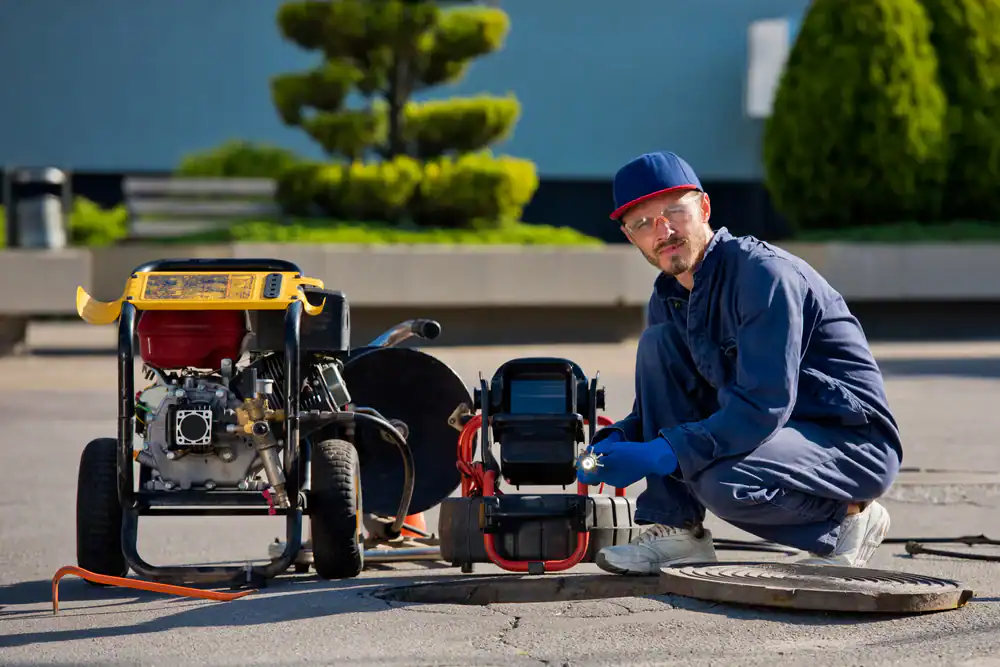
You’re looking at a $200-$400 inspection versus a $3,000-$10,000 emergency repair. That’s the difference between knowing what’s happening in your pipes now and finding out the hard way later.
A camera inspection shows you exactly what’s blocking your line, where tree roots are pushing through, or if your pipes are starting to collapse. You get real-time footage on a monitor above ground while a high-resolution camera travels through your system. No digging up your property to figure out what’s wrong.
Most Mill Neck homes were built in the 1950s. Your pipes have been underground for decades, dealing with clay soil that doesn’t drain well and tree roots that don’t care about property lines. The camera catches cracks, blockages, and weak spots before they turn into sewage backing up into your basement or a sinkhole in your yard.
In about four out of five inspections, the camera reveals issues beyond what you originally called about. That’s not upselling—that’s just what happens when you can actually see inside a 60-year-old pipe system.
We’ve been handling cesspool and septic systems across Nassau County for years. We’ve seen what happens to older systems in Mill Neck’s clay soil conditions, and we know how North Shore properties age differently than homes in other parts of Long Island.
Your property is worth over $2 million. You didn’t get here by ignoring maintenance or hoping problems fix themselves. A camera inspection gives you the information you need to make smart decisions about your system before you’re forced into emergency mode.
We’re not the cheapest option in Nassau County, and that’s intentional. You’re paying for certified technicians with state-of-the-art camera equipment who can interpret what they’re seeing and explain it in plain terms. You’re also paying for honest assessments—if your system looks fine, we’ll tell you that too.
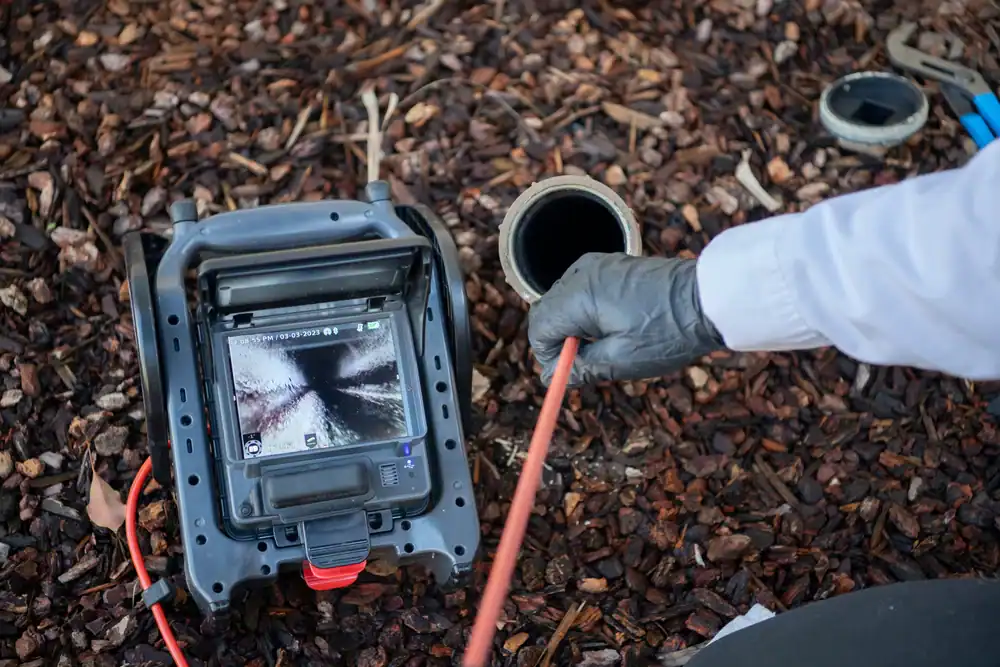
We start by accessing your system through an existing cleanout or entry point—no digging required at this stage. Our technician feeds a flexible cable with a high-resolution camera attached through your pipes. The camera has its own lighting and sends live footage to a monitor above ground.
You can watch the inspection happen in real time if you want. Most homeowners do. The camera has a footage counter that tracks exactly how many feet into your system we are, and if we find a problem, we mark the precise location with depth measurements and sometimes a radio transmitter.
What we’re looking for: blockages from grease or debris, tree root intrusion, cracks or breaks in the pipe, corrosion, improper slope that causes standing water, and signs your pipe is starting to collapse or separate at the joints. The inspection typically takes 30-60 minutes depending on your system’s size and complexity.
After the inspection, you get a detailed report with digital footage showing what we found. If there are problems, we explain what they mean, how urgent they are, and what your options look like for fixing them. If your system looks good, you have documentation proving that—useful for property value, refinancing, or just knowing you’re not sitting on a ticking time bomb.
Ready to get started?
The inspection itself gives you high-resolution video footage of your entire accessible pipe system. You’re not taking our word for anything—you see the same footage we do. The camera captures issues in real time, so there’s no delay between finding a problem and knowing about it.
You receive a written report with still images from the video showing any problem areas, exact measurements of where issues are located in your system, and our professional assessment of what needs attention now versus what you can monitor. This documentation is valuable if you’re buying or selling property, dealing with insurance claims, or just want proof your system is in good shape.
Mill Neck properties face specific challenges. The clay soil common across Nassau County doesn’t absorb water quickly, which means your cesspool works harder than systems in sandier areas. About 40,000 homes on the North Shore still use cesspools or septic systems, and many are dealing with aging infrastructure. The camera inspection shows you how your specific system is holding up under these conditions.
Nassau County now offers up to $20,000 in grants for replacing failing septic systems with nitrogen-reducing technology. If your system needs upgrading, camera inspection documentation can support your grant application by showing exactly what’s failing and why replacement makes sense.
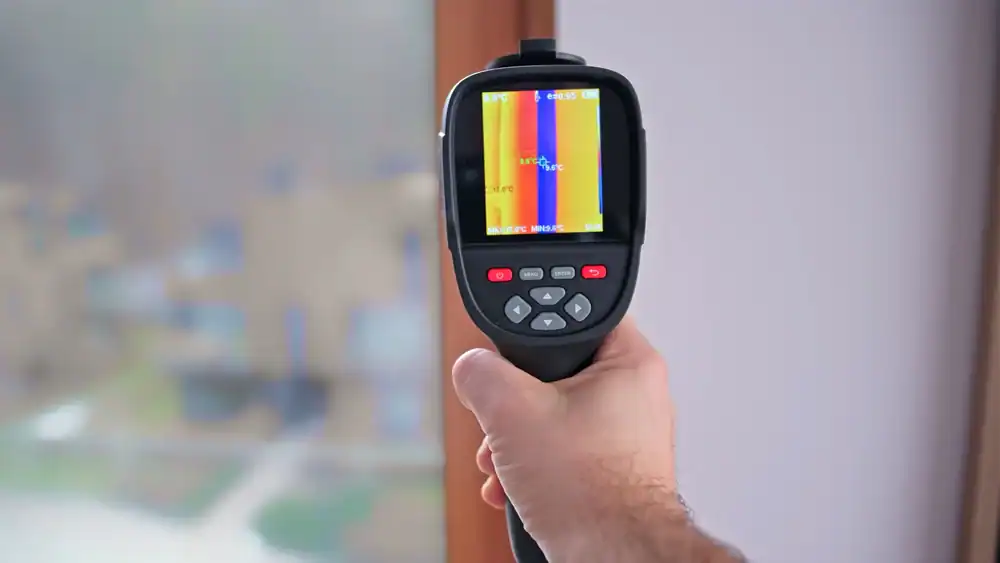
A standard camera inspection runs $200-$400. That’s what you pay to know exactly what’s wrong and where it is.
Compare that to guessing. If a technician has to dig up your yard in multiple spots trying to find the problem, you’re paying for excavation labor, equipment, and landscape restoration—often starting around $1,500 just for the search. Then you still have to fix whatever’s wrong, which could be another $3,000-$10,000 depending on the issue.
The camera eliminates the guessing. We know exactly where to dig if excavation becomes necessary, which means less time, less labor, and less destruction of your property. Most homeowners who invest in regular camera inspections report cutting their long-term maintenance costs by up to 90% because they catch issues early when fixes are simple and cheap.
The camera shows us blockages from any source—grease buildup, debris, or foreign objects that shouldn’t be in your pipes. We see tree root intrusion, which is extremely common in Mill Neck’s older properties where mature trees have had decades to work their way into pipe joints.
We can identify cracks, breaks, or corrosion in your pipes before they cause complete failure. The camera shows us if your pipes have improper slope that’s causing water to pool instead of flowing, and we can see if joints are separating or if sections are starting to collapse.
In roughly 80% of inspections, we find issues beyond what the homeowner originally called about. That’s because you might notice slow drains or occasional backups, but the camera reveals the root cause—literally, in many cases—plus other developing problems you haven’t noticed yet. Early detection means you fix things on your schedule, not in an emergency at 2 AM when a pipe finally gives out completely.
No. Camera inspection is completely non-invasive. We access your system through existing cleanouts, drain openings, or access points that are already part of your cesspool setup.
The camera travels through your pipes on a flexible cable that we feed from above ground. The whole inspection happens without any excavation, which is the entire point—you get complete visibility into your system without tearing up your property.
If we find a problem that needs repair, then excavation might be necessary for the actual fix. But even then, the camera has already shown us exactly where to dig. We’re not guessing or digging exploratory holes across your yard. We go straight to the problem location, fix it, and restore that specific area. Your property disruption is minimal compared to traditional methods where crews had to dig until they found the issue.
Most inspections take 30-60 minutes depending on how much of your system we’re examining and what we find. The process is straightforward: we set up our equipment, feed the camera through your pipes, and monitor the footage in real time.
You’re welcome to watch the inspection on our monitor as it happens. Many homeowners prefer to see what we’re seeing rather than just getting a report later. Our technician explains what you’re looking at as we go—this is a normal pipe joint, this is what tree roots look like when they’re pushing through, this is a crack that needs attention soon.
The camera has a footage counter, so we know exactly how many feet into your system we are at any point. If we find damage or blockage, we mark the precise location. Some situations call for using a radio transmitter that lets us pinpoint the problem’s exact depth and position from above ground, which becomes critical information if repairs are needed.
If your system is working fine and you have no symptoms, you probably don’t need an inspection right now. But if you’re experiencing slow drains, frequent backups, gurgling sounds, or sewage odors, a camera inspection is the fastest way to find out why.
It’s also essential if you’re buying a Mill Neck property with a cesspool system. Mortgage lenders often require septic inspections as a financing condition, and you want to know what you’re inheriting before you own it. A camera inspection reveals problems the previous owner might not even know about—or might be hoping you won’t discover until after closing.
For older homes—and most of Mill Neck’s housing stock dates to the 1950s—periodic camera inspections make financial sense. Your pipes have been underground for 60-70 years dealing with tree roots and clay soil. A $300 inspection every few years catches developing issues while they’re still minor repairs instead of system failures. That’s not an upsell. That’s basic maintenance on a critical piece of infrastructure that costs thousands to replace.
You get a detailed report with video footage, still images of problem areas, and our professional assessment of what needs attention. We explain what we found in plain language—what’s urgent, what you can monitor, and what your repair options look like.
If repairs are needed, we provide a clear estimate for the work. You’re not locked into using us for repairs just because we did the inspection, but most customers appreciate having one company handle both since we already know exactly what’s wrong and where it is.
For issues that qualify, we can help you navigate Nassau County’s grant program that provides up to $20,000 for septic system upgrades. The camera inspection documentation supports your application by showing exactly why your system needs work. You make the final call on timing and approach—we just give you the information you need to decide intelligently instead of guessing or waiting until something fails completely.
Other Services we provide in Mill Neck