
Hear from Our Customers
You’re dealing with slow drains, mystery odors, or sewage backing up into your home. Someone tells you the whole system needs replacing. That’s $20,000 minimum. But what if it’s just a root intrusion at one joint? Or a collapsed section that can be spot-repaired?
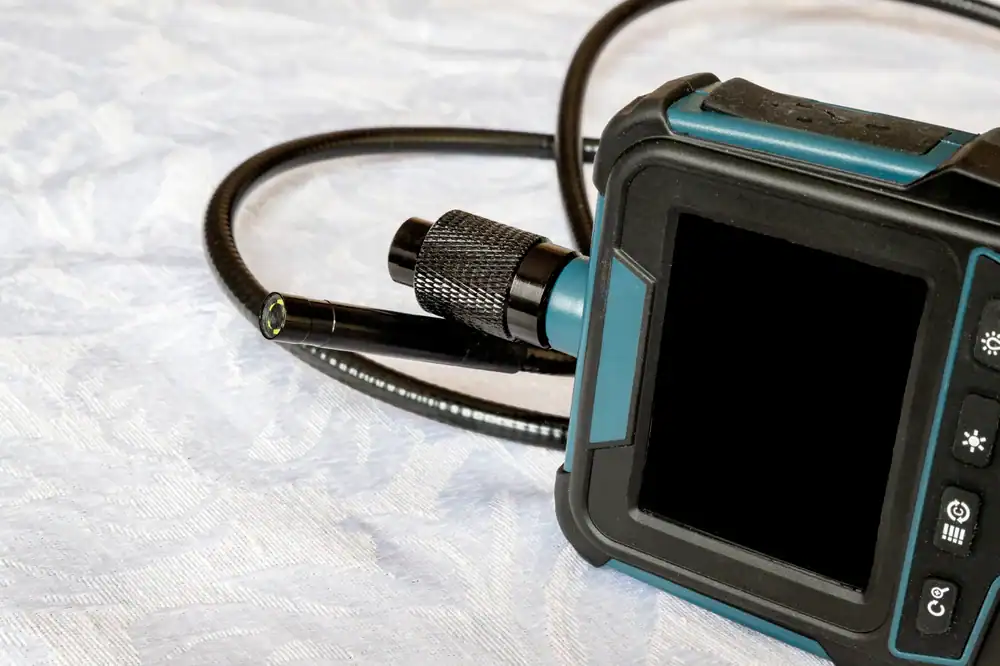
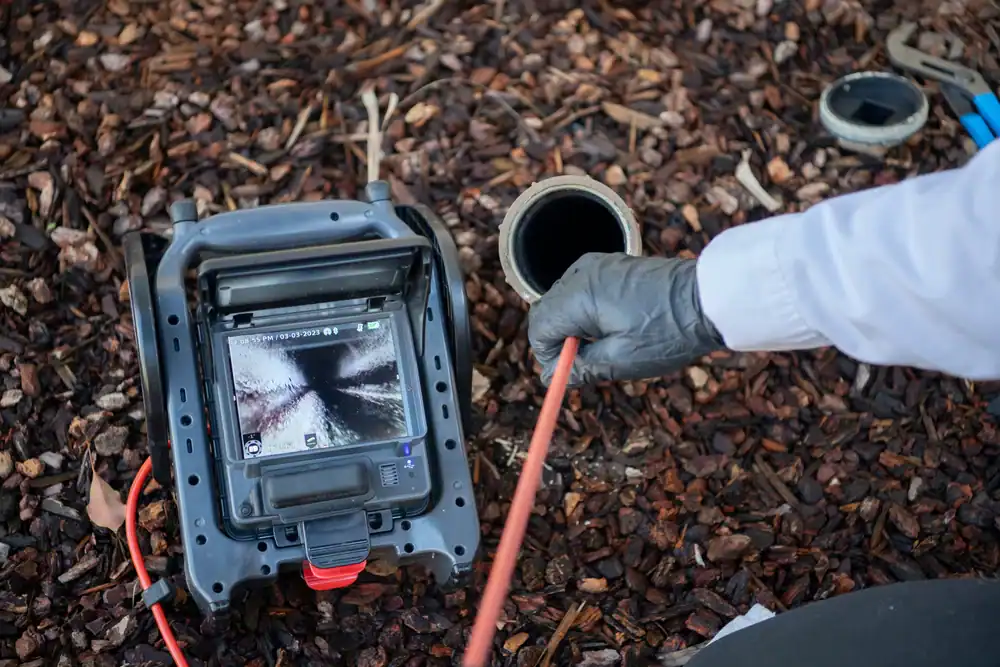
That’s where camera inspections change everything. A waterproof camera travels through your entire line, transmitting live footage to a monitor above ground. You see cracks, blockages, root damage, and deteriorating pipe walls in real time. No excavation. No guessing. Just clear visual evidence of what needs fixing and what doesn’t.
The camera also marks exact locations with a transmitter, so if you do need repairs, the crew knows precisely where to dig. That means less time, less disruption to your yard, and a whole lot less money spent tearing up concrete or landscaping to find the problem.
We’ve been handling cesspool and septic issues across Miller Place, NY and Suffolk County for nearly two decades. We’re a family-owned operation, four generations deep, and we’ve seen what happens when systems fail in Long Island’s sandy soil. It’s not pretty, and it’s rarely cheap to fix after the fact.
We invested in the latest camera inspection technology because we got tired of seeing homeowners pay for full system replacements when a targeted repair would’ve done the job. The equipment isn’t cheap, but it pays for itself the first time it saves you from unnecessary excavation. We’re available around the clock because septic emergencies don’t wait for business hours, and we price our work transparently so you know what you’re paying before we start.
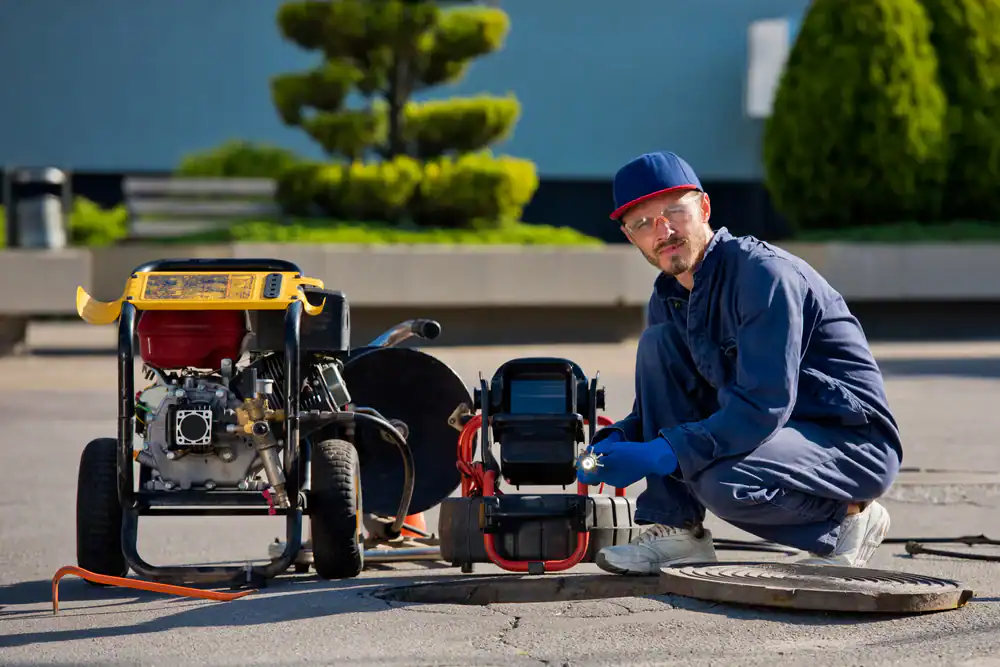
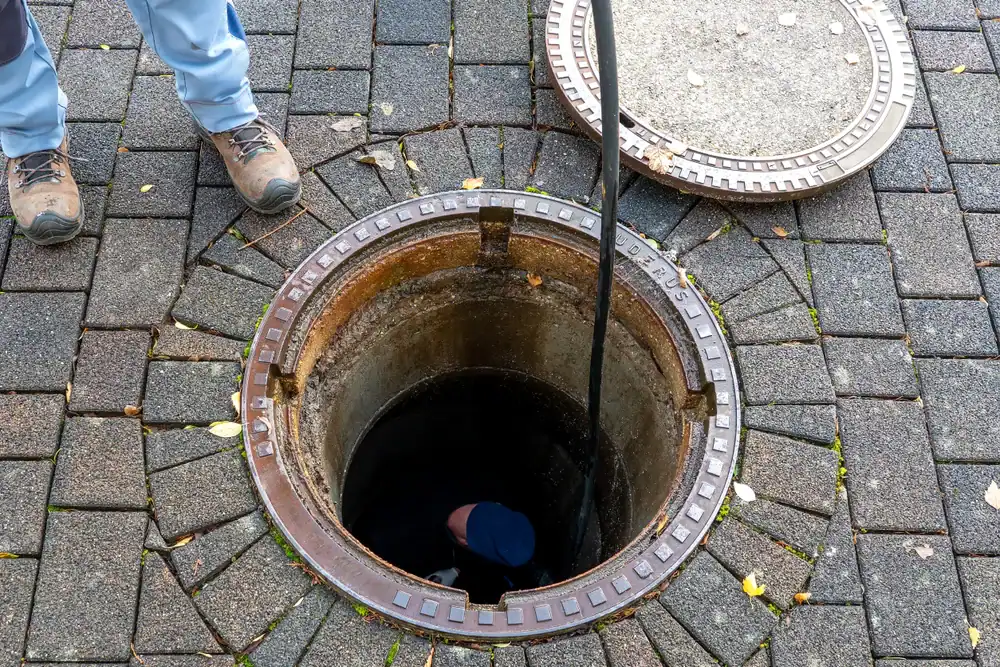
We start by accessing your system through an existing cleanout or entry point. No digging required at this stage. The camera head is small, waterproof, and equipped with LED lights that illuminate the inside of your pipes as it moves through the line.
You can watch the footage with us on the monitor. We’re looking for cracks, root intrusions, grease buildup, collapsed sections, and any signs of deterioration. The camera can travel up to 300 feet through your line, covering everything from your indoor plumbing connections to where your private line meets the municipal system or your cesspool.
As we move through, the system tracks distance with a foot counter and uses a transmitter to mark problem areas from above ground. If we find a blockage at 47 feet, we know exactly where that is in your yard. When the inspection is done, you get digital footage and a report that documents everything we found. That’s useful for insurance claims, real estate transactions, or just knowing what you’re dealing with before you commit to a repair plan.
Ready to get started?
The inspection itself typically takes one to two hours depending on your system’s length and complexity. You get live footage during the process, plus a recorded copy and written report afterward. That documentation is critical if you’re buying or selling property in Miller Place, NY, since Suffolk County now requires cesspool inspections for property transfers in many cases.
The report includes timestamps, distance markers, and notes on any issues we spotted. If there’s root intrusion, we’ll show you where and how severe. If there’s a crack or separation in the pipe, you’ll see it on camera. If the line is clear and in good shape, you’ll have proof of that too.
This matters in Miller Place because Long Island’s soil conditions accelerate certain types of deterioration. Sandy soil drains fast, which is good for septic systems in some ways, but it also means contaminants spread quickly if there’s a leak. Older cesspools in this area often show structural issues after 15 to 20 years, and catching those problems early means you can plan repairs on your timeline instead of dealing with an emergency at 2 a.m. when sewage is backing up into your basement.
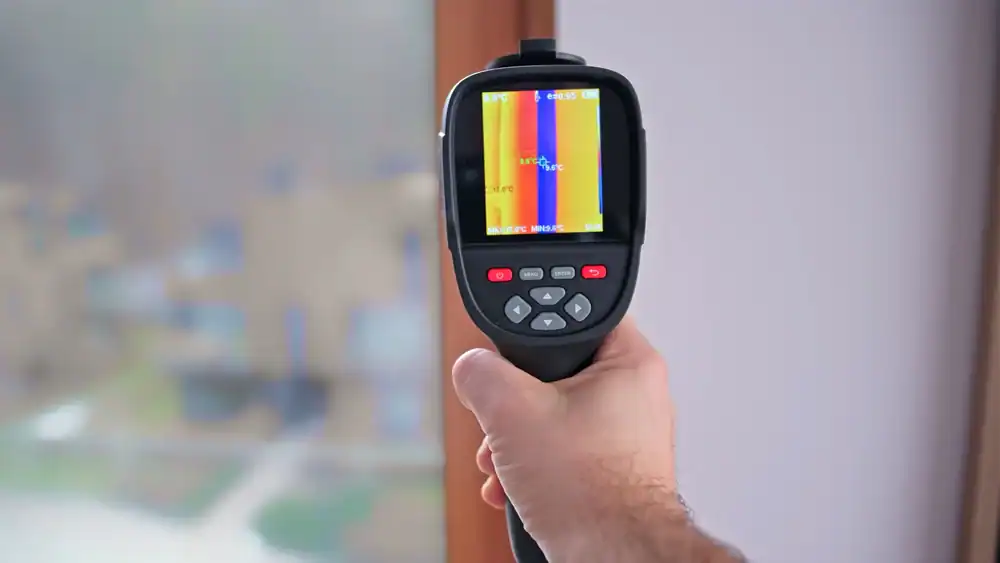
Camera inspections typically run between $200 and $400 depending on the length of line we’re inspecting and how accessible your system is. Compare that to excavation, which starts around $1,500 just to expose a section of pipe, and you’re looking at a fraction of the cost.
The bigger savings come from avoiding unnecessary work. If someone quotes you $25,000 for a full system replacement but a camera inspection reveals the problem is a single collapsed joint that can be repaired for $3,000, you just saved over $20,000. Even if the inspection shows you do need major work, at least you’re making that decision based on evidence instead of someone’s hunch.
We’ve had customers in Miller Place avoid tens of thousands in costs because the camera showed their main line was fine and the real issue was a simple clog or a problem with their indoor plumbing. That’s worth a few hundred dollars to know for sure.
Yes. The camera system includes a transmitter that sends a signal to a receiver we use above ground. When we spot a problem on the video feed, we mark that exact spot in your yard with the receiver. The system also tracks distance with a foot counter, so we know precisely how many feet from the entry point the issue is located.
That means if you need excavation or repair work, the crew isn’t guessing where to dig. They go straight to the problem area, which saves time and minimizes damage to your landscaping, driveway, or hardscaping. In Miller Place, where many properties have mature landscaping or decorative stonework, that precision matters.
For leaks specifically, the camera can often spot water infiltration, cracks, or separated joints where groundwater is seeping in. If tree roots have penetrated the line, you’ll see them on camera. If a section of pipe has collapsed, that shows up too. The visual evidence removes all the guesswork.
The camera catches most issues that affect pipe function. Root intrusions are common in Miller Place because trees seek out water sources, and your sewer line is a prime target. You’ll see roots penetrating through joints or cracks, and we can assess how severe the intrusion is.
Cracks and fractures show up clearly on camera, whether they’re caused by ground settling, freeze-thaw cycles, or age-related deterioration. Collapsed sections are obvious. Grease buildup, scale deposits, and other blockages are visible. We can also spot corrosion in older metal pipes or deterioration in concrete cesspool walls.
The camera can’t see through solid blockages, so if your line is completely clogged, we may need to clear it first before running the inspection. But in most cases, even partial blockages are visible, and we can identify what’s causing the problem—whether it’s roots, grease, foreign objects, or structural damage. For Miller Place homeowners dealing with older cesspools, the inspection often reveals concrete deterioration or cracks that are letting groundwater in, which accelerates system failure.
If the property has a cesspool or septic system, yes. Suffolk County has been tightening regulations around cesspool maintenance and replacement, and many mortgage lenders now require documentation of system condition before approving loans. A camera inspection gives you and the lender proof of what you’re dealing with.
More importantly, it protects you from inheriting someone else’s problem. Septic and cesspool failures are expensive, and sellers aren’t always forthcoming about issues. If the system is 20 years old and the camera shows significant deterioration, you can negotiate repairs or a price reduction before closing. If the inspection shows the system is in good shape, you have peace of mind and documentation for future reference.
We’ve done plenty of pre-purchase inspections in Miller Place where the camera revealed problems the seller didn’t disclose. In one case, the main line had collapsed in two places and would’ve needed a $15,000 repair within months of closing. The buyer used that information to renegotiate, and the seller covered the cost. Without the inspection, that buyer would’ve been stuck with a massive unexpected expense right after moving in.
If your system is over 15 years old, an inspection every three to five years makes sense. That’s when most cesspools in Miller Place start showing wear, especially given Long Island’s soil conditions and water table fluctuations. Catching small cracks or early root intrusion means you can address problems before they become emergencies.
If you’re experiencing slow drains, gurgling sounds, sewage odors, or wet spots in your yard, get an inspection immediately. Those are warning signs that something’s wrong, and waiting usually makes it worse. The same goes if you’ve had frequent backups or if your system hasn’t been inspected in over a decade.
For newer systems or properties where you’ve recently had work done, you probably don’t need regular inspections unless you notice problems. But if you’re planning to sell, getting an inspection beforehand lets you address any issues on your terms instead of during negotiations when buyers have leverage. It’s also smart to inspect after major weather events or if large trees near your line have been removed, since ground shifting can affect pipe integrity.
You get a clear picture of what needs fixing and what your options are. If it’s a localized issue like a cracked joint or root intrusion in one section, spot repairs are usually possible and far less expensive than replacing the whole system. If the camera shows widespread deterioration or a collapsed cesspool, you’re looking at more extensive work, but at least you know what you’re dealing with.
We’ll walk you through what we found, show you the footage, and explain your options. In some cases, the problem can be fixed with hydro jetting to clear roots or buildup. In others, you might need a section of pipe replaced or a liner installed to reinforce damaged areas. If the cesspool itself is failing, Suffolk County regulations mean you’ll likely need to upgrade to a full septic system, which is a bigger project but necessary for compliance.
The key is that you’re making decisions based on real information, not guesses. You can get multiple quotes, plan for the expense, and handle repairs on your schedule instead of in the middle of an emergency when you have no leverage and contractors know you’re desperate. The inspection also gives you documentation for insurance claims if the damage is covered, and it helps you avoid paying for work you don’t actually need.
Other Services we provide in Miller Place