
Hear from Our Customers
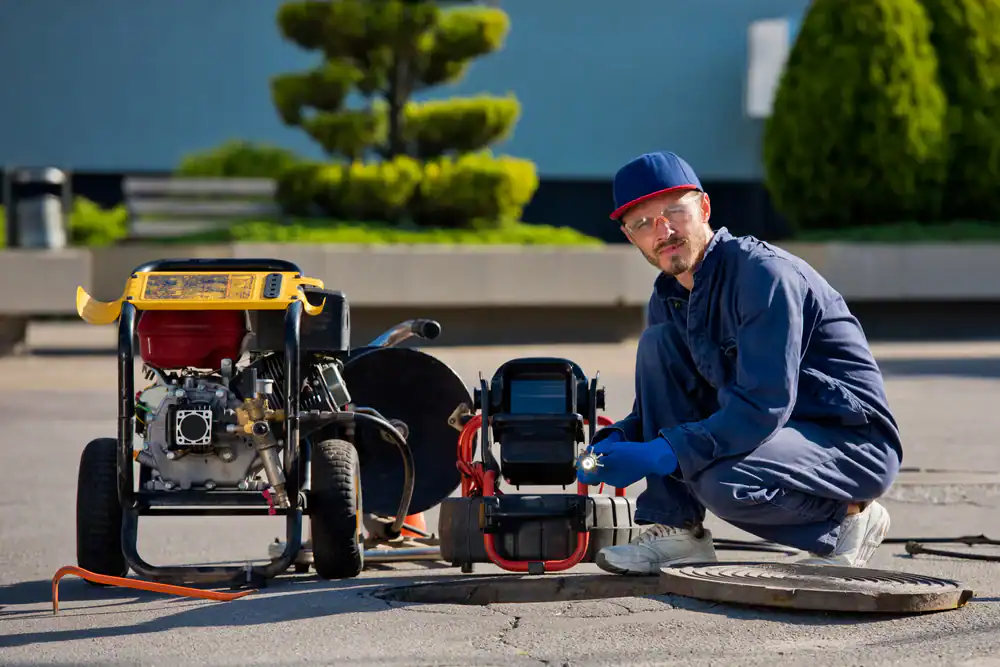
You’re not dealing with guesswork anymore. A camera inspection means you see the actual clog, crack, or root invasion on video before anyone touches a shovel.
That matters because most sewer problems start around $3,000 to fix and climb fast from there. When you know exactly where the issue is and what’s causing it, you avoid paying for exploratory digging, multiple service calls, or repairs that don’t solve anything.
The inspection includes a foot counter that marks the precise location of the problem. You get digital footage on a USB card that you can show other contractors, your insurance company, or keep for your records. Your yard stays intact. Your driveway doesn’t get torn up. You make decisions based on what’s actually happening underground, not what someone thinks might be wrong.
We’ve been handling cesspool and septic issues across Long Island for nearly two decades. We’re a family operation with four generations of experience, and we’ve seen just about every sewer line problem that exists in Suffolk County.
Riverhead has more than its share of older homes with aging cesspool systems. Many were installed before the 1980s, and they’re reaching the end of their functional life. We know what fails first, what warning signs matter, and what problems you can live with versus what needs immediate attention.
We’re available 24/7 because sewer emergencies don’t wait for business hours. When you call, you’re talking to people who’ve been doing this work long enough to give you straight answers.
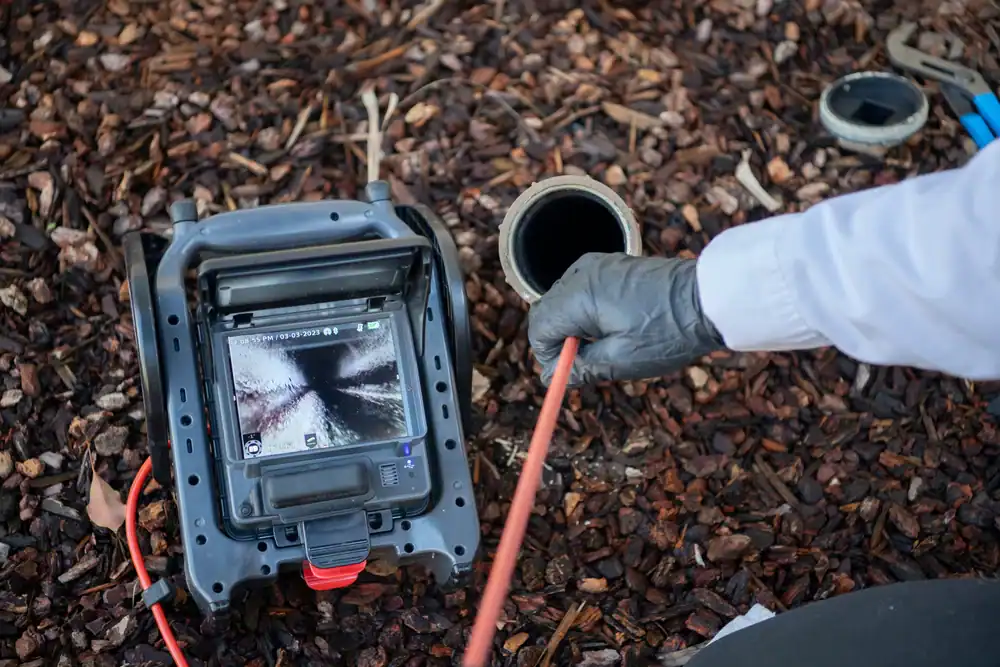
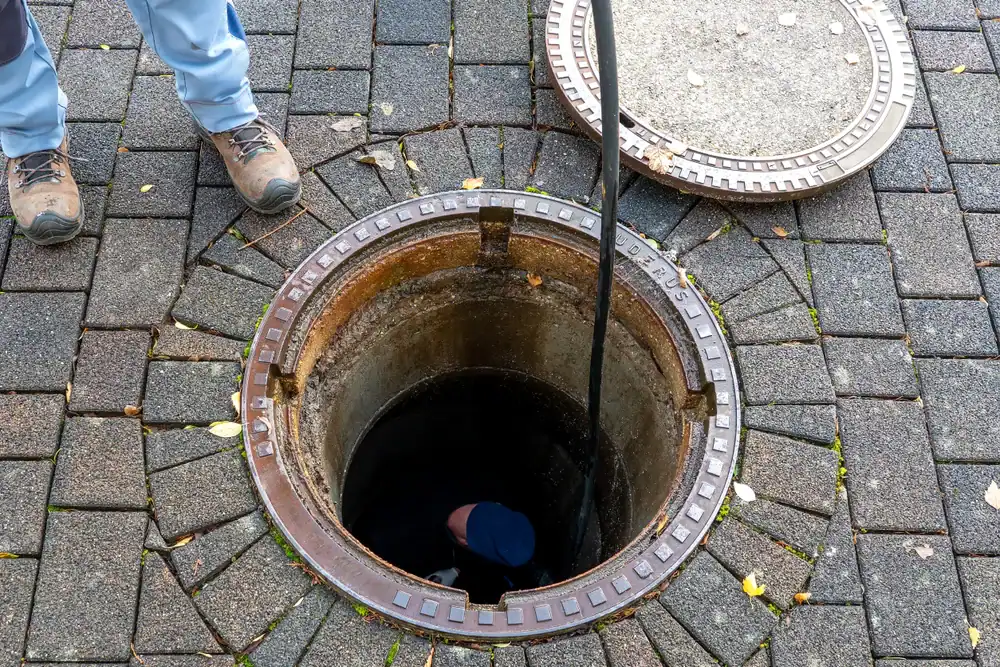
We start by locating your cleanout access point. That’s usually a small capped pipe in your yard or basement that gives us entry to your sewer line without any digging.
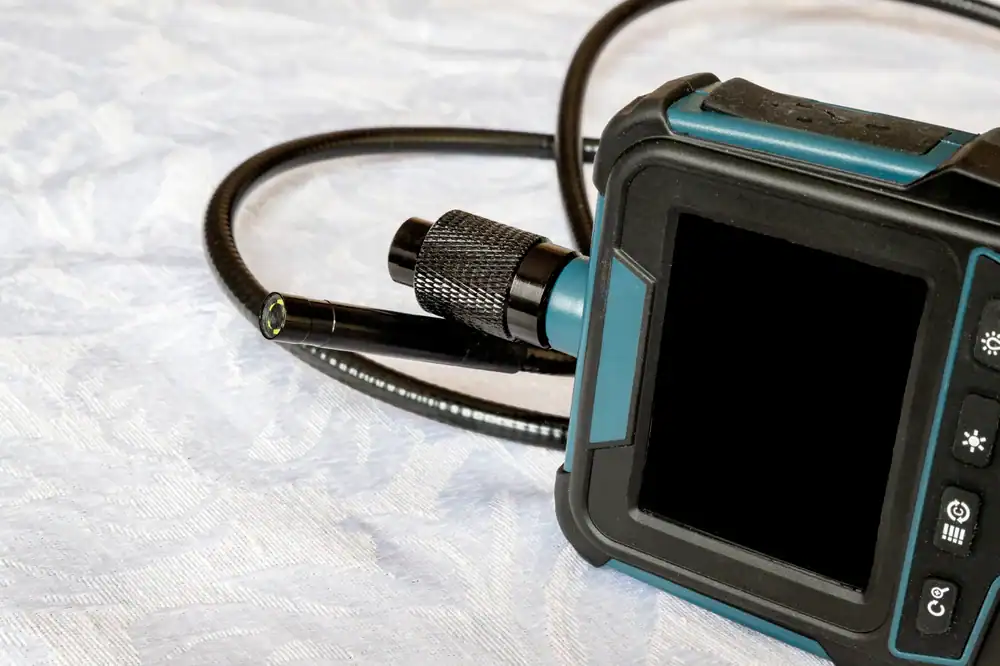
Once we have access, we feed a waterproof camera attached to a flexible cable into your line. The camera has its own light source and sends live video back to a monitor so you can watch in real time. As the camera moves through your pipes, a foot counter tracks the exact distance, which tells us precisely where any problem is located relative to your house.
We’re looking for common issues like root intrusion, pipe corrosion, bellied sections where the pipe has sagged, cracks, blockages, or collapsed sections. When we find something, we mark the footage and note the location. The whole process usually takes 30 to 60 minutes depending on how much line we’re inspecting.
You leave with video documentation on a USB card and a clear explanation of what we found. If repairs are needed, you’ll know exactly what’s involved and where the work needs to happen. No surprises.
Ready to get started?
Every camera inspection includes a full sewer line video recording with foot counter measurement. You’re not just getting a verbal report—you’re getting visual proof of what’s happening inside your pipes.
This matters more in Riverhead and Suffolk County than you might think. Over 360,000 homes here rely on cesspool and septic systems, and many are dealing with problems that surface inspections can’t detect. Tree roots are a massive issue because of the mature landscaping around older properties. Corroded pipes are common because of the age of most systems. A camera catches these problems before they turn into full backups or collapses.
If you’re buying or selling a home, many mortgage lenders now require sewer line inspections before they’ll approve financing. The video documentation we provide meets those requirements. It’s also exactly what insurance companies need if you’re filing a claim related to sewer damage.
Real-time clog detection means we can often clear minor blockages during the same visit. If we spot roots, we know whether they’re just starting to intrude or if they’ve already caused structural damage. That difference determines whether you need a simple cleaning or a section of pipe replaced. You’re not paying for more than what the situation actually requires.
Most sewer line camera inspections in the Riverhead area run between $270 and $500 depending on the length of line being inspected and how accessible your cleanout is. That’s a small investment compared to what you’d spend on emergency repairs, which typically start around $3,000 and can easily hit $10,000 or more if there’s extensive damage.
The inspection pays for itself if it catches a problem early. A small root intrusion that costs a few hundred dollars to clear now could turn into a collapsed pipe that requires excavation and replacement later. The video documentation also protects you during real estate transactions—you’re not buying someone else’s hidden sewer problems, and you’re not getting blamed for issues that existed before you owned the property.
If you’re dealing with recurring backups or slow drains, the inspection usually identifies the cause in one visit. That beats paying for multiple service calls where contractors are just guessing at what might be wrong.
A camera inspection catches root intrusion, which is one of the most common problems in Riverhead because of mature trees near older sewer lines. You’ll see roots that have penetrated through pipe joints or cracks and are blocking flow. We can tell you how severe the intrusion is and whether you need cleaning, repair, or replacement.
The camera also shows pipe corrosion and deterioration. Older clay or cast iron pipes break down over time, and the video will reveal sections that are crumbling or have holes. We can spot bellied pipes—sections that have sagged due to soil settling—which create low spots where waste collects and causes recurring clogs.
Cracks, breaks, and collapsed sections show up clearly on camera. So do foreign objects that shouldn’t be in your line, misaligned pipe connections, and scale buildup on the inside of pipes. If you’ve got standing water or sewage backing up into your house, the camera will show you exactly why it’s happening and where the problem is located.
Yes, especially in Riverhead and Suffolk County where most homes rely on cesspool or septic systems. Many of these systems are decades old, and problems aren’t visible during a standard home inspection. A sewer line that looks fine from the outside could have roots growing through it, corroded sections ready to collapse, or bellied areas that will cause chronic backups.
More importantly, many mortgage lenders now require sewer line inspections before they’ll approve financing. They don’t want to back a loan on a property with a failing sewer system that could cost $10,000 or more to replace. The video documentation from a camera inspection satisfies that requirement and gives you leverage to negotiate repairs or a price reduction if problems are found.
If the seller refuses to allow an inspection, that’s a red flag. You’re potentially buying into thousands of dollars in immediate repairs. A few hundred dollars for an inspection protects you from inheriting someone else’s sewer emergency.
Most inspections take 30 to 60 minutes depending on how much sewer line you need inspected and whether we run into any access issues. If your cleanout is easy to locate and open, we can usually get the camera in and start recording within a few minutes.
The actual inspection moves at a steady pace—we’re feeding the camera through your line and watching the monitor for any problems. When we find something worth noting, we’ll stop and mark that section of footage so you can review it later. If you’re watching with us, we’ll explain what you’re seeing in real time.
You’ll leave with a USB card containing the full video and a clear explanation of what we found. If repairs are needed, we’ll tell you exactly where the problem is located using the foot counter measurement, what’s causing it, and what your options are. No waiting days for a report—you get answers the same day.
No. The camera is designed specifically for sewer line inspections—it’s waterproof, flexible, and small enough to navigate through standard residential pipes without causing any damage. We’re not forcing anything or putting pressure on your pipes. The camera just follows the path of your existing line.
We access your sewer line through a cleanout, which is a capped opening that’s already part of your system. There’s no digging required for the inspection itself. Your landscaping stays intact, your driveway doesn’t get touched, and we’re not tearing into walls or floors unless there’s an unusual access situation.
That’s one of the biggest advantages of camera inspections compared to how sewer problems used to be diagnosed. Decades ago, finding a problem meant digging up your yard in multiple spots and hoping you eventually found the issue. Now we pinpoint the exact location before anyone picks up a shovel. If repairs are needed, we dig in one spot—right where the problem is—and leave the rest of your property alone.
Yes. When we’re running the camera through your sewer line, we can see water infiltrating from outside the pipe, which indicates a crack or break that’s allowing groundwater to seep in. We can also spot sections where sewage is leaking out into the surrounding soil, which often shows up as a gap in the pipe or a visible crack on the video.
Locating underground pipe leaks with a camera is far more accurate than older methods that relied on wet spots in your yard or guessing based on where problems seemed most likely. The foot counter on our camera equipment tells us exactly how many feet from your house the leak is located, which means we can mark the spot on your property and dig in the right place the first time.
This is especially important in Riverhead where many properties have long sewer lines running from the house to the street or to a cesspool located far from the foundation. Without a camera, you’d be looking at exploratory digging in multiple locations. With video documentation, you know exactly where the leak is and what’s causing it before any excavation starts.
Other Services we provide in Riverhead