
Hear from Our Customers
When your cesspool is maintained on a schedule built for your homenot a generic one-size-fits-all answer, but one that accounts for your household size, water usage, and soil conditionsthe worry stops. No slow drains. No odors creeping into the yard. No surprise backup on a Friday night.
Here’s something specific to Huntington Station that most providers don’t mention: the soil composition in this hamlet runs clay-heavy. Clay doesn’t drain the way sandy soil does. It holds water, reduces permeability, and puts more stress on a cesspool that’s already working hard. After a heavy rain, a system that’s overdue for service will show itpooling water, saturated ground, grass growing unusually lush over the tank area. Routine cesspool upkeep catches that before it becomes a problem you can’t ignore.
The housing stock here is also older than most people realize. More than half of Huntington Station’s homes were built between 1940 and 1969, and a significant number predate 1950. If you bought one of those homes and don’t know when the system was last pumped, that’s not a small question. A proper routine cesspool inspection gives you a real answerand a clear picture of what you’re working with.
We’re based out of East Northportwhich puts us squarely within the Town of Huntington, right next door to Huntington Station. We work this area regularly, and we know what the systems in these neighborhoods actually look like.
We’ve been operating for nearly two decades and carry the knowledge of four generations of family experience in this trade. That matters when you’re dealing with a cesspool installed in 1958 in a house on a small lot near the LIRR tracksnot every contractor has seen enough of these systems to know the difference between normal aging and a structural problem that needs immediate attention.
We’re fully licensed under the Suffolk County Liquid Waste License, bonded, and insured. We handle everything from routine cesspool inspection and pumping to repairs, installations, and real estate certifications. If you’re buying or selling a home in Huntington Station and need documentation for the transaction, we can handle that too.
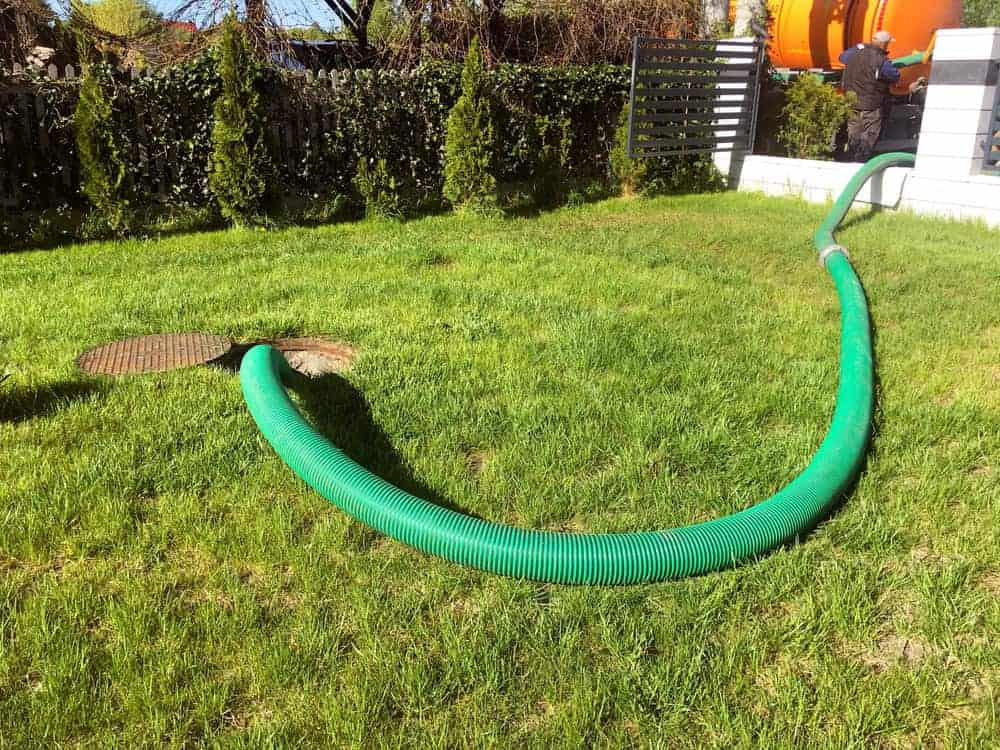
It starts with an assessment. Before anything gets pumped or cleaned, we look at the systemnot just locate and open it, but actually evaluate it. In Huntington Station, where a lot of these systems are original to homes built 60 or 70 years ago, that first look matters. Clay soil can mask surface symptoms until a system is already in serious distress. A proper inspection before service means you’re not flying blind.
From there, the work itself is straightforward: we pump and clean the cesspool, check the tank and surrounding components for structural integrity, and document any issuescracks, root intrusion, failing bafflesin plain language. No technical jargon, no vague “you might want to think about this” language designed to upsell you on something you don’t need.
After the job is done, you get a follow-up and documentation. That matters more than most people realize. Since July 2018, all licensed Suffolk County contractors are required to report pumping activity to the Suffolk County Department of Health Services. That compliance record follows your propertyit’s relevant for home sales, permit applications, and any future work that requires a service history. We handle that reporting as part of every job, not as an afterthought.
Ready to get started?
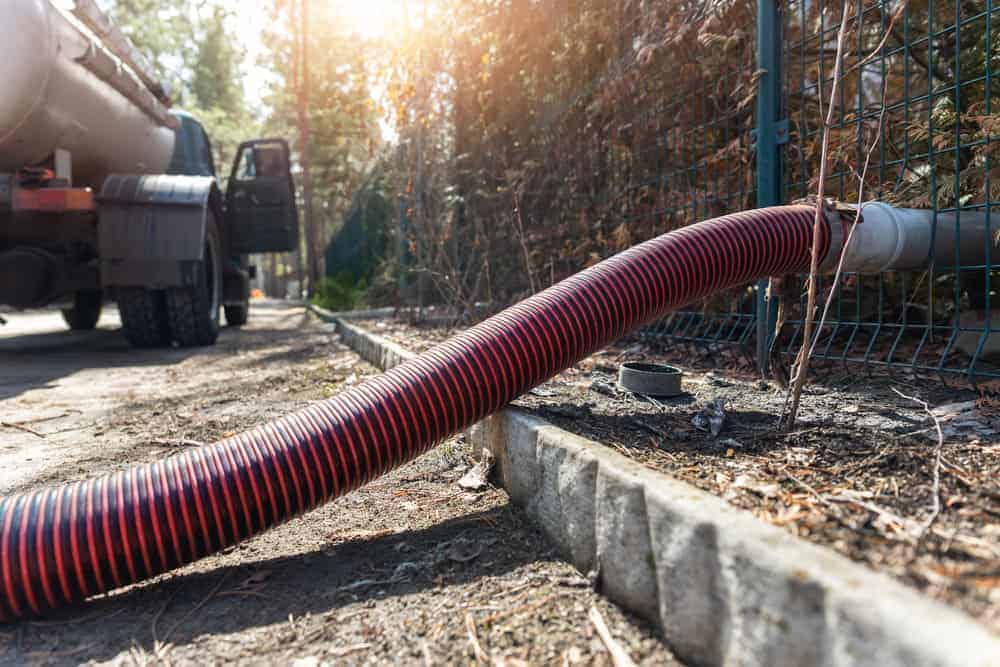
Cesspool servicing near Huntington Station covers a wider range than most homeowners expect when they first call. We handle routine pumping and cleaning for both residential and commercial properties, full cesspool and septic system inspections, repairs, new installations, effluent filter installation, sewer and drain cleaning, and real estate certifications for buyers and sellers navigating Suffolk County’s documentation requirements.
For Huntington Station homeowners specifically, the real estate certification service is worth understanding. The Town of Huntington sits in Suffolk County, where licensed contractors are legally required to report all service activity to the SCDHS. A certification from an unlicensed contractor doesn’t satisfy that requirementand it won’t hold up when your transaction gets to the closing table. Our certifications are thorough, documented, and compliant with Suffolk County’s standards.
If your system is aging and you’re facing the possibility of replacement, we can walk you through what that means under Suffolk County’s current rules. New cesspool installations have been banned in Suffolk County since July 2019any replacement has to be a conventional septic system or an Innovative and Alternative nitrogen-reducing system. Suffolk County’s Septic Improvement Program currently offers grants covering up to 75% of project costs, up to $25,000, for qualifying homeowners. That’s a significant offset on what can otherwise be a major expense, and knowing how to navigate it is part of what an experienced local provider brings to the table.
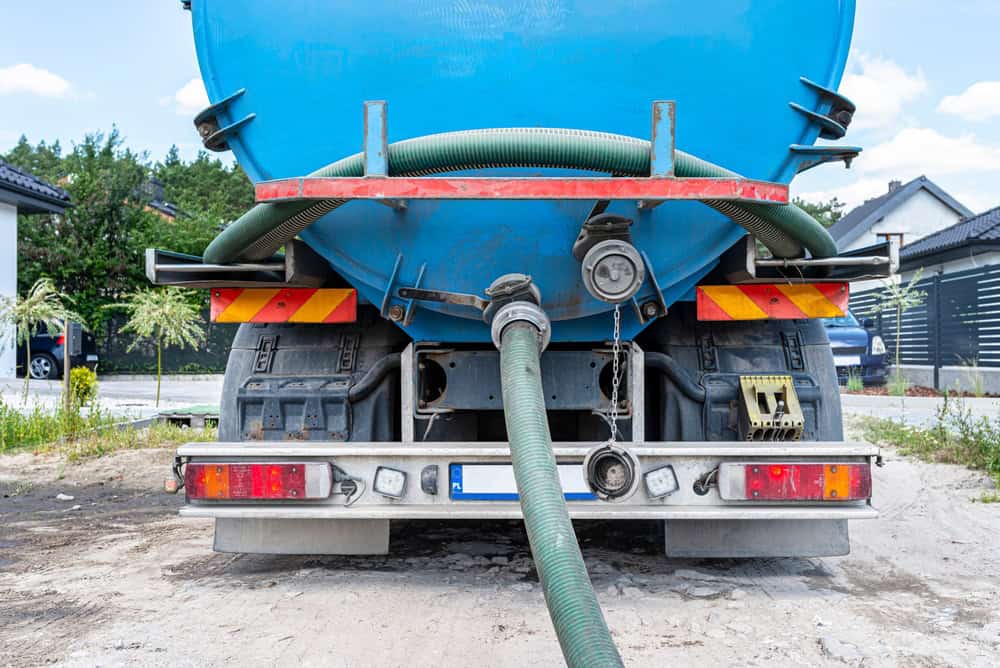
The honest answer depends on your household, not just a calendar. The general guidance for cesspools on Long Island runs every one to three years, but that range is wide for a reason. A single-person household uses far less water than a family of four with two working adults, kids in after-school activities, and a dishwasher running every night. Huntington Station skews younger and more family-oriented than a lot of surrounding communitiesthe median age here is in the mid-30s, and a lot of households are running at high water usage every day.
On top of that, Huntington Station’s clay-heavy soil composition means liquid doesn’t leach out of the cesspool as efficiently as it would in sandier areas further east in Suffolk County. That puts more strain on the system between pump-outs. For an active family household in Huntington Station, every one to two years is a more realistic maintenance window than the generic “every three years” answer you’ll hear from providers who aren’t thinking about local conditions. We can give you a specific recommendation based on your household size and system type after an initial inspection.
The most obvious signs are slow drains throughout the housenot just one sink, but multiple fixtures draining sluggishly at the same time. That usually means the cesspool is reaching capacity and liquid has nowhere to go. You might also notice odors near the tank area in the yard, or a section of grass that’s noticeably greener and more lush than the surrounding lawn. That’s effluent feeding the surface, which is not where it’s supposed to be.
In Huntington Station, clay soil makes one symptom particularly visible: surface water pooling in the yard after rain, even when neighboring properties don’t have the same issue. If you’re seeing standing water over where your cesspool is located after a heavy storm, that’s a sign the system isn’t absorbing properly and needs attention. The longer you wait after these symptoms appear, the more likely you’re looking at a repair rather than a routine pump-out. Emergency repairs cost significantly more than scheduled maintenanceand backups that reach the interior of the house can cause property damage well beyond the cesspool itself.
Yes, directly. More than half of Huntington Station’s housing stock was built between 1940 and 1969, and nearly a quarter of homes predate 1950. Homes built in that era were almost universally installed with cesspoolsit was the standard wastewater solution on Long Island at the time. Many of those original systems are still in the ground today, functioning but aging, with concrete components that have been underground for 60 to 80 years.
An aging cesspool isn’t automatically a failing one, but it does require a more careful eye. Concrete rings crack over time. Baffles deteriorate. The leaching field can become compacted, especially in clay-heavy soil. What looks like a routine maintenance situation from the surface can sometimes reveal structural issues that need to be addressed before they become emergencies. If you bought an older home in Huntington Station and don’t have a clear service history for the system, the first step is a proper inspectionnot just a pump-outso you actually know what you’re dealing with.
Suffolk County requires that anyone performing cesspool pumping, cleaning, installation, or repair in Huntington Station hold a Suffolk County Liquid Waste License under Chapter 563 of the Suffolk County Code. This isn’t optionalit’s a legal requirement, and contractors operating without it are doing so illegally. The license also requires the contractor to carry liability insurance and post a bond.
Since July 2018, there’s an additional layer: all licensed Suffolk County contractors are required to report every pumping job to the Suffolk County Department of Health Services. That report creates a compliance record tied to your property address. This matters more than most homeowners realize until they’re in the middle of a home sale or permit application and someone asks for the service history. If your last pump-out was done by an unlicensed provider, that work doesn’t exist in the SCDHS recordsand you may have to start from scratch to establish a documented compliance trail. We hold the required license and handle SCDHS reporting as a standard part of every job.
Yes. Suffolk County’s Septic Improvement Programcommonly called SCIPoffers grants for homeowners who need to replace a failing cesspool with an Innovative and Alternative nitrogen-reducing system. As of 2024, the program was expanded significantly: qualifying homeowners can now receive reimbursement for up to 75% of the project cost, with a maximum grant of $25,000. Additional financing for the remaining balance is available through the Community Development Corporation of Long Island.
This is relevant to Huntington Station because of the age of the housing stock. Homeowners with systems installed in the 1940s, 50s, or 60s are increasingly reaching the point where repair isn’t enough and replacement is the right call. Under Suffolk County’s current rules, new cesspool installations have been banned since July 2019any replacement has to be a conventional septic system or a qualifying I/A system. The SCIP grant can make a significant dent in what would otherwise be a $25,000-plus project. Knowing whether your system qualifies and how to navigate the application process is part of what an experienced, locally knowledgeable provider can help you figure out before you commit to anything.
The Suffolk County Liquid Waste License is a public record. You can verify any contractor’s license status through the Suffolk County Department of Consumer Affairsit’s searchable online, and you don’t need to take anyone’s word for it. The license number should be something a legitimate provider can give you without hesitation. If a company hedges on that question or can’t produce a license number, that’s a clear signal to keep looking.
This matters specifically in Huntington Station because the hamlet has a dense housing stock with a lot of older systems, which means there’s consistent demand for cesspool workand where there’s demand, there are always unlicensed operators willing to undercut licensed providers on price. The problem is that an unlicensed pump-out doesn’t generate the SCDHS compliance report that Suffolk County requires. You end up with no documentation, no service record, and potential complications if you ever sell the home, apply for a permit, or need to show a compliance history. The lower upfront cost isn’t worth that risk. We’re fully licensed, and that license is verifiablenot just a claim on a website.
Other Services we provide in Huntington Station