
Hear from Our Customers
Your drains flow freely. Your yard stays clean and odor-free. Your family stays safe from health hazards.
Regular cesspool maintenance prevents problems before they disrupt your life. You get peace of mind knowing your system won’t fail when you least expect it. Your drains flow freely, your yard stays clean, and you avoid the nightmare of sewage backing up into your home.
Most importantly, you extend your cesspool’s lifespan by years. That means avoiding the $15,000-$25,000 cost of a full system replacement. Instead, you invest in routine care that keeps everything working the way it should.
We’ve been maintaining cesspool systems throughout Port Jefferson Station and Suffolk County for years. We understand the unique challenges of Long Island’s sandy soil and the older cesspool systems common in this area.
We’re licensed, insured, and familiar with local health department regulations. When you call us, you’re working with professionals who know exactly what your system needs and how to keep it running properly.
Port Jefferson Station’s history as a primarily farming community that experienced suburban growth in the 1950s means many homes have aging systems that need specialized care. We’ve seen every type of problem these older systems can produce, and we know how to fix them right.
First, we inspect your cesspool to assess the current condition and identify any potential issues. We check the inlet and outlet pipes, measure sludge levels, and look for signs of structural problems.
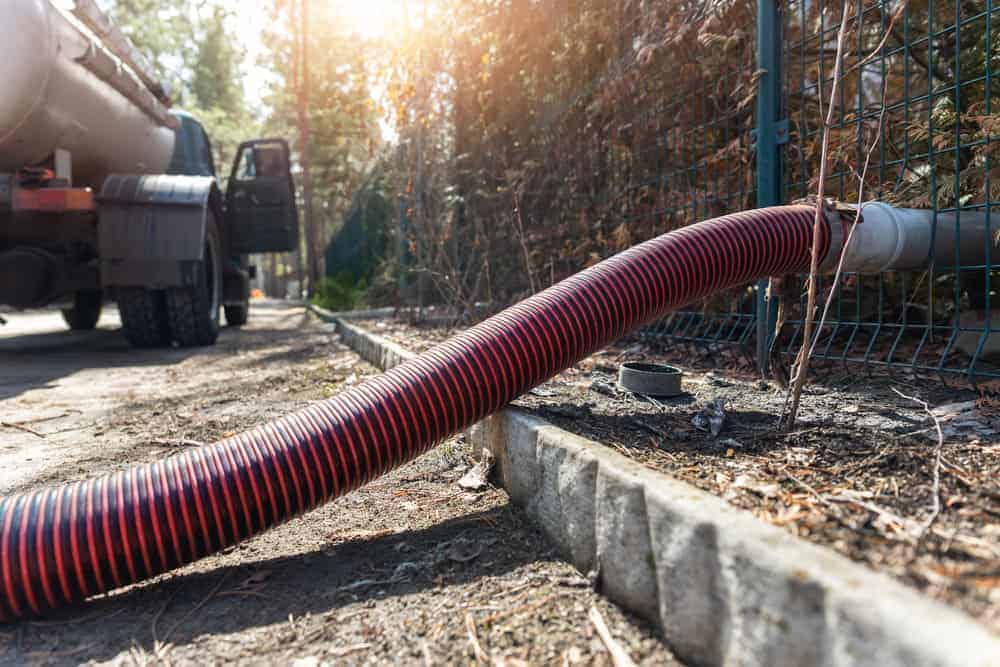
Next, we pump out the accumulated waste using powerful vacuum equipment. This removes the sludge and scum that can cause backups and system failure. We also clean the walls and bottom of the tank to ensure maximum efficiency.
Finally, we provide you with a clear assessment of your system’s condition and recommend a maintenance schedule based on your household size and usage. Most Port Jefferson Station homes need pumping every 2-3 years, but we’ll give you a specific timeline based on your actual needs.
Ready to get started?
Our cesspool maintenance includes thorough pumping, cleaning, and inspection of your entire system. We check all components, from the distribution box to the leach field, ensuring everything works together properly.
Every service includes a written report of your system’s condition and our recommendations for ongoing maintenance. We believe in transparency – you’ll know exactly what we found and what needs attention. No hidden problems, no surprise bills later.
Long Island’s sandy soil creates specific challenges that many companies don’t understand. This sandy soil affects how cesspools perform and how long they last. What works upstate doesn’t apply here. We use equipment specifically designed for these conditions and dispose of waste at approved facilities according to Suffolk County regulations.
Most cesspools in Port Jefferson Station need pumping every 2-3 years, but the exact timing depends on your household size and water usage. A family of four typically needs service every 2-3 years, while smaller households might go 3-4 years between pumpings. We’ll assess your specific situation and give you a maintenance schedule based on your actual usage patterns and the condition of your system.
Your schedule also depends on factors like garbage disposal usage, laundry frequency, and the age of your system. We don’t use generic timelines – we evaluate your actual situation and give you a maintenance plan that makes sense for your household.
Watch for sewage backing up into drains, toilets that won’t flush properly, or foul odors in your yard. Slow drains throughout the house, gurgling sounds from plumbing, and wet spots in your yard near the cesspool are also warning signs.
Don’t ignore these problems hoping they’ll resolve themselves. Neglected cesspools eventually fail, often at the worst possible time. You might face sewage backups in your basement, foul odors that make your yard unusable, or contamination of nearby wells. Call us immediately if you notice any of these issues.
Routine cesspool pumping typically costs between $300-$600, depending on the size of your tank and how much waste needs removal. Emergency services cost more due to the urgent nature and potential after-hours response. We provide written estimates before starting work, so you know exactly what you’re paying. Regular maintenance is always less expensive than emergency repairs or system replacement.
The investment in routine maintenance pays for itself by preventing expensive disasters. System replacement can cost $15,000-$25,000 or more, making regular pumping a smart financial decision that protects your property value.
Yes, but be realistic about the limits. Avoid flushing non-biodegradable items, limit garbage disposal use, and spread out laundry loads throughout the week. However, don’t skip scheduled maintenance to save money – it usually backfires with expensive emergency repairs. The best approach is following a regular pumping schedule while being mindful of what goes down your drains.
Simple changes like using septic-safe toilet paper, avoiding harsh chemicals, and fixing leaky faucets can help. But remember that Long Island’s sandy soil and older cesspool designs mean these systems need regular professional attention regardless of your conservation efforts.
Long Island’s sandy soil affects how cesspools perform and how long they last. Since Long Island is built on sandy soil, contaminants easily seep into the sole source aquifer. This underground reservoir supplies 100% of the island’s drinking water.
Even when working properly, traditional Long Island cesspools and septic systems are not designed to keep reactive nitrogen from entering groundwater aquifers. Long Island’s conventional septic systems only function as designed when there is enough distance between the leaching pit and the ground water. In low-lying coastal areas septic systems are commonly considered “failing” when the ground water comes close to the leaching pit.
Yes, we offer emergency cesspool service when you can’t wait for regular business hours. Sewage backups and overflows are health emergencies that need immediate attention. We respond quickly to contain the problem and restore your system to working condition. Emergency service costs more than routine maintenance, but it’s essential when you’re dealing with active sewage problems that threaten your family’s health and safety.
Emergency situations don’t wait for convenient times. Whether it’s a holiday, weekend, or middle of the night, sewage problems create health hazards that require immediate professional response. We understand the urgency and respond accordingly to protect your family and property.