
Hear from Our Customers
When your cesspool is properly maintained, you stop waiting for something to go wrong. No slow drains creeping up on a weekend. No odor you can’t explain. No call from a buyer’s attorney flagging a system that hasn’t been serviced in years. You just live in your home the way you’re supposed to.
For Huntington Bay specifically, that peace of mind carries more weight than it does in most Long Island communities. The village sits at low elevation between Huntington Harbor and Centerport Harbor, with sandy North Shore soil and a water table that rises meaningfully after heavy spring rains. That combination means a system that’s overdue for service isn’t just a household inconvenienceit’s a system under real environmental pressure.
When the ground is saturated and the water table is high, a cesspool that’s already approaching capacity doesn’t have much margin left. There’s also the water quality dimension that’s specific to Huntington Bay. Roughly 70% of the nitrogen entering local bays traces back to cesspools and septic systems. For a community built around the harborthe views, the boating, the beaches, the waterfront property valuesthat’s not an abstract statistic.
A well-maintained system is one less source of the pollution that affects the water you look at every day. Staying current on cesspool service in Huntington Bay isn’t just about avoiding a backup. It’s about protecting what makes this village worth living in.
We’re based in East Northportthe same Town of Huntington as Huntington Bay, just a few miles from Wincoma and Bay Hills. This isn’t a regional company routing a truck from Nassau County. When you call, you’re reaching a family business that has been working on Long Island systems for nearly two decades, across four generations of hands-on experience.
That matters in a village like Huntington Bay. The homes here are oldmany built in the 1920s, some dating back even furtherand the systems beneath them reflect that age. Understanding what you’re dealing with when you’re working under a century-old home on the East Neck peninsula is different from servicing a newer subdivision. We bring that specific, accumulated knowledge to every job.
We’re owner-operated, fully licensed under Suffolk County’s Liquid Waste License requirements, insured to $1,000,000, and bonded. Free estimates are provided before any work begins, and the pricing is what it isno hidden fees, no surprises on the final bill.
It starts with a call and a free estimate. Before a truck pulls up to your property, you know what the service will cost and what it covers. That’s not a promotional offerit’s just how honest work gets done.
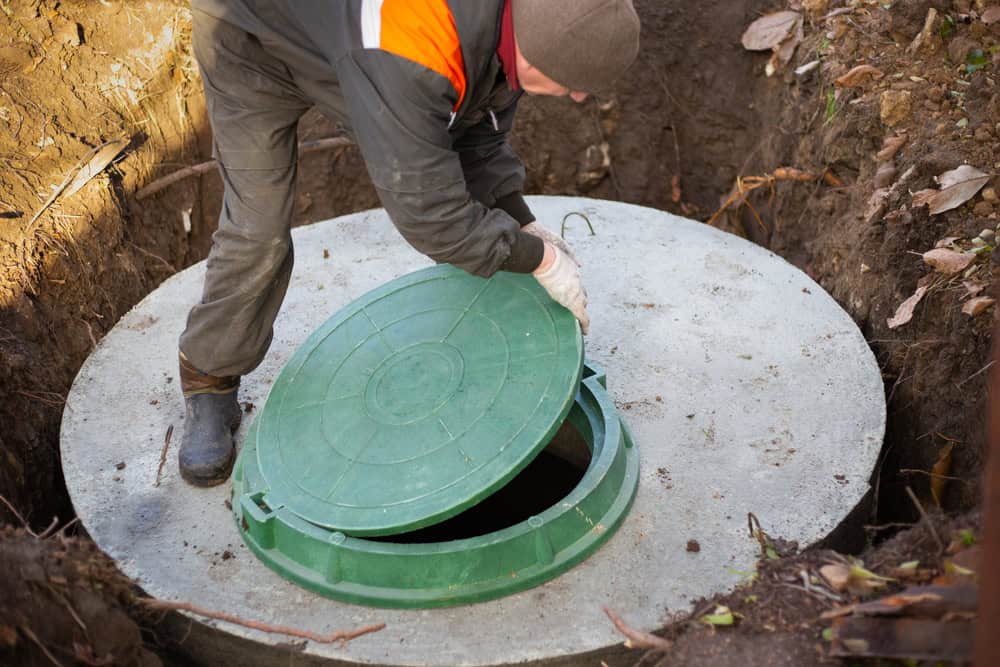
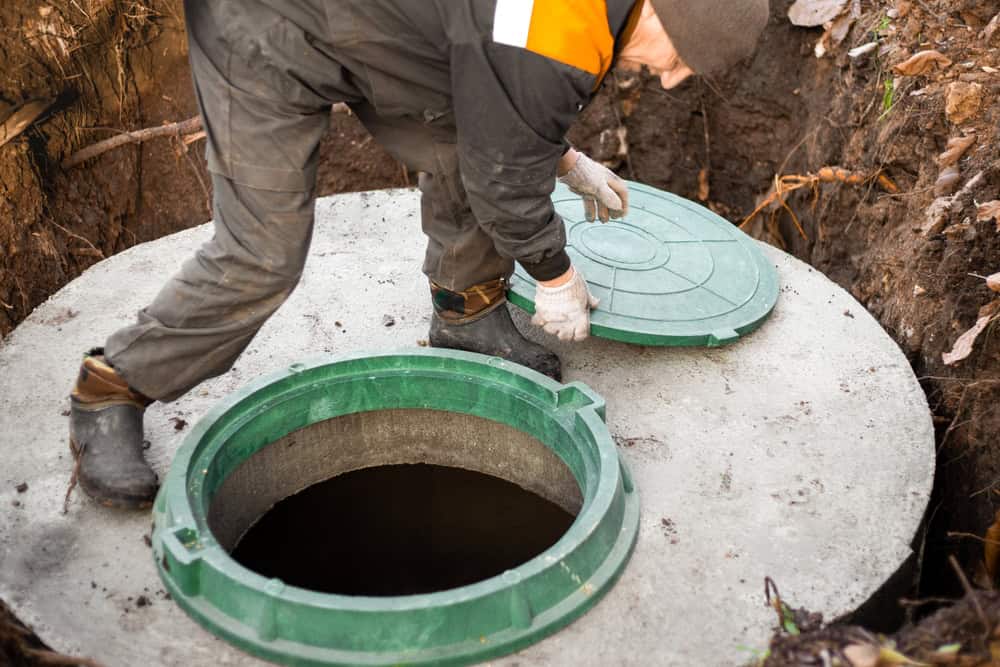
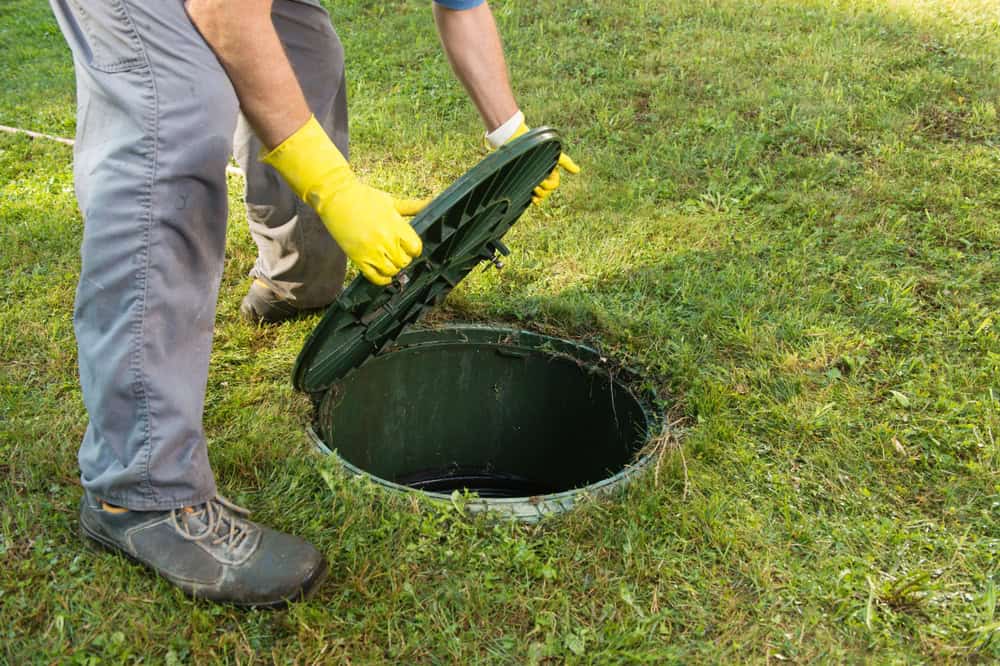
When our technician arrives, the first step is locating and accessing the cesspool. In Huntington Bay, where homes in Wincoma and Bay Hills can be 70 to 100 years old, the system’s location isn’t always obvious from the surface. Our technicians know how to find and safely access older systems without damaging the property.
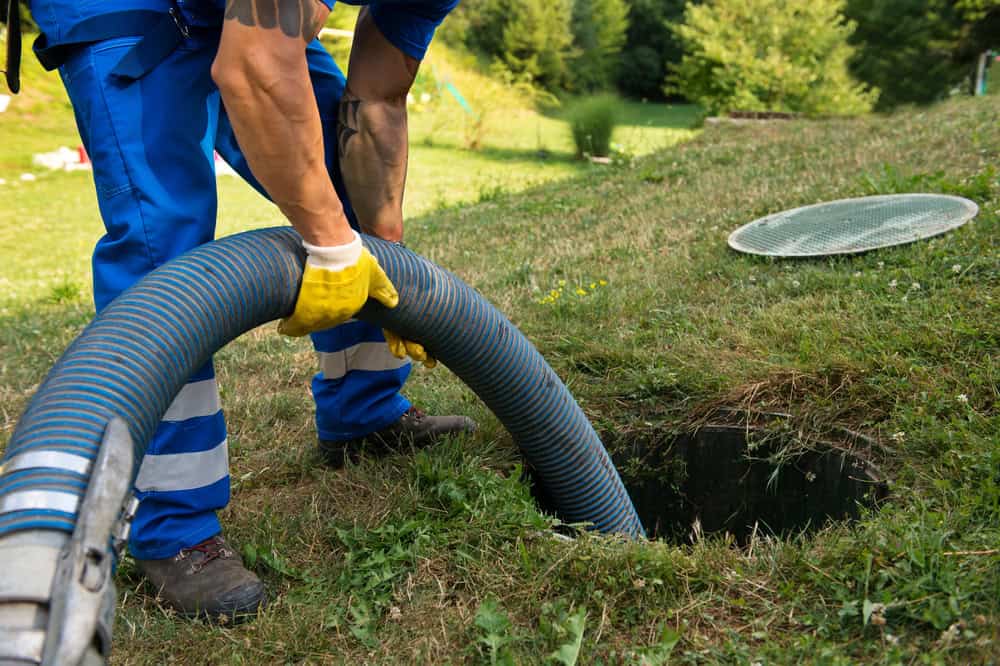
From there, the tank is fully evacuatednot partially pumped, but completely cleared. While the system is open, the technician inspects the condition of the baffles, inlet and outlet pipes, and the tank itself. If something looks off, you hear about it before it becomes a five-figure problem.
After the work is done, you receive written documentation of the service. Suffolk County health departments track maintenance records, and in a real estate market where Huntington Bay properties regularly transact above $1,000,000, having a verifiable service history is not optionalit’s protection. If your system is approaching the point where Suffolk County’s nitrogen-reducing upgrade requirements become relevant, we can walk you through what that means for your property and whether you may qualify for grant funding through the county’s Septic Improvement Program.
Ready to get started?
We handle the full range of cesspool and septic tank needs for Huntington Bay homeowners: pumping, cleaning, maintenance, inspection, installation, and emergency response. The service list isn’t complicatedwhat matters is that each one is done correctly, by licensed technicians, with written documentation at the end.
For Huntington Bay’s housing stock, maintenance frequency matters more than in many other communities. Most residential systems should be pumped every two to three years depending on household size and usage. Septic tanks generally run on a three-to-five-year cycle.
The North Shore environmentthe sandy soil, the proximity to tidal water, the spring saturation eventscan accelerate how quickly a system fills or becomes stressed. If your home is on the older side and you’re not sure when the system was last serviced, that’s the right starting point: an honest assessment of where things stand.
Emergency cesspool service is available 24 hours a day, every day of the week. If a heavy rain event backs up your system on a Saturday night, or a guest weekend reveals a drain problem you didn’t know you had, the line at (631) 368-1022 is answered.
For installations and replacements, we handle the permit process through the Suffolk County Department of Health Services, including coordination with village-level requirements that apply specifically to Huntington Bay as an Incorporated Village with its own regulatory authority.
The village’s position on the East Neck peninsulasitting between Huntington Harbor and Centerport Harbor at a low elevationcreates conditions that put more stress on cesspool systems than you’d find in an inland Long Island community. The water table near the harbor is naturally higher, and after significant spring or fall rain events, saturated soil has a reduced capacity to absorb effluent from the system.
When that happens, a cesspool that’s already approaching capacity has very little margin before it backs up or shows surface symptoms. Sandy North Shore soil compounds this in a different way: it allows wastewater to move through the ground quickly, which sounds like a good thing but actually means effluent can reach the groundwater table before it’s adequately treated.
That’s a direct concern for the health of Huntington Harbor and the surrounding waterways. For homeowners in Wincoma, Bay Hills, or anywhere in Huntington Bay, this means that staying on a regular pumping schedule isn’t just about avoiding a backupit’s about managing a system that’s operating in a genuinely demanding environment. The practical takeaway is that the standard two-to-three-year pumping recommendation for most residential systems may be the right call here, rather than pushing toward the longer end of the range.
For most residential cesspools on Long Island, pumping every two to three years is the general guidance. Septic tanks typically run on a three-to-five-year cycle. But the right answer for your specific property depends on a few things: the size of your household, how much water you use, the age and capacity of the system, and the environmental conditions around it.
In Huntington Bay, the last factor carries more weight than it does in many other communities. The harbor-adjacent water table and the sandy soil conditions mean systems here can experience more stress than the same-sized system in a drier, inland location. Homes in the village also tend to be older, and older systems often have smaller tank capacities than modern installations.
A 1,000-gallon tank serving a four-person household fills faster than most homeowners expectpumping is recommended when solid waste reaches roughly 25 to 30 percent of total capacity, and you won’t know where you stand without having the system inspected. If you’re not sure when your cesspool was last serviced, that uncertainty is itself a reason to call. A straightforward inspection gives you a clear answer and a realistic maintenance schedule going forward.
The most common signals are slow drains across multiple fixtures at the same time, gurgling sounds in the pipes, sewage odors inside the home or near the yard, and wet or unusually green patches of grass over where the system is located. Any one of these is worth paying attention to. More than one showing up at the same time means you should call the same day.
In Huntington Bay, wet spots near the system can be easy to misread in spring and after storm events, because the ground near the harbor is often damp anyway. The distinction is that cesspool-related saturation tends to be localized to the area directly above or adjacent to the tank or leaching field, rather than general yard wetness.
If you’re seeing a specific area that stays wet or develops an odor after the rest of the yard dries out, that’s a meaningful sign. It’s also worth knowing that a cesspool can be failing without obvious drain symptoms. By the time wastewater is backing up into the house, the system has already been in distress for a while. Regular maintenance catches the problem while it’s still a pump-out, not a replacement.
Yes. Suffolk County requires that any cesspool or septic system replacement be registered with the Suffolk County Department of Health Services, and the contractor performing the work is legally obligated to report the replacement. Since July 1, 2019, new installations and replacements in Suffolk County must use advanced nitrogen-reducing technology rather than a traditional cesspoolthe old-style cesspool is no longer a permitted option for new or replacement work.
Because Huntington Bay is an Incorporated Village with its own board of trustees and village code, there may also be village-level permit requirements in addition to the county health department process. The village’s first ordinance, adopted in 1924, specifically addressed sewagewastewater management has been part of Huntington Bay’s local governance since its founding, and that regulatory history means the village takes it seriously.
We handle the permit process as part of installation and replacement work, including coordination with both the county and any applicable village requirements. If you’re facing a replacement and aren’t sure what’s required, the right move is to start with a licensed contractor who knows the Suffolk County regulatory landscapenot to figure it out on your own after the fact.
Possibly, and it’s worth finding out. Suffolk County’s Septic Improvement Program offers grants to qualifying homeowners to offset the cost of upgrading from a traditional cesspool to an advanced nitrogen-reducing system. Combined county and state funding can reach up to $30,000 for eligible properties. Nassau County has a similar program through its S.E.P.T.I.C. initiative.
Huntington Bay residents have already participated in these programs. In 2017, village residents were selected to receive advanced nitrogen-reducing systems as part of Suffolk County’s Septic Demonstration Programone of the earlier phases of what has since expanded into a broader county-wide grant initiative. The village’s direct relationship with Huntington Harbor and the Long Island Sound makes it exactly the kind of community these programs were designed for, given that nitrogen loading from cesspools is a documented contributor to water quality degradation in local bays.
Eligibility depends on your property’s location, system type, and other factors. We’re familiar with the county’s requirements and can help you understand whether your property qualifies and what the upgrade process looks like from a practical standpoint.
The most important thing to confirm is licensing. In Suffolk County, any company performing cesspool pumping, cleaning, maintenance, or installation is legally required to hold a Liquid Waste License issued by the county. Getting that license requires five years of documented trade experience, $1,000,000 in liability insurance, a $10,000 bond, and LILWA certification through an approved training program. These aren’t optional credentialsthey’re legal minimums. Ask any contractor you’re considering to confirm their Suffolk County Liquid Waste License before they start work on your property.
Beyond licensing, look for a company that gives you a written estimate before the job begins and written documentation after it’s complete. In Huntington Bay’s real estate market, where properties regularly trade above $1,000,000, service records matterboth for health department compliance and for protecting your position in a future transaction. A contractor who won’t put the price in writing before they start is a contractor worth skipping.
Finally, local familiarity matters in a specific way here. The combination of older homes, harbor-adjacent soil conditions, and Huntington Bay’s village-level regulatory layer means there are real differences between servicing a system here and servicing one in a newer inland community. A company that knows this areanot just Long Island in generalis going to give you a more accurate assessment and fewer surprises.
Other Services we provide in Huntington Bay