
Hear from Our Customers
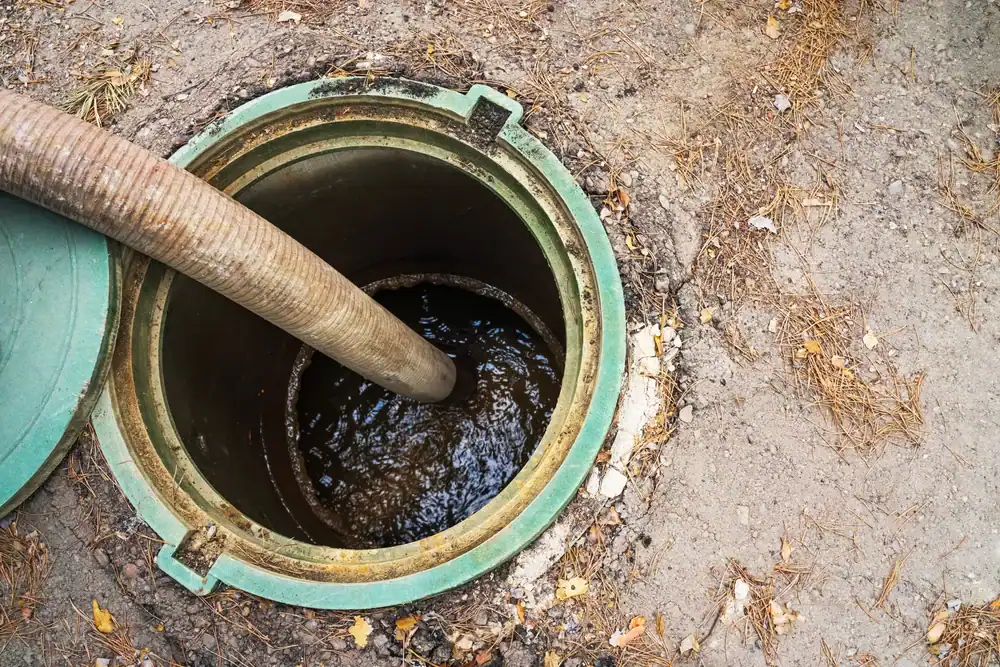
You know something’s wrong when drains slow down, toilets gurgle, or you smell sewage in your yard. Those are signs your main waste line is failing. Most homes in Bay Wood still have original lines from decades ago, and they don’t last forever.
A proper line replacement means your waste flows to the cesspool without backing up into your house. It means no more standing water in your yard, no more emergency calls, and no more wondering if today’s the day your system fails completely. The line either has the right pitch and slope or it doesn’t. If it doesn’t, waste sits in the pipe instead of flowing out.
We’ve been doing this for almost twenty years across Suffolk County. When we replace a line, we dig it out, set the proper slope, and make sure water flows downhill like it should. That’s what keeps your system running between service calls instead of failing every few months.
Quality Cesspool has been serving Bay Wood and Suffolk County for nearly two decades. We’re a family business with four generations of experience in cesspool and septic work. That means we’ve seen what works and what doesn’t on Long Island soil.
Most properties in Bay Wood aren’t connected to municipal sewer. You’re relying on a cesspool system that needs proper maintenance and occasionally needs line work. We understand the local regulations, the soil conditions, and what it takes to keep your system functioning year-round.
When you call us, you’re getting transparent pricing and people who show up on time. We don’t add hidden fees or upsell services you don’t need. We just do the work right so you don’t have to call us back for the same problem.
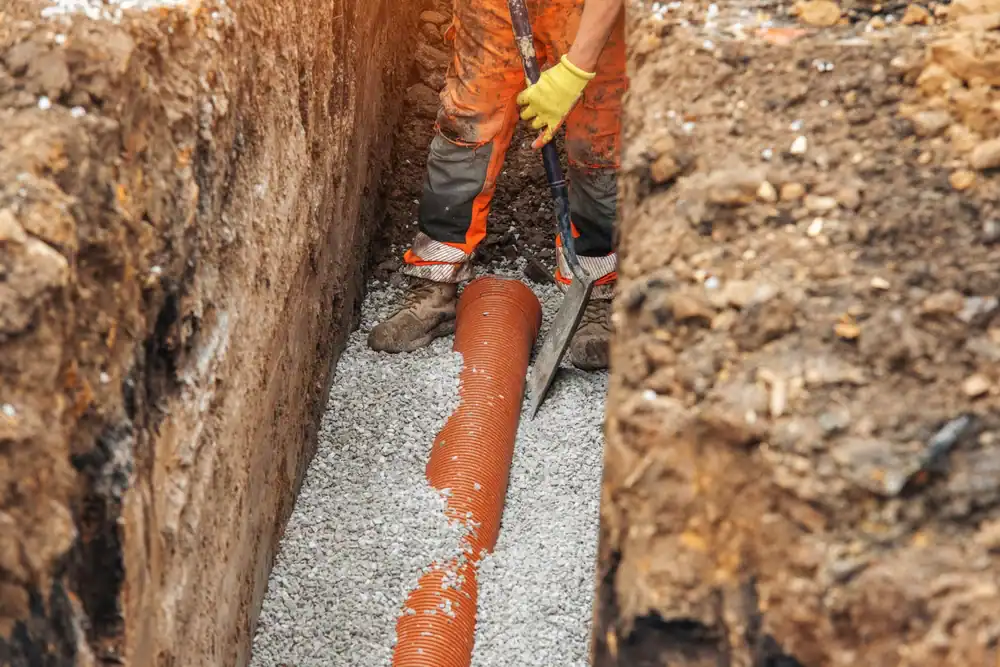
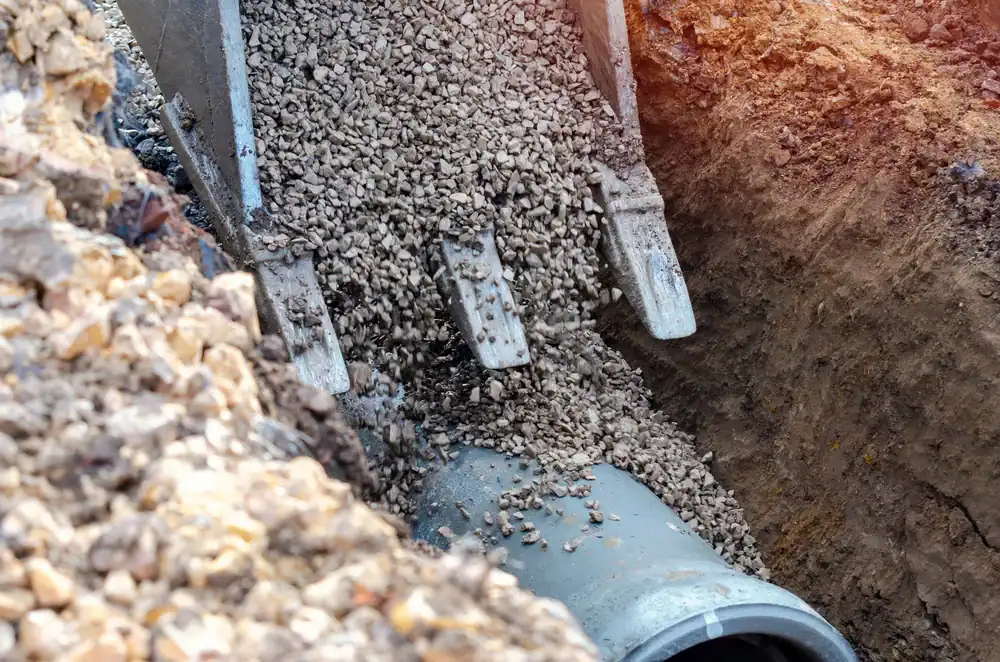
First, we locate your existing line and mark out where we need to dig. That includes finding your cesspool location and mapping the path from your house. We use the right equipment for the job, usually a mini-excavator that lets us work without tearing up your entire yard.
Once we’ve exposed the old line, we remove it and check the trench depth and slope. Your new line needs at least a quarter-inch drop per foot of run. That’s the minimum for gravity to move waste effectively. If the slope is off, waste pools in the line and you get backups. We use levels and laser equipment to make sure the pitch is right before we lay the new pipe.
After the new line is in and connected to both your house and cesspool, we backfill the trench and compact the soil. You’ll see some disruption to your yard, but we work to minimize it and restore the area as close to original condition as possible. The whole process typically takes one to two days depending on distance and site conditions.

Ready to get started?
A line replacement isn’t just digging a trench and dropping in pipe. You’re getting proper trenching and excavation to the right depth, new pipe rated for underground waste lines, and connections that won’t leak or separate over time. The most important part is the slope. Without proper pitch, even a brand-new line will fail.
In Bay Wood and across Suffolk County, soil conditions vary. Some areas have sandy soil that drains well. Others have clay or high water tables that make excavation more complicated. We adjust our approach based on what we find on your property. That might mean deeper trenching, different backfill material, or additional support for the pipe.
Most line failures happen because of improper installation years ago, tree root intrusion, or ground settling that changes the slope over time. When we replace your line, we’re addressing all of those issues. You’re also getting a system that meets current Suffolk County codes, which matters if you ever sell your property or need permits for other work.
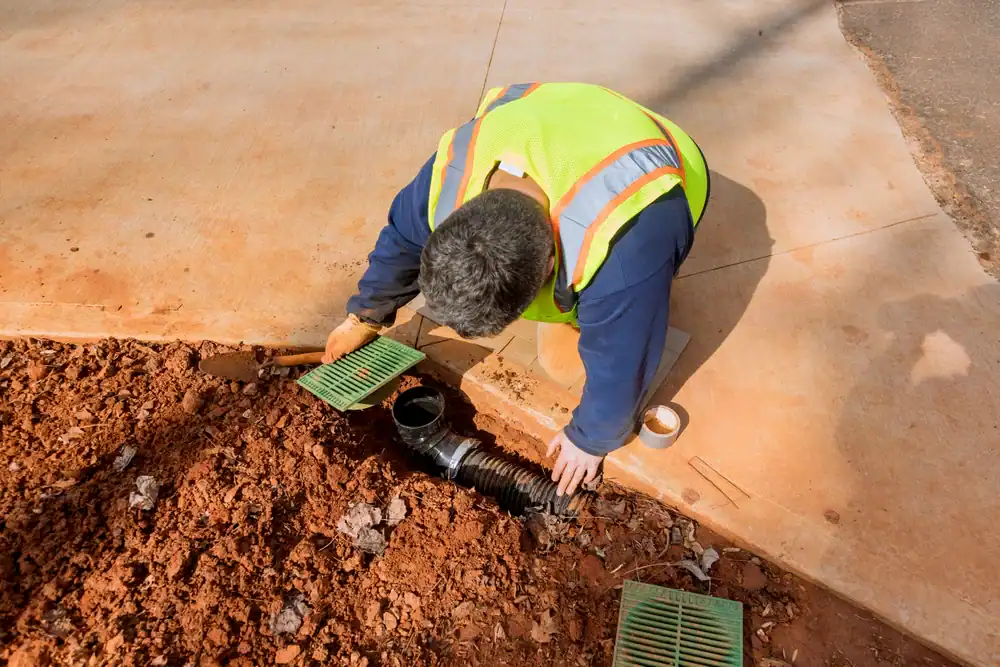
If you’re dealing with a single crack or a small section damaged by tree roots, a repair might work. But if your line is old, has multiple problem areas, or keeps backing up even after repairs, replacement makes more sense. Most homes in Bay Wood were built decades ago with lines that are now at the end of their lifespan.
A repair buys you time, maybe a few years. A replacement solves the problem for the next several decades. We’ll inspect your line and tell you honestly which option makes sense. If a repair will hold up, we’ll say so. If you’re throwing money at a line that’s going to fail again in six months, we’ll tell you that too.
The decision usually comes down to the age and condition of the existing line. If it’s original to a house built in the 1950s or 60s, replacement is almost always the better investment. You avoid repeated service calls and the risk of a major backup that damages your home.
Tree roots are the biggest culprit. They grow into pipes through joints and cracks, looking for water. Once they’re in, they expand and block the line. You’ll notice slow drains and backups that get worse over time. Even if we clear the roots, they grow back unless you replace the damaged section with solid pipe.
Ground settling is another common cause. Over the years, soil shifts and the pipe loses its slope. Waste stops flowing downhill and starts pooling in the line. That leads to clogs and backups. Sometimes the pipe itself just deteriorates, especially older clay or cast iron lines that crack and collapse.
Improper installation is more common than it should be. If the original line wasn’t set at the right pitch or wasn’t bedded properly in the trench, it fails prematurely. We see this a lot with older homes where the work wasn’t done to current standards. Once the line is compromised, small problems turn into big ones fast.
Most residential line replacements take one to two days depending on the distance from your house to the cesspool and site conditions. We’ll need access to your yard for excavation equipment, and you’ll see an open trench while we’re working. We do our best to minimize disruption, but there’s no way around the fact that we’re digging up part of your property.
You can usually continue using your plumbing during the work, though we might ask you to limit water use during certain phases. We’ll let you know ahead of time if there will be any periods where you can’t flush toilets or run water. Once the new line is in and connected, everything goes back to normal immediately.
After we backfill and compact the trench, you’ll have a strip of disturbed soil where we dug. Grass will grow back over time, or you can reseed the area. Some homeowners choose to landscape over it. The important thing is that the line underneath is solid and properly sloped, so you won’t be dealing with this again for decades.
We use mini-excavators and other equipment sized for residential properties, which helps us work in tighter spaces without tearing up more area than necessary. That said, we do need to dig a trench from your house to the cesspool, and that means some disruption. We can’t replace an underground line without excavating.
If your line runs under a driveway, patio, or other hardscape, we’ll need to cut through it to access the pipe. We remove the section we need, do the work, and then restore it. The restoration won’t always look identical to the original, but we make it functional and as close to the original appearance as possible.
Before we start, we’ll walk you through exactly where we need to dig and what areas will be affected. If there are landscaping features, sprinkler lines, or other utilities in the way, we work around them or relocate them temporarily. The goal is to replace your line with the least amount of property damage possible while still doing the job right.
Cost depends on the length of the run, depth of excavation, site conditions, and whether we need to cut through any hardscape. A straightforward replacement with easy access costs less than one that requires extensive digging or working around obstacles. We provide free estimates so you know the price before we start.
Most homeowners are surprised that replacement costs less than they expected, especially when they compare it to repeated repair calls and the risk of sewage backing up into their house. Emergency service costs significantly more than scheduled work, and the damage from a major backup can run into thousands of dollars for cleanup and restoration.
We give you transparent pricing with no hidden fees. The estimate we provide is what you’ll pay unless we run into something unexpected underground, and we’ll discuss that with you before proceeding. You’re making an investment in your property that prevents expensive emergencies and extends the life of your cesspool system by decades.
Suffolk County has specific regulations for cesspool and septic work, and permits are typically required for line replacements. We handle the permit process as part of the job. That includes submitting the necessary paperwork, scheduling inspections, and making sure the work meets local codes.
You don’t need to deal with the county or figure out what permits are required. We’ve been doing this work in Bay Wood and across Suffolk County for nearly twenty years, so we know exactly what’s needed. The permit ensures the work is done to code, which protects you if you ever sell your property or need documentation for insurance purposes.
Some homeowners try to skip permits to save money, but that creates problems down the road. If the work isn’t permitted and inspected, you could face fines or be required to dig everything up and redo it. We do it right the first time, with proper permits and inspections, so you don’t have to worry about it later.
Other Services we provide in Bay Wood