
Hear from Our Customers
You’ve probably already dealt with slow drains, standing water in your yard, or that smell you can’t ignore anymore. Those aren’t minor inconveniences—they’re warnings that your main waste line is failing.
When we replace your sewer line, you’re not just fixing today’s problem. You’re eliminating the cycle of temporary patches and emergency calls that cost more every time. A proper line change means your waste moves the way it should, your yard stays dry, and you stop wondering when the next backup will hit.
Most Brentwood homes were built when cesspools were standard, and many still have the original pipes from decades ago. Those lines weren’t designed to last forever. When they fail, the damage spreads fast—saturated soil, foundation pressure, and contamination that puts your family at risk. Getting ahead of it now saves you from dealing with structural repairs later.
We’ve been handling cesspool and sewer line work across Long Island for nearly two decades. This isn’t a side service for us—it’s what our family has done for four generations.
Brentwood’s sandy soil and high water table create specific challenges that out-of-town crews don’t always understand. We know how deep to trench, how to manage drainage during excavation, and what it takes to connect a new line to your cesspool without creating new problems down the road.
You’re not getting a sales pitch or a crew that’s learning on your property. You’re getting licensed professionals who’ve seen every type of line failure this area throws at us—and know exactly how to fix it.
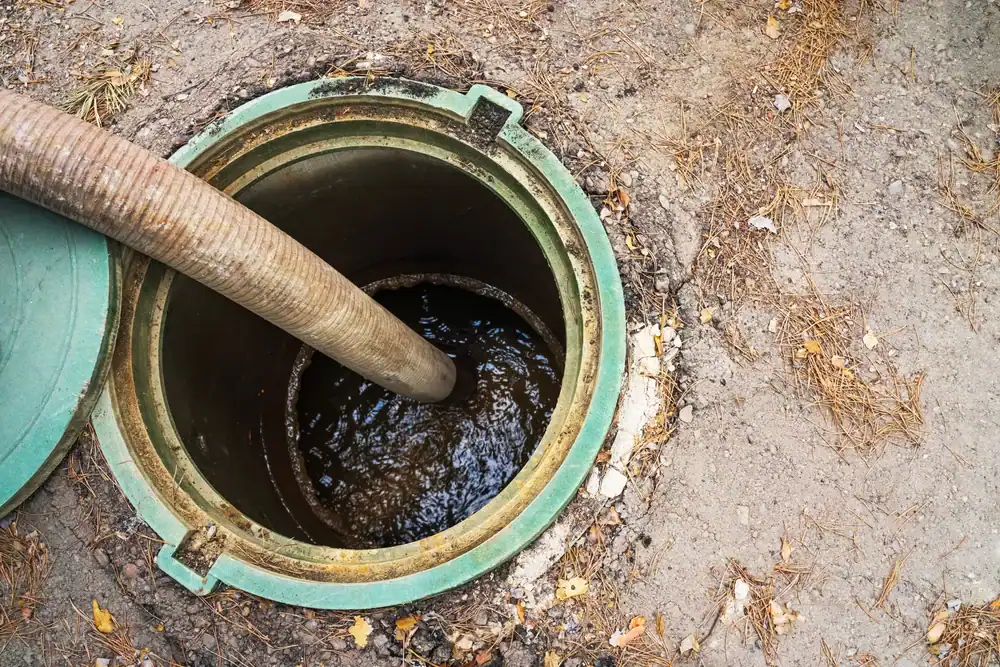
We start with an assessment of your existing system. That means locating your cesspool, mapping where your current line runs, and identifying why it failed. Tree roots account for about 60% of the sewer line problems we see—they grow 20 to 30 feet searching for water, and once they’re inside your pipe, they don’t stop.
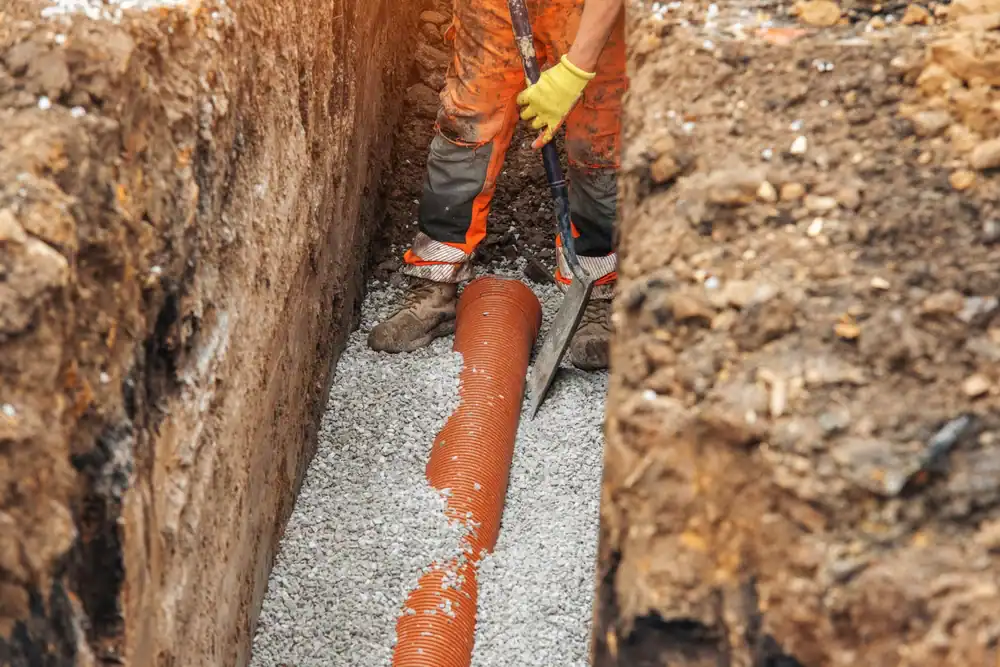
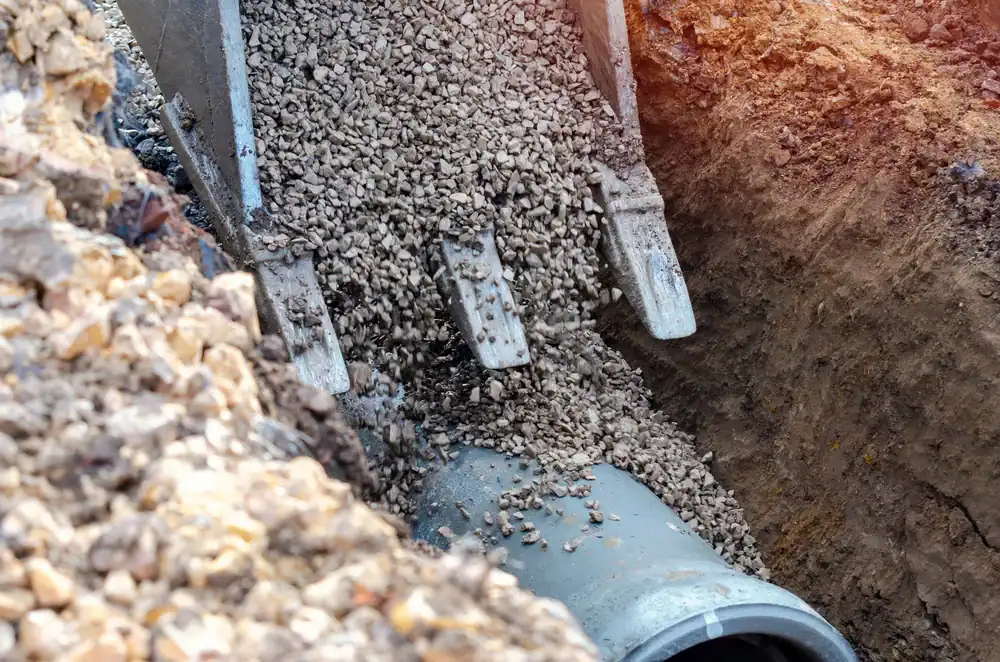
Next comes trenching and excavation. We dig down to expose the failed section, remove the old pipe, and prepare the trench for the new line. This is where proper slope matters. Your sewer line needs at least a quarter-inch drop per foot of run—steep enough that water and solids move together, but not so steep that water outruns waste and leaves it sitting in the pipe.
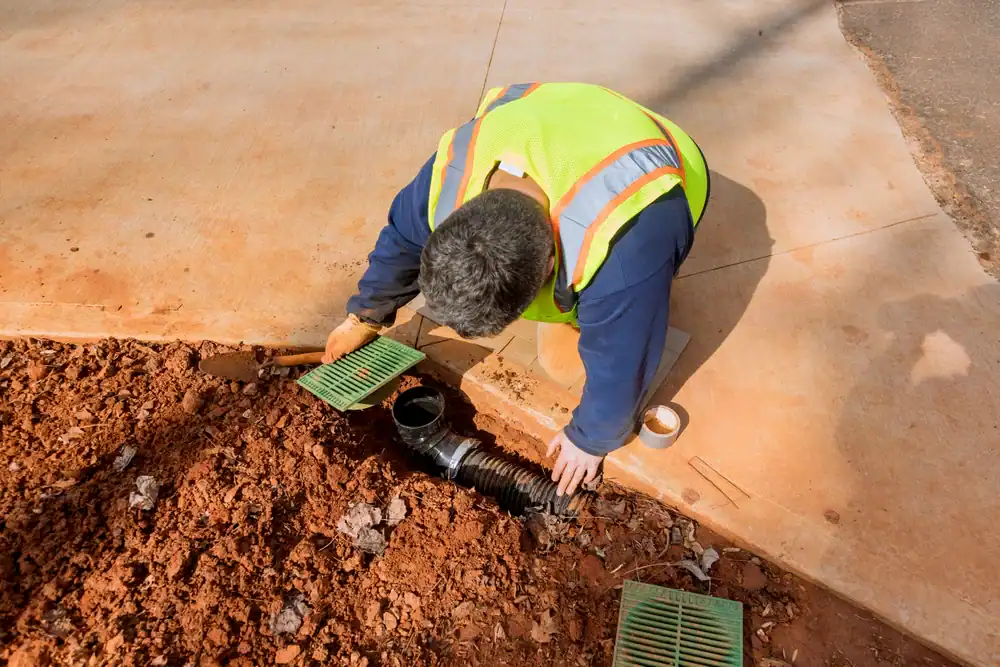
Once the new line is in and connected to your cesspool, we backfill the trench and restore your yard. The whole process typically takes one to three days depending on the length of the run and site conditions. You’ll know the timeline upfront, and we’ll walk you through what to expect at each stage.
Ready to get started?
A line change isn’t just about swapping out old pipe. It’s about correcting the issues that caused the failure in the first place—usually improper slope, root intrusion, or ground settling that created low spots where waste collects.
We handle the full scope: excavation, pipe removal, new line installation with proper pitch, secure connection to your cesspool, and site restoration. You’re also getting compliance with local building codes, which matters if you ever sell your home. Mortgage lenders require cesspool inspections before closing, and a failed or improperly installed line will hold up the sale.
In Brentwood and across Suffolk County, about 75% of homes still rely on cesspools. That’s a lot of aging infrastructure. Many of those systems are reaching the end of their functional life, and when they fail, the cost jumps fast. Emergency repairs average around $1,775, but if the damage spreads to your foundation or requires a full system replacement, you’re looking at $7,000 to $20,000 or more. Fixing the line before it gets to that point is the move.
It depends on how much of the line is damaged and what caused the failure. If you’ve got a single crack or a localized root intrusion, a spot repair might be enough. But if the pipe has multiple breaks, severe root damage along the length of the run, or improper slope that’s causing repeated backups, replacement is the smarter call.
We don’t push replacement if repair will actually solve the problem. But we also won’t patch something that’s going to fail again in six months. During the assessment, we’ll tell you what we’re seeing, what your options are, and what each one costs. Most of the time, if the line has failed in more than one spot or if it’s original to a home built in the ’50s or ’60s, replacement is the only way to stop the cycle.
Tree roots are the biggest culprit. Once they’re inside the pipe, they keep growing and create blockages that turn into full line failures. You can clear the roots temporarily, but they’ll come back unless you replace the line with root-resistant material and fix the entry points.
A line change typically runs a few thousand dollars depending on the length and site conditions. An emergency repair after a major backup averages $1,775—but that’s just for the immediate fix. It doesn’t include cleanup, which can hit $3,000 to $7,000 if sewage backs up into your home.
If the problem spreads to your foundation, you’re adding structural repairs on top of everything else. Ground saturated with sewage creates pressure against basement walls, leading to cracks, leaks, and settling that affects your entire home. That’s when costs jump into the five-figure range.
The other factor is time. When your system backs up, you can’t wait for regular business hours. Emergency calls during nights, weekends, or holidays come with premium rates. If you’re dealing with a line that’s showing signs of failure—slow drains, wet spots in the yard, recurring clogs—getting it replaced on your schedule costs a lot less than waiting for it to blow out at the worst possible time.
Most residential line changes take one to three days from start to finish. That includes excavation, removing the old pipe, installing the new line with proper slope, connecting it to your cesspool, backfilling the trench, and restoring your yard.
The timeline depends on a few things: how long the run is, how deep we need to dig, and what we run into during excavation. Brentwood’s sandy soil is easier to work with than clay or rock, but the high water table means we sometimes need to manage groundwater during the dig. If we hit unexpected obstacles—like old utility lines or large roots—it can add time.
You’ll have access to your plumbing again as soon as the new line is connected and tested. We don’t leave a job half-finished or drag it out longer than necessary. Before we start, we’ll give you a clear timeline based on your specific site conditions, and we’ll keep you updated if anything changes during the work.
Not really. If your line doesn’t have the right pitch, it’s because the pipe was installed incorrectly or the ground has settled over time. Either way, fixing the slope means excavating, adjusting the grade, and reinstalling the pipe—which is essentially a replacement.
Proper slope is critical. Your sewer line needs at least a quarter-inch drop per foot so gravity moves waste and water together. If the slope is too shallow, water drains but solids settle and create clogs. If it’s too steep, water outruns the waste and leaves it sitting in the pipe. Both scenarios lead to backups, and both require regrading the line.
There’s no shortcut here. You can’t just add pitch to a section without affecting the rest of the run. The whole line needs to be graded correctly from your house to the cesspool. That’s why most slope issues end up requiring a full line change—it’s the only way to get it right and make sure it stays that way.
We’ll need to dig a trench from your house to your cesspool, which means some disruption to your lawn or landscaping. The trench is typically about two feet wide and deep enough to reach the existing line—usually three to six feet depending on how your system was installed.
We do our best to minimize the footprint and avoid unnecessary damage. Once the new line is in and connected, we backfill the trench and grade it so water drains properly. Your yard won’t look perfect immediately after we’re done, but it’ll settle over the next few weeks. You can reseed or replant once the ground has compacted.
If you’ve got specific concerns—like a garden bed or hardscape in the way—let us know during the assessment. We’ll map out the best route for the new line and talk through what to expect. The goal is to get your sewer line working again with as little disruption as possible, but there’s no way to do this work without some temporary impact to your yard.
Yes. Any work that involves excavation and connection to your cesspool requires permits from the Town of Islip and compliance with Suffolk County health codes. We handle the permit process as part of the job—you don’t need to deal with it yourself.
Permits exist for a reason. They ensure the work is done to code, the new line is installed at the correct depth and slope, and the connection to your cesspool is secure and safe. If you ever sell your home, having permitted work on record protects you during the inspection process. Buyers and lenders want to see that major system work was done legally and correctly.
Some contractors skip permits to save time or cut costs. That’s a red flag. If the work isn’t permitted and something goes wrong later, you’re the one who’s liable. We pull permits for every job, and we make sure the final inspection passes before we consider the work complete.
Other Services we provide in Brentwood