
Hear from Our Customers
You stop worrying about sewage backing up during family gatherings. You stop calling emergency services at midnight because your toilets won’t flush. You stop watching cesspool trucks pull into your driveway every few months because something’s always wrong.
Proper line changes fix the root problem—not just the symptom. If your sewer line has a belly where waste collects, or if the pipe was installed with the wrong slope, gravity can’t do its job. Water sits. Solids build up. Backups happen.
We dig down, correct the pitch to at least 1/4 inch per foot, and reconnect everything so your main waste line flows straight into your cesspool without hesitation. That’s what stops the cycle of constant repairs and lets you use your plumbing like you’re supposed to.
We’ve been maintaining and repairing septic systems in Centerport, NY for more than 10 years. We know the soil here. We know the regulations. We know what fails and why.
Most homes in Centerport still run on cesspools because that’s what was standard when these houses were built. They work fine if they’re maintained right—but the lines connecting to them need to be installed correctly, or you’ll have problems no amount of pumping can fix.
We’re available 24/7 because we know emergencies don’t wait for business hours. And we’re not here to upsell you on services you don’t need. If your lines can be repaired, we’ll tell you. If they need to be replaced, we’ll explain why.
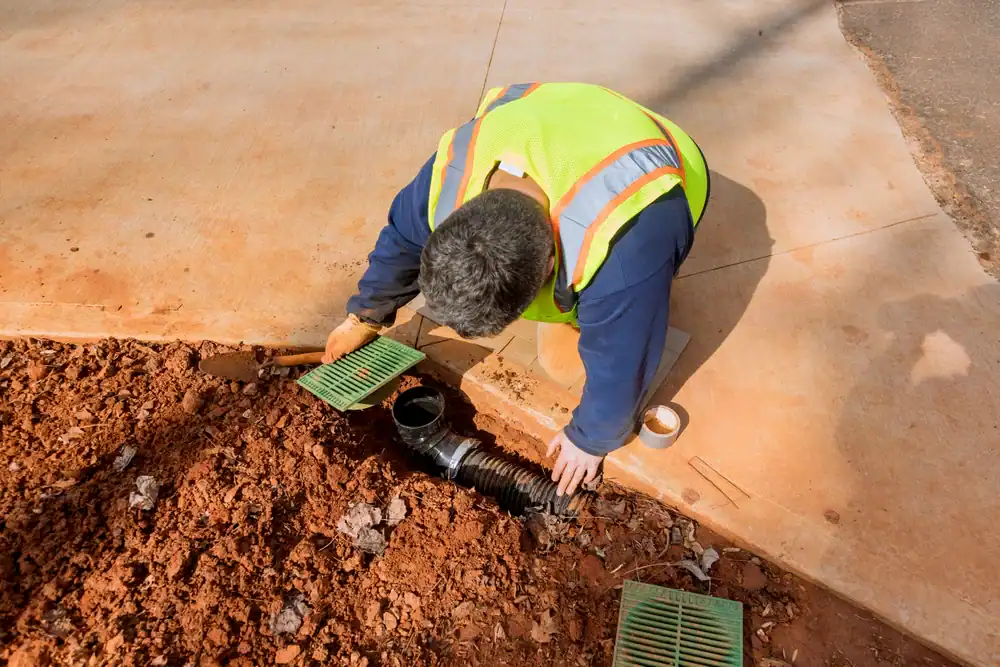
First, we locate your existing main waste line and cesspool to map out the work. We mark utilities so nothing gets damaged during excavation. Then we dig the trench—usually four to six feet down, depending on your system.
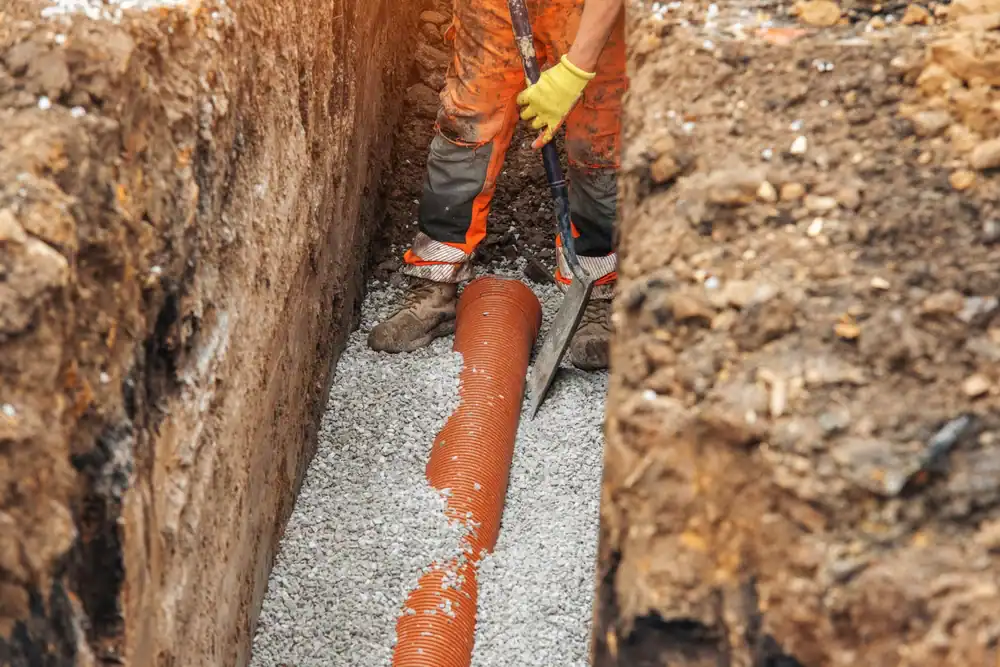
Once we’re down to the pipe, we assess the damage. If there’s a belly in the line or the slope is off, we remove that section and re-grade the trench. The new pipe gets installed at the correct pitch—1/4 inch per foot minimum for a 6-inch line, which is about one foot of drop over a fifty-foot run.
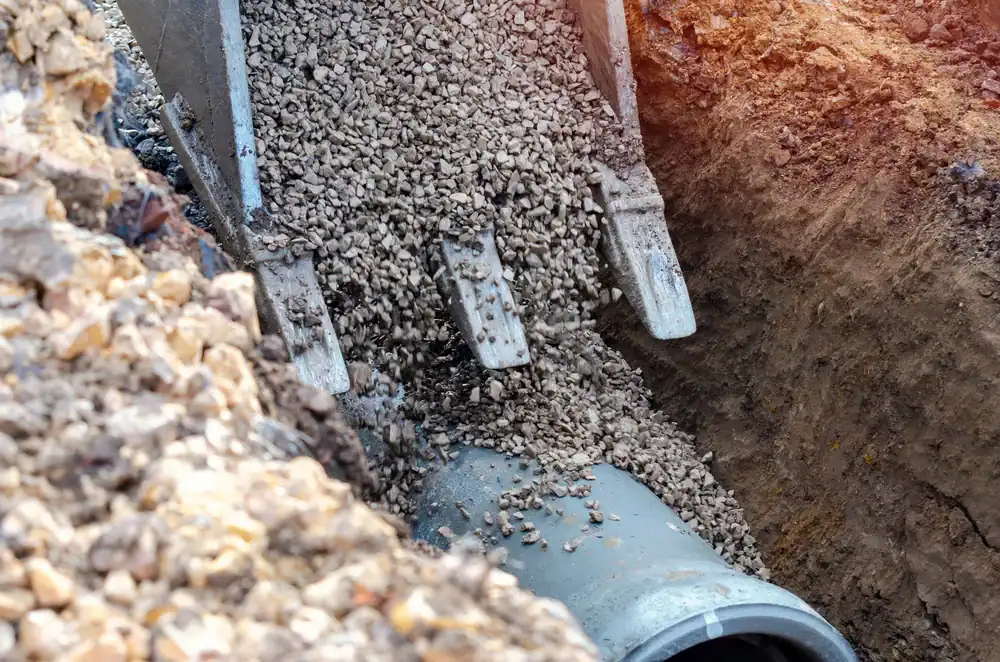
After the pipe is set, we connect it to your cesspool with proper fittings that won’t leak or separate over time. We backfill the trench, compact the soil, and test the system to make sure everything drains the way it should. You’re left with a waste line that works like it’s supposed to—and a yard that gets restored as close to original condition as possible.
Ready to get started?
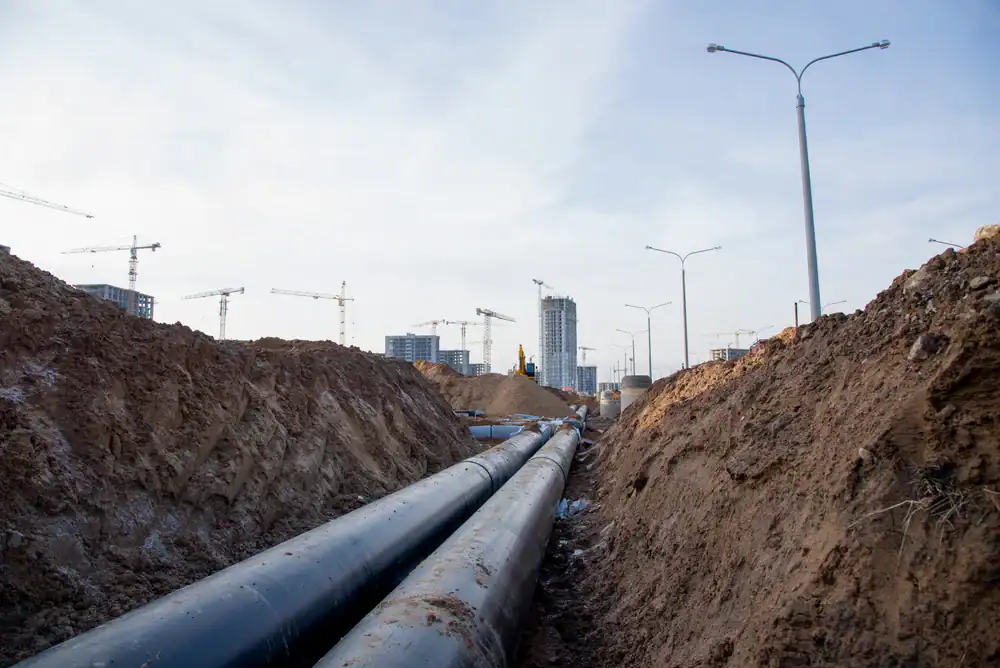
You get professional trenching that doesn’t tear up your entire yard. We use the right equipment for the job—sometimes that’s traditional excavation, sometimes it’s trenchless methods that minimize disruption. Either way, we’re not guessing where to dig.
The work includes removing old, damaged pipe and installing new lines with the correct slope. We handle the connection between your main waste line and cesspool so it’s sealed properly and won’t leak contaminants into the ground. That matters in Centerport because Long Island’s drinking water comes entirely from underground aquifers, and your cesspool sits in sandy soil that doesn’t filter much on its own.
We also pull permits and make sure everything meets Suffolk County code. As of July 2019, the county closed the loophole that let homeowners replace old cesspools with new ones. If your system fails now, you have to upgrade to a modern septic system—but if your cesspool is still functional and the lines are the problem, fixing those lines is a lot cheaper than a full system replacement.
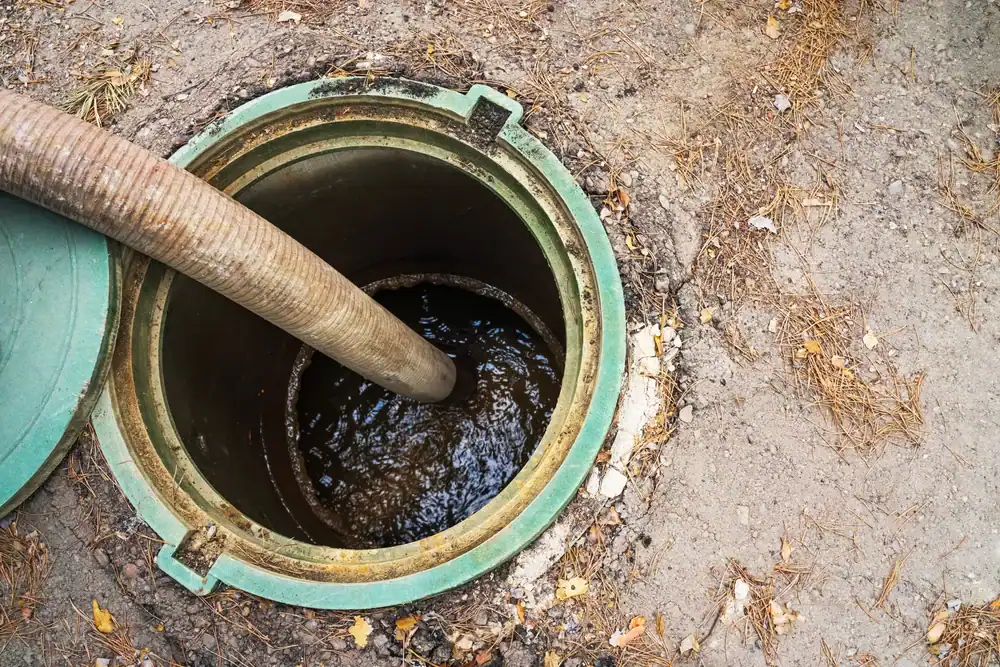
If you’re pumping your cesspool every few months and still dealing with slow drains or backups, the problem isn’t the cesspool—it’s the lines feeding into it. Pumping removes what’s already in the tank, but it doesn’t fix a pipe that’s sagging or sloped wrong.
You’ll know it’s a line problem if you notice sewage backing up into your house even after a recent pump-out. Or if one area of your yard is always soggy and smells like sewage. That usually means the pipe has a crack or the connection to the cesspool is failing.
Most Centerport homes need cesspool pumping every 2-3 years under normal conditions. If you’re calling for service more often than that, or if you’re seeing the same issues come back right after pumping, it’s time to have someone look at your lines.
Soil settlement is the main culprit. Long Island sits on sandy soil, and over decades that soil shifts and compacts. If the trench wasn’t backfilled properly when the line was first installed, the pipe can sink in spots and create a belly—a low point where waste collects instead of flowing through.
Tree roots can also push pipes out of alignment. If you have older trees near your waste lines, their roots can wrap around the pipe and shift it over time. Freezing and thawing cycles don’t help either, especially if the pipe wasn’t buried deep enough to stay below the frost line.
The minimum slope for a sewer line is 1/4 inch per foot. Anything less than that and gravity can’t move waste effectively. When we do line changes, we re-grade the trench to restore that slope so your system drains the way it was designed to.
In some cases, yes. If the damage is localized to one section of pipe, we can use trenchless repair methods that only require small access points. We dig at the entry and exit points, then use specialized equipment to pull new pipe through the existing path. Your lawn stays mostly intact.
But if the entire line needs to be replaced, or if the slope is off along the whole run, we have to dig a full trench. There’s no way around it—you can’t fix a pitch problem without physically re-grading the trench and resetting the pipe.
The good news is we’re not careless about it. We map out the shortest, least disruptive path. We restore your yard after the work is done. And we’re fast—most line change jobs are completed in a day or two, depending on the length of the run and what we find when we dig.
Suffolk County changed the rules in July 2019. If your cesspool fails now, you can’t install a new cesspool—you have to upgrade to a modern septic system that meets current standards. That’s a bigger job and a bigger expense, usually between $8,000 and $15,000 for a complete system replacement.
But here’s the thing: if your cesspool is still functional and the problem is just the lines feeding into it, fixing those lines can extend the life of your system for years. That’s a lot cheaper than a full replacement, and it buys you time before you have to deal with the upgrade.
There’s also grant money available. Suffolk County residents can get up to $10,000 in base grants for septic upgrades, with additional funding that can bring the total to $30,000 for nitrogen-reducing systems. If you do end up needing a full replacement, those grants make it more affordable.
Most jobs take one to two days, depending on the length of the run and how deep we need to dig. If we’re replacing a fifty-foot section of pipe with straightforward access, that’s usually a one-day job. If there are obstacles like driveways, landscaping, or utility lines in the way, it might take longer.
We start by locating and marking everything underground so we don’t hit water lines, electric, or gas. Then we excavate, remove the old pipe, install the new line at the correct slope, connect it to your cesspool, backfill the trench, and test the system. The actual pipe work goes fast—it’s the prep and cleanup that take time.
You’ll be able to use your plumbing again as soon as we’re done and the system tests clean. We don’t leave a job until we know everything is draining properly and your waste line is connected the right way.
Gravity is the only thing moving waste through your sewer line. If the pipe doesn’t have enough slope, waste sits in the line instead of flowing into the cesspool. Solids settle. Water backs up. Eventually, you get a clog that no amount of snaking or jetting will fix because the problem isn’t a blockage—it’s the pipe itself.
The minimum pitch is 1/4 inch per foot, which means a fifty-foot run needs to drop at least 12.5 inches from the house to the cesspool. That’s enough slope for gravity to keep waste moving without letting water run so fast that it leaves solids behind.
If your line was installed with less slope than that—or if the slope has changed over time because of soil settlement—you’ll keep having problems until the pitch is corrected. That’s what line changes fix. We dig down, reset the pipe at the right angle, and give your system the slope it needs to work.
Other Services we provide in Centerport