
Hear from Our Customers
No more standing water in your shower. No sewage smell in your yard. No panic when you flush.
When your main waste line is pitched correctly and your sewer line connects to your cesspool without leaks or root intrusion, your system drains the way it’s supposed to. You’re not calling for emergency pumping every few months. You’re not dealing with backups that flood your basement or create health hazards on your property.
A proper line change means your wastewater moves from your house to your cesspool efficiently. It means the pipe slope is correct so nothing sits stagnant. It means joints are sealed, trenching is done right, and you’re not replacing the same failing section two years from now.
That’s what you’re paying for—a system that works without constant intervention. Most homes in Central Islip with original 1950s cast iron lines are on borrowed time. If your pipes are back-pitched, cracked, or invaded by tree roots, a repair won’t cut it. You need a replacement that actually solves the problem.
We’ve spent over a decade working on Suffolk County cesspool systems. We know the soil conditions here. We know the water table issues. We know which pipes fail first in Central Islip and why.
Most of the properties we work on have older systems—homes built in the 50s and 60s with cast iron lines that corrode faster because of the salt air. We’ve seen what happens when a line is installed without proper pitch. We’ve dug up connections that were never sealed correctly in the first place.
You’re not getting a crew that learned about cesspools from a manual. You’re getting licensed professionals who’ve handled hundreds of line changes in this exact area, who understand Suffolk County Health Department requirements, and who show up with the right equipment to do the job without tearing up half your yard.
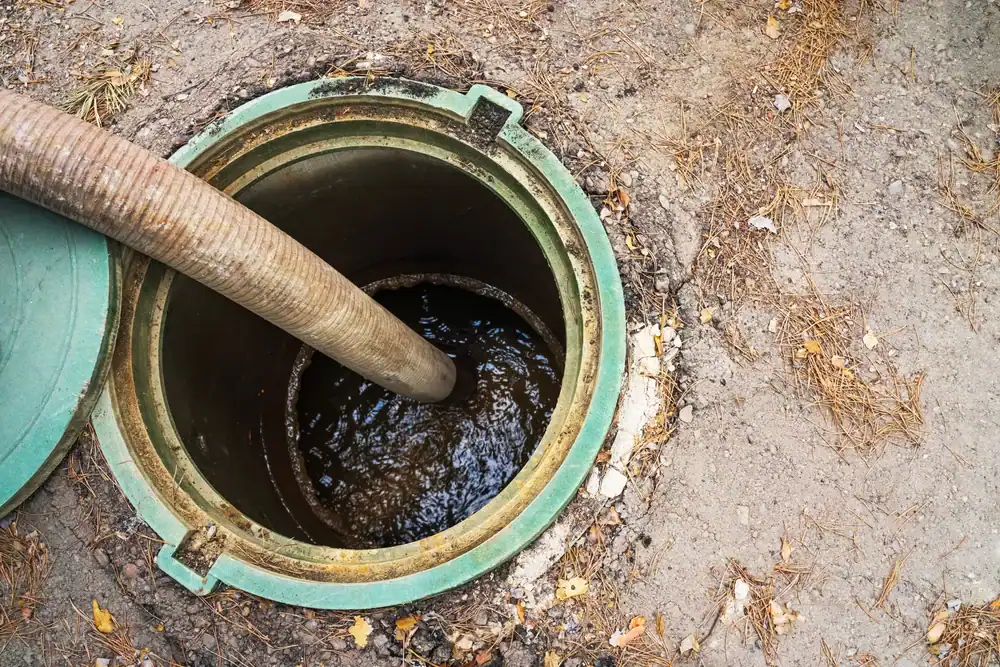
First, we inspect your line—usually with a camera—to see exactly where the problem is. Could be root intrusion, could be a collapsed section, could be a pitch issue where the pipe slopes the wrong direction. You need to know what you’re dealing with before anyone starts digging.
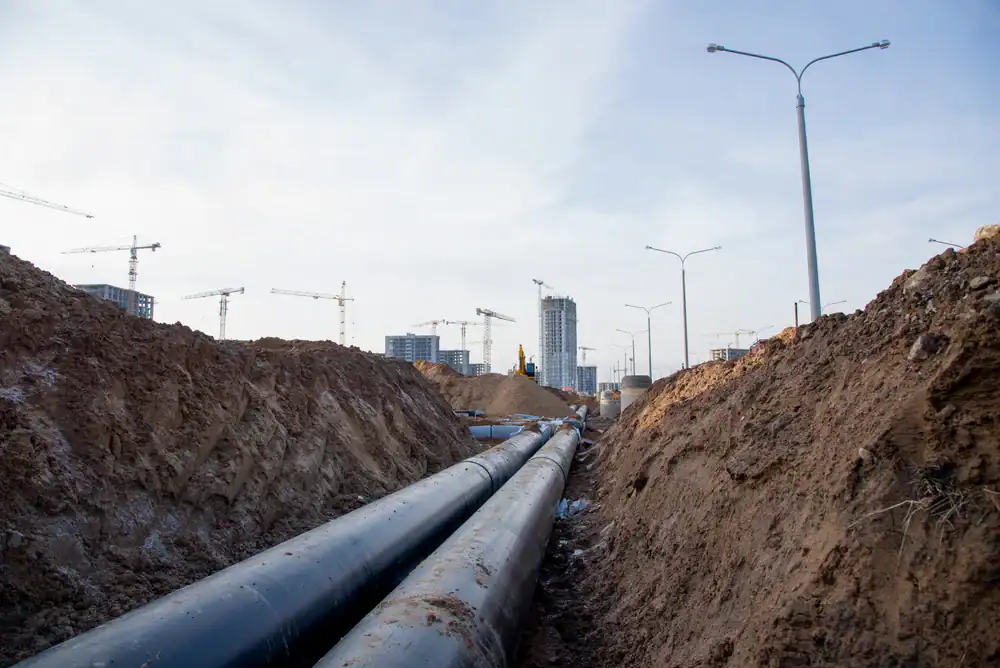
Once we’ve identified the problem, we map out the work. If it’s a full main waste line replacement, we’re trenching from your house to your cesspool. If it’s a section that failed, we’re replacing that portion and making sure the new pipe connects properly on both ends. Depth matters. Slope matters. If the pitch isn’t right, you’ll have the same backup problem six months later.
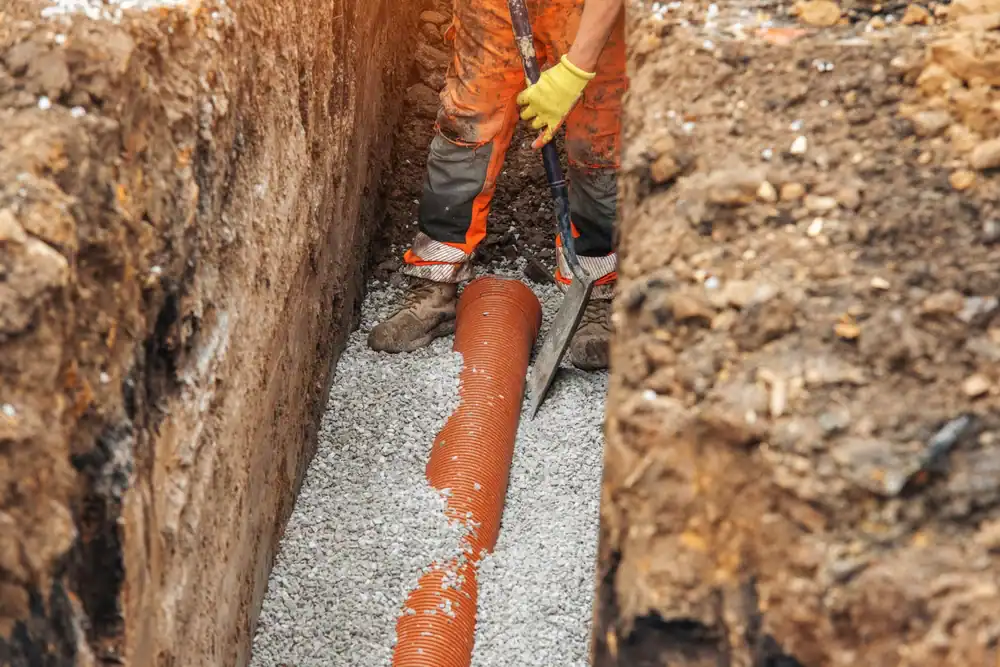
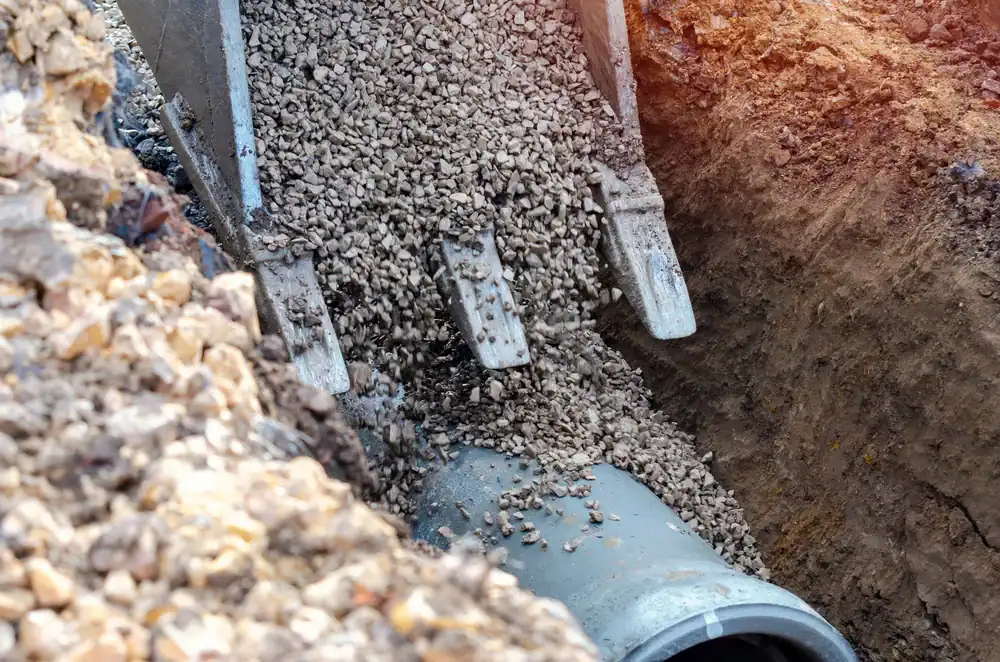
We excavate carefully—especially if you’ve got a driveway, landscaping, or utilities in the way. The old pipe comes out. The new line goes in, sloped correctly so wastewater flows downhill without sitting in the pipe. We backfill, compact, and restore your property as close to original condition as possible.
After the line is in, we test it. You’re not paying for something that might work. You’re paying for a system that does work, and we make sure of that before we leave.
Ready to get started?
You’re getting a full line change—not a patch job. That means excavation, removal of the old pipe, installation of new pipe with proper pitch and slope, and backfill that won’t settle and create a trench in your yard.
If tree roots caused the failure, we’re removing those too. If the connection to your cesspool is compromised, we’re resealing or replacing that joint. If your line is back-pitched and causing chronic backups, we’re correcting the slope so gravity does its job.
Central Islip properties deal with sandy soil that shifts, especially after heavy rain. We account for that when we backfill and compact. You’re also dealing with a high water table in some areas, which affects how deep we can trench and what materials we use. A crew that doesn’t understand Long Island soil conditions will install a line that fails again in a few years.
We also handle permits and inspections if your job requires them. Suffolk County has specific regulations for cesspool work, and we know what’s required. You’re not figuring that out on your own.
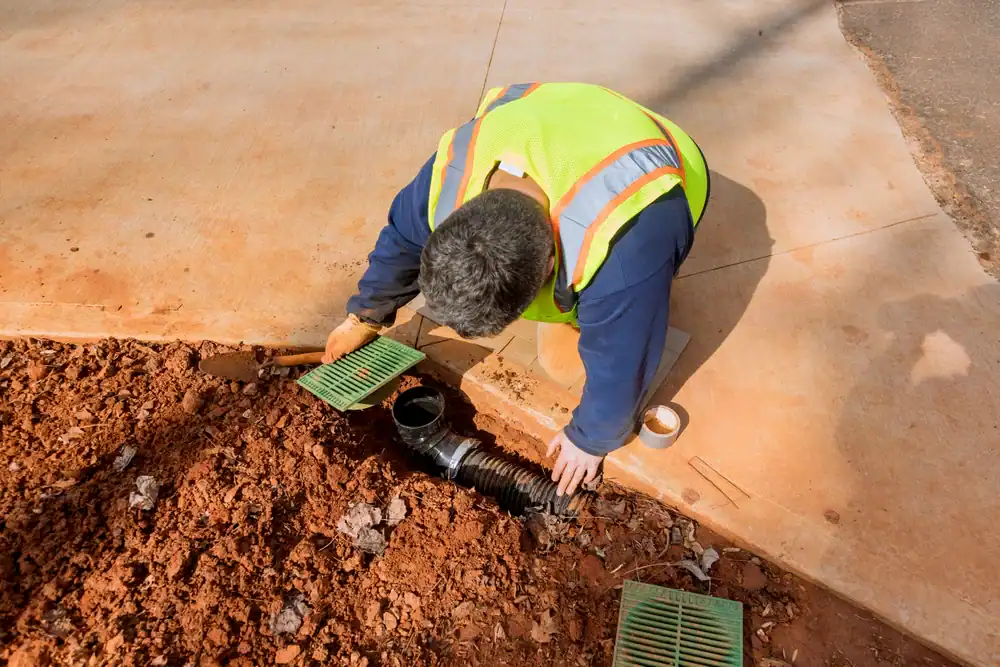
Line replacement typically runs $60 to $250 per linear foot, depending on the depth, soil conditions, and how much trenching is involved. If you’re replacing a 50-foot section, you’re looking at $3,000 to $12,500. If it’s a full main waste line from your house to your cesspool, costs go up based on distance and obstacles like driveways or landscaping.
Labor is a big part of the cost—usually $45 to $200 per hour depending on the complexity. Trenching alone adds $4 to $12 per linear foot. If we need to remove tree roots, repair a cesspool connection, or work around utilities, that affects the price.
What you’re really paying for is a line that won’t fail again in five years. Cheap installations skip steps—improper slope, poor backfill, weak joints. You save money upfront and spend twice as much fixing it later. A proper line change costs more because it’s done right the first time.
Tree roots cause about 60% of line failures. Roots grow toward water sources, and your sewer line is a magnet. They infiltrate through joints and cracks, then expand and block the pipe. Once roots are in, they keep growing until the line is completely clogged or collapses.
Aging pipes are the other major issue. Most Central Islip homes built before the 1970s have cast iron lines, and those corrode over time—especially in coastal areas where salt air accelerates rust. After 50 to 75 years, those pipes start cracking, collapsing, or developing holes that leak wastewater into your yard.
Ground shifting is also a problem here. Sandy Long Island soil moves after heavy rain or freeze-thaw cycles. That movement cracks pipe joints or disconnects sections entirely. If your line was installed without proper bedding or backfill, it’s even more vulnerable. You’ll see backups, slow drains, or sewage odors in your yard when the line starts failing.
No. If your pipe is sloped the wrong direction, a repair won’t fix that. Back-pitched lines need to be replaced so the new pipe is installed with the correct slope—downhill from your house to your cesspool.
Pipe pitch matters because gravity moves wastewater. If the line slopes backward, even slightly, wastewater sits in the pipe instead of draining. That causes chronic backups, slow drains, and eventually a full blockage. You can pump it out or snake it temporarily, but the problem comes back because the pitch is wrong.
Replacing the line means excavating the old pipe and installing a new one at the proper grade—usually a quarter inch of drop per foot of pipe. That ensures wastewater flows without sitting stagnant. It’s not a cheap fix, but it’s the only fix that actually works. Anything else is just delaying the inevitable.
Most residential line changes take one to three days, depending on the length of the line, soil conditions, and obstacles like driveways or landscaping. A straightforward 30-foot replacement with easy access might be done in a day. A 100-foot main waste line replacement with trenching under a driveway could take three days or more.
Weather affects the timeline too. If it’s been raining and the ground is saturated, excavation takes longer and we need to be more careful with backfill and compaction. Frozen ground in winter slows things down. Dry conditions in summer make digging easier.
You’ll have limited water use during the work—no showers, laundry, or dishwasher while the line is disconnected. We work as quickly as possible to minimize disruption, but we’re not rushing through steps that matter. A line installed too fast is a line that fails too soon.
It depends on the scope of work. If you’re replacing a section of pipe on your property that connects to your cesspool, you usually don’t need a permit. If you’re doing a full main waste line replacement or altering the cesspool connection, Suffolk County may require a permit and inspection.
We handle permit applications if your job requires one. The Suffolk County Health Department regulates cesspool and septic work, and they have specific requirements for pipe depth, materials, and connections. If you’re in a flood zone or near wetlands, additional permits might be needed.
Skipping permits when they’re required creates problems if you ever sell your property. Unpermitted work shows up during inspections and can delay or kill a sale. It’s easier to do it right the first time than to fix it later when a buyer’s attorney is asking questions.
Traditional replacement means excavating a trench, removing the old pipe, and installing a new one. It’s invasive—your yard gets dug up, and if the line runs under a driveway or landscaping, that gets torn up too. But it’s also thorough. We see exactly what we’re working with, and we can fix any issues with the cesspool connection or surrounding soil.
Trenchless methods like pipe bursting or lining require less digging. A new pipe is pulled through the old one, or a liner is inserted and inflated to create a new pipe inside the existing one. It’s faster and less disruptive, but it only works if the old pipe is still mostly intact. If your line has collapsed, is severely back-pitched, or has major root intrusion, trenchless won’t solve the problem.
Most Central Islip properties with failing lines need traditional replacement because the pipes are too far gone for trenchless methods. If your line qualifies for trenchless, we’ll tell you. But we’re not going to recommend a method that won’t hold up just because it’s easier.
Other Services we provide in Central Islip