
Hear from Our Customers
You know something’s wrong when water backs up from multiple drains, or you’re hearing gurgling from your toilet every time someone showers upstairs. Maybe you’ve already had one company out who gave you a quote that made your stomach drop, or worse—told you they’d need to dig up half your yard just to figure out what’s actually broken.
Line changes aren’t about ripping everything out and starting over unless that’s truly what your system needs. Most of the time, it’s a section of pipe that’s failed—cracked from shifting soil, crushed by roots, or corroded from decades of use. The goal is to replace what’s damaged, restore proper pitch and slope so waste actually flows downhill, and get your system working again without tearing apart more of your property than necessary.
When it’s done right, your drains work like they should. No slow drainage. No sewage smells in the basement. No panic every time someone flushes. Just a system that does its job quietly, the way it was supposed to from the start.
We’ve handled cesspool systems throughout Cold Spring Harbor and the surrounding Suffolk County area long enough to know what works in your soil and what doesn’t. Sandy soil that shifts. Salt air that corrodes copper faster than you’d expect. Freeze-thaw cycles that crack poorly installed pipes. We’ve seen it all.
When you call us, you’re not getting a sales pitch. You’re getting an honest assessment of what’s failing, why it’s failing, and what it’ll take to fix it. If your line can be repaired, we’ll tell you. If it needs full replacement, we’ll explain why and walk you through what that actually involves—permits, excavation, timeline, cost.
We’re available 24/7 because pipe failures don’t wait for business hours, and sewage backing into your home is a health hazard that needs immediate attention.
First, we need to figure out where the problem is. That usually means a camera inspection to see what’s happening underground—whether it’s a crack, a collapse, root intrusion, or a section that’s lost its pitch. You’ll see exactly what we’re looking at, and we’ll explain what needs to happen next.
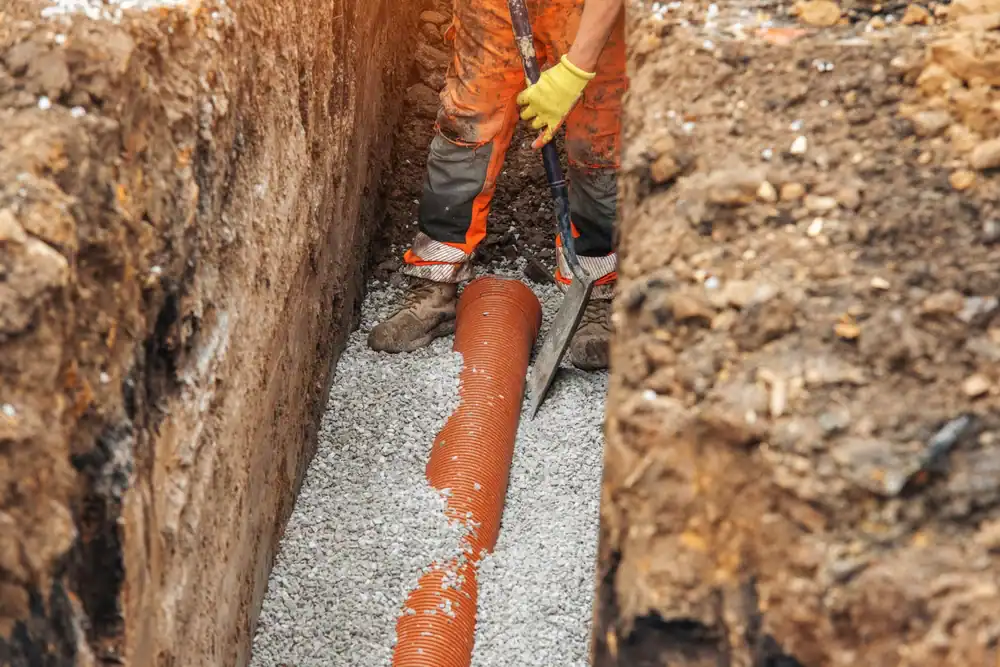
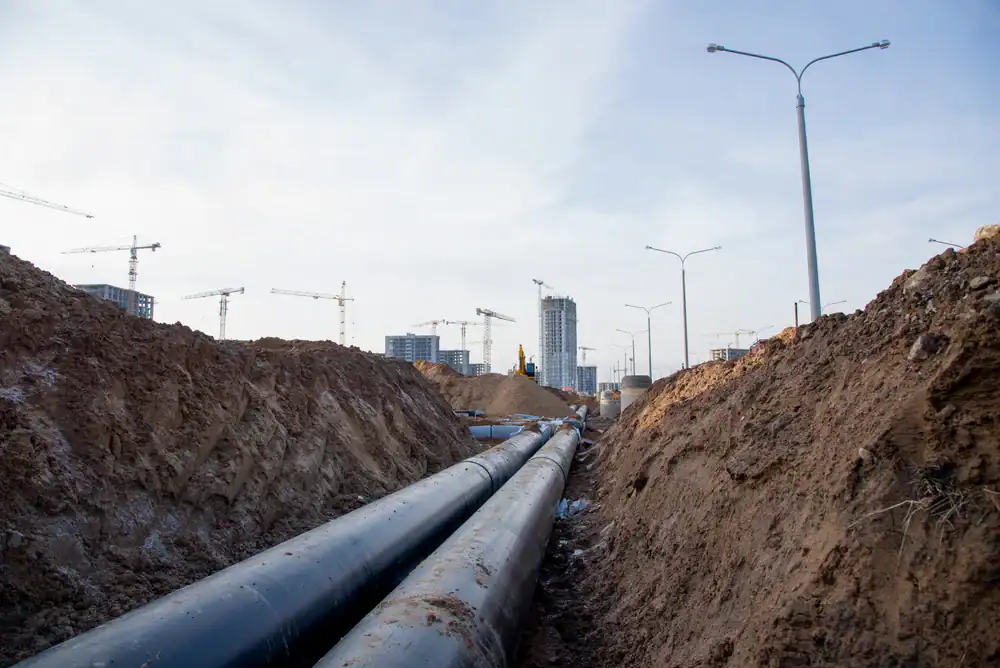
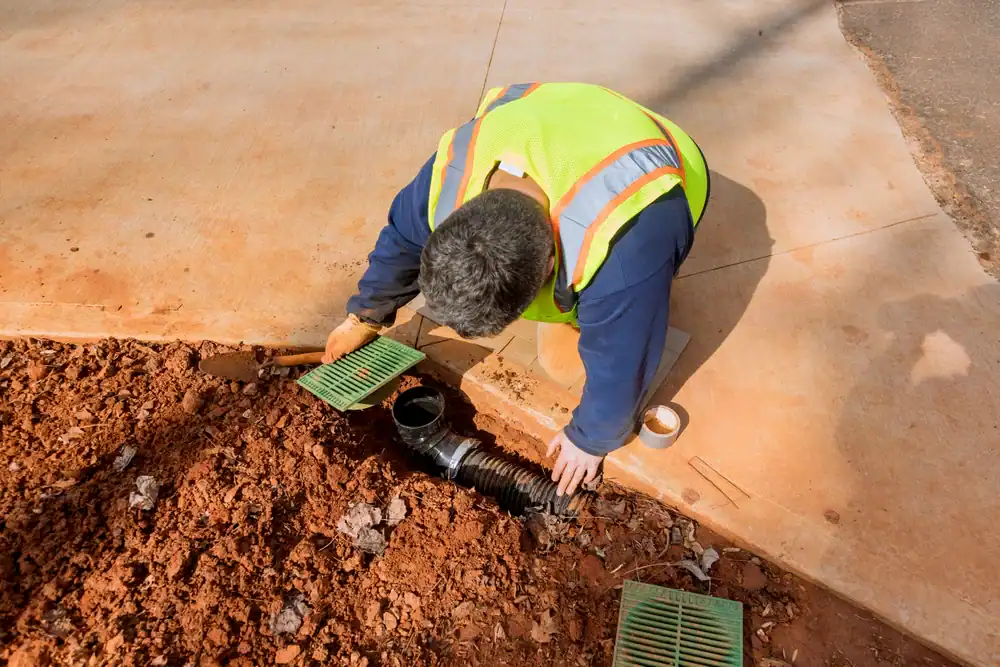
If you need line changes, we’re pulling permits and coordinating with the local health department before we touch a shovel. Then comes trenching and excavation—we dig down to the damaged section, remove the failed pipe, and install new lines with proper pitch and slope so everything drains correctly toward your cesspool. Depending on your soil conditions and how deep the line runs, this typically takes a couple of days.
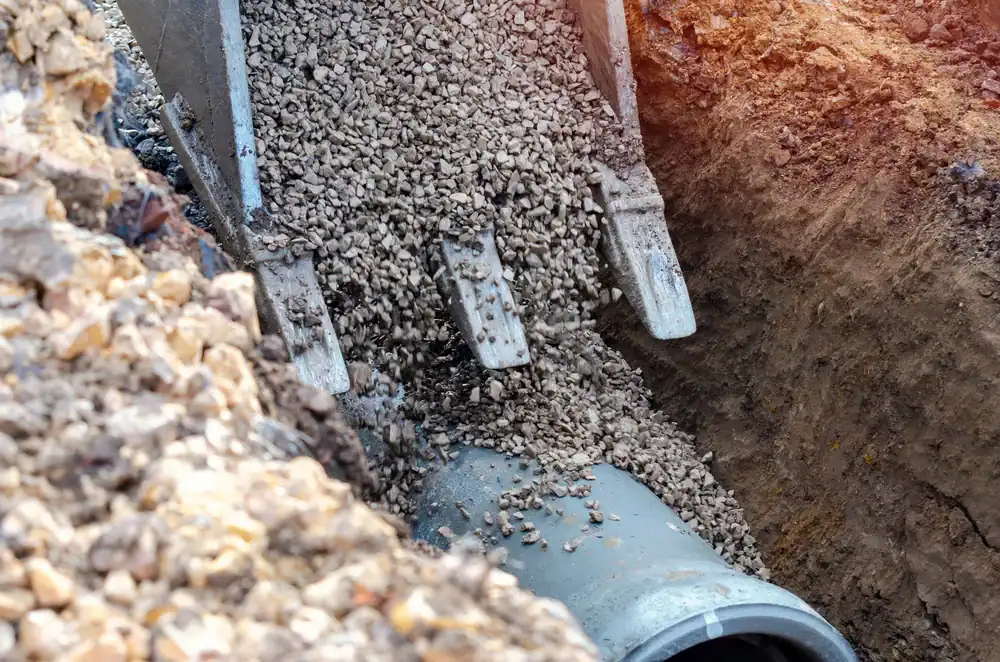
We’re not just dropping pipe in a trench. We’re making sure the grade is right, the connections are solid, and the backfill is compacted properly so you’re not dealing with settling or sinkholes six months from now. Once it’s in and inspected, we restore your yard as close to original condition as possible.
If your situation allows for it, we can sometimes use trenchless methods—pipe bursting or directional boring—that minimize digging and get you back to normal faster. But that depends on the condition of your existing line and how it’s currently routed.
Ready to get started?
Cold Spring Harbor’s soil doesn’t do your underground lines any favors. Sandy soil shifts and settles, especially after heavy rain or during freeze-thaw cycles. That movement puts stress on rigid pipes, and over time, joints separate or sections crack. Add in tree roots searching for water—they’ll find even the smallest opening and work their way in until your line is completely blocked.
Then there’s the salt air. If you’ve got older copper or cast iron lines, corrosion happens faster here than it would inland. Pipes that might last 60 years somewhere else start failing at 40. It’s not a question of if—it’s when.
You’ll know you’ve got a problem when multiple drains back up at once, when you hear gurgling from fixtures after someone uses water elsewhere in the house, or when you’re smelling sewage where you shouldn’t. Those are signs your main waste line isn’t moving water the way it should—either because something’s blocking it or because the pipe itself has failed.
Ignoring it doesn’t make it cheaper. A small crack becomes a collapse. A partial blockage becomes a full backup. And if your line fails completely, you’re looking at contaminated soil, potential health department involvement, and repair bills that climb fast.
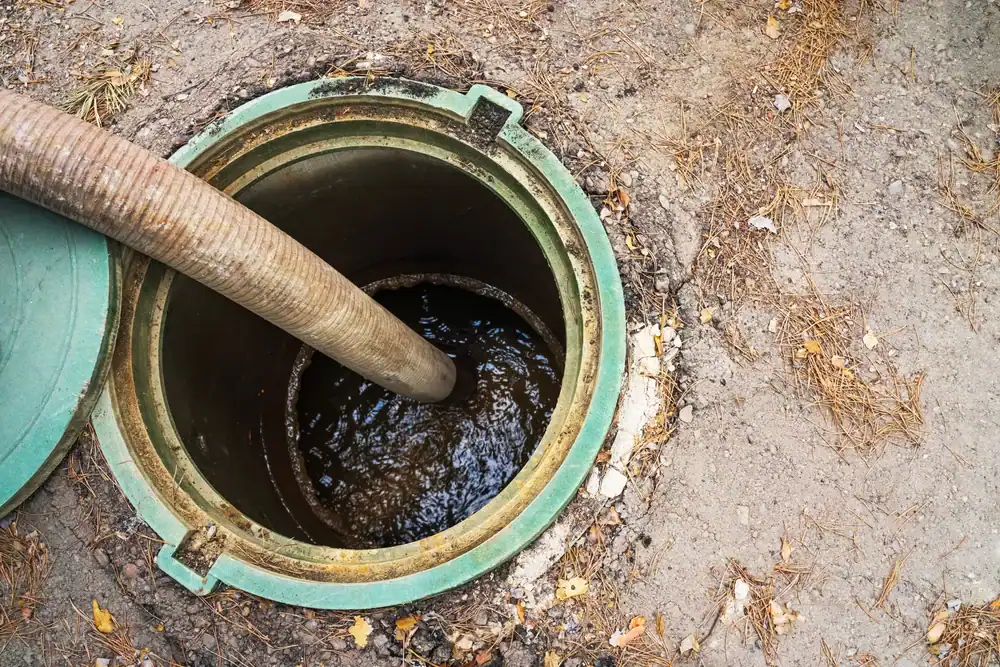
If you’re dealing with frequent backups even after pumping your cesspool, or if water drains slowly from multiple fixtures at once, that’s usually a sign the problem isn’t in your tank—it’s in the line connecting your house to your cesspool. A cleaning removes buildup and sludge from your cesspool itself, but it won’t fix a cracked pipe or a line that’s lost its slope.
We’ll run a camera through your line to see what’s actually going on. If it’s roots, we might be able to clear them and get you running again. If the pipe is cracked, collapsed, or sitting at the wrong angle, you’re looking at line changes. There’s no point guessing—the camera shows us exactly where the problem is and what it’ll take to fix it.
Most homeowners don’t need full line replacement. A lot of times it’s one section that’s failed, and we can replace just that part. But if your system is old and we’re seeing multiple problem areas, it might make more sense to replace the whole run now rather than doing it in pieces over the next few years.
We’re pulling permits first—Suffolk County requires them for any new installation or major line work, and we handle that paperwork. Then we locate your existing line, mark out utilities so we’re not hitting anything we shouldn’t, and start excavating down to the damaged section.
Once we’re down to the pipe, we remove the old line and install new pipe with the correct pitch and slope—usually a quarter inch of drop per foot of run, so gravity does its job and waste actually flows toward your cesspool instead of sitting in the line. We use schedule 40 PVC in most cases because it holds up well in sandy soil and won’t corrode like older materials.
After the new line is in, we test it to make sure there are no leaks and that everything’s draining properly. Then we backfill the trench in layers, compacting as we go so you don’t end up with a sunken trench or soft spots in your yard later. Depending on how deep the line runs and what we’re working around, the whole job usually takes two to three days from start to finish.
It depends on how much line needs replacing, how deep it’s buried, and what we’re working around—driveways, landscaping, other utilities. A straightforward repair on a short section might run a few thousand. A full line replacement from your house to your cesspool, especially if it’s a long run or requires working around obstacles, can climb higher.
We’ll give you an upfront price after we’ve assessed what’s actually failing. No hidden fees, no surprises halfway through the job. If there’s a choice between repairing a section and replacing the whole line, we’ll explain the cost difference and let you decide what makes sense for your situation and your budget.
Emergency work costs more because we’re responding outside normal hours, but if you’ve got sewage backing up into your house, waiting until Monday to save a few hundred dollars isn’t worth the health risk or the damage to your home. Most of the time, though, if you’re catching the problem early—slow drains, occasional backups—you’ve got time to schedule the work during regular hours.
Sometimes, yes. If your existing pipe is still structurally sound enough and the layout allows for it, we can use trenchless methods like pipe bursting—we pull a new pipe through the old one, breaking up the damaged pipe as we go. That means we’re only digging at the entry and exit points instead of trenching the entire run.
But trenchless doesn’t work in every situation. If your line has collapsed completely, if it’s routed in a way that won’t allow us to pull new pipe through, or if we need to change the pitch to fix drainage issues, we’re going to need to excavate. There’s no way around it.
When we do have to dig, we’re not tearing up more than necessary. We locate the problem area, trench to that section, and restore your lawn or landscaping as close to original as we can once the work’s done. You’ll have a strip of disturbed ground for a while, but grass grows back and most homeowners don’t even notice it after a season.
If it’s installed correctly with proper materials, you’re looking at 50-plus years for schedule 40 PVC in Cold Spring Harbor’s soil conditions. PVC doesn’t corrode, it holds up well in sandy soil, and it’s not going to crack from freeze-thaw cycles the way older clay or cast iron pipes do.
The key is proper installation—correct pitch and slope, solid connections, and backfill that’s compacted right so the pipe isn’t sitting on voids or loose soil that’ll settle later. A lot of older systems fail early because they were installed without permits, without proper grading, or with materials that don’t hold up in this environment.
We pull permits, coordinate with the health department, and install everything to code. That means when we’re done, your system isn’t just working—it’s set up to keep working for decades without the same problems you’ve been dealing with.
Call us immediately. Sewage backing into your home is a health hazard, and it’s not something you can wait on. We offer 24/7 emergency service because these situations don’t happen on a convenient schedule.
When we get there, the first priority is stopping the backup and assessing what’s failed. If it’s a blockage we can clear, we’ll get your drains moving again and then figure out whether the line itself needs repair or replacement. If the pipe has collapsed or broken completely, we’ll need to do temporary measures to keep sewage from backing into your house while we line up permits and schedule the full repair.
Emergency work costs more than scheduled work, but you’re paying for immediate response and getting your system functional again so you’re not dealing with raw sewage in your basement or yard. Once the emergency is handled, we’ll walk you through what needs to happen next and give you a clear timeline and price for the permanent fix.
Other Services we provide in Cold Spring Harbor