
Hear from Our Customers
You stop worrying about backups during dinner parties. Your drains clear like they should. The smell around your property disappears.
That’s what proper pipe pitch and slope does. When your sewer line to cesspool connection is installed correctly—at that critical quarter-inch drop per foot—wastewater moves the way it’s supposed to. No pooling. No slow drains. No sewage creeping back into your home because someone cut corners on the excavation.
Most line failures in Coram happen because the original installation didn’t account for Long Island’s clay-heavy soil. Water doesn’t absorb quickly here. Your cesspool already works harder than it should. When the connecting lines are pitched wrong or cracked from settling, you’re looking at backups, contamination, and emergency calls that cost three times what scheduled replacement would’ve run you.
We’ve been handling line changes and cesspool work across Long Island for four generations. We’re not a national franchise. We’re local, licensed, and we’ve seen what happens when pipes are installed by someone who doesn’t understand how Coram soil behaves.
Your neighbors have used us. We know the properties here—the older systems that need upgrading, the soil conditions that require step trenching, the Suffolk County regulations that actually matter. We give you a free estimate, transparent pricing, and work that holds up because we’re the ones who’ll be back if it doesn’t.
First, we assess the current line—where it’s failing, what caused it, and whether your cesspool itself needs attention. Most line problems show up as slow drains, sewage odors, or wet spots in your yard. We dig down to expose the damaged section and check the full run from your home to the cesspool.
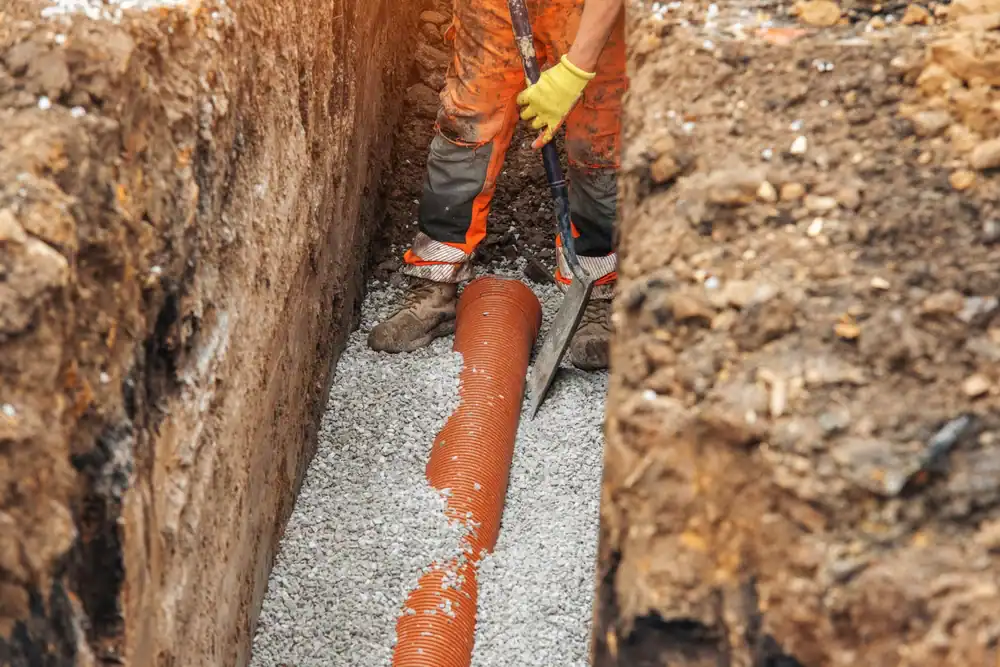
Next comes excavation. We trench carefully to avoid damaging your property while creating the right slope for drainage. If your yard has any grade to it, we use step trenching to maintain that quarter-inch per foot pitch. This isn’t guesswork—it’s measured, checked, and done to code.
Then we install new pipe, connect it properly to your cesspool, backfill the trench, and test the system before we leave. You’ll know it’s working because your drains will clear faster than they have in years. We clean up, walk you through what we did, and give you documentation for your records. If Suffolk County ever asks, you’ll have proof the work was done right.
Ready to get started?
You get a full assessment of your existing waste line and cesspool condition. We don’t just replace pipe—we figure out why it failed so you’re not dealing with the same problem in five years.
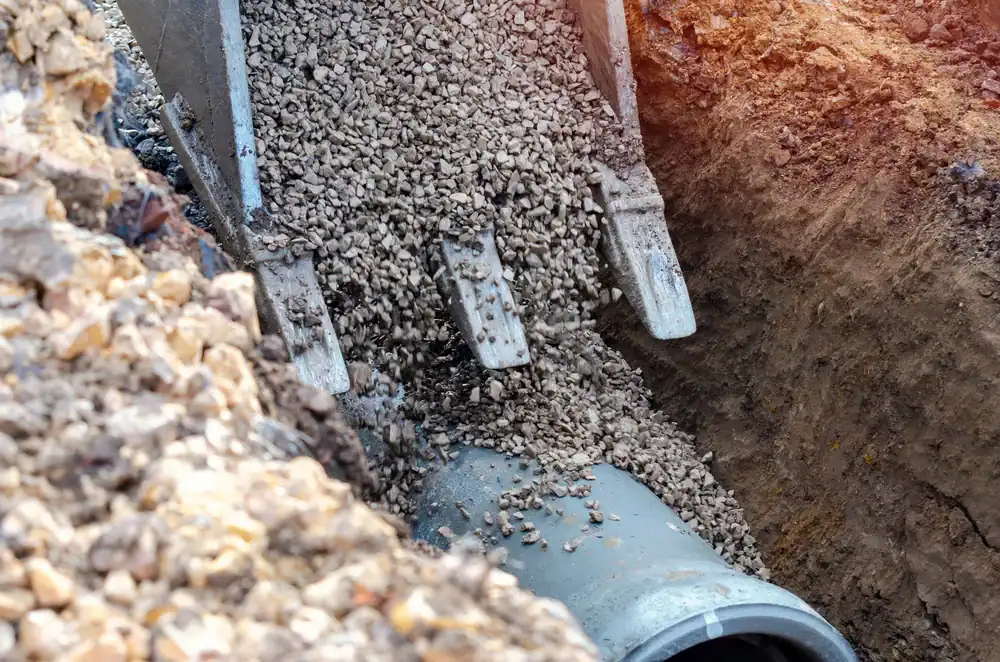
The excavation work includes proper trenching at the correct depth and slope, new pipe installation, secure connections at both ends, and backfill that won’t settle and create low spots. If your property has challenging terrain, we adjust our approach. Some Coram yards need step trenching because of slope. Others have soil that requires extra care during excavation to prevent cave-ins.
You also get compliance with Suffolk County health department requirements. Since the 2019 cesspool regulations, inspectors are paying closer attention to waste line installations. We handle the permitting, follow the code, and document everything. When you sell your home or refinance, you’ll have the paperwork buyers and banks want to see. That’s not extra—it’s part of doing the job correctly.
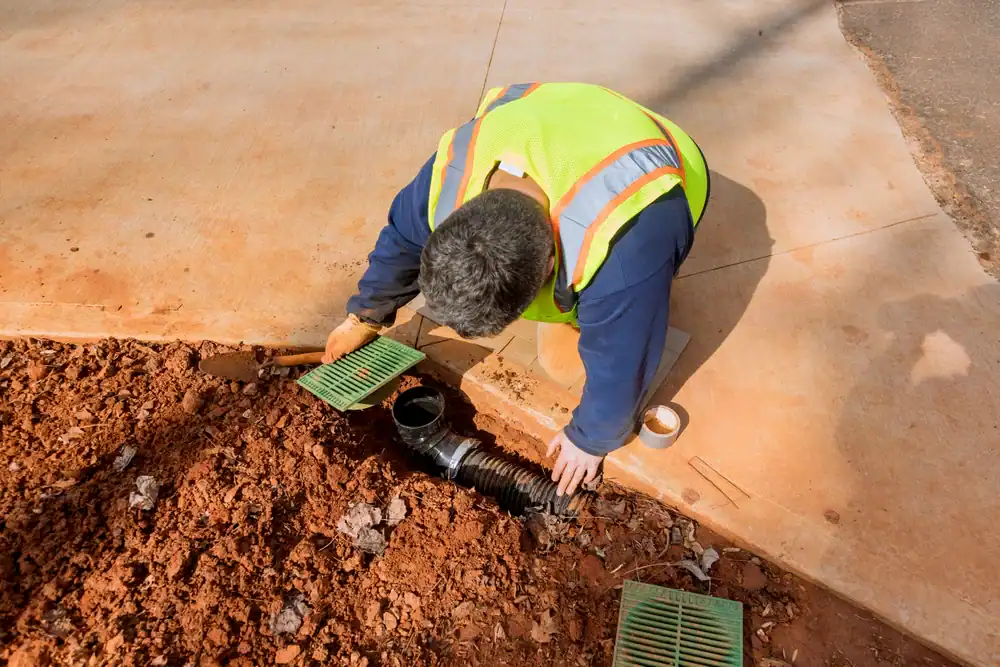
If pumping your cesspool doesn’t fix slow drains or backups, your waste line is probably the problem. A functioning line moves wastewater from your home to the cesspool without resistance. When that pipe cracks, collapses, or loses its slope, waste can’t flow properly—no amount of pumping will fix that.
Look for these signs: drains that were fine right after pumping but slowed down again within weeks, sewage smells near your foundation or yard, or wet spots between your house and cesspool. Those point to line failure, not a full tank.
We can run a camera through your line during an inspection to show you exactly what’s happening. Cracks, root intrusion, and collapsed sections show up clearly. You’ll see whether you need a full replacement or if we can repair a specific section. Most Coram properties with systems older than 20 years end up needing at least partial line replacement—the original pipes weren’t built to last this long.
Soil movement is the biggest culprit. Coram sits on clay-heavy soil that expands when wet and contracts when dry. Over years, that movement shifts pipes out of alignment. A line installed with proper pitch in 1985 might be sagging or bellied by now, creating spots where waste pools instead of flowing.
Tree roots are the other major cause. Roots seek out water, and even a hairline crack in your waste line is an invitation. Once they’re inside, they grow fast and block the pipe completely. Willow trees, maples, and older oaks are the worst offenders—if you’ve got mature trees between your house and cesspool, roots are probably involved.
Age matters too. Older clay or cast iron pipes crack and corrode. If your system was installed before 2000, you’re likely dealing with materials that weren’t designed for Long Island conditions. Modern PVC holds up better, but even that needs proper installation. A pipe laid without the right slope will fail early no matter what it’s made of.
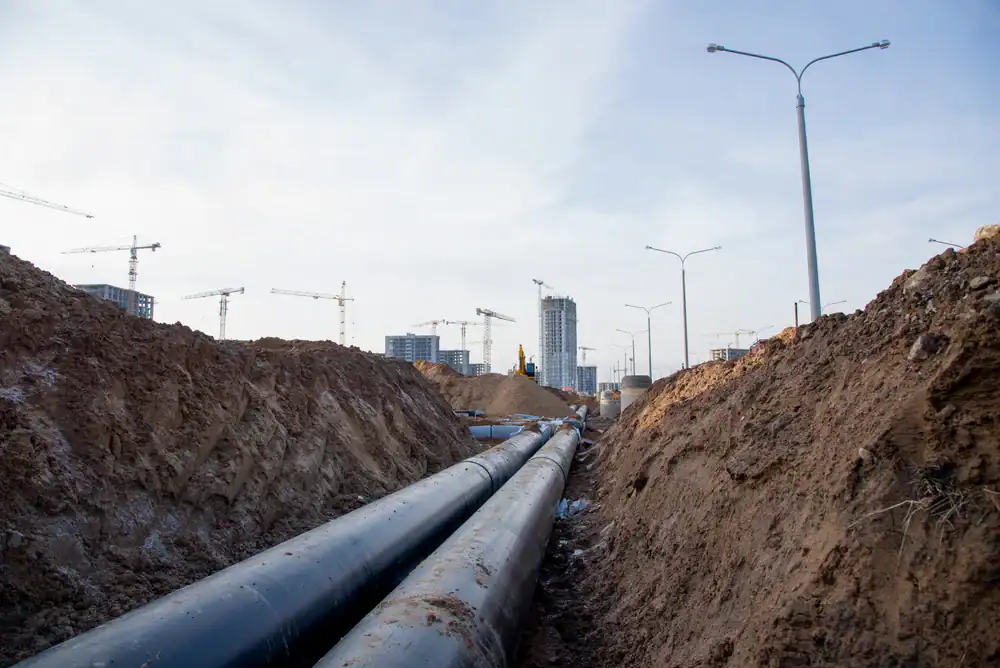
Most residential line changes in Coram take one to two days, depending on distance and soil conditions. We’re digging a trench from your home to your cesspool—usually 20 to 50 feet—removing old pipe, installing new, and restoring your yard.
Day one is excavation and installation. We’ll mark utility lines, dig the trench, pull out the failed pipe, and lay new line at the correct slope. You’ll see heavy equipment in your yard, but we’re careful about minimizing damage to landscaping. If we need to cross a driveway or patio, we’ll cut and repair it properly.
Day two is connection, testing, and cleanup. We connect the new line to your home’s main drain and your cesspool, run water through to confirm flow, backfill the trench, and grade it so water drains away from your foundation. You can use your plumbing the same day we finish—no waiting period. The trench area will be rough for a few weeks while soil settles, but you can reseed or replant once it’s stable.
Not necessarily, but we’ll check while we’re doing the line work. If your cesspool is still structurally sound and draining properly, replacing just the waste line might be all you need. But if the cesspool itself is failing—cracked walls, collapsed top, or saturated soil around it—you’re better off addressing both at once.
Suffolk County banned new cesspool installations in 2019, but replacements are still allowed if your existing system fails. The county wants homeowners moving toward compliant septic systems eventually, but they’re not forcing immediate replacement if your cesspool is working. That said, if we’re already excavating for a line change and your cesspool is marginal, it makes sense to upgrade now rather than dig everything up again in two years.
We’ll give you an honest assessment. Some cesspools in Coram are 40+ years old and still functioning. Others fail after 15 years because of soil conditions or heavy use. If yours is on borrowed time, we’ll tell you—and explain what replacement involves so you can make an informed decision.
Most line changes run between $3,000 and $8,000, depending on distance, depth, and site conditions. A straightforward 30-foot replacement with easy access costs less than a 60-foot run that requires trenching through landscaping or under a deck.
Soil type affects cost too. If we hit rock or need to work around tree roots, excavation takes longer. Properties with steep grades need step trenching, which is more labor-intensive than a simple straight run. We price based on what your specific property requires—not a one-size-fits-all number.
Emergency line changes cost more because you’re paying for immediate response and after-hours work. If you’re dealing with sewage backing up into your home, you need help now—and that premium is unavoidable. But if you’re catching the problem early because drains are slowing down, you can schedule the work and avoid the emergency markup. We’ll give you a free estimate that breaks down exactly what you’re paying for, so there’s no surprise when the bill comes.
Sometimes, yes—but it depends on what we find when we excavate. If the damage is limited to one section and the rest of the pipe is in good shape, a partial replacement makes sense. We’ll cut out the bad section, install new pipe, and connect it to the existing line on both ends.
But if your pipe is old and we find one failed section, there’s a good chance other sections are close behind. Patching buys you time, but you might be digging again in a year or two when another section goes. That’s why we inspect the full line before recommending repair versus replacement.
For most Coram properties with systems over 20 years old, full replacement ends up being the better investment. You’re paying for excavation either way—the cost difference between replacing 10 feet and replacing 40 feet isn’t as big as you’d think. And you get peace of mind knowing the entire line is new and properly sloped. We’ll walk you through both options with real numbers so you can decide what makes sense for your situation and budget.
Other Services we provide in Coram