
Hear from Our Customers
You get drainage that works the way it’s supposed to. No more slow drains, no more wondering if your cesspool is about to back up into your basement, and no more emergency calls because someone cut corners on the slope or used the wrong materials.
When your sewer line to cesspool connection is installed correctly, wastewater flows where it should, when it should. The right pipe pitch means gravity does its job without you thinking about it. Proper trenching and excavation means your lawn, driveway, and utilities stay intact while we replace what’s failing underground.
Most line failures don’t happen overnight. You’ll notice drains running slower, hear gurgling sounds, or catch odors you shouldn’t be smelling. That’s your system telling you the pitch is wrong, the line is collapsing, or tree roots have compromised the connection. Catching it early means you’re choosing when to fix it instead of scrambling during a backup.
We’ve been handling line changes and cesspool work throughout East Northport and Suffolk County for years. We know the soil conditions here, the local regulations that changed how cesspool installation works, and what actually holds up in Long Island’s ground.
You’re not getting someone who just bought a backhoe and printed business cards. You’re getting a crew that understands pipe pitch and slope calculations, knows how to trench without destroying your property, and has handled enough backups and pipe failures to spot problems before they become emergencies.
We’re licensed, insured, and we show up when we say we will. East Northport homeowners call us because their neighbor did, and because we don’t oversell or overcomplicate what’s usually a straightforward fix if you know what you’re doing.
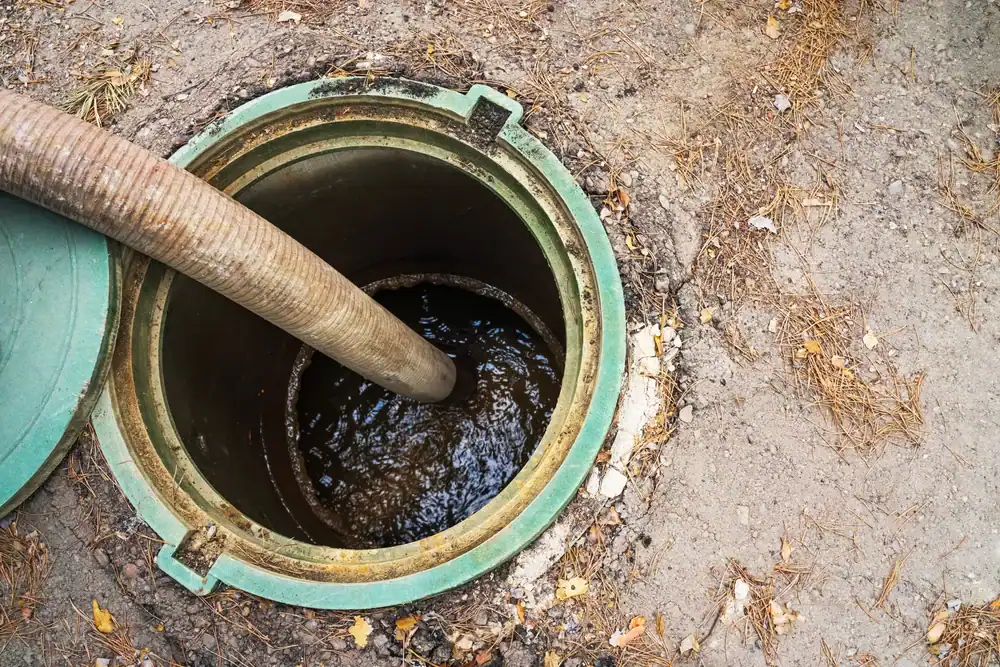
First, we assess what’s actually failing. That means locating your existing cesspool, mapping where your main waste line runs, and figuring out what caused the problem in the first place. If it’s root intrusion, collapsed pipe, or just age, we need to know before we dig.
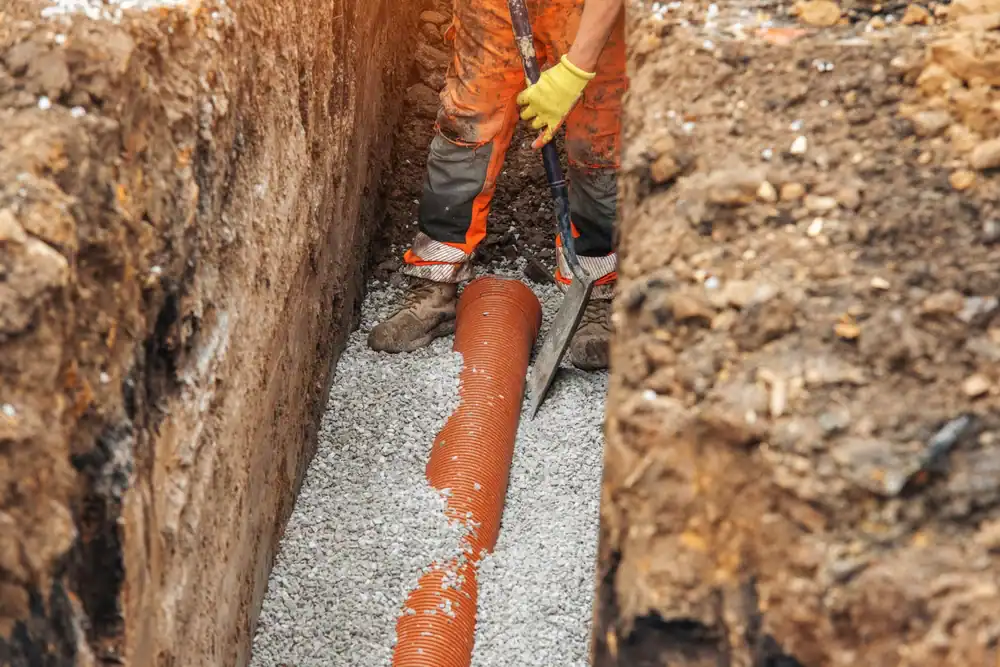
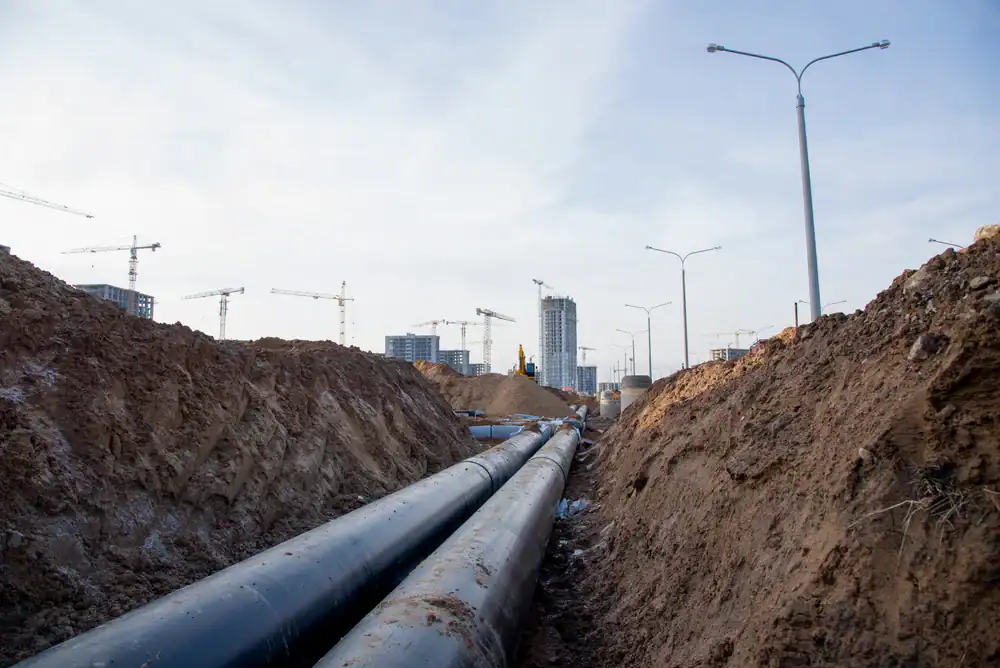
Next comes trenching and excavation. We mark utilities, protect your landscaping where possible, and dig to the depth needed to install new lines at the correct slope. Pipe pitch matters more than most people realize—too flat and waste doesn’t flow, too steep and solids separate from liquids. We calculate the grade based on your specific run length and cesspool location.
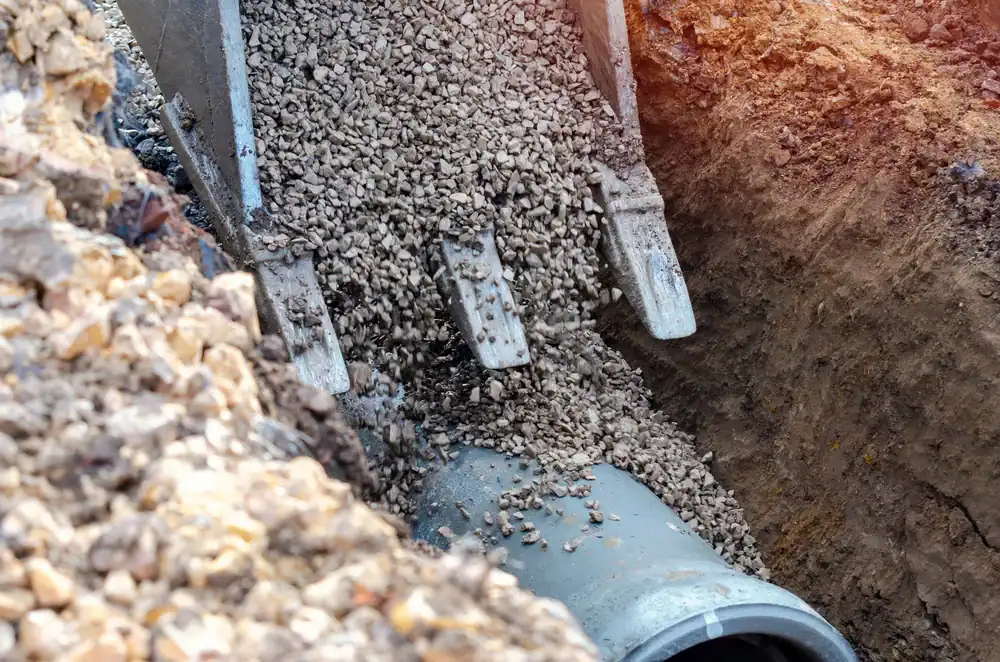
Then we install the new line with proper materials rated for Long Island conditions. The sewer line to cesspool connection gets sealed correctly so you’re not dealing with leaks or separation down the road. We backfill, compact, and restore your property so you’re not left with a trench that settles every time it rains.
Before we leave, we test the system. Water flows, drainage works, and you know exactly what was done and why.
Ready to get started?
You’re getting a full line replacement from your home’s main waste outlet to your cesspool. That includes excavation, removal of failed pipe, installation of new lines with correct pitch and slope, and a sealed connection that won’t leak or separate.
In East Northport, we’re also navigating Suffolk County’s regulations around cesspool work. The laws changed, permits matter, and doing this without understanding local requirements can cost you later. We handle that so you don’t have to figure out what’s required or worry about compliance.
You’re also getting property protection during the job. We locate existing utilities before we dig, minimize disruption to driveways and landscaping, and restore what we disturb. If your line runs under a paved area, we coordinate the dig and repair so you’re not left with a permanent scar across your driveway.
Most importantly, you’re getting a system that prevents backups. When your main waste line is installed with the right materials, proper slope, and a solid connection, your cesspool does what it’s designed to do. Wastewater leaves your home, flows efficiently underground, and you stop worrying about it.
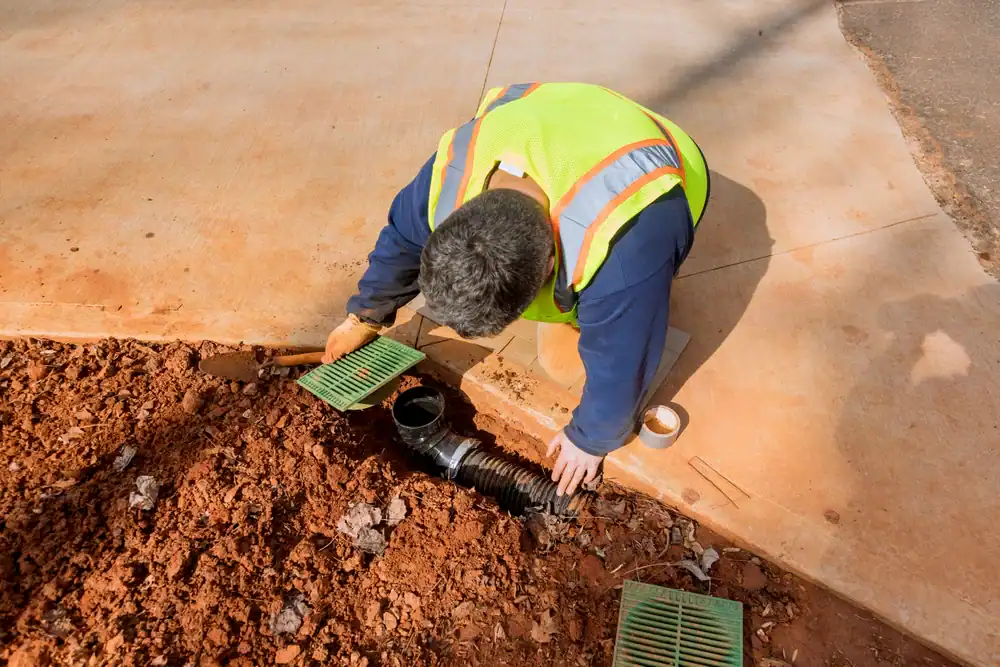
If your line is collapsing, severely root-damaged, or installed at the wrong pitch, you need a full replacement. Repairs work when the damage is localized—a single crack, one section compromised by excavation, or a joint that separated but the rest of the line is sound.
We can scope the line to see what’s actually happening underground. If 60% of your pipe is failing or the slope is wrong from the start, patching one section just delays the inevitable. You’ll be calling someone back in six months when another section goes.
Age matters too. If your line is original to a home built in the 1960s or 70s, the pipe material itself may be at the end of its lifespan. Cast iron corrodes, old clay cracks, and Orangeburg pipe (basically tar paper) disintegrates. At that point, replacement makes more sense than trying to nurse a failing system along.
Tree roots are the biggest culprit. East Northport has mature trees, and roots seek out moisture and nutrients inside sewer lines. Once they find a small crack or joint, they infiltrate and expand until the line is completely blocked or collapsed.
Soil movement is another factor. Long Island’s soil conditions can shift over time, especially with freeze-thaw cycles and heavy rain. If your line wasn’t bedded properly during installation, that movement can change the pitch or crack rigid pipe sections.
Age and material failure happen too. Older homes in the area often have lines that were installed decades ago using materials that don’t hold up long-term. Combine that with Suffolk County’s updated regulations around cesspool systems, and you’re often looking at a line that needs replacement to meet current standards anyway.
Most residential line changes take one to three days depending on distance, depth, and site conditions. If your cesspool is 50 feet from your house with clear access and no obstacles, we’re usually done in a day or two.
Complications add time. If we’re digging under a driveway, around mature trees, or dealing with rocky soil or high groundwater, the job takes longer. We also need to coordinate with utility companies if your line runs near gas, electric, or water services.
Weather matters in East Northport. We can’t backfill properly in heavy rain, and frozen ground in winter makes excavation harder. If you’re scheduling during mud season or a cold snap, expect potential delays. That said, emergencies don’t wait for perfect weather—if your line fails and you’re backing up into your home, we make it work regardless of conditions.
Standard pitch is 1/4 inch per foot, but the actual slope depends on your specific run length and site conditions. Too little pitch and wastewater doesn’t flow properly—solids settle in the line and you get blockages. Too much pitch and liquids run ahead of solids, leaving waste stuck in the pipe.
In East Northport, where lot sizes and cesspool locations vary, we calculate pitch based on your property layout. A short run might handle a slightly steeper slope, while a long run needs careful grading to maintain consistent flow over distance.
This is where experience matters. You can’t just eyeball it or assume level is close enough. We use proper grading tools to ensure your new line maintains the correct slope from your home’s waste outlet all the way to the cesspool connection. That’s what prevents future backups and keeps your system working long-term.
We’ll disturb whatever is directly above the line—that’s unavoidable when you’re digging a trench. But we minimize damage by using the right equipment for the space, protecting areas adjacent to the dig, and restoring what we disturb once the new line is installed.
For lawns, we remove sod carefully so it can be replaced, and we backfill and grade so you don’t end up with a sunken trench after the first rain. Landscaping near the line gets flagged and protected where possible. If plants are directly over the line, we’ll let you know upfront so there are no surprises.
Driveways and paved areas require more coordination. If your line runs underneath, we saw-cut the pavement cleanly, excavate, install the new line, and then coordinate patching with proper base material so you don’t get settling or cracking later. It’s more involved than a lawn dig, but it’s manageable and we’ve done it plenty of times throughout East Northport.
Yes, Suffolk County regulates cesspool work including line changes, and permits are required for most installations. The regulations changed in recent years, making cesspool installation more complicated than it used to be. You can’t just dig and connect anymore without understanding what’s required.
We handle the permit process as part of the job. That means pulling the right permits, ensuring the work meets current code, and documenting everything so you’re covered if you ever sell your home or need records for insurance purposes.
Skipping permits might seem like a shortcut, but it creates problems later. If unpermitted work is discovered during a home sale or after a system failure, you’re looking at fines, mandatory corrections, and potential liability. It’s not worth the risk, and working with someone who knows Suffolk County’s requirements means you don’t have to worry about it.
Other Services we provide in East Northport