
Hear from Our Customers
You stop worrying about that toilet that gurgles. You stop smelling sewage near your foundation. You stop wondering if today’s the day your basement floods.
When your main waste line replacement is done correctly, waste flows exactly how it should—downhill, at the right speed, without leaving anything behind to clog up later. The right pipe pitch and slope means gravity does the work. No backups during your morning shower. No emergency calls on Sunday afternoon.
Your sewer line to cesspool connection becomes something you never think about again. That’s the point. You’ve got enough on your plate without adding “will my pipes fail today?” to the list. Proper trenching and excavation means your yard gets put back together, your system passes inspection, and you move on with your life.
We’ve been handling cesspool and septic work in Eastport, NY for more than 10 years. We know the soil conditions here. We know what Suffolk County inspectors look for. We know which properties have clay pipes from the 1960s that are ready to collapse.
You’re not getting a crew that learned about cesspools from a manual last month. You’re getting people who’ve dug through Eastport yards in every season, dealt with root intrusion from the oak trees everyone has here, and understand why your neighbor three houses down had the same backup issue you’re dealing with now.
We show up when we say we will. We explain what’s actually wrong before we start digging. And we don’t leave your property looking like a construction zone.
First, we figure out where the problem actually is. Sometimes it’s obvious—sewage backing up into your basement makes the location pretty clear. Other times we need to camera the line to find the crack, the root mass, or the section that’s pitched wrong.
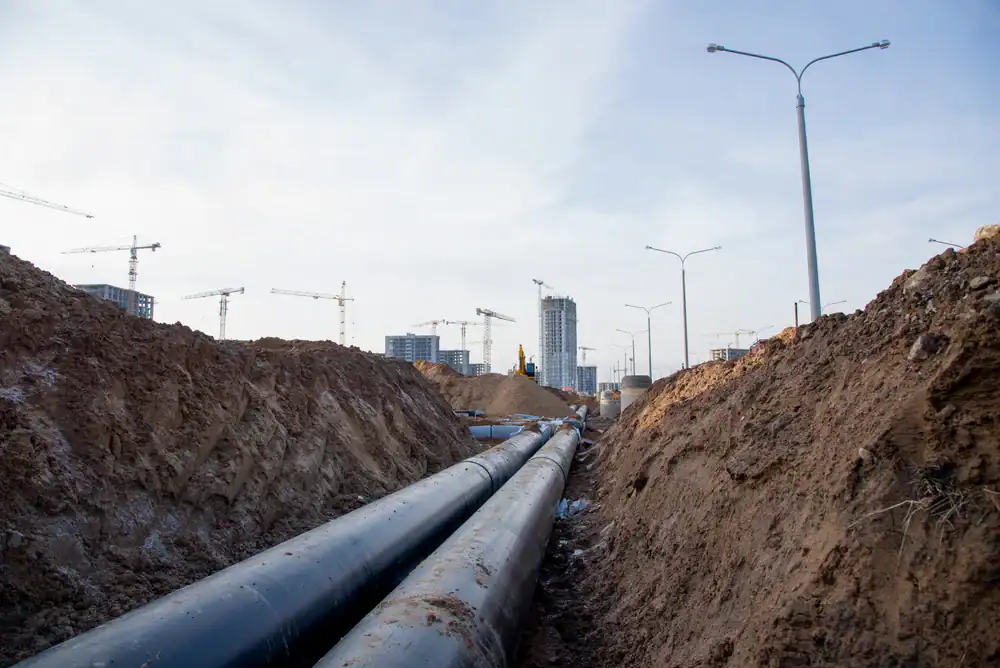
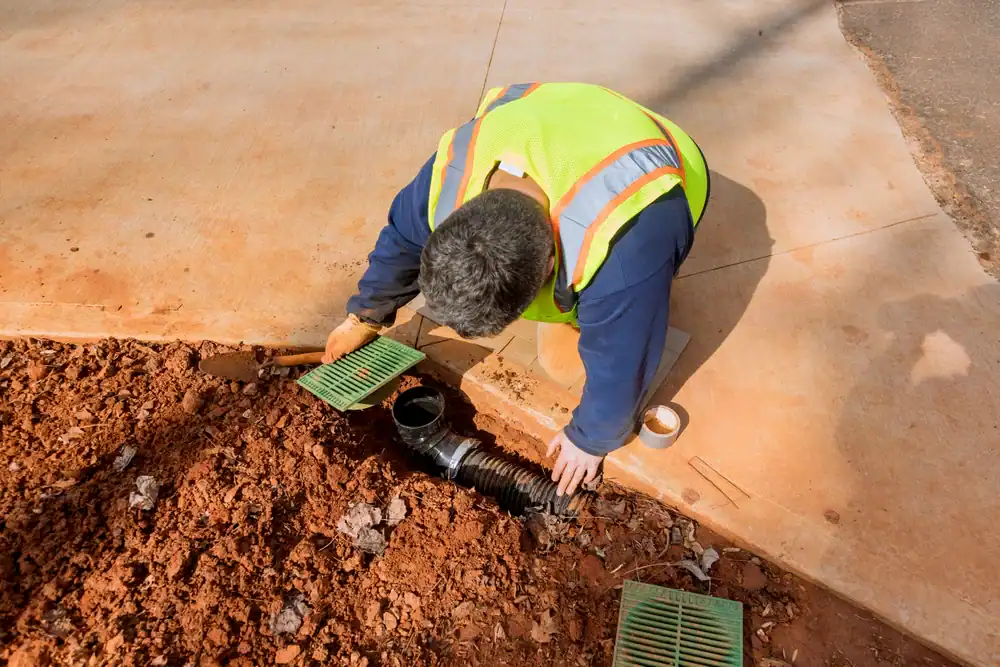
Once we know what needs replacing, we map out the excavation. We’re digging a trench from your house to your cesspool, and we need to do it without destroying your driveway, your landscaping, or any utility lines buried in your yard. We call in locates. We mark everything. Then we dig.
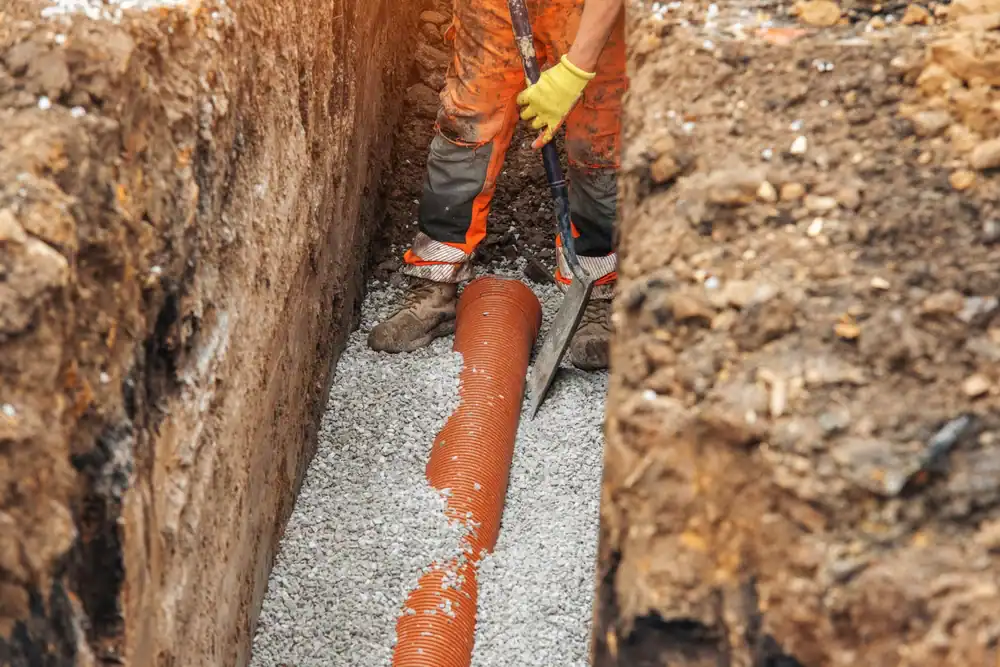
The old pipe comes out. The new pipe goes in at the correct slope—typically a quarter inch per foot, sometimes a half inch depending on the run. Too steep and the water outruns the solids. Too flat and nothing moves. We get it right.
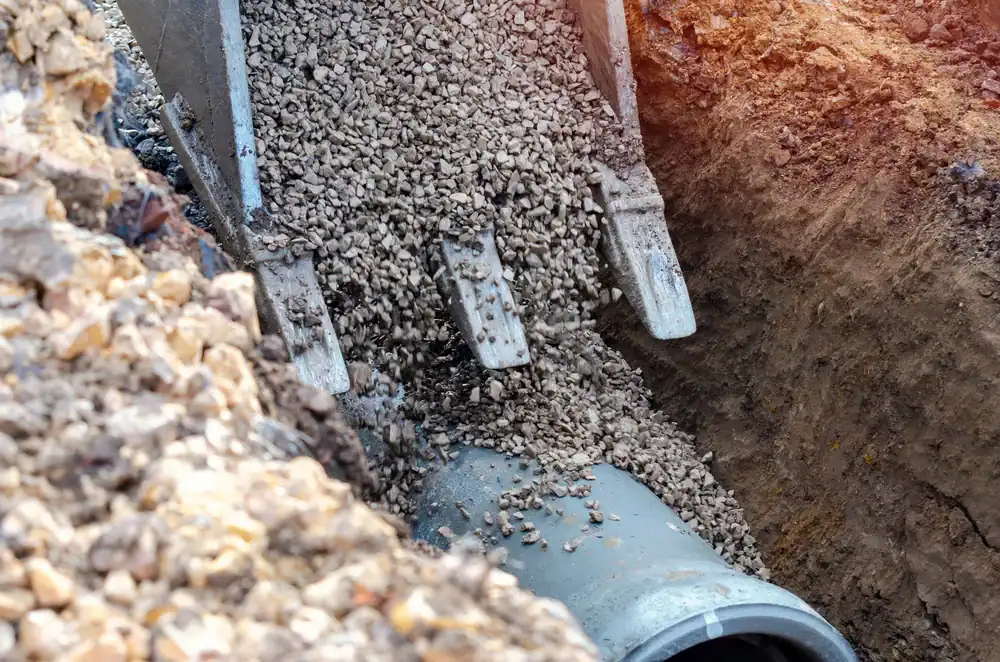
We connect everything properly at both ends, backfill the trench in layers so nothing settles weird later, and compact it correctly. Then we test the system before we’re done. You shouldn’t have to wonder if it works. You should know.
Ready to get started?
You’re getting professional excavation that doesn’t wreck your property. We bring the right equipment for your yard size and access. If we can’t fit a backhoe back there, we bring something smaller. If we need to work around your fence or your shed, we figure it out.
You’re getting new pipe installed at the correct pitch so waste actually flows. We’re not eyeballing it. We’re using levels and making sure the slope is consistent from your house to your cesspool. That matters more than most people realize until they’ve dealt with recurring clogs from a line that’s too flat.
You’re getting proper connections that won’t leak or separate. Your main waste line connects to your cesspool in a way that’s going to hold up. We’re not using shortcuts or materials that’ll fail in three years.
And you’re getting this done in Eastport, NY, where Suffolk County regulations matter. The setback requirements, the inspection standards, the environmental rules about nitrogen—we know what applies to your property. Since the 2019 cesspool installation ban, things have changed here. If your system is failing and needs more than just line changes, we’ll tell you straight what your options actually are. You might need to upgrade to a septic system or advanced treatment technology. We’re not going to pretend you can just replace a cesspool with another cesspool anymore, because you can’t.
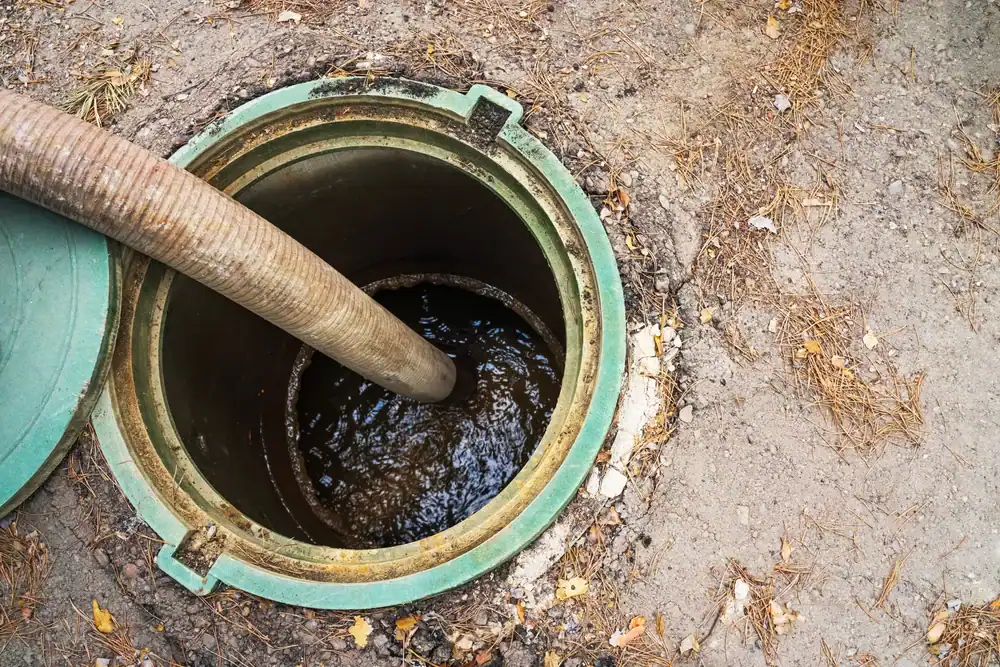
If you’re seeing backups, the question is where the problem lives. Line issues usually show up as localized problems—one section of pipe that’s cracked, crushed, or full of roots. Cesspool failure is more systemic. Your whole system stops draining.
Here’s what points to a line problem: you’ve got slow drains or backups that seem to come from one area. You see wet spots in your yard between the house and the cesspool. You had a camera inspection that showed a specific section of pipe that’s damaged or root-filled. That’s a line change situation.
Cesspool failure looks different. Everything backs up at once. You’ve got sewage surfacing near the cesspool location. The ground around your cesspool is constantly saturated. Your system used to work fine and now it doesn’t, even after pumping. That’s when you’re looking at the cesspool itself, not just the pipes leading to it. Sometimes you need both addressed. We’ll tell you which one you’re dealing with after we actually look at your system.
The standard is a quarter inch of drop per foot of pipe. Some situations call for a half inch per foot, but you don’t want to go steeper than that. This isn’t arbitrary. It’s physics.
If your pipe is too flat, waste moves too slowly. Solids settle in the pipe instead of flowing through. You get buildup. You get clogs. You get backups that keep happening no matter how many times you clear them because the slope isn’t moving things along.
If your pipe is too steep, water rushes ahead and leaves solids behind. Sounds weird, but it happens. You want everything moving together at about two feet per second. That’s the flow rate that actually clears the pipe. Too fast or too slow, and you’ve got problems. When we install your main waste line replacement, we’re checking the slope as we go. It needs to be consistent along the whole run, not just correct at one end. That’s how you get a system that actually works long-term.
Most residential line changes in Eastport take one to two days, depending on distance and what we run into underground. If your cesspool is 50 feet from your house and we’ve got clear access, that’s a one-day job. If it’s 100 feet through landscaping with utility lines we need to work around, it might take two.
Your yard will have a trench. That’s unavoidable. But we’re not leaving it looking like a disaster. We excavate as narrow as we can while still having room to work. We save your topsoil separately from the subsoil so we can put it back in the right order. We backfill in layers and compact it properly so you don’t get a sunken trench six months later.
If we go through your lawn, you’ll need to reseed or lay sod over the trench line, but the ground will be ready for it. If we go through gravel or hardscape, we put it back. We’re not restoration specialists, but we’re also not leaving your property torn up. You’ll know where we dug, but it won’t look like a construction site when we’re done.
Root intrusion is the number one cause of waste line failure. It’s not overblown. It’s the main thing we see when we dig up failed pipes in Eastport.
Tree roots grow toward water. Your sewer line has water in it. Even a tiny crack or a joint that’s slightly separated becomes an entry point. Once roots get in, they don’t stay tiny. They grow into a mass that blocks the pipe completely. You’ll get recurring backups that seem to clear temporarily but come back worse each time.
Older pipes are more vulnerable. If you’ve got clay pipe, cast iron, or bituminized fiber—common in older Eastport homes—those materials crack and separate as they age. Roots find their way in. Even newer PVC can develop problems if the joints weren’t sealed correctly or if ground shifting creates a gap.
If you’ve got large trees anywhere near your sewer line path, roots are probably already exploring that area underground. You might not have a problem yet, but it’s coming. When we replace your line, we’re installing pipe that’s properly sealed and less vulnerable. And we can talk about root barriers if you’ve got trees that are going to keep trying.
Suffolk County banned new cesspool installations starting July 1, 2019. If your cesspool fails completely, you can’t replace it with another cesspool. You have to upgrade to a septic system or an advanced treatment system that reduces nitrogen.
For line changes, this matters if your cesspool is already on its last legs. If we’re replacing your pipes and your cesspool itself is failing, you need to know you can’t just swap in a new cesspool. You’re looking at a bigger project. That’s why we assess the whole system, not just the pipes.
The regulations exist because of nitrogen pollution. Long Island’s groundwater feeds into the bays, and too much nitrogen creates algae blooms and kills marine life. Your cesspool might have been fine when it was installed, but the environmental reality has changed. If you’re doing work anyway, it’s worth knowing what your options are if the cesspool itself needs replacing soon. We’ll walk you through what applies to your specific property and what financial assistance might be available. Suffolk County and New York State offer grants up to $30,000 for system upgrades. That changes the math considerably.
It depends on distance, depth, access, and what we find when we dig. A straightforward 50-foot line change with good access might run differently than a 100-foot run through landscaping with ledge rock we need to break through.
We don’t give ballpark numbers that turn out to be wrong once we see your property. What we do is come out, look at your specific situation, and give you a real estimate based on what’s actually involved. How far is the run? What’s in the way? What kind of pipe is there now? Is your cesspool at the right depth, or are we dealing with a connection that’s going to be complicated?
You’re not paying for unnecessary work. If your line only needs 60 feet replaced, we’re not replacing 100 feet. If we can avoid digging up your driveway, we will. But we’re also not cutting corners that’ll cause problems later. You want this done once, done right, so you’re not calling someone else in two years to fix what should’ve been fixed correctly the first time. Call us. We’ll come look at it and tell you exactly what it’s going to take.
Other Services we provide in Eastport