
Hear from Our Customers
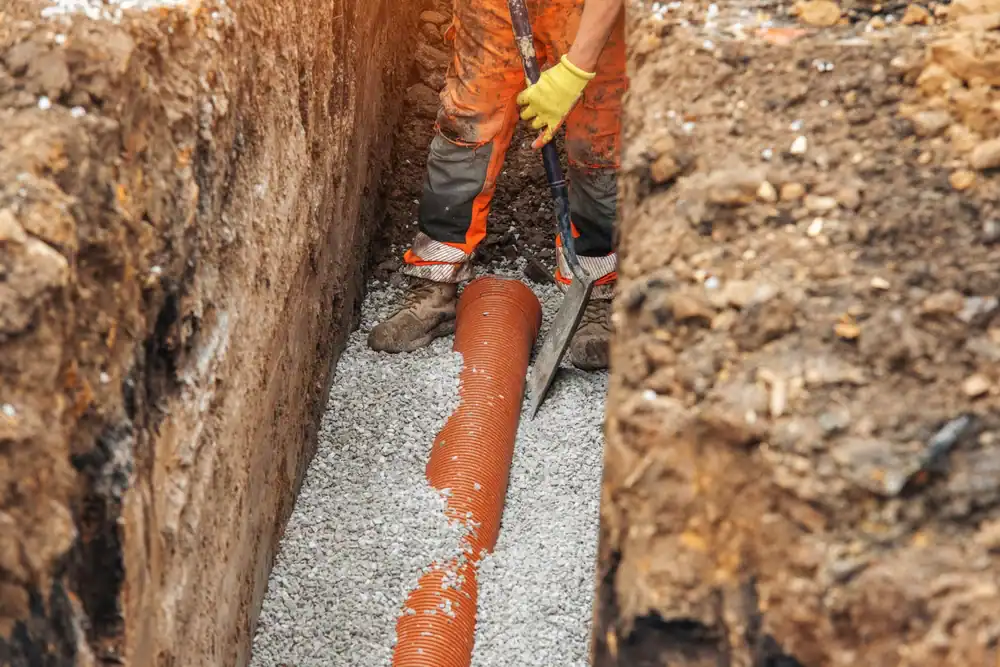
Slow drains aren’t just annoying. They’re early warnings that your main waste line is failing.
When pipes crack, shift, or corrode, sewage finds the path of least resistance—and that’s usually back into your home. You’ll notice toilets that won’t flush properly, sinks that drain slower each week, or foul odors creeping up from your basement floor drain.
Line changes fix the root problem. We replace the failing section of pipe between your house and cesspool, restoring proper flow and preventing the kind of backup that costs thousands in cleanup and restoration. Most Elwood homes were built in the 1950s and 60s, which means many original waste lines are reaching the end of their lifespan.
Replacing a compromised line now costs a fraction of what you’ll spend if sewage floods your finished basement. You protect your property value, avoid health hazards, and stop wondering every time you flush whether today’s the day everything goes wrong.
We handle line changes across Long Island, and we know Elwood’s specific challenges. Your soil composition, water table depth, and lot layouts are different from other towns—and that matters when we’re trenching and laying new pipe.
We’re licensed and insured, which means you’re covered if something unexpected happens during excavation. We also know Suffolk County’s regulations inside and out, including the pipe pitch and slope requirements that prevent future backups.
You’re not hiring a national franchise that sends different crews every time. You’re working with a local team that understands how cesspool systems function in this area and what it takes to keep them running without constant repairs.
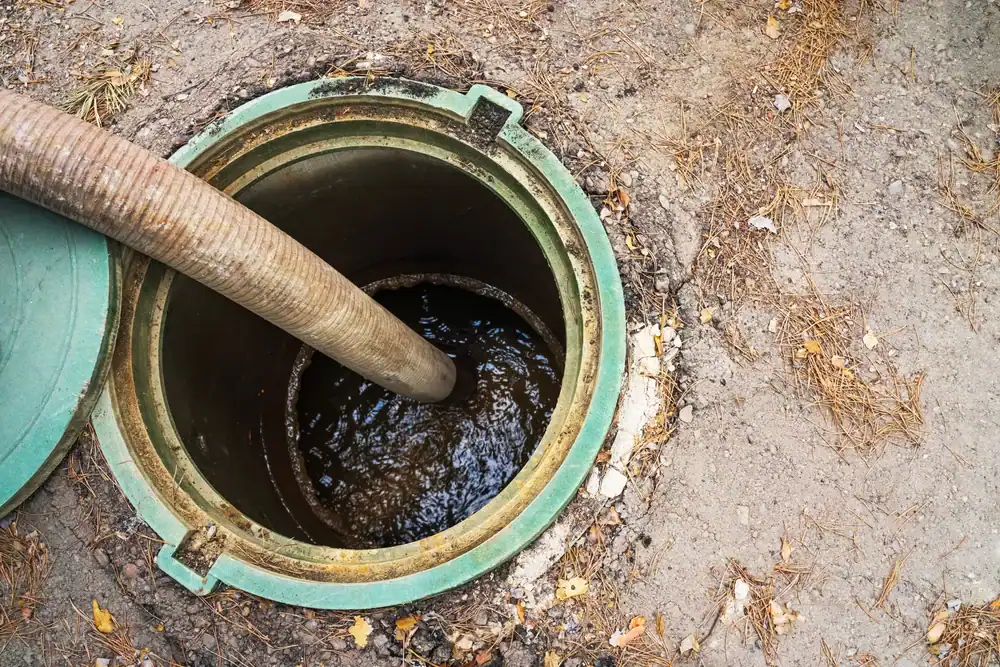
First, we locate your existing main waste line and identify exactly where the failure is occurring. Sometimes it’s a single cracked section. Other times, the entire run from house to cesspool needs replacement.
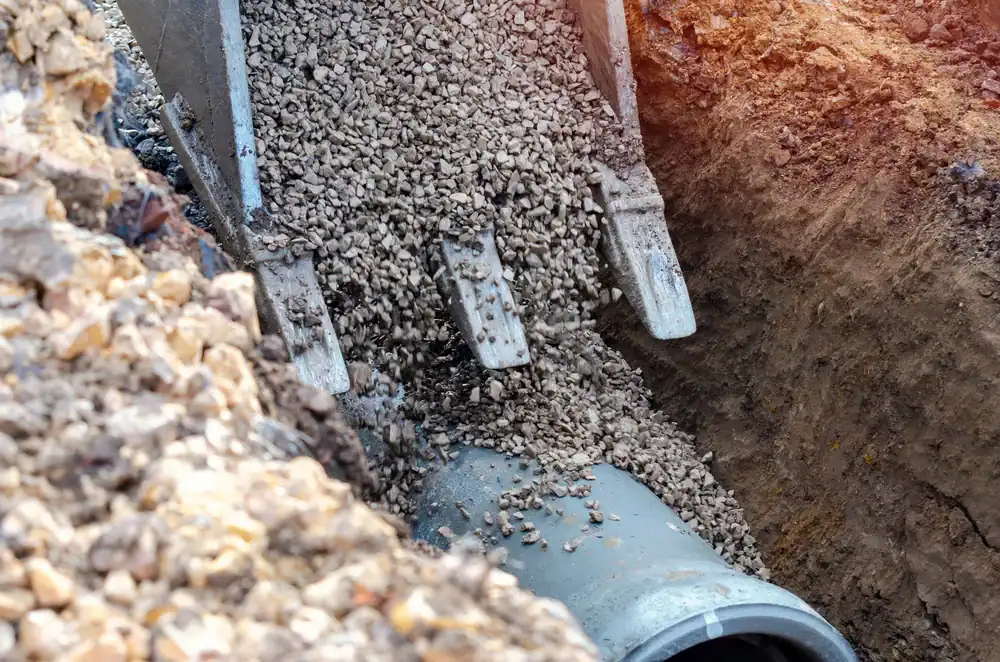
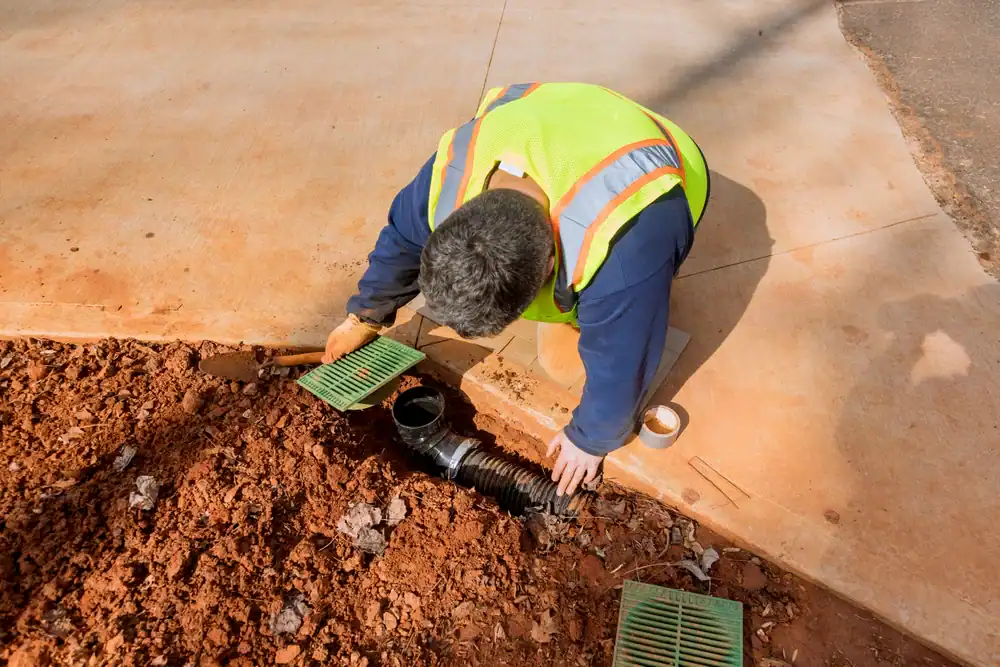
Next comes trenching and excavation. We dig carefully to expose the old pipe while protecting your landscaping, driveway, and any utilities in the area. This is where experience matters—we’ve dealt with tree roots, rocky soil, and tight access points that make the job more complex than it looks.
Once the trench is open, we remove the failed pipe and install new material with the correct pipe pitch and slope. New York code requires specific angles—typically 1/4 inch per foot for the house drain connection and 1/8 inch per foot from the cesspool outlet. Get this wrong and you’ll have drainage problems from day one.
We connect everything, backfill the trench, compact the soil, and test the system to confirm proper flow. You’ll know the job is done right because your drains work the way they should—fast, consistent, no odors, no backups.
Ready to get started?
This isn’t just about digging a trench and dropping in new pipe. You’re getting a complete connection between your home’s plumbing system and your cesspool that meets Suffolk County’s strict environmental standards.
We handle the full scope: locating utilities before we dig, proper excavation depth based on frost line and soil conditions, selecting the right pipe material (usually schedule 40 PVC or heavy-duty cast iron depending on the application), and ensuring every connection is sealed and secure.
Elwood properties often have mature landscaping and established driveways. We plan our approach to minimize disruption, which sometimes means hand-digging near sensitive areas or coordinating access through side yards instead of tearing up your front lawn.
You’ll also get transparent pricing before we start. The average main waste line replacement in this area runs between $2,600 and $5,300 depending on distance, depth, and site conditions. We assess your specific situation and give you a clear number—no surprises when the job’s done.
The alternative is waiting until a full failure forces an emergency repair, often at a higher cost and with more property damage. Homeowners in Elwood have a median property value over $664,000. Protecting that investment means addressing line problems before they become catastrophes.
If your main waste line has a single crack or joint separation in an otherwise solid pipe, a targeted repair might work. But if the pipe is old cast iron that’s corroded in multiple spots, or if tree roots have infiltrated several sections, you’re better off replacing the entire run.
Here’s the reality: patching one problem area often just buys you a few months before the next weak point fails. Most homes in Elwood were built 50+ years ago, and those original waste lines are past their functional lifespan.
We’ll inspect your system and tell you honestly whether a repair makes sense or whether you’re throwing money at a temporary fix. A full line change costs more upfront, but it eliminates the cycle of repeated service calls and gives you a system that’ll last decades.
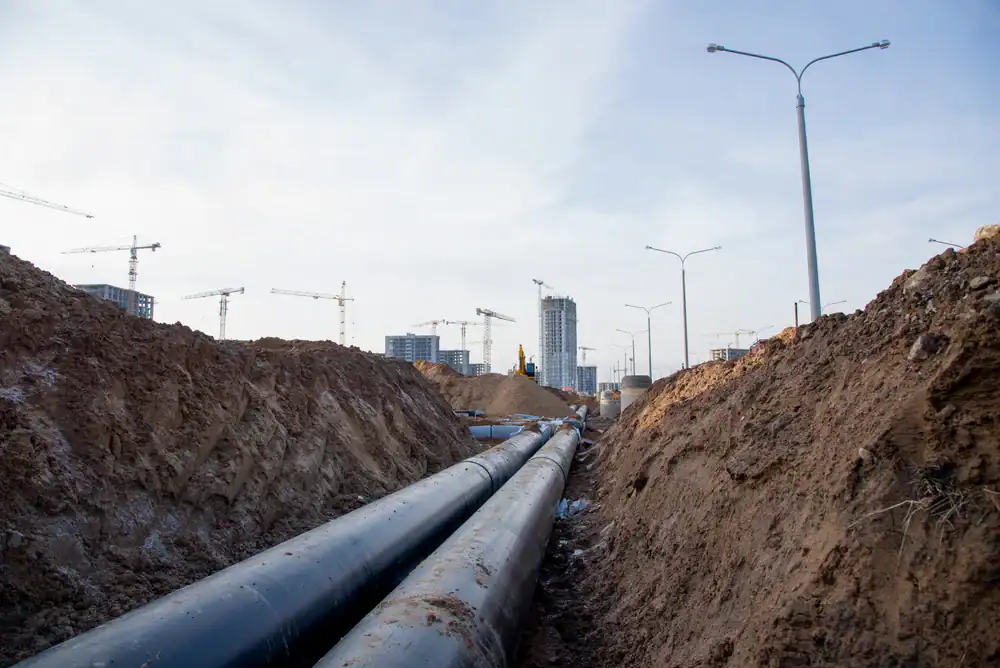
Trenching means digging a path from your house to your cesspool to access the buried waste line. The trench needs to be deep enough to reach the pipe—usually 2 to 4 feet depending on how your system was originally installed.
Yes, this disrupts your yard temporarily. But experienced crews know how to minimize damage. We remove sod in sections so it can be replaced, we avoid mature trees and landscaping features when possible, and we compact and grade the soil properly when backfilling so you don’t end up with a sunken trench line six months later.
If your cesspool is located under a paved area or near structures, we adjust our approach. Sometimes that means accessing from a different angle or using trenchless methods for part of the run. Every property is different, and we plan the excavation route before we start digging.
Gravity moves waste through your system. If the pipe doesn’t slope correctly, waste and water don’t flow—they sit in the line, causing backups, clogs, and odors.
New York code specifies minimum slopes: 1/4 inch per foot for the connection from your house to the cesspool, and 1/8 inch per foot for the outlet pipe from the cesspool. Too flat and waste accumulates. Too steep and water rushes ahead, leaving solids behind.
Getting this right requires a level, a grade laser, and experience. We’ve seen DIY jobs and cut-rate installations where the slope is off, and the homeowner ends up with chronic drainage problems that require tearing everything out and starting over. Proper pitch isn’t optional—it’s the difference between a system that works and one that fails within a year.
Most residential line changes in Elwood take one to three days depending on distance, depth, and site access. If we’re replacing 50 feet of pipe in open yard space with no obstacles, that’s a faster job than navigating 100 feet around landscaping, under a driveway, or through rocky soil.
Day one is usually excavation and removal of the old pipe. Day two involves installing the new line, making connections, and backfilling. If we need to coordinate with other trades—like a plumber to disconnect indoor fixtures or a paving contractor to restore a driveway—that adds time.
We’ll give you a realistic timeline during the estimate. What we won’t do is rush the job to hit an artificial deadline and compromise the installation quality. You want this done right so you’re not dealing with the same problem again in five years.
Not during active excavation and installation. Once we disconnect the old waste line, there’s no path for sewage to leave your house until the new line is connected and tested.
For most jobs, you’ll need to avoid using sinks, toilets, showers, and appliances that drain for several hours to a full day. We’ll coordinate timing with you so the disruption happens when it’s least inconvenient—and we work efficiently to restore service as quickly as possible.
If you have a multi-day job, we can sometimes establish a temporary connection at the end of each day so you have limited plumbing access overnight. It depends on the specifics of your system and how the work is sequenced.
Sometimes we uncover issues that weren’t visible before we started digging—a damaged cesspool inlet, tree roots that have compromised the tank itself, or soil conditions that require additional shoring or dewatering.
When that happens, we stop, explain what we found, and give you options. If it’s something that needs immediate attention to complete the line change properly, we’ll tell you what it costs and why it matters. If it’s a separate issue that can be addressed later, we’ll document it and let you decide.
We don’t surprise you with inflated bills at the end. Any scope change gets discussed and approved before we proceed. You’re in control of what gets done and what you spend—we just make sure you have the information to make the right call for your property and budget.
Other Services we provide in Elwood