
Hear from Our Customers
Your waste line might look fine from the surface, but underneath, it’s dealing with decades of pressure, shifting soil, and Suffolk County’s unique ground conditions. When the pitch goes off or pipes crack, waste stops flowing the way it should.
You’ll notice slow drains first. Then gurgling sounds. Then, if you wait too long, raw sewage backing up into your home during a family gathering or right before you’re trying to sell.
A proper line change fixes the connection between your home and cesspool before it becomes an emergency. You get the right pipe pitch and slope, professional trenching that doesn’t destroy your yard, and a sewer line to cesspool connection that actually works. Most importantly, you avoid turning a manageable repair into a full system replacement that costs five times as much.
We’ve been handling line changes in Flanders, NY for years, and we’ve seen what happens when companies cut corners on excavation or ignore proper pipe slope. You end up with the same problem six months later.
We’re licensed through Suffolk County and we actually understand the regulations that changed in 2019. That matters because you can’t just replace a cesspool with another cesspool anymore, which makes keeping your existing system running correctly more important than ever.
When we dig, we’re thinking about your property, your utilities, and the fact that you don’t want a torn-up yard for weeks. We do the job right so you don’t have to call someone else to fix it later.
First, we locate your existing waste line and mark all utilities. You don’t want a backhoe hitting your water line or electric, and we don’t either.
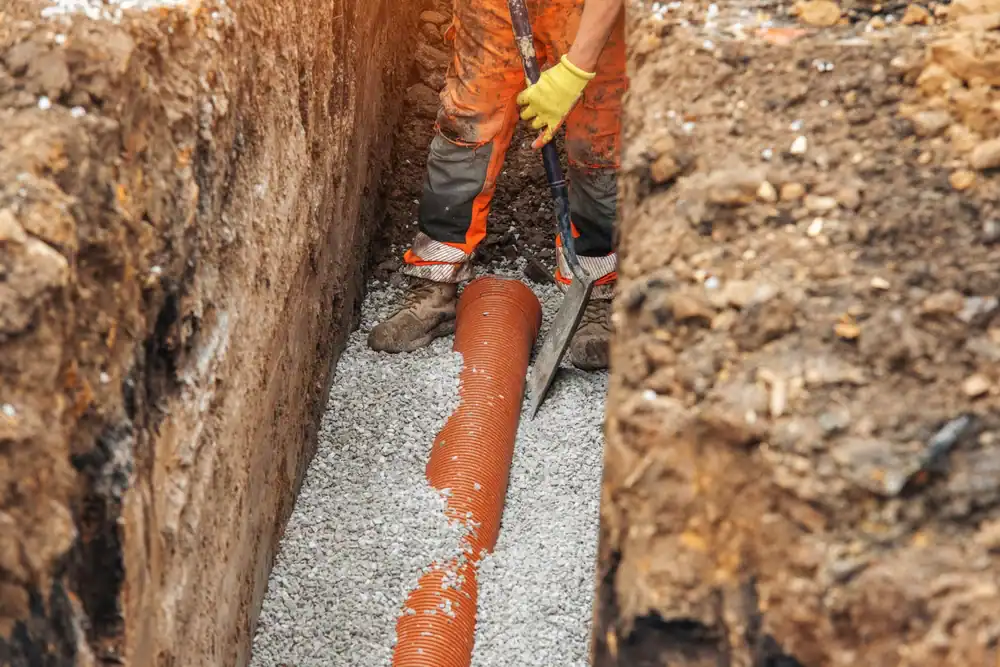
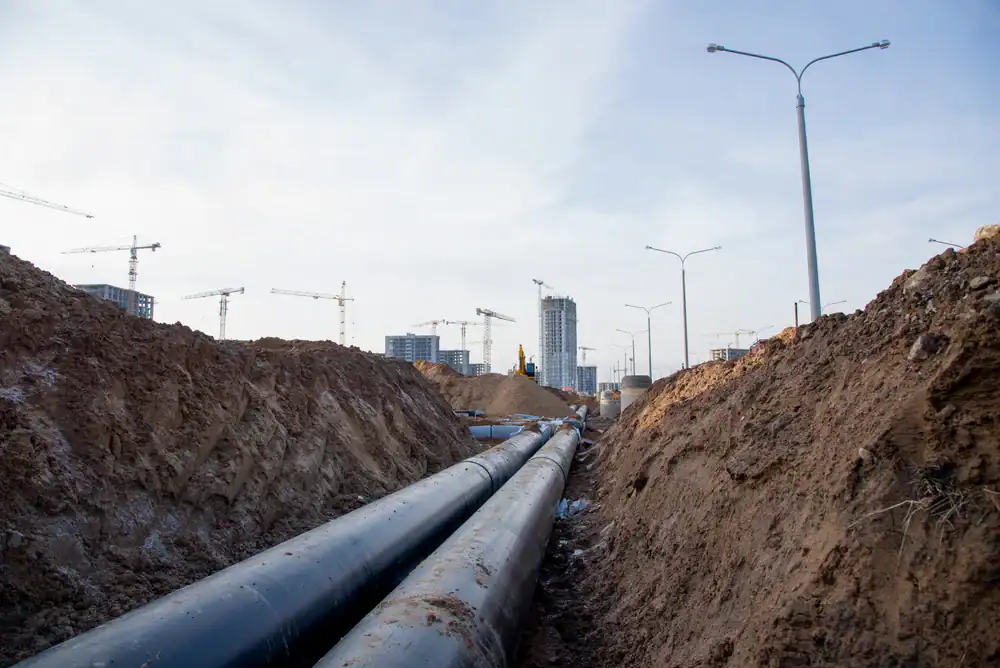
Then we excavate the trench from your home to the cesspool. This is where experience matters because Flanders soil can shift, and if the trench isn’t dug correctly, your new line won’t last. We’re setting up the right depth and width for proper pipe installation.
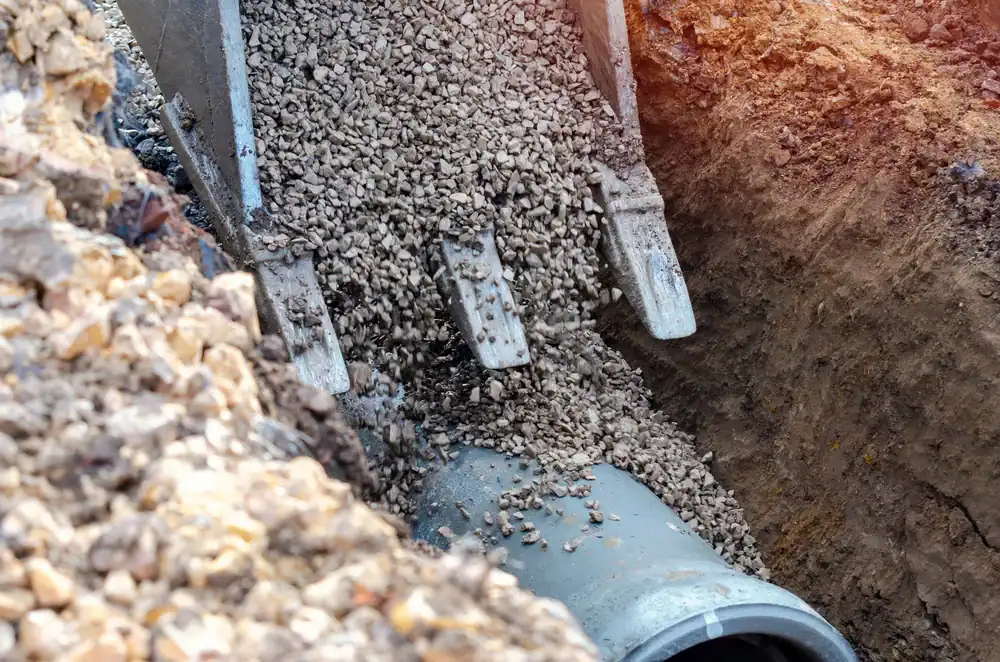
Next comes the actual pipe work. We install new waste line with the correct pitch and slope so gravity does its job. Too flat and waste sits in the pipe. Too steep and liquids run ahead of solids. We measure it right.
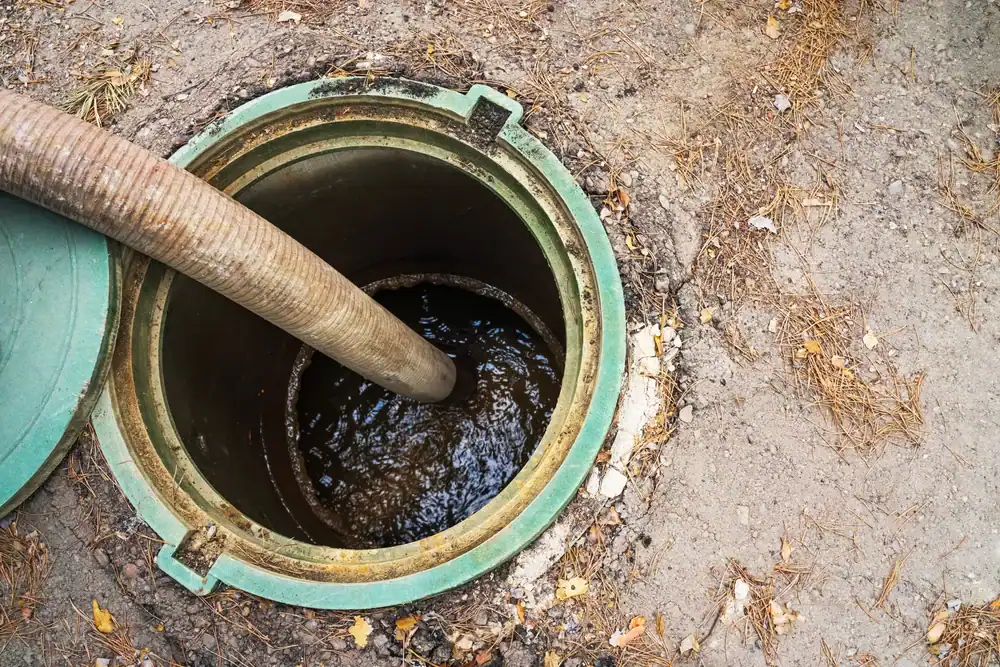
Finally, we connect everything to your cesspool, test the flow, backfill the trench, and restore your property. You’re not looking at a construction zone for weeks. We get in, do it right, and get out.
Ready to get started?
You’re getting a complete waste line replacement from your home’s main drain to the cesspool. That includes excavation, new pipe installation with engineered pitch and slope, proper connections at both ends, and site restoration.
In Flanders, most homes are dealing with older cesspool systems that were installed before Suffolk County tightened regulations. About 75% of households here still use cesspools, and with the 2019 rule changes, you can’t just swap an old cesspool for a new one anymore. That makes line changes one of the smartest ways to extend your system’s life without facing a $19,000+ upgrade to a full septic system.
We handle the permit process with Suffolk County, which matters because they’re strict about underground work. We also bring proper safety equipment for excavation, mark utilities before we dig, and make sure the connection to your cesspool is watertight. You’re not getting a quick patch job that fails in two years.
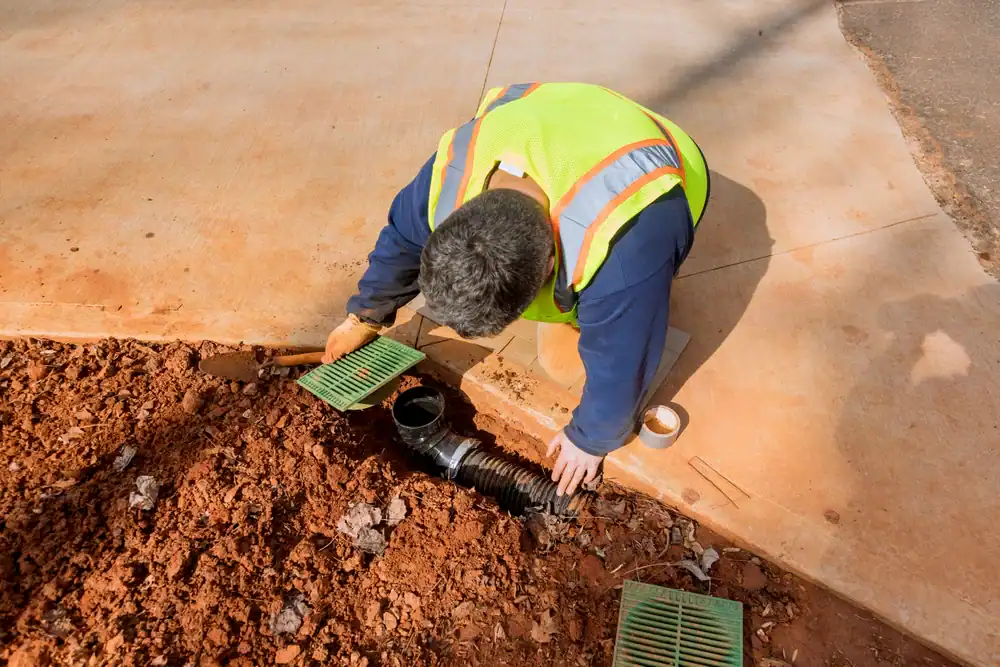
If your drains are slow, you’re getting backups, or you’re seeing wet spots in your yard near the waste line, the problem might just be the pipe connection, not the cesspool itself. A line change costs a fraction of what a full system replacement runs.
Here’s the test: if your cesspool is still holding waste and the issue is between your house and the tank, you’re looking at line work. If the cesspool is failing, overflowing, or you’re seeing sewage surfacing near the tank, that’s a bigger problem.
We can assess your system and tell you exactly what’s failing. Most homeowners in Flanders are surprised to learn their cesspool is fine and they just need new pipe with proper slope. That’s a few thousand dollars instead of twenty thousand.
Time and ground movement. Your waste line is buried underground dealing with constant pressure from waste flow, shifting soil, freeze-thaw cycles, and sometimes tree roots looking for water.
In Flanders, the soil composition means ground shifts more than people realize. A pipe that was installed with perfect pitch thirty years ago might now be sitting at the wrong angle. When that happens, waste doesn’t flow right and you get buildup, clogs, and eventually backups.
Older pipes also crack. Cast iron corrodes. Clay pipes separate at joints. If your home was built before 1990, there’s a good chance your waste line is original and showing its age.
Most line changes take one to two days depending on distance and soil conditions. We’re not talking about a week-long project that tears up your entire yard.
We dig a trench from your home to the cesspool, typically three to four feet deep and about two feet wide. Yes, that means some excavation, but we’re strategic about placement and we restore the area when we’re done. Grass grows back. Landscaping gets replanted.
What you won’t have is a permanent scar across your property. We backfill properly, compact the soil, and make sure you’re not left with a sunken trench six months later. Your yard recovers faster than you’d think.
You can, but it’s usually not smart. If one section of your waste line is failing, the rest isn’t far behind. Patching buys you time, maybe a year or two, but then you’re paying for excavation twice.
Think about it like this: we’re already digging up your yard, bringing equipment, and doing the work. The cost difference between patching ten feet and replacing fifty feet isn’t huge, but the difference in how long the repair lasts is massive.
Most homeowners who patch end up calling us back within two years for another repair. At that point, they wish they’d just done the full line change the first time. We’ll give you an honest assessment of whether a patch makes sense, but usually it doesn’t.
Waste lines need to slope at about a quarter inch per foot. That’s the sweet spot where gravity moves waste along without liquids running too fast and leaving solids behind.
Too flat and waste sits in the pipe. You get buildup, clogs, and slow drains. Too steep and you get the opposite problem—liquids drain fast but solids stay put, which eventually blocks the whole line.
This is where experience matters. We’re not eyeballing it or guessing. We measure the slope, check it with levels, and make sure the pitch is consistent from your home to the cesspool. That’s how you get a line that works for decades instead of failing in five years.
Yes. Suffolk County requires permits for underground excavation and waste line work. This isn’t optional, and if you skip it, you can face fines and problems when you try to sell your home.
The permit process covers safety requirements, proper depth, connection standards, and environmental protection. Suffolk County takes this seriously because of groundwater concerns and nitrogen pollution from failing systems.
We handle the permit application as part of the job. You’re not filling out paperwork or dealing with the county yourself. We know what they require, we submit the right documentation, and we make sure the work passes inspection. That’s one less thing you have to worry about.
Other Services we provide in Flanders