
Hear from Our Customers
You’re dealing with slow drains, foul smells, or worse—sewage backing up into your home. That’s not just inconvenient. It’s a health risk, a property value problem, and something that gets exponentially more expensive the longer you wait.
When we handle your line changes, you’re getting a system that drains properly, meets local code, and doesn’t fail again in six months because someone cut corners. We dig down to the actual problem—whether that’s pipe pitch and slope issues, root intrusion, or complete pipe failure—and fix it so it lasts.
You’ll know exactly what’s wrong before we start digging. You’ll see the plan, understand the timeline, and get a system that works the way it’s supposed to. No surprises, no upselling, no coming back three times because the first fix didn’t hold.
We’ve been serving Glen Cove homeowners who need honest answers and reliable work. We’re the crew that shows up when your system fails at the worst possible time—and we’re the ones you call back when you need maintenance or another property serviced.
Glen Cove’s soil conditions and older infrastructure mean line changes here aren’t one-size-fits-all. We know the local codes, the common failure points in older neighborhoods, and how to navigate the permitting process without adding weeks to your timeline.
You’re not getting a sales pitch. You’re getting a diagnosis, a realistic price, and a crew that’s done this hundreds of times in your area.
First, we inspect the line—usually with video equipment—so you can see exactly what’s failing and where. No assumptions, no guessing. You’ll know if it’s a partial repair or a full replacement before we touch a shovel.
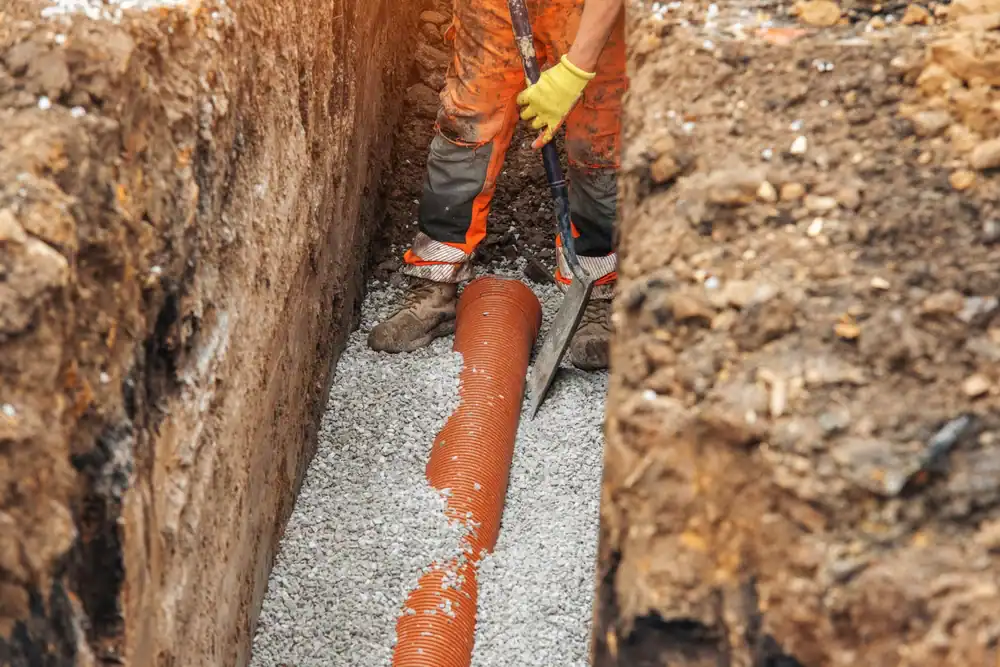
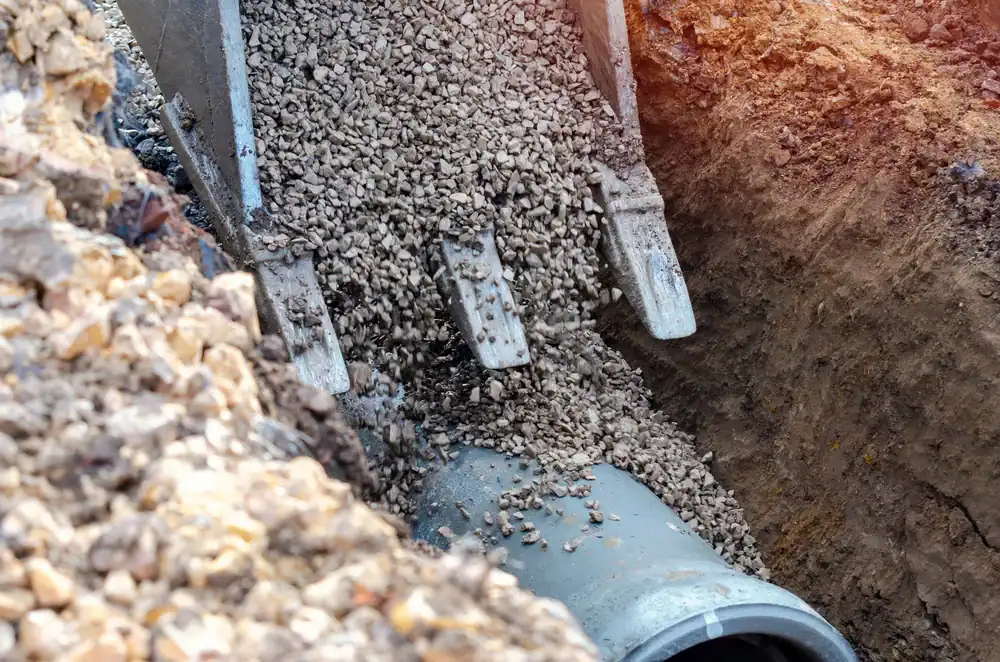
Once we’ve mapped out the problem, we handle the trenching and excavation. That means digging down to your existing line, removing the damaged section, and prepping the trench with the right base material. If your pipe pitch and slope are off—which causes chronic backups even in newer systems—we correct that during installation.
Then we install the new line, connect it properly to your cesspool, backfill the trench, and compact everything so you’re not dealing with settling or sinkholes later. We test the system before we leave, so you know it’s draining correctly and meeting code.
The whole process typically takes one to three days depending on depth, access, and whether we’re replacing a short section or running a new line from your house to the cesspool. You’ll have a working system and a yard that’s restored to grade.
Ready to get started?
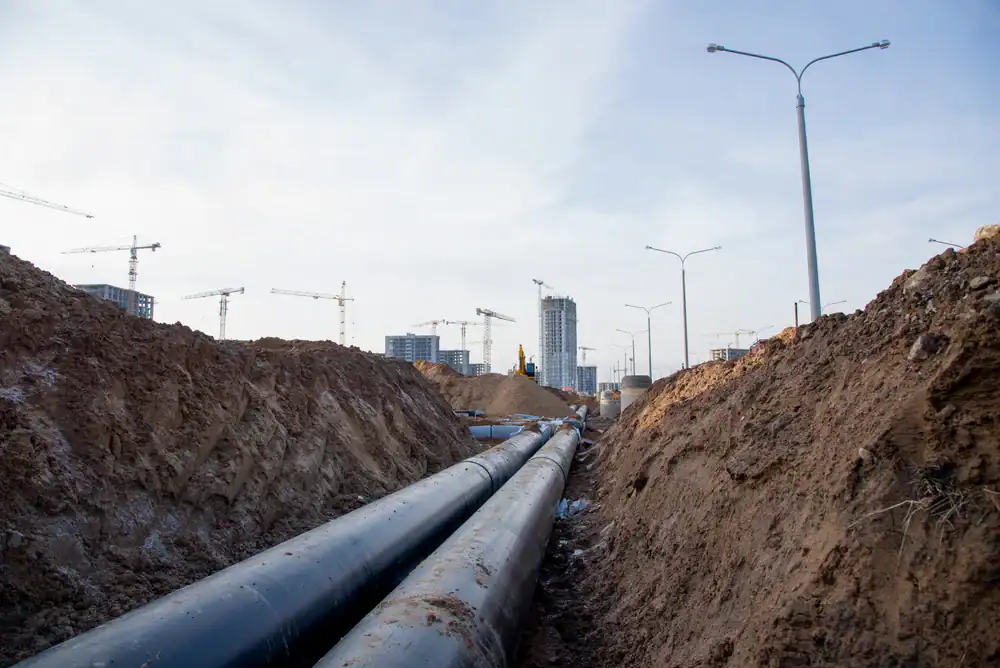
You’re getting a full-scope line change, not a patch job. That includes video inspection to confirm the damage, excavation to access the failed section, removal of old pipe, and installation of new code-compliant materials with proper slope.
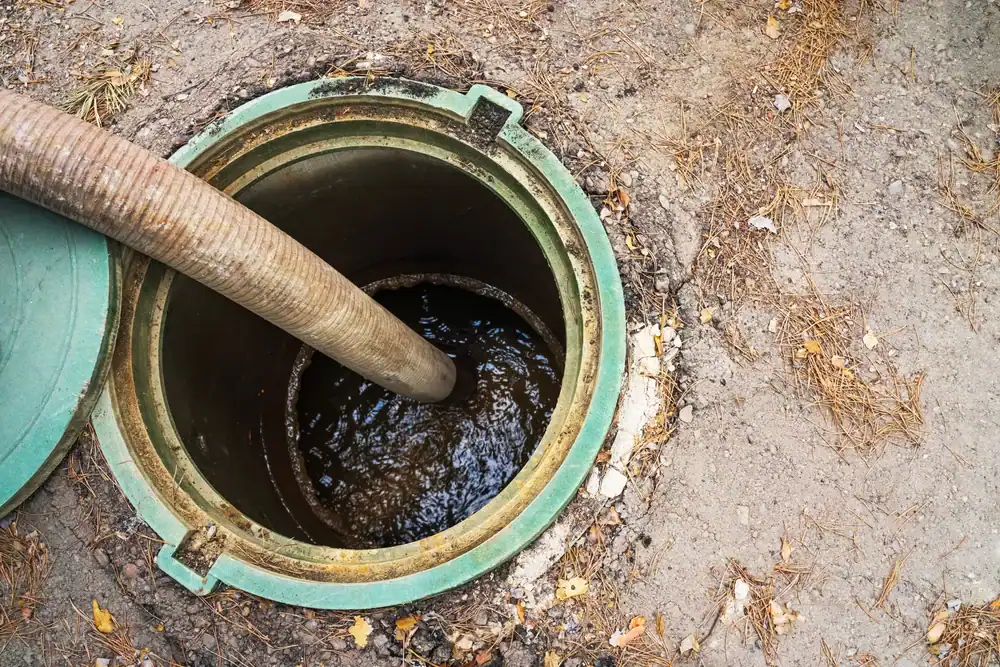
In Glen Cove, many older homes are still on cesspool systems that were installed decades ago. When those lines fail—whether from age, root intrusion, or ground movement—you need someone who understands how these systems work and what it takes to connect a new line properly. We handle everything from the building connection to the cesspool inlet, including any pitch corrections that prevent future backups.
We also manage the permitting and inspections required in Nassau County. That’s not optional, and it’s not something you want to skip if you’re planning to sell your home or refinance. A line change done without permits can hold up a real estate transaction or cost you thousands to redo later.
You’ll get a system that passes inspection, drains correctly, and doesn’t create problems down the line. And if we find other issues during the dig—like a failing cesspool or distribution box—we’ll tell you straight so you can make an informed decision.
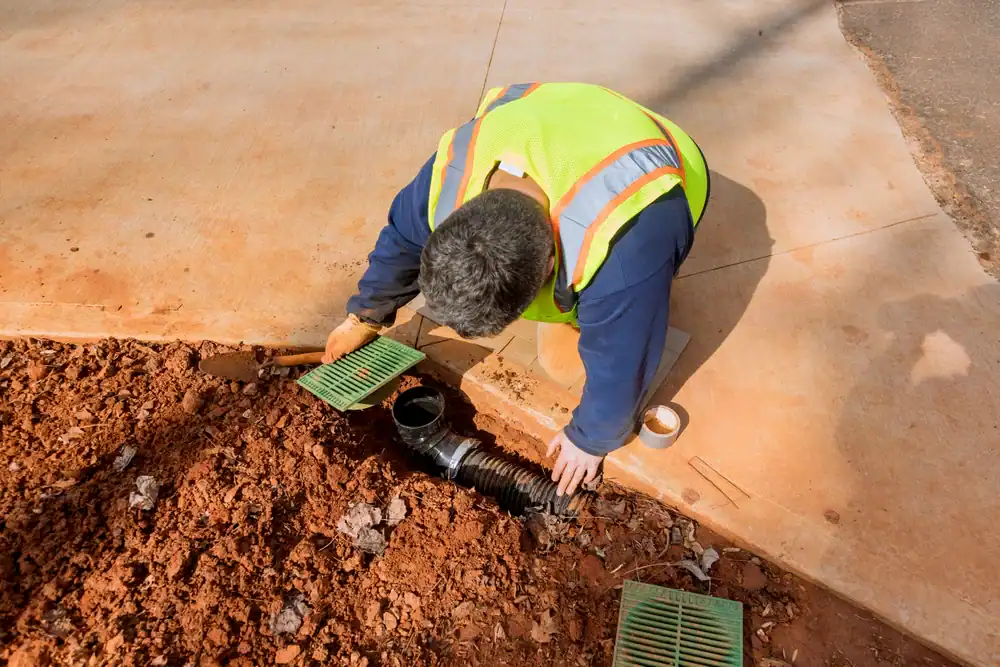
Most people don’t know until someone actually looks at the line. That’s why we start with a video inspection—it shows us exactly where the damage is, how extensive it is, and whether the rest of the line is still in good shape.
If you’ve got a small crack or a single joint that’s separated, a spot repair might be enough. But if the pipe is collapsed, offset, or deteriorated along multiple sections, a full replacement is the smarter move. Patching a line that’s going to fail again in a year just means you’re paying twice.
We’ll show you the video footage and explain what we’re seeing. You’ll know whether you’re looking at a repair or a replacement, and why. If there’s a judgment call, we’ll walk you through the pros and cons so you can decide what makes sense for your situation and your budget.
The most common culprits are age, root intrusion, and ground movement. A lot of Glen Cove’s housing stock was built in the mid-20th century, and those original sewer lines are well past their expected lifespan. Cast iron corrodes, clay cracks, and even older PVC can become brittle.
Tree roots are the other big issue. They seek out moisture, and even a tiny crack in your sewer line is an invitation. Once roots get in, they expand, block flow, and eventually break the pipe apart. If you’ve got mature trees near your line, roots are almost always involved in backups and slow drains.
Ground movement—whether from settling, freeze-thaw cycles, or heavy equipment driving over your yard—can also shift pipes out of alignment. When that happens, you lose the slope you need for gravity drainage, and waste starts pooling in low spots. That leads to chronic backups even if the pipe itself isn’t broken.
Most residential line changes take one to three days from start to finish. That includes excavation, pipe removal, new installation, backfill, and cleanup. The timeline depends on how deep your line is, how much we’re replacing, and whether we run into complications like ledge rock or unexpected utility lines.
If we’re replacing a short section near the house, we might finish in a day. If we’re running a new line from your foundation to a cesspool that’s 50 or 75 feet away, it’s going to take longer. Access matters too—if we can get equipment into your yard easily, it’s faster. If we’re hand-digging around landscaping or tight spaces, it adds time.
We’ll give you a realistic timeline upfront based on your specific situation. And if something comes up during the dig that changes the schedule, we’ll let you know right away. You won’t be left guessing when your system will be back online.
Yes. Any time you’re replacing or relocating a sewer line in Nassau County, you need a permit and an inspection. That’s not optional, and it’s not something you want to skip—even if someone offers to do it cheaper without one.
Unpermitted work can come back to haunt you when you sell your home. Title companies and buyers’ attorneys often require proof that major plumbing work was done legally. If you can’t produce permits, you might have to redo the work or escrow thousands of dollars at closing. It’s not worth the risk.
We handle the permitting process as part of the job. We’ll pull the permit, schedule the inspection, and make sure everything is documented properly. You’ll have a paper trail that shows the work was done to code, which protects your investment and makes future transactions smoother.
We’ll stop and talk to you before we do anything beyond the original scope. If we’re digging down to your sewer line and find that your cesspool is also failing, or your distribution box is collapsed, you need to know that before we backfill and move on.
Sometimes the line itself is fine, but the pitch is wrong, or there’s a bellied section where waste is pooling. Other times we’ll find that tree roots have damaged not just the pipe, but also the cesspool inlet. These aren’t things you can see from the surface, and they’re not things we can predict until we’re in the ground.
When we find additional issues, we’ll explain what we’re seeing, what it means for your system, and what your options are. You can choose to address it now while we’re already mobilized and the trench is open, or you can defer it if budget is tight. Either way, you’ll know exactly what’s going on with your system, and you won’t be surprised by a failure six months later.
It depends on the length of the run, the depth of the line, site access, and whether we’re dealing with rock or other complications. A straightforward replacement of 30 to 50 feet of pipe typically runs several thousand dollars. Longer runs, deeper excavations, or difficult access can push that higher.
The best way to get an accurate number is to have us come out and assess your specific situation. We’ll measure the distance, check the depth, look at access for equipment, and give you a detailed estimate that covers everything from excavation to final grading. No surprises, no “oh by the way” charges once we start digging.
What you’re paying for is a system that works, meets code, and doesn’t fail again in a few years because someone rushed the job or used substandard materials. Cheaper isn’t always better when you’re talking about your home’s waste system. You want it done right, and you want it to last.
Other Services we provide in Glen Cove