
Hear from Our Customers
A properly installed main waste line means no more sewage backing up into your home at the worst possible time. You’re not dealing with raw waste in your basement or that smell that makes you embarrassed to have anyone over.
When the pipe pitch is correct and the sewer line to cesspool connection is done right, everything flows the way it should. Your drains work. Your toilets flush without hesitation. You’re not calling for emergency service every few months because tree roots found another weak spot in aging clay pipes.
The real benefit isn’t just fixing what’s broken. It’s knowing your waste system won’t fail again next season because someone cut corners on the excavation or didn’t account for Long Island’s high water table. That’s what a professional line change gets you.
We’ve spent over a decade working in Great River and throughout Suffolk County. We’re licensed, insured, and we understand exactly how the local soil conditions affect your cesspool system and waste lines.
Most homes in this area don’t have access to public sewers. That means your cesspool system has to work perfectly, and the lines connecting to it need to be installed with the right slope and materials. We’ve replaced enough failing cast iron and clay pipes in Great River to know what holds up and what doesn’t.
When you call us, you’re getting technicians who’ve done this work in your neighborhood. We know the local codes, we pull the right permits, and we show up when we say we will.
First, we assess your current system to figure out exactly where the problem is and what’s causing it. That means locating your existing waste line, checking the connection to your cesspool, and determining whether you need a full replacement or if we can address a specific section.
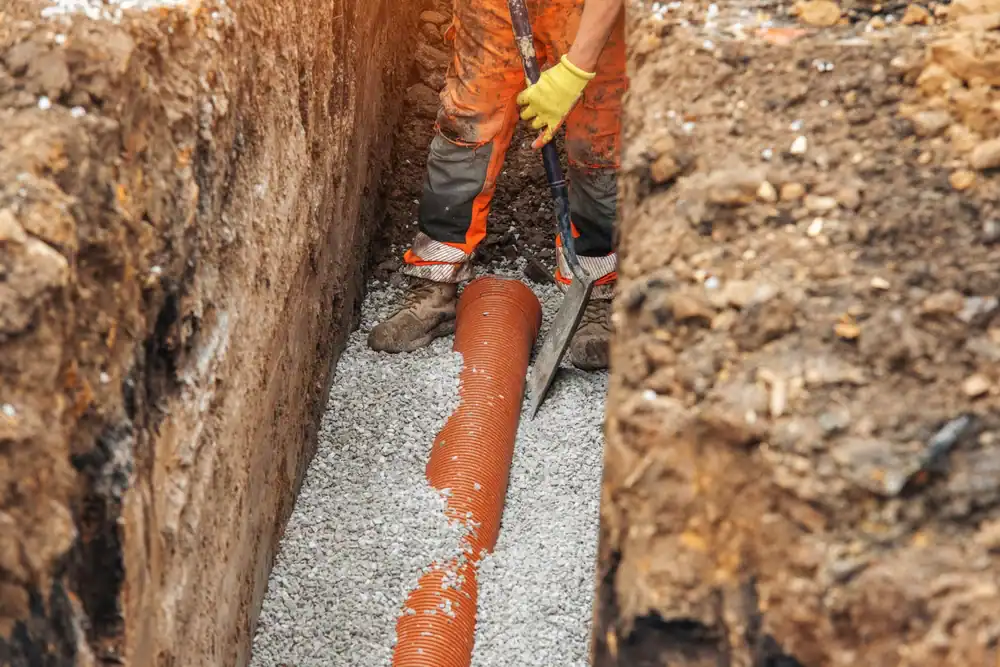
Once we know what needs to happen, we handle the trenching and excavation. Our crew digs carefully to expose the damaged pipe while minimizing disruption to your property. We’re strategic about truck placement and hose routing so we’re not tearing up more of your yard than necessary.
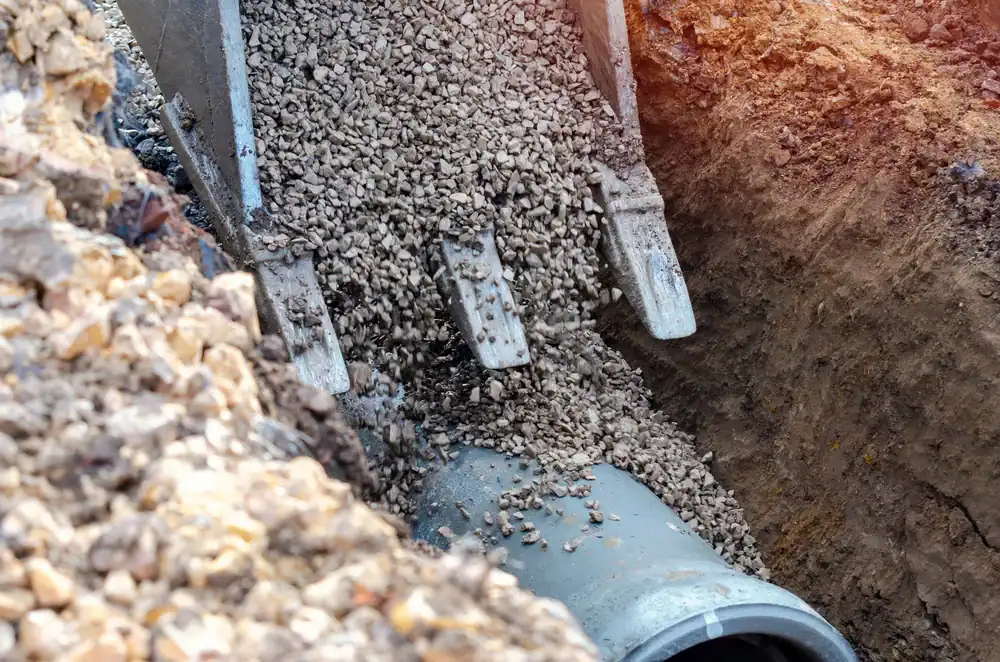
Then we install the new line with proper pipe pitch—minimum quarter-inch per foot—so gravity does its job and waste flows correctly. We make sure the sewer line to cesspool connection is solid and sealed. After the new pipe is in and tested, we backfill the trench and restore your property as close to original condition as possible.
You get a system that works, and you’re not left with a disaster zone in your yard.
Ready to get started?
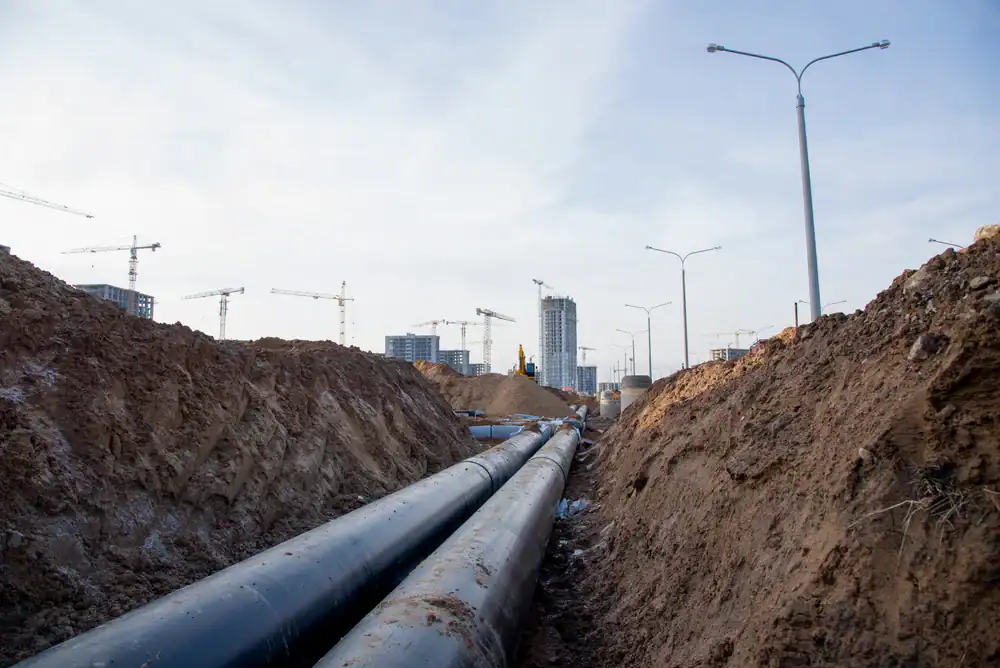
A complete line change means we’re handling everything from start to finish. You’re getting professional excavation with proper shoring and safety protocols, not some crew that shows up and starts digging without a plan.
We remove your old, failing pipe—whether it’s deteriorated cast iron from the 1950s or clay pipe that’s been invaded by tree roots. Then we install new, durable pipe material that’s built to last in Great River’s conditions. That includes setting the correct slope so waste doesn’t collect in low spots and cause future backups.
In Suffolk County, where most properties rely on cesspools instead of public sewers, the connection between your main waste line and cesspool has to be done right. We make sure that connection is secure and code-compliant. We also obtain any necessary permits so you’re not dealing with violations down the road.
If you’re facing an emergency—sewage backing up into your home—we respond 24/7. We understand that pipe failures don’t wait for business hours, and neither do we.
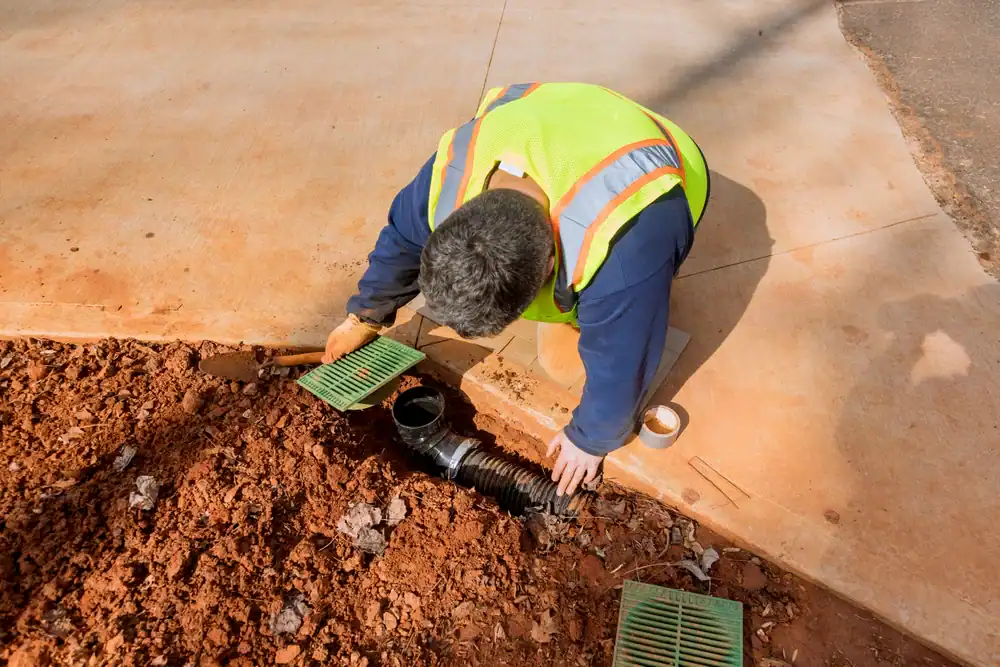
If you’re dealing with repeated backups, multiple slow drains throughout your home, or sewage surfacing in your yard, you’re likely looking at a line change rather than a simple repair. Older homes in Great River—especially those built before 1980—often have cast iron or clay pipes that have reached the end of their lifespan.
Tree roots are another major factor. Once roots get into your sewer line, they don’t just cause a blockage you can snake out. They crack and break the pipe itself. If we camera your line and see significant root intrusion or multiple breaks, patching one spot won’t solve your problem. You need the damaged section replaced, or in some cases, the entire line from your home to the cesspool.
We’ll assess your specific situation and tell you honestly what needs to happen. If a repair will actually fix it, we’ll say so. But if you’re throwing money at temporary fixes when you need a real solution, we’ll tell you that too.
Pipe pitch is the slope of your sewer line, and it needs to be at least a quarter-inch drop per foot of pipe for waste to flow properly. When the pitch is wrong—either too flat or with a belly where the pipe sags—waste collects in those low spots instead of flowing to your cesspool. That leads to chronic backups and slow drains.
In Great River’s sandy soil, pipes can shift over time, especially if they weren’t installed correctly in the first place or if the ground wasn’t compacted properly during backfill. The high water table on Long Island can also cause settling that changes the slope. Older installations sometimes didn’t account for these conditions, which is why you see pitch problems in homes from the 60s and 70s.
Fixing a pitch problem means excavating the affected section and reinstalling the pipe at the correct slope. It’s not something you can address with a snake or hydro jetting. You need trenching and excavation to get access to the pipe, then proper installation so it stays at the right angle.
Most residential line changes in Great River take one to three days, depending on the length of pipe being replaced and what we encounter during excavation. If we’re replacing the line from your house to your cesspool and it’s a straightforward job, we can often complete it in a day or two.
You should expect some disruption to your property—we have to dig a trench to access the old pipe and install the new one. We do our best to minimize the footprint and avoid tearing up driveways, walkways, or landscaping when possible. If we have to go through those areas, we’ll discuss it with you upfront.
During the work, you’ll need to avoid using your plumbing until the new line is connected and tested. We move as efficiently as possible because we know you need your system working. Once the new pipe is in and we’ve confirmed everything flows correctly, we backfill the trench and restore the surface. You’ll have a functioning waste line that’s built to last.
Tree roots will always seek out water sources, and they can travel surprising distances to find them. However, modern pipe materials are much more resistant to root intrusion than the old clay or cast iron pipes common in older Great River homes. When we install a new line, we use durable materials with sealed joints that don’t give roots easy entry points.
That said, if you have large trees near your sewer line, roots can still be a concern over time. Even small cracks or imperfect seals can eventually let roots in if they’re persistent enough. The key is proper installation—tight connections and quality materials make a huge difference in how long your line stays root-free.
If root intrusion is a known issue on your property, we can discuss preventive measures during installation. We can also talk about ongoing maintenance like periodic inspections or root treatments that keep your new line clear. The goal is to give you decades of trouble-free service, not just solve today’s problem and leave you vulnerable to the same issue five years from now.
Most homes in Great River and Suffolk County use cesspools rather than full septic systems because public sewers aren’t available in many areas. A cesspool is essentially a covered pit that collects wastewater—it holds the waste while liquids leach into the surrounding soil. A septic system, on the other hand, has a tank that separates solids from liquids, then sends the liquid to a leach field for further treatment.
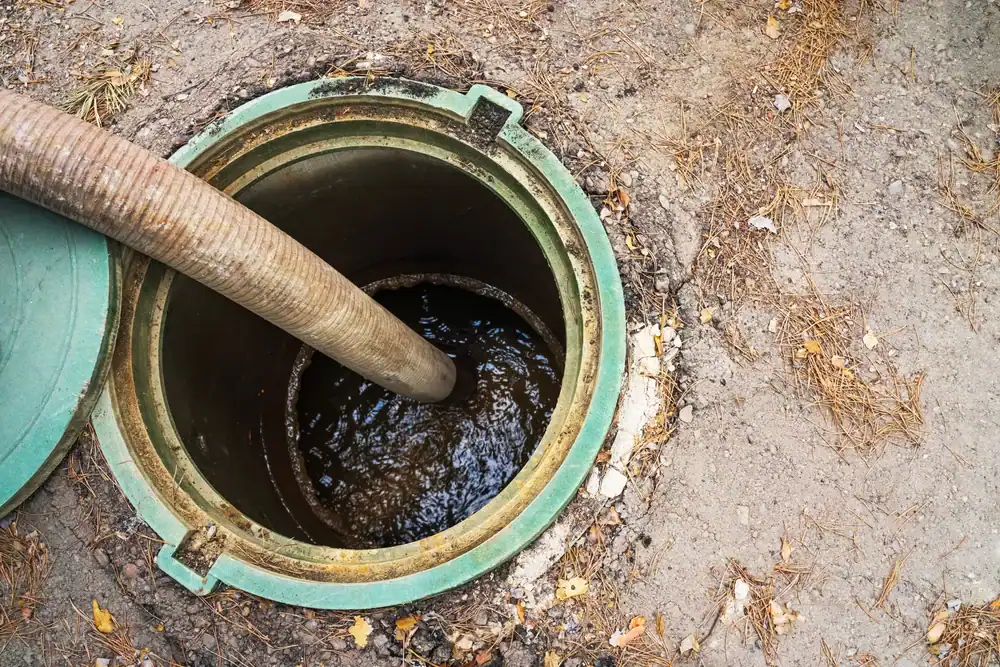
When we’re doing a line change that connects to a cesspool, we’re making sure your main waste line has the proper pitch to deliver waste to that cesspool efficiently. The connection point needs to be sealed correctly so you don’t get leaks that erode the soil around your cesspool or cause groundwater contamination.
Cesspools require regular pumping because they fill up with solid waste over time. If your cesspool is old or undersized for your household, even a perfect line change won’t solve capacity issues—you might still have backups because the cesspool itself can’t handle the volume. We’ll let you know if we see signs that your cesspool is the problem, not just your waste line. Sometimes you need both addressed to get a fully functional system.
Yes. We offer 24/7 emergency service because we know sewer line failures don’t happen on a convenient schedule. If you’re dealing with sewage backing up into your home, that’s a health hazard and a crisis that needs immediate attention.
When you call us for an emergency, we’ll get someone out to assess the situation as quickly as possible. Sometimes we can provide temporary relief—pumping your cesspool if it’s full or clearing a blockage if that’s the immediate cause. But if your line has failed completely, we’ll need to schedule the excavation and replacement work, which requires daylight and proper equipment setup.
We’ll be straight with you about what can be done immediately versus what needs to wait for a full repair. Our goal is to get your system functional again and prevent further damage to your property. We’ve handled enough emergency situations in Great River to know how to prioritize the work and get you back to normal as fast as possible without cutting corners that’ll cause problems later.
Other Services we provide in Great River