
Hear from Our Customers
Your toilets flush without hesitation. Your drains clear in seconds, not minutes. You stop worrying about backups during dinner parties or when family visits for the weekend.
That’s what proper line changes do. When your sewer line to cesspool connection is installed with the right pipe pitch and slope, waste flows the way it should. No standing water in your pipes. No slow drains that turn into full backups.
Most line failures in Greenvale happen because the original installation didn’t account for settling or because tree roots found their way into aging clay pipes. You’ll notice slow drains first, then gurgling sounds, then water backing up through your lowest drain. By the time sewage appears in your basement or yard, you’re looking at contamination and cleanup costs on top of the repair itself.
We replace failed sections or run entirely new lines from your home to your cesspool. The goal is simple: restore proper flow and prevent the problem from coming back next year.
We’ve been handling cesspool and waste line work on Long Island for nearly two decades. We’re a family business, now in our fourth generation, and we’ve seen every type of line failure Greenvale soil conditions can create.
Sandy soil near the LIRR tracks shifts differently than clay-heavy areas closer to Roslyn Cemetery. Homes built in the 1940s and 50s have different pipe materials than newer construction. We know what to expect before we dig, and we know how to handle complications without calling you mid-job to explain why the price just doubled.
We’re licensed, insured, and we carry emergency equipment on every truck. When we say we’ll be there in 30 minutes, we mean it. And when we give you a price upfront, that’s what you pay.
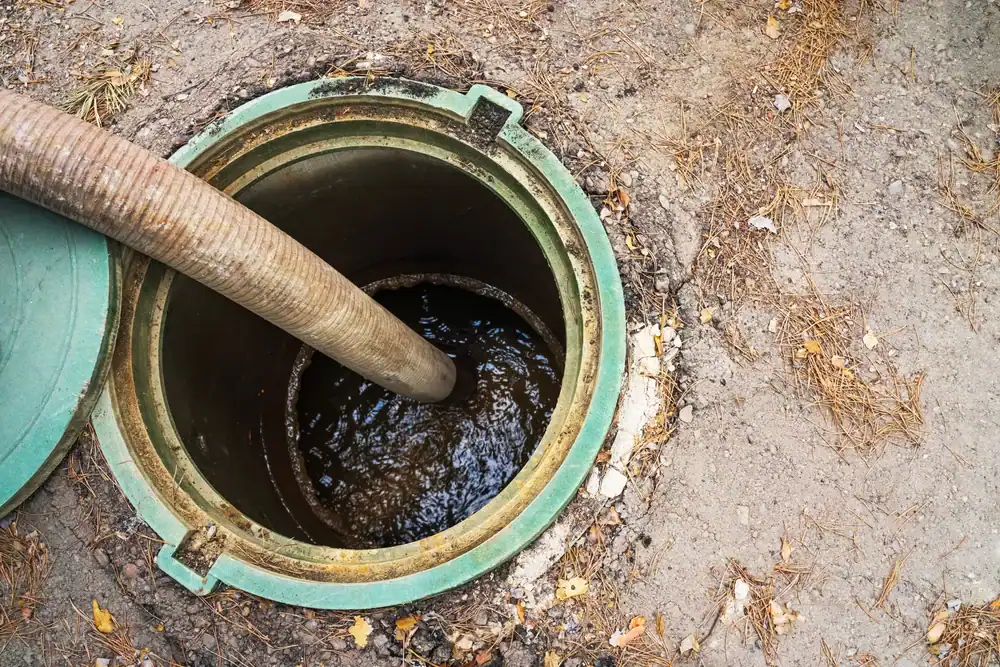
You call us because something’s backing up or draining slowly. We show up, usually within 30 minutes if it’s an emergency, and we assess the situation. That means locating your cesspool, checking access points, and figuring out where the line is failing.
Once we know what’s wrong, we give you an upfront price. No “we’ll see when we get in there” pricing. If we find a collapsed section or root intrusion, we map out the shortest path to fix it with the least amount of digging.
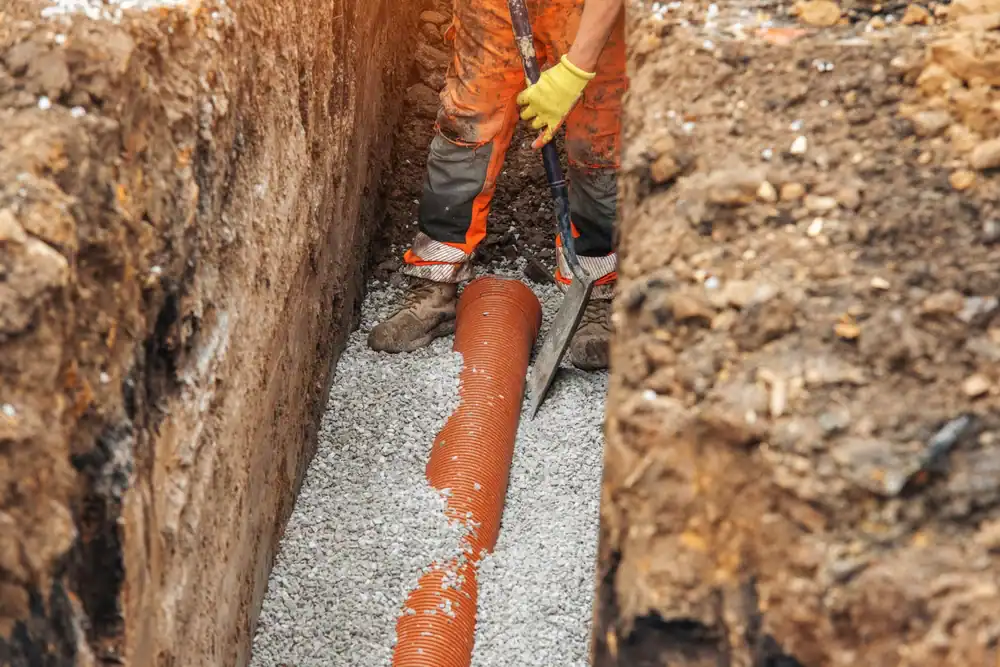
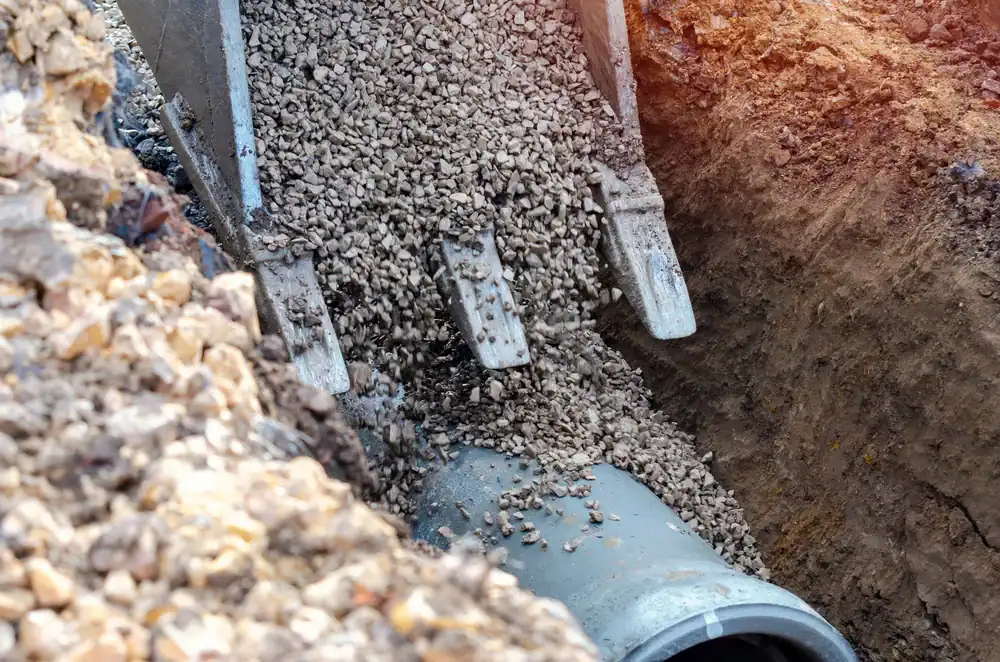
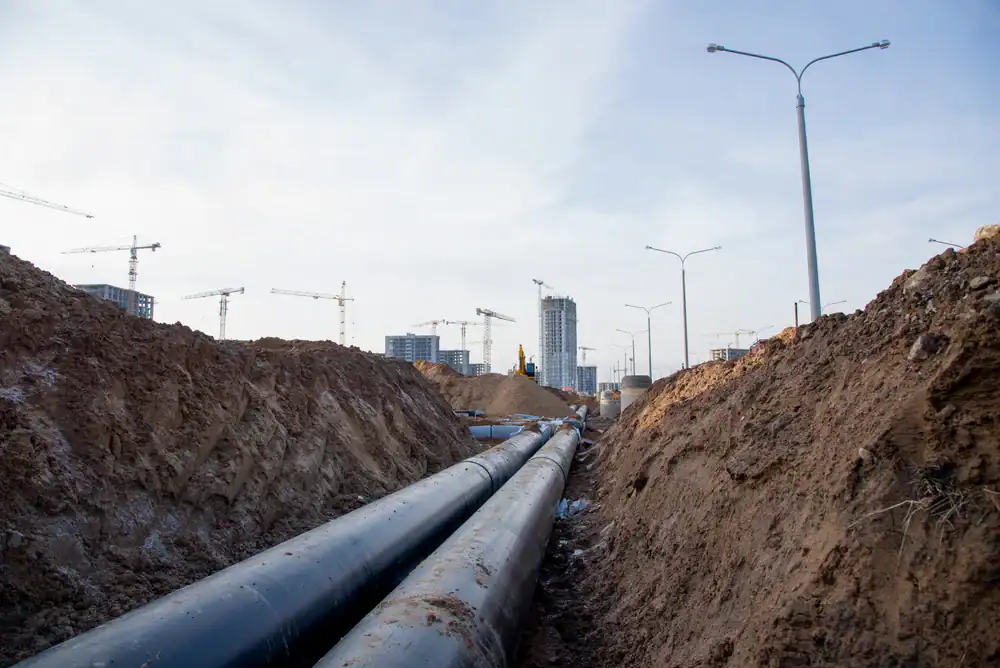
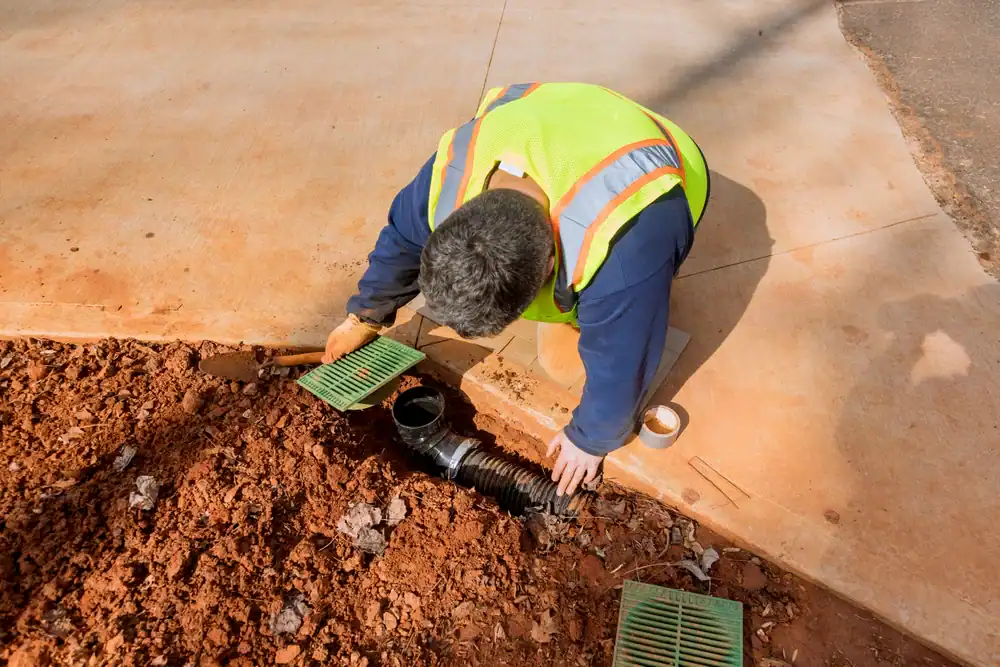
Trenching and excavation is where most companies destroy your landscaping. We don’t. We use small access points—usually 4×4 feet or less—and we only dig where necessary. If your line needs a complete replacement, we trench a clean path from your home to the cesspool, install new pipe with proper pitch and slope, backfill, and compact the soil so it doesn’t settle into a ditch six months later.
The whole process takes anywhere from a few hours to a full day, depending on distance and complications. You’ll have working drains by the time we leave, and you’ll have documentation for Nassau County’s five-year inspection requirements.
Ready to get started?
You get new pipe installed at the correct pitch—typically 1/4 inch per foot—so gravity does the work and waste doesn’t sit in your lines. You get trenches dug to the right depth, which in Greenvale means accounting for frost lines that reach 3+ feet in winter.
You also get a full assessment of your cesspool system before we start. If your tank is near capacity or showing signs of failure, we’ll tell you. Better to know now than to install new lines that dump into a failing system.
Nassau County requires documentation for cesspool maintenance, especially if you’re selling your home. We provide records of the work, including what was replaced, when, and how it meets code. That paperwork matters when inspectors show up or when a buyer’s attorney starts asking questions.
Greenvale’s sandy soil drains well, but it also shifts. That’s why we compact backfill in layers and make sure the surface is level when we’re done. You won’t have a sunken trench running across your yard next spring.
If your drains are slow or backing up and a recent pump-out didn’t fix it, you’re likely dealing with a line problem. Pump-outs clear the tank. They don’t fix broken pipes, root intrusion, or sections that have lost their pitch.
Here’s the test: if you just had your cesspool pumped and your drains are still slow, the problem is between your house and the tank. That’s your waste line. If everything drains fine right after a pump-out but slows down again within weeks, your tank might be undersized or failing, but the lines are probably okay.
We can camera-inspect your lines to show you exactly what’s happening. You’ll see roots, cracks, bellied sections, or collapsed pipe on a screen. No guessing.
Tree roots are the most common culprit. Roots from maples, willows, and oaks seek out moisture, and your waste line is a constant water source. They enter through joints or small cracks, then expand and block the pipe.
Settling soil is the second issue. Greenvale’s sandy soil shifts over time, especially after heavy rain or if the original trench wasn’t compacted properly. When soil settles, your pipe can lose its slope or develop a belly where waste collects instead of flowing.
Aging pipe materials also fail. Clay pipes crack. Cast iron corrodes. If your home was built in the 40s or 50s and the lines have never been replaced, you’re on borrowed time. Most of those materials have a 50-70 year lifespan, and you’re past it.
Less than you think. Most line changes require a trench about 18-24 inches wide running from your home to the cesspool. If we’re only replacing a section, we’ll dig two small access points and pull new pipe through without trenching the entire length.
We’re not here to relandscape your property. We dig what’s necessary, we protect the areas we’re not working in, and we restore the surface when we’re done. That means backfilling in layers, compacting as we go, and leveling the top so you don’t have a visible scar across your lawn.
If your cesspool is 50 feet from your house, expect a 50-foot trench. If it’s 150 feet, expect more digging. But we’re not tearing up flower beds, patios, or driveways unless the line runs directly under them. We’ll find the path that makes sense.
We work year-round. Winter makes the job harder because frost lines in Greenvale reach 3+ feet deep, but we don’t shut down for the season. If your line fails in January, you can’t wait until April to fix it.
Frozen ground means we need heavier equipment and more time to dig, which can increase costs. But if you’re dealing with backups and sewage in your home, waiting isn’t an option. We’ll get it done.
The best time to handle line changes is late spring through fall when the ground is workable and weather is predictable. But if you’re facing an emergency in winter, we’ll be there. We carry equipment for cold-weather work, and we’ve handled plenty of frozen ground over the years.
Line changes replace the pipes that carry waste from your home to your cesspool. A full system replacement means replacing the cesspool itself—the tank, the leach field if you have one, and often the lines too.
If your cesspool is still functioning and the problem is isolated to the waste line, you’re looking at line changes. That’s a few thousand dollars, not fifteen to thirty thousand. If your cesspool is collapsing, overflowing even after pump-outs, or failing inspections, you need a full replacement.
We’ll assess your system and tell you which one you need. If your tank has 10-15 years of life left and only the line is failing, there’s no reason to replace the whole system. But if your cesspool is near the end of its lifespan and your lines are shot, it makes sense to do everything at once and avoid tearing up your yard twice.
Yes. Any work that involves excavation and waste line replacement requires a permit from the Nassau County Department of Health. We handle the permit process as part of the job.
The county wants to make sure new lines meet code—proper depth, correct pitch, approved materials. They also want documentation that the work was done by a licensed contractor. That’s where most DIY attempts fall apart. You can’t get a permit without a license, and you can’t pass inspection without doing it right.
We pull the permit, schedule the inspection, and provide you with copies of everything for your records. If you’re selling your home or dealing with a five-year inspection requirement, that paperwork proves your system is compliant. Without it, you’re looking at fines or being forced to redo the work.
Other Services we provide in Greenvale