
Hear from Our Customers
Your waste system should work without you thinking about it. When lines fail, you’re dealing with backups in your home, sewage smells in your yard, and the constant worry that it’s going to happen again at the worst possible time.
A proper line change means your main waste line connects to your cesspool with the right pitch and slope. Water flows the way it should. You’re not calling for emergency service every few months because someone cut corners on the installation.
The difference is in how the work gets done. Trenching and excavation need to account for Hampton Bays’ sandy soil and seasonal water table shifts. The pipe needs to be pitched correctly so gravity does its job. And the connection between your house and cesspool needs to handle decades of use without breaking down.
We handle cesspool and septic work throughout Hampton Bays and the surrounding areas. We’re licensed and insured, and we know what Suffolk County requires for permits and inspections.
You’re not getting a sales pitch from us. If your line can be repaired instead of replaced, we’ll tell you. If you need a full replacement, we’ll explain why and give you upfront pricing before we start digging.
Hampton Bays properties deal with specific challenges. The sandy soil drains well but doesn’t always provide stable bedding for pipes. Saltwater intrusion affects some areas. We’ve worked on enough systems here to know what works and what doesn’t.
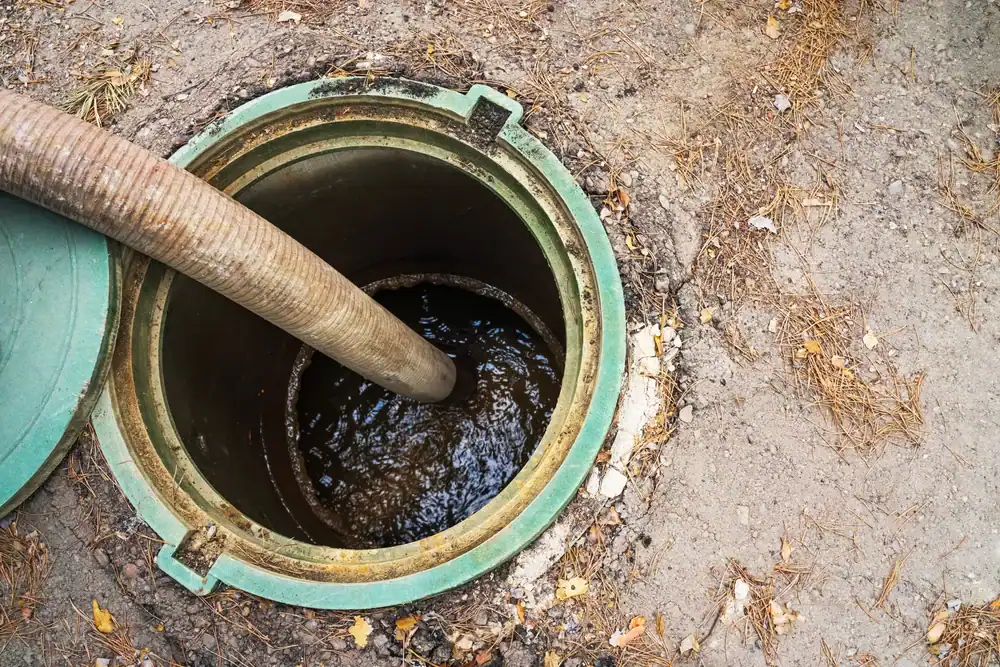
First, we assess the existing line to figure out where the failure is and what caused it. Sometimes it’s a broken connection at the cesspool. Sometimes the pipe has collapsed or shifted because the ground settled. We need to know what we’re dealing with before we give you a price.
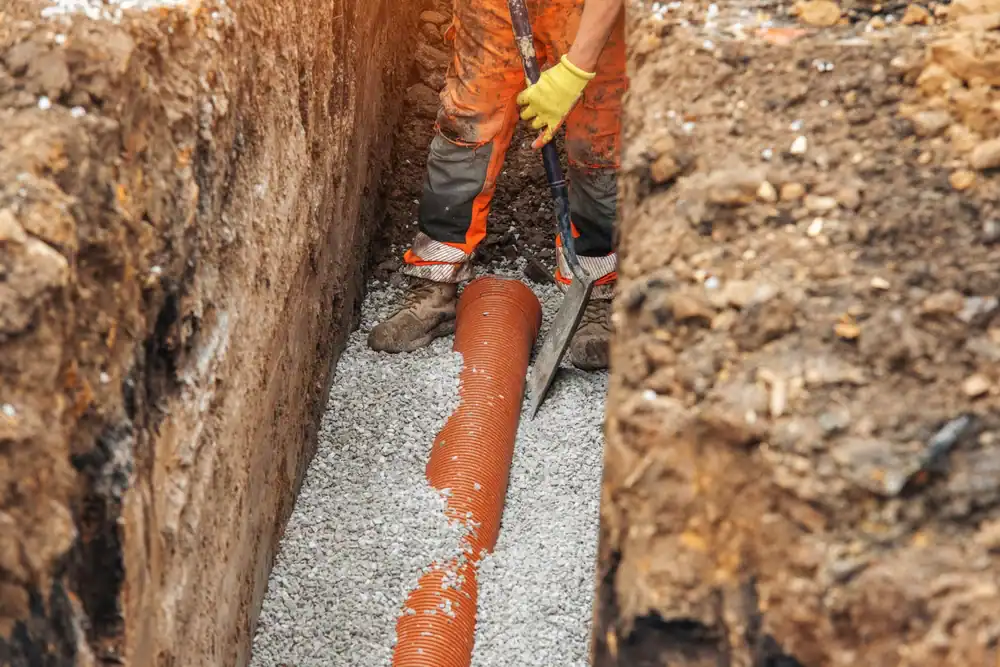
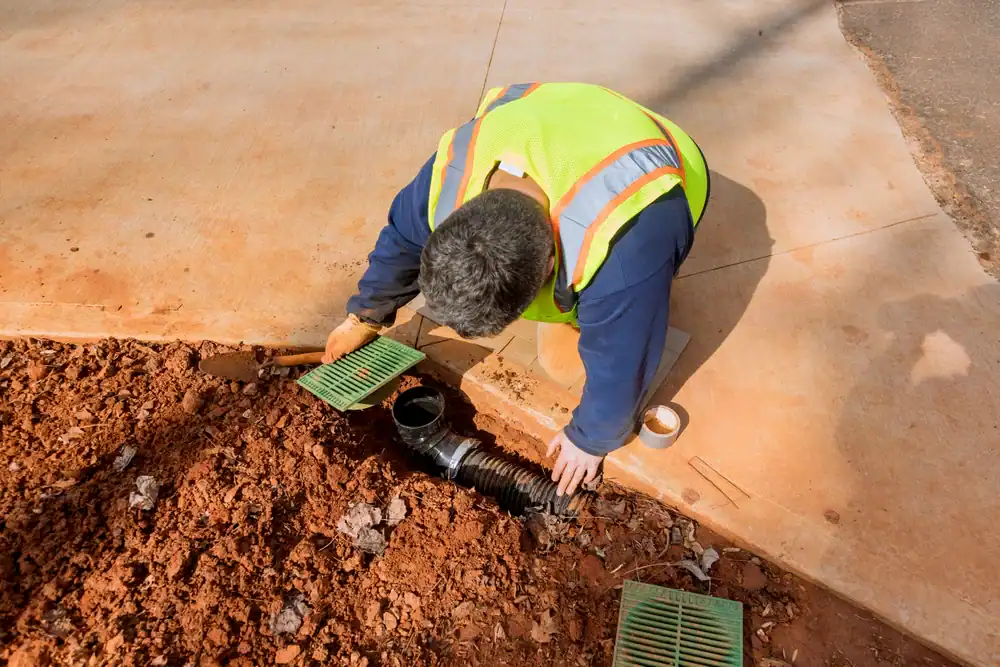
Once you approve the work, we handle the excavation. That means digging a trench from your house to the cesspool, removing the old pipe, and preparing the ground for the new line. We’re careful around existing utilities and landscaping, but trenching is disruptive—there’s no way around that.
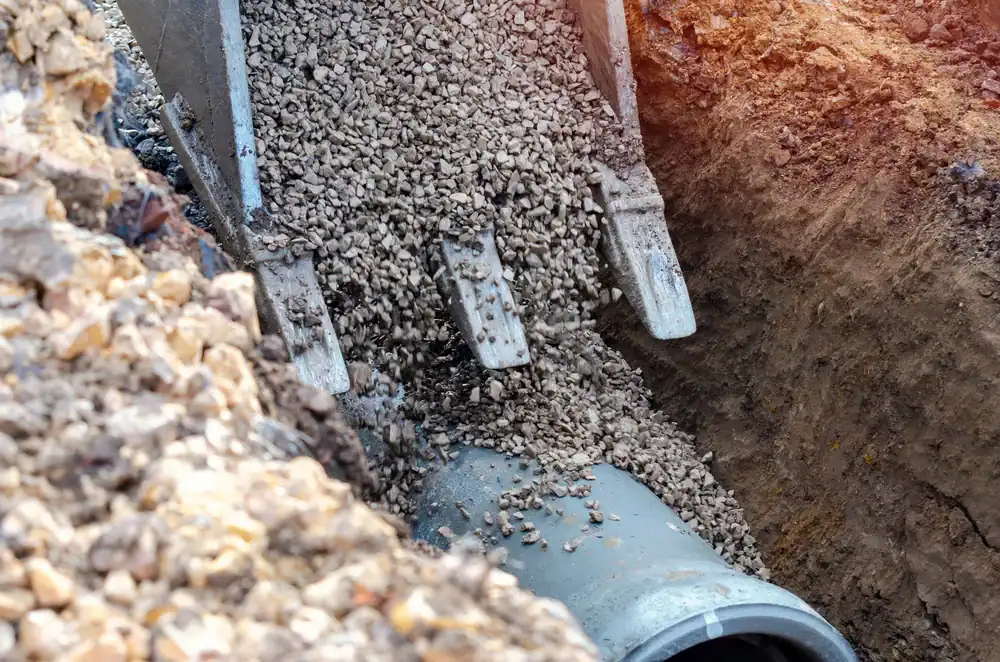
The new pipe gets installed with the correct pitch and slope. This isn’t guesswork. If the slope is too steep or too shallow, you’ll have problems down the road. We make sure gravity moves waste the way it should, and the connection to your cesspool is sealed properly.
After the line is in and inspected, we backfill the trench and restore your yard as close to original condition as possible. You’ll know the job is done right because your system works without backups or slow drains.
Ready to get started?
A line change includes everything from excavation to final connection. We’re not just swapping out a pipe—we’re making sure the entire run from your house to the cesspool functions the way it’s supposed to.
You get proper trenching that accounts for Hampton Bays soil conditions. The trench depth and width meet code requirements, and we compact the soil correctly so the pipe doesn’t shift over time. If we hit groundwater during excavation, we manage it so the installation stays on track.
The pipe itself is sized correctly for your home’s waste output. We use durable materials that hold up in Long Island’s soil and climate. The connection to your cesspool gets sealed to prevent leaks, and the pitch is set so waste flows efficiently without creating clogs or backups.
If permits are required, we handle that process. Suffolk County has specific regulations for septic and cesspool work, and we make sure everything is documented and inspected properly. You’re not dealing with fines or compliance issues later because someone skipped a step.
It depends on what’s causing the problem and how much of the line is damaged. If you’ve got a small crack or a single joint that’s separated, a repair might be enough. But if the pipe has collapsed, shifted significantly, or deteriorated along most of its length, replacement makes more sense.
We can usually tell after we expose the line and inspect it. A camera inspection helps if the failure isn’t obvious from the outside. If multiple sections are compromised or the pipe material is old and brittle, patching one spot just means you’ll be calling us back in six months when another section fails.
Replacement costs more upfront, but it solves the problem for the long term. You’re not dealing with repeated repairs and the disruption that comes with them. We’ll walk you through what we find and explain why we’re recommending one approach over the other.
The most common issue is ground settlement. Hampton Bays has sandy soil that shifts over time, especially with seasonal water table changes. When the ground moves, pipes can separate at the joints or develop low spots where waste collects instead of flowing.
Tree roots are another frequent cause. Roots seek out moisture and can infiltrate older pipe connections, eventually cracking or crushing the line. If you’ve got mature trees near your waste line, root intrusion is something to watch for.
Age plays a role too. Older clay or cast iron pipes deteriorate and become brittle. They crack under normal soil pressure or break when the ground freezes and thaws. If your system is several decades old and you’re starting to see backups or slow drains, the pipe material itself might be failing.
Most residential line changes take one to three days depending on the distance from your house to the cesspool and what we run into during excavation. If it’s a straightforward job with no complications, we can often finish in a day.
Delays happen when we hit unexpected obstacles. Ledge rock, high groundwater, or utilities that aren’t where the maps say they are can add time. Weather matters too—heavy rain turns trenches into mud pits, and we’re not doing quality work in those conditions.
Permit and inspection requirements can extend the timeline. If Suffolk County needs to inspect the work before we backfill, we have to schedule that and wait for approval. We’ll give you a realistic timeframe once we see the site and know what permits are involved.
We backfill the trench and grade it so water drains properly, but full restoration depends on what was there before. If we’re digging through lawn, we’ll level the soil and seed it, but it takes time for grass to grow back. If we go through landscaping or hardscaping, we restore it to the extent possible, but some features might need a landscaper’s touch to match the original.
The trench area will settle over the first few months as the soil compacts. You might need to add topsoil and reseed in spots where settling creates low areas. That’s normal with any excavation work.
We’re not landscapers, so if you’ve got elaborate gardens or decorative features along the line path, you might want to plan for additional restoration work after we’re done. We’ll protect what we can during the job, but trenching is invasive by nature.
Usually, yes. Suffolk County requires permits for most septic and cesspool work, including line replacements. The permit process involves submitting plans, getting approval, and scheduling inspections at certain stages of the work.
We handle the permit application and make sure the installation meets all code requirements. That includes proper pipe sizing, correct slope, appropriate materials, and compliant connections. The county inspector checks our work before we backfill, so you know everything is up to standard.
Skipping permits might seem like a shortcut, but it causes problems when you sell your property or if the county finds out about unpermitted work. You could face fines, and you might have to dig everything up and redo it to get approval. It’s not worth the risk.
A cesspool is basically a covered pit that collects waste and allows liquids to leach into the surrounding soil. It’s older technology, and most cesspools in Hampton Bays were installed decades ago. They work, but they’re being phased out because they don’t treat waste before it enters the ground.
A septic system has a tank that separates solids from liquids, then sends the liquid to a leach field where it’s filtered through soil. It’s more environmentally sound and required for new construction. If you’re replacing a line to an existing cesspool, the connection process is similar to a septic system—proper pitch, sealed joints, and durable pipe.
If your cesspool is failing or you’re doing major work on your property, Suffolk County might require you to upgrade to a full septic system. That’s a bigger project than just a line change, but we can walk you through what’s involved and whether it applies to your situation.
Other Services we provide in Hampton Bays