
Hear from Our Customers
You avoid sewage backing up into your home during a holiday dinner. You skip the $7,000+ emergency replacement when a corroded pipe finally gives out at the worst possible time. You don’t deal with wet spots in your yard that smell like a health hazard and tank your property value.
Proper line changes mean your main waste line connects to your cesspool with the right pitch and slope. Water flows where it should. Nothing pools, nothing backs up, nothing leaks into the soil near your foundation.
Most line failures happen because the original installation cut corners or because decades of use finally wore through old clay or cast iron. You’re not preventing the inevitable—you’re replacing it before it becomes a crisis. That’s the difference between a planned service call and an emergency that costs three times as much.
We’ve been handling line changes and cesspool services across Head of the Harbor for nearly two decades. We’re a family-owned operation—four generations deep—so when we say we’ve seen it all, we mean the systems installed in the 1950s and the ones put in last year.
Head of the Harbor sits in one of the densest cesspool concentrations in the country. About a million people on Long Island still use septic systems or cesspools, and the environmental regulations here are stricter than most places because of groundwater concerns. We know the local codes, the soil conditions, and what actually works long-term in this area.
You’re not getting a national franchise that treats every job the same. You’re working with people who’ve dug trenches in your neighborhood, know the local health department inspectors, and have probably serviced a system on your street before.
We start with a free estimate and a look at your current setup. If your lines are failing—or about to—we’ll tell you exactly what needs replacing and why. No upselling, no scare tactics.
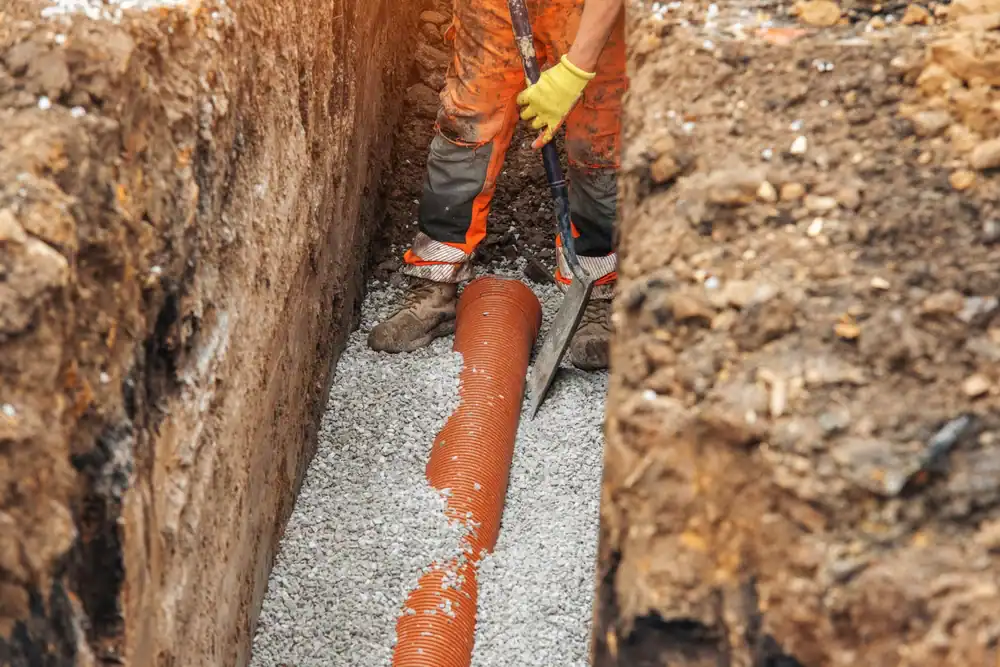
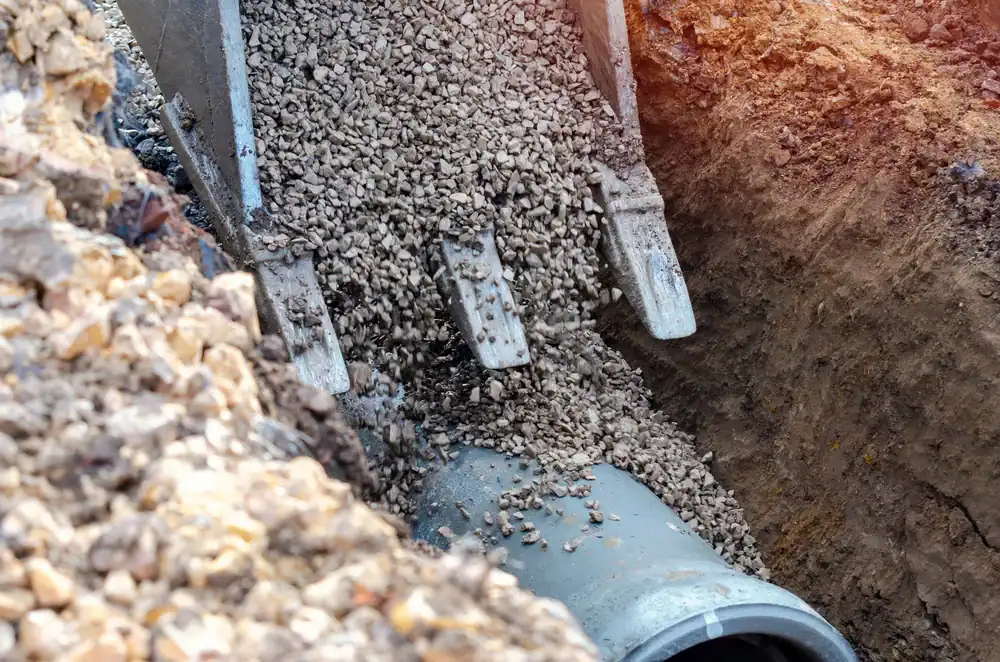
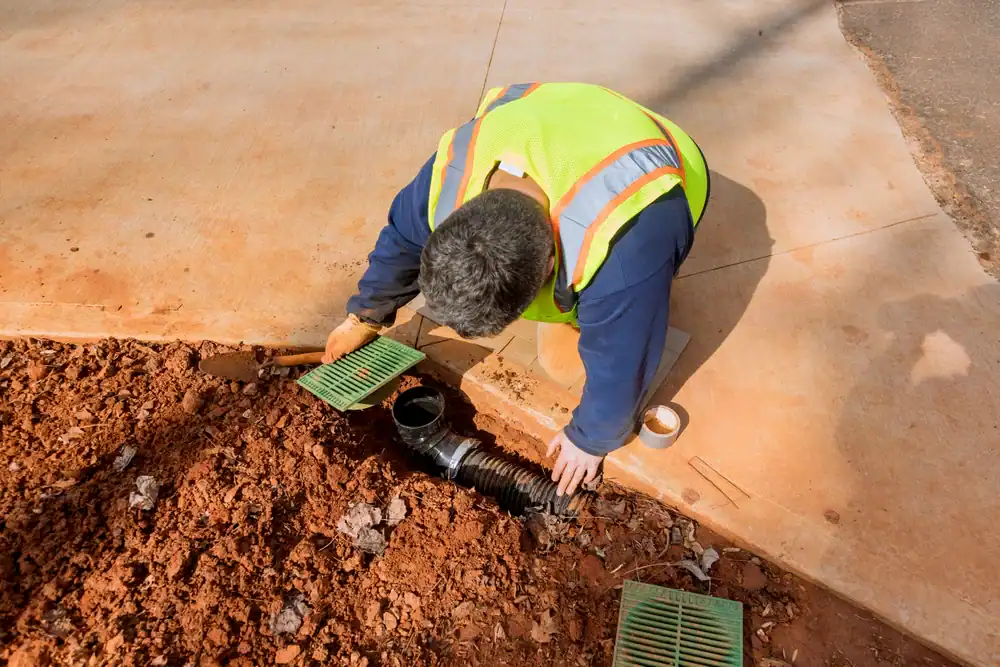
The actual work involves trenching and excavation to expose the old waste line. We remove the damaged or outdated pipe, then install new lines with proper pipe pitch and slope so wastewater flows efficiently to your cesspool. Every connection gets tested. We use graded stone backfill and geotextile fabric around distribution lines to prevent future issues.
Once everything’s connected and verified, we backfill the trench and restore your property as close to original condition as possible. Most line changes take one to two days depending on the scope. You’ll have a functioning system that meets current code and won’t surprise you with a backup next month.
We coordinate inspections with the local health department if required. You get documentation that proves the work was done right, which matters if you ever sell or refinance.
Ready to get started?
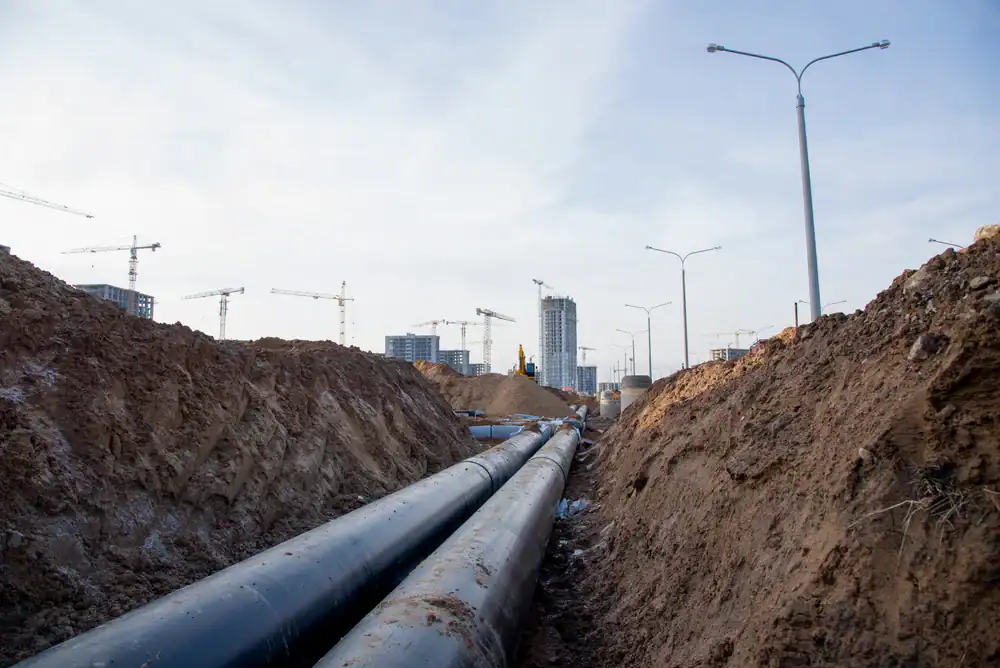
You get proper excavation that doesn’t wreck your landscaping or hit utility lines. We locate everything underground before we dig. That’s not optional—it’s how you avoid turning a line change into a gas line disaster.
The new pipe installation includes correct slope calculations. Too flat and waste doesn’t flow. Too steep and solids separate from liquids, which clogs your system. We measure, grade, and test before backfilling because fixing it after the trench is closed costs you twice.
Head of the Harbor’s soil conditions vary, and that affects how we backfill and compact. Sandy soil drains differently than clay. We adjust based on what’s actually in your yard, not a one-size-fits-all approach. You also get connections that won’t leak, which is critical here where groundwater contamination is a real concern and regulators pay attention.
If your system needs it, we’ll replace the section from your house to the cesspool or just the failing segment. We don’t replace what’s still good. You’re paying for what you need, not what pads the invoice.
Slow drains throughout your house are the first sign. If multiple fixtures back up at once—toilet, shower, sinks—that’s your main line struggling, not a single clog.
Sewage odors in your yard or near your foundation mean wastewater is leaking from a cracked or corroded pipe. You might see wet spots or unusually green patches of grass where the line runs. That’s untreated waste fertilizing your lawn, which sounds less charming when you realize what it actually is.
Gurgling sounds when you flush or drain water indicate air pockets in the line, usually from a partial collapse or severe blockage. If you’ve had the line snaked multiple times and problems keep coming back, the pipe itself is likely damaged beyond what a camera or rooter service can fix. Most waste lines fail because of age, root infiltration, or poor original installation. Cast iron corrodes, clay cracks, and even PVC can shift or break if the ground settles wrong.
Repairs work when the damage is localized—a single crack, a small root intrusion, or one bad joint. We excavate that section, fix it, and you’re done. It’s faster and cheaper if the rest of the line is still solid.
Replacement makes sense when the pipe is old, corroded, or failing in multiple spots. Patching one crack doesn’t help if the pipe three feet over is about to go. If your system is 30+ years old and showing problems, replacement usually costs less long-term than multiple repair calls.
We’ll camera-inspect the line if there’s any question. You’ll see exactly what we’re looking at—cracks, collapses, root masses, corrosion. That takes the guesswork out. Some homeowners try to limp along with repairs, but if you’re calling us every year for a new issue, you’re spending more than a full replacement would’ve cost upfront. We’ll tell you honestly which route makes sense for your situation and your budget.
Most residential line changes take one to two days depending on the length of pipe, soil conditions, and how deep we need to dig. If we’re replacing 50 feet of line with straightforward access, that’s usually a one-day job.
Complications add time. If your line runs under a driveway or patio, we need to cut and remove that surface, then restore it after. Tree roots or rocky soil slow down excavation. Older homes sometimes have lines buried deeper than modern code requires, which means more digging.
You’ll have limited water use during the work. We’ll tell you exactly when you can’t run sinks, flush toilets, or use appliances that drain. Most of the disruption happens during the excavation and installation phase. Once the new line is in and tested, we backfill and you’re back to normal. If a health department inspection is required, that might add a day to the timeline, but we schedule that in advance so you’re not waiting around.
We’ll dig a trench where the line runs, so yes, there’s disruption. But we’re not tearing up your entire property. We excavate the path of the pipe, typically 18 to 36 inches wide depending on depth and equipment access.
Before we dig, we mark utilities and plan the route to avoid mature trees, gardens, or hardscaping when possible. If your line runs through a landscaped area, we’ll try to minimize impact, but the trench has to go where the pipe goes. We can’t reroute your waste line around your rose bushes if that’s where the cesspool connection is.
After installation, we backfill with the excavated soil and compact it properly so you don’t get settling or sinkholes later. We’ll grade it to match the surrounding area. Grass will need reseeding or sod replacement, which we can handle or you can do yourself. Shrubs and plants near the trench might need replanting. We treat your property with respect, but line changes aren’t invisible. The goal is functional infrastructure with minimal lasting impact, not landscaping perfection. Most yards look normal again within a few weeks once grass grows back.
Cost depends on how much pipe needs replacing, how deep it’s buried, and what’s in the way. A straightforward 30-foot line replacement might run a few thousand dollars. A complex job with deep excavation, difficult access, or surface restoration can cost significantly more.
We give free estimates after looking at your property. You’ll know the price before we start digging. No surprises, no hidden fees for “unexpected” work that any experienced contractor should’ve anticipated. The estimate includes excavation, new pipe, proper backfilling, connection testing, and basic site restoration.
Emergency replacements cost more because you’re paying for immediate response, often outside business hours. If you’re calling us at 9 PM on a Saturday because your basement is flooding with sewage, you’ll pay emergency rates. Planned line changes during normal hours cost less. That’s why catching problems early—slow drains, odors, wet spots—saves you money. You’re scheduling the work on your terms instead of reacting to a crisis. Financing options are available if the cost is a concern. We’d rather you fix the problem properly than try to patch it cheaply and call us back in six months when it fails worse.
Most line changes require a permit from the local health department, especially if you’re altering the connection to your cesspool or replacing a significant section of your main waste line. Head of the Harbor is in Suffolk County, and the regulations here are strict because of groundwater protection concerns.
We handle the permit process. You don’t need to visit the health department or figure out what paperwork they want. We submit the application, schedule required inspections, and make sure everything meets code. That’s part of the service, not an extra hassle for you.
Inspections typically happen after the new line is installed but before we backfill the trench. The inspector verifies proper slope, correct materials, and solid connections. Once it passes, we finish the job. If you skip the permit and do unpermitted work, you’ll have problems when you sell your house. Buyers’ inspectors and mortgage companies check for this stuff, and unpermitted cesspool work can kill a sale or force you to rip it out and redo it properly. Doing it right the first time costs less than fixing it twice.
Other Services we provide in Head Of The Harbor