
Hear from Our Customers
You notice the toilet backing up during showers. The basement drain gurgles every time someone runs the washing machine. There’s a smell you can’t quite place but know isn’t right.
These aren’t minor annoyances. They’re warnings that your main waste line is compromised, and ignoring them costs you more than just peace of mind.
A proper line change fixes the root problem. No more emergency calls. No more wondering if today’s the day your system completely fails. Your drains work like they should, your property stays protected, and you stop losing sleep over what might happen next.
Most Huntington Bay homes were built when cesspools were standard, and those original lines weren’t designed to last forever. When pipe pitch and slope degrade or connections fail, you’re looking at sewage backing into your home or pooling in your yard. Fixing it early means you control the timeline and the cost. Waiting means the problem controls you.
We’re a family business that’s been handling cesspool and sewer line work in Huntington Bay for over a decade. Licensed, insured, and we’ve seen every type of line failure this area throws at us.
Long Island’s coastal soil conditions create unique challenges for waste lines. The water table, the salt exposure, the way older systems were installed—we know what fails and why. That knowledge means we don’t guess, we don’t experiment, and we don’t leave you with a temporary patch.
You’re not getting a national chain that rotates crews every six months. You’re getting people who live here, work here, and have to stand behind what we do because our reputation is built on your neighbor’s referral.
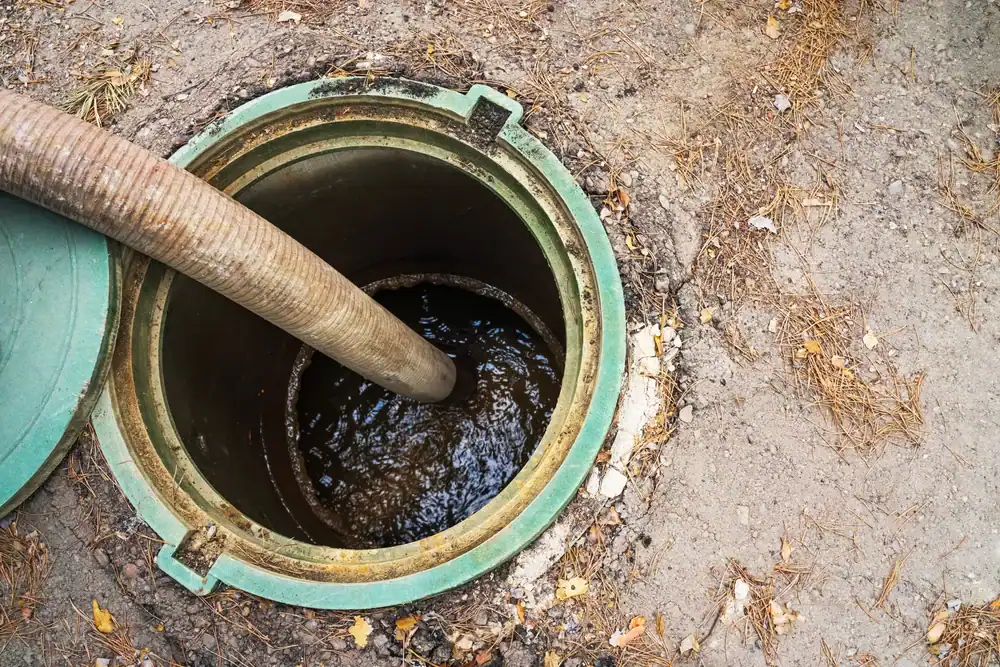
First, we inspect the line with a camera to see what we’re actually dealing with. No point tearing up your yard if the problem is something simpler, and no point patching something that needs full replacement. You see what we see, and we explain what needs to happen.
If you need a line change, we map out the route from your home to the cesspool connection. We’re looking at pipe pitch and slope to make sure gravity does its job. Poor slope means waste doesn’t flow properly, and that causes the backups you’re trying to avoid.
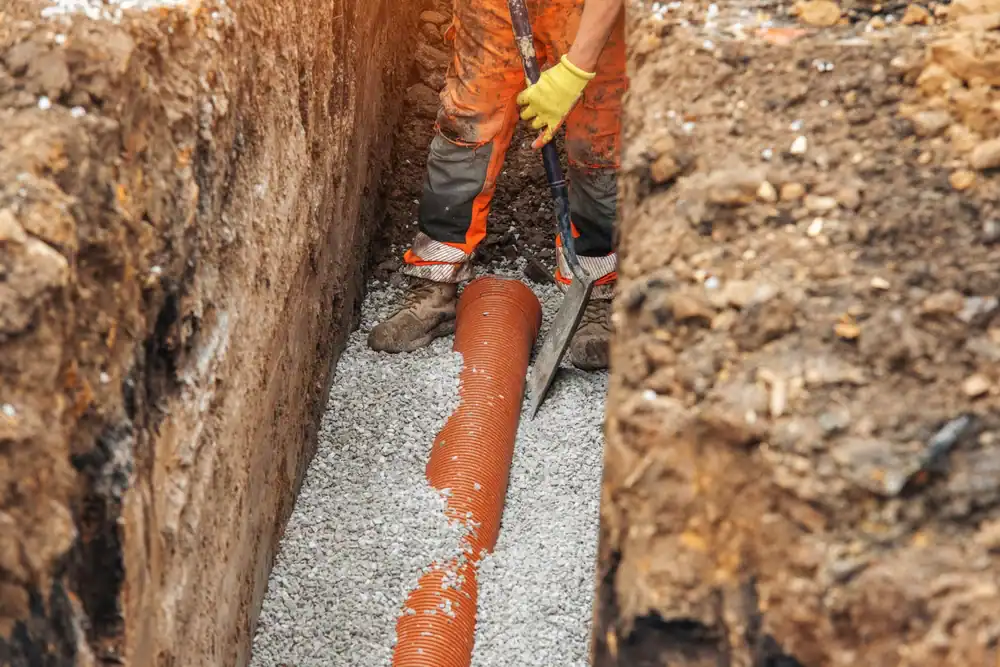
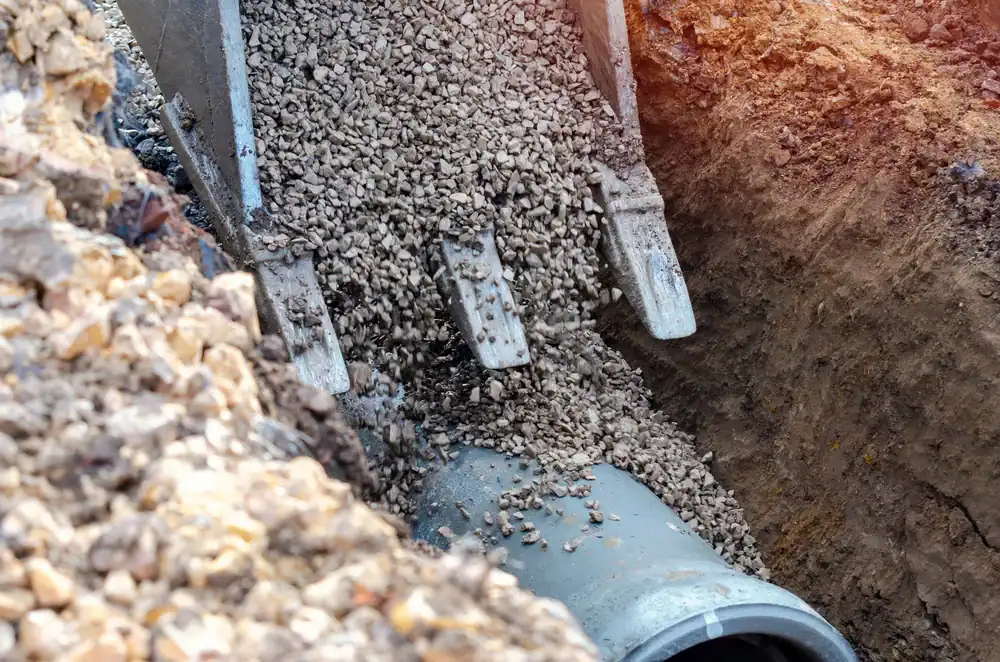
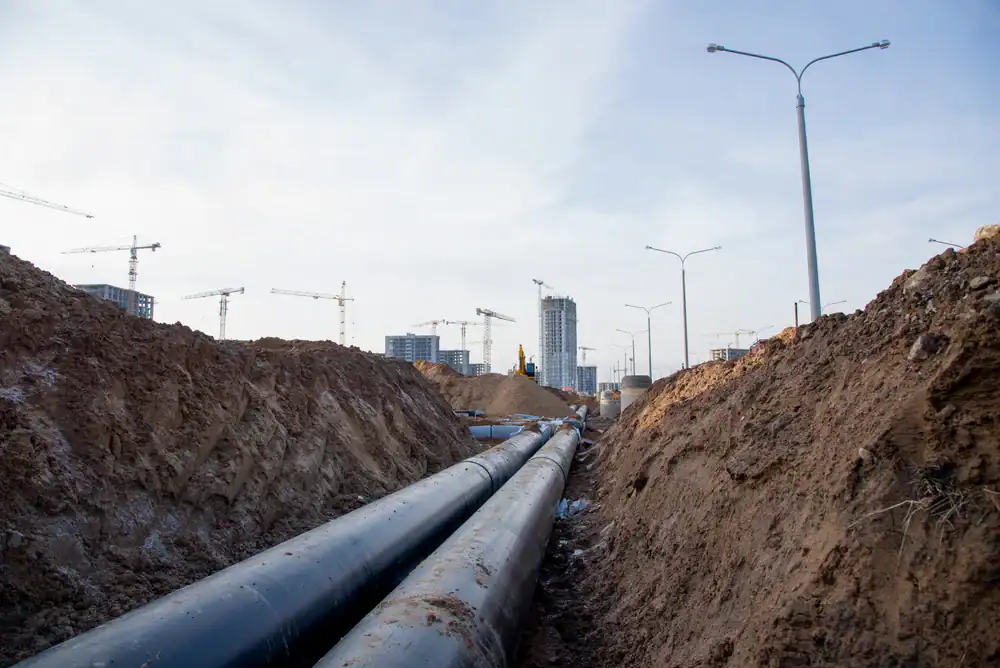
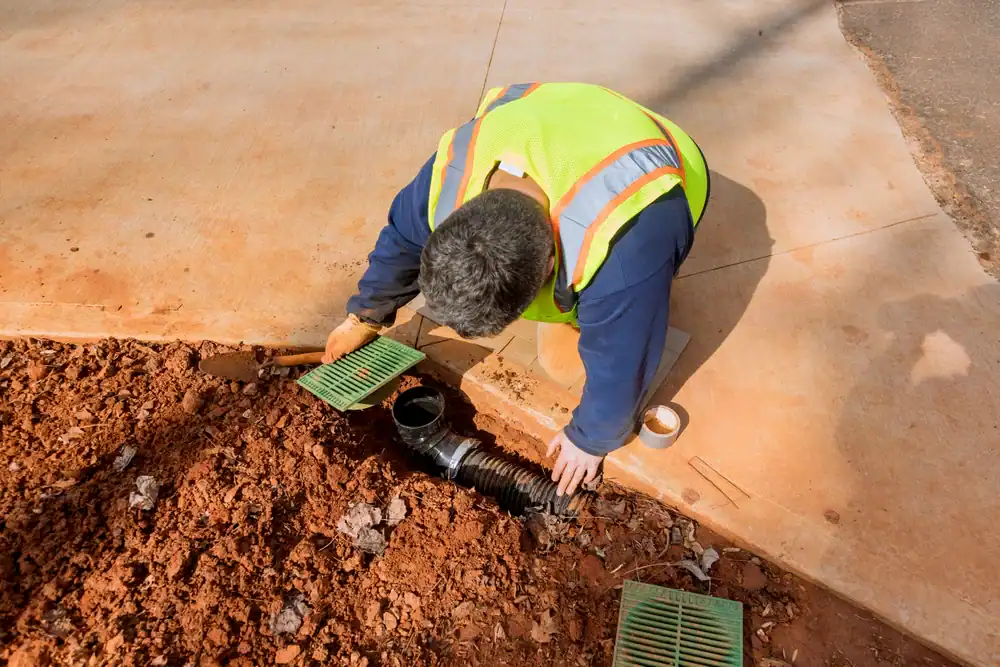
Trenching and excavation come next. We dig access points, pull the old line, and install new pipe with the correct grade. Every connection gets tested. We’re not backfilling until we know the system works.
Once the new line is in and tested, we restore your property. The goal is to leave your yard looking like we were never there, except now your waste system actually works. Most jobs finish in a day or two, depending on distance and access.
Ready to get started?
You get a full camera inspection before we start, so there’s no guessing about what’s wrong. We document the problem, show you the footage, and explain your options without the sales pitch.
The line change itself includes trenching and excavation, removing the failed pipe, and installing new lines with proper pitch and slope. We’re particular about grade because that’s what prevents future backups. If your sewer line to cesspool connection is compromised, we rebuild it to code.
In Huntington Bay, we’re also dealing with environmental regulations around cesspool systems. The state’s pushing upgrades through grant programs, and if your system qualifies, we can walk you through that process. Many homeowners don’t realize there’s funding available to offset replacement costs—sometimes significantly.
Every line change includes testing before we close things up. We run water, check for leaks, verify flow, and make sure the system handles normal use. You’re not paying for work that might hold up. You’re paying for work that does.
Camera inspection tells the story. If the pipe has localized damage—a crack, a root intrusion in one spot, a single joint failure—repair might handle it. If the line shows multiple failure points, corrosion throughout, or significant bellying where waste pools, you need replacement.
Age matters too. Original lines in older Huntington Bay homes are often cast iron or clay tile, and both deteriorate over time. Cast iron corrodes from the inside out, and clay tile joints separate as soil shifts. Patching one section doesn’t fix the material failure happening along the entire run.
The real question is whether a repair buys you five years or five months. We’re not going to sell you a line change if a repair makes sense, but we’re also not going to patch something that’s going to fail again before winter. You get an honest assessment based on what the camera shows, and you decide what makes sense for your timeline and budget.
Soil settlement is the main culprit. Long Island’s soil composition shifts over time, especially in coastal areas like Huntington Bay where groundwater and freeze-thaw cycles affect stability. As soil settles unevenly, pipes that were installed with proper slope decades ago can develop low spots where waste collects instead of flowing.
Tree roots also change grade. As roots grow under and around pipes, they lift sections and create bellies—low points in the line where solids settle. Even if roots haven’t cracked the pipe yet, the slope problem causes backups.
Poor original installation is more common than people think. Not every contractor in the 1960s and 70s was meticulous about grade, and some lines were installed with barely adequate slope to begin with. Add forty years of settling, and you’ve got a system that can’t move waste efficiently. Fixing slope means re-routing the line with proper fall—typically a quarter inch per foot minimum—so gravity does the work it’s supposed to do.
Most residential line changes in Huntington Bay finish in one to two days. Distance from your home to the cesspool is the biggest variable. A fifty-foot run with clear access goes faster than a hundred-fifty-foot run that crosses landscaping or hardscape.
Soil conditions affect timing too. Sandy soil excavates quickly. Heavy clay or areas with high groundwater take longer because we’re managing the trench as we work. If we hit unexpected ledge or need to navigate around other utilities, that adds time.
We’re not rushing to hit a number. We’re making sure the new line has correct pitch and slope, all connections are solid, and the system works before we backfill. A job done right takes the time it takes. That said, we work efficiently because we know you want your property back to normal. Most customers are fully operational by end of day two, with restoration wrapped up shortly after.
Trenching and excavation are necessary for line changes, but we’re strategic about access points. We’re not excavating more than we need to. The trench follows the line route, typically three to four feet deep and about two feet wide. We locate the path that minimizes impact to landscaping, driveways, and structures.
In some cases, trenchless methods work for repairs—like epoxy lining that creates a new pipe inside the old one. But full line replacement requires access to remove the failed pipe and install new material with proper grade. There’s no way around that.
What we can control is restoration. We separate topsoil from subsoil during excavation, backfill properly to prevent settling, and restore the surface to match existing conditions. If we cross a lawn, we re-seed or lay sod. If we cut through a paved area, we patch it correctly. The goal is to leave your property looking like it did before, just with a functioning waste line underneath.
A cesspool is essentially a covered pit that collects wastewater. Everything drains into it—solids, liquids, everything—and it gradually leaches into the surrounding soil. There’s no separation or treatment. Your sewer line to cesspool connection is just the pipe that carries waste from your home to that pit.
A septic system separates solids from liquids in a tank, then sends the liquid effluent to a leach field where it filters through soil. It’s a treatment system, not just a collection pit. The connection works similarly—pipe from house to tank—but what happens after is completely different.
Many older Huntington Bay homes still have cesspools because that’s what was standard when these neighborhoods developed. New York is pushing upgrades to septic systems for environmental reasons, and there’s grant money available to help with conversion costs. If your cesspool is failing and you’re facing a line change anyway, it might be worth looking into a full system upgrade. We can walk you through what that involves and whether your property qualifies for funding.
Line changes generally run between $3,000 and $8,000 for residential properties, depending on distance, access, and site conditions. A straightforward fifty-foot replacement with open yard access sits at the lower end. A longer run that requires navigating landscaping, crossing pavement, or dealing with difficult soil conditions costs more.
Emergency work costs more than planned work—sometimes 30-50% more—because you’re paying for immediate response and after-hours labor. If you’re seeing warning signs but the system hasn’t completely failed yet, scheduling the work during normal business hours saves money.
What drives cost is labor and restoration, not just materials. We’re digging, hauling spoils, installing pipe with correct pitch and slope, testing the system, backfilling properly, and restoring your property. Cheap work means shortcuts somewhere in that process, and shortcuts mean you’re doing this again sooner than you should.
If your system qualifies for New York’s Septic Replacement Program, you might get significant reimbursement for upgrade costs. That’s worth exploring before you commit to just replacing the line to an aging cesspool.
Other Services we provide in Huntington Bay