
Hear from Our Customers
You’re not just replacing pipes. You’re preventing sewage backups in your basement at 2 a.m., eliminating that smell near your property that won’t go away, and avoiding the kind of emergency repair bills that make you sick to your stomach.
Proper line changes mean your waste actually flows where it’s supposed to go. The right pipe pitch and slope keep everything moving without pooling, backing up, or creating pressure points that turn into expensive problems six months from now.
When your sewer line to cesspool connection is installed correctly, you stop worrying about whether your system can handle a heavy rain or a houseful of guests. The work holds. The ground settles properly. Your yard doesn’t turn into a swamp every spring because someone cut corners on the trenching and excavation.
We’ve been handling line changes in Huntington Station, NY since before most companies in this space existed. Four generations means we’ve seen every soil condition, every old connection type, and every way a waste line can fail on Long Island.
We’re the crew that shows up when we say we will, gives you a real price before we start digging, and doesn’t suddenly “discover” extra work that costs thousands more. You get technicians who’ve done this specific work hundreds of times, not a rotating cast of subcontractors learning on your property.
Huntington Station properties come with their own challenges—older home construction, varying soil drainage, and now the pressure of the $66 million sewer project requiring connections and cesspool abandonment. We’ve been navigating these exact situations for decades, and we’re available 24/7 when something goes wrong outside business hours.
First, we assess your current setup and the connection point you need to reach. That means understanding where your waste line runs now, what’s in the way, and what the new path needs to look like. No guessing, no assumptions—just measurements and a plan that accounts for proper pitch and slope.
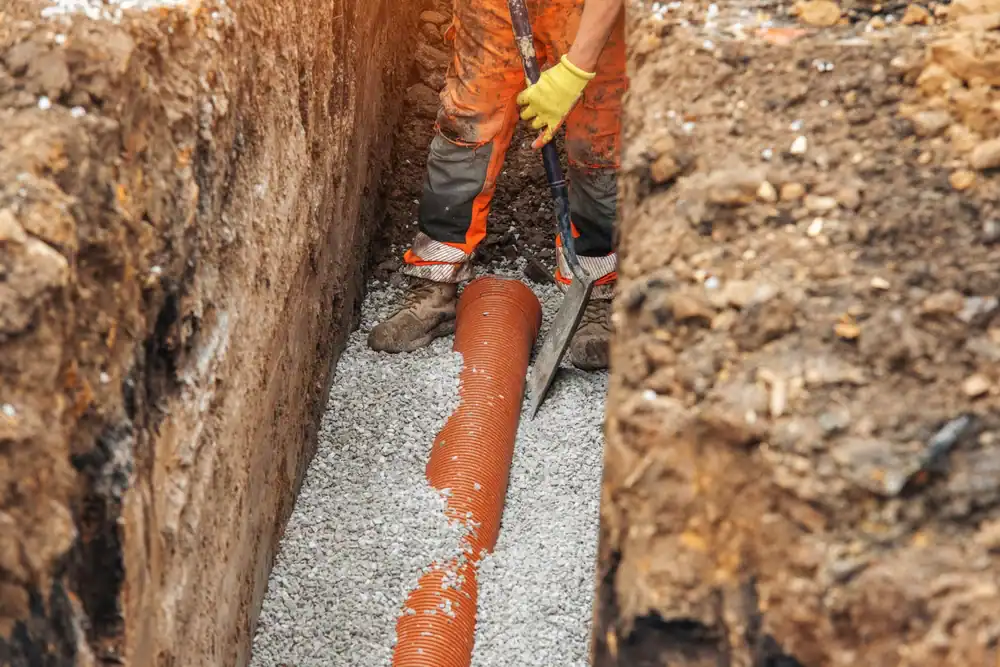
Next comes the trenching and excavation. We dig to the depth required for your new line, making sure the trench is wide enough to work in but not tearing up more of your property than necessary. The soil comes out, gets staged where it won’t be in the way, and the trench gets prepped for the new pipe.
Then we install your new waste line with the correct slope—typically a quarter inch per foot—so gravity does its job and waste flows without backing up. Every joint gets sealed properly. Every connection point gets tested. If you’re connecting to a new sewer main or rerouting to your cesspool, that tie-in happens according to Suffolk County code.
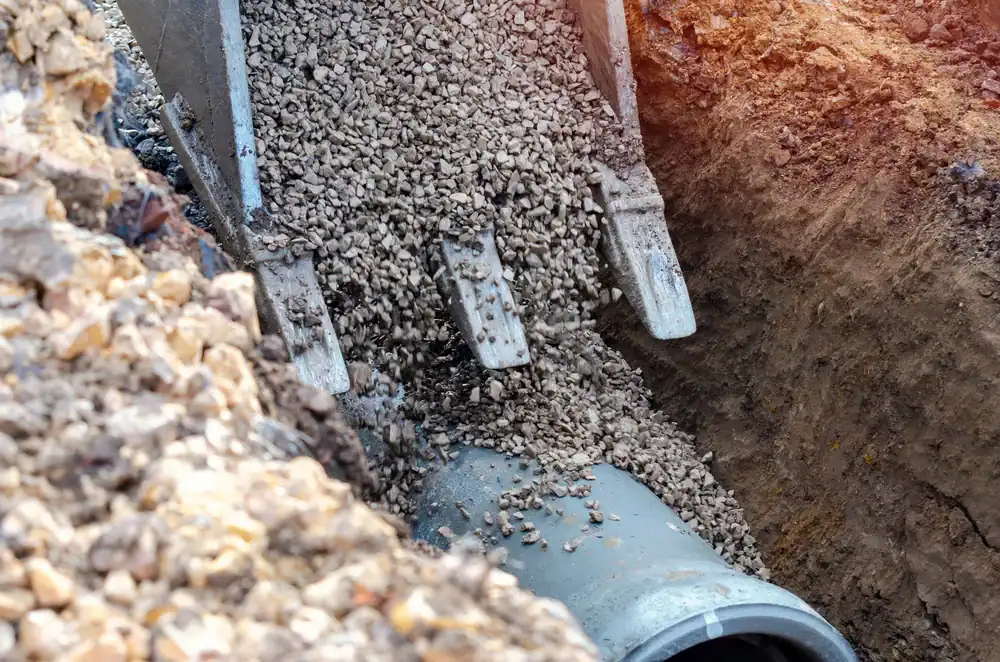
Finally, we backfill the trench, compact the soil in layers so your yard doesn’t sink in six months, and restore your property as close to original condition as possible. You get a system that works, documentation of what was done, and no mystery charges on the final bill.
Ready to get started?
You’re getting complete main waste line replacement from your building to the connection point—whether that’s a cesspool, septic system, or the new municipal sewer main. That includes all excavation, pipe materials, proper bedding and backfill, and connection work at both ends.
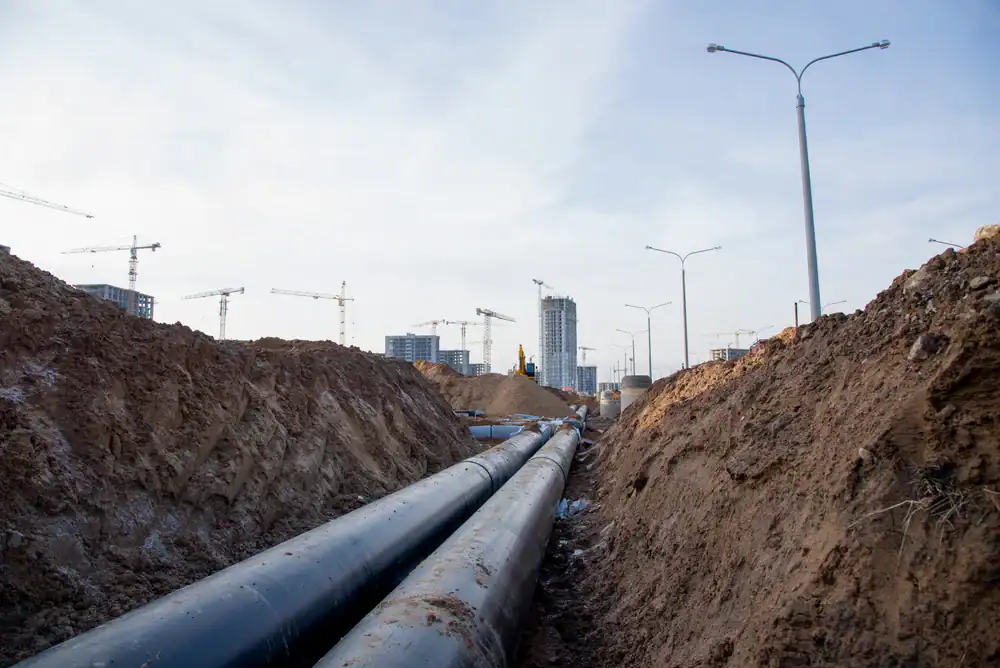
The Huntington Station sewer project is pushing a lot of properties to move waste lines to the front of buildings and connect to new infrastructure. We handle the permit coordination, the layout that meets Suffolk County guidelines, and the actual installation that passes inspection the first time. No callbacks because someone didn’t read the code.
If your current line is failing—slow drains, backups, soggy spots in the yard—we can often tell you why before we even dig. Video inspection shows exactly where the problem is, so you’re not paying to excavate your entire yard hoping we find it. You see what we see, and you decide whether to repair a section or replace the whole run.
Trenching and excavation gets done with equipment sized for the job, not a massive machine that destroys your landscaping or a shovel crew that takes three times as long. We work efficiently, we work clean, and we don’t leave your property looking like a construction zone for weeks while we move on to the next job.
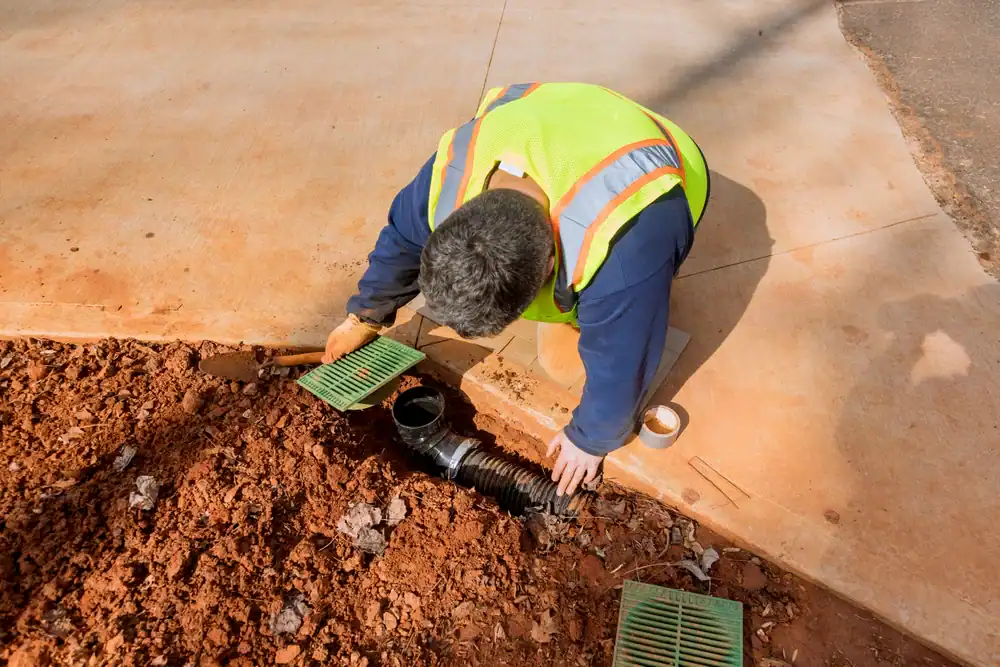
Sewer line replacement in New York typically runs $80 to $250 per linear foot, depending on depth, soil conditions, and what’s in the way. A straightforward residential line change might cost $3,500 to $6,000 for a standard run. Commercial properties or jobs requiring deeper excavation, difficult access, or connection to the new municipal sewer system can run $15,000 to $30,000 or more.
The Huntington Station sewer project is adding costs for some property owners who need to abandon cesspools and connect to the new system. That’s not optional—it’s mandated work with specific timelines. Getting an accurate estimate means someone needs to look at your property, measure the actual distance, and account for obstacles like driveways, landscaping, or existing utilities.
Cheaper isn’t better when it comes to line changes. Improper slope causes backups. Rushed excavation damages your foundation or existing utilities. Poor backfill means your yard sinks and the pipe shifts. You want this done once, done right, so you’re not paying twice.
The standard slope for a sewer line is one-quarter inch per foot—that’s a 2% grade. Too flat and waste doesn’t flow properly, leading to clogs and backups. Too steep and liquid runs faster than solids, leaving material behind that builds up over time.
For a 50-foot run, you’re looking at about 12.5 inches of drop from your building to the connection point. That might not sound like much, but getting it exact matters. Even a slight miscalculation over a long run means your system doesn’t drain right, and you’re dealing with slow drains or standing water in the line.
We use a laser level to set grade before the pipe goes in. Every section gets checked as we install it. By the time we backfill, we know the slope is correct because we’ve verified it multiple times. That’s how you avoid the “it seemed fine when we installed it” conversation six months later when your drains are backing up.
Most residential line changes take one to three days, depending on distance, depth, and what we run into underground. A straightforward 40-foot run with clear access and cooperative weather? That’s often a one-day job—dig, install, backfill, done.
Longer runs, deeper excavation, or obstacles like tree roots, old utilities, or ledge rock add time. Commercial properties connecting to the Huntington Station sewer project might take longer because of permit inspections, deeper trenches, and more complex tie-ins. We’ll give you a realistic timeline upfront, not a best-case scenario that assumes nothing goes wrong.
Weather matters too. Heavy rain turns trenches into mud pits and makes proper compaction nearly impossible. We’d rather pause for a day and do it right than rush through and leave you with a settling trench and a sagging pipe. You’re not paying for speed—you’re paying for work that lasts.
Yes, and that’s exactly what a lot of property owners in Huntington Station need done right now. The $66 million sewer project requires connections to the new municipal system and abandonment of existing cesspools. Your waste line likely needs to be rerouted to the front of your building to meet the new connection point.
That means trenching from your current line to the new sewer main location, installing new pipe at the correct depth and slope, making the connection according to Suffolk County specifications, and getting it inspected and approved. We handle the coordination with the town, pull the permits, and schedule inspections so you’re not trying to navigate that process yourself.
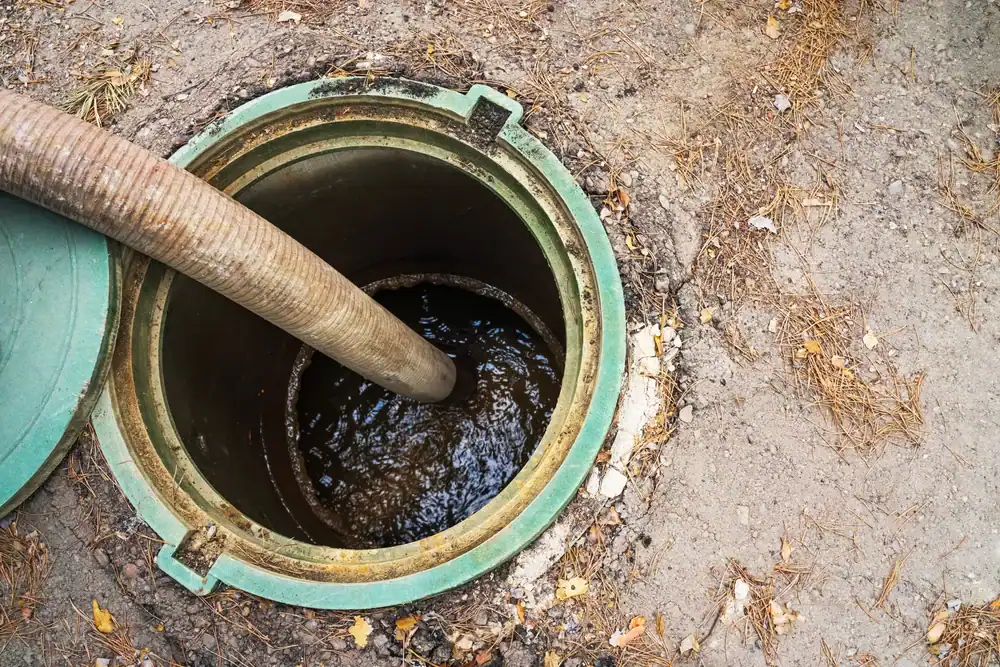
Abandoning your cesspool is part of the deal too—it has to be pumped, crushed, and filled according to code. We can handle that entire process as part of your line change project, so you’re dealing with one company, one timeline, and one invoice instead of trying to coordinate multiple contractors. The deadline for connections isn’t flexible, so getting this scheduled sooner than later makes sense.
Improper slope is the most common culprit. If your line doesn’t have enough pitch, waste moves too slowly and solids settle in the pipe. Over time that creates clogs that turn into full backups. If the slope is too steep, liquids outrun solids and you get buildup that eventually blocks the line.
Tree roots are the other major cause. Roots seek out water and nutrients, and your sewer line provides both. They work their way into joints and cracks, then grow until they completely block the pipe. Older clay or concrete pipes are especially vulnerable because the joints weren’t sealed the way modern PVC connections are.
Ground settlement and shifting can change your pipe’s slope over time, especially if the trench wasn’t backfilled and compacted properly during installation. The pipe sags, creates a low spot where waste pools, and you’ve got a clog waiting to happen. That’s why proper excavation and backfill matter just as much as the pipe itself—it’s all connected, and cutting corners on any part of it leads to problems.
Yes. Any work involving your main waste line, sewer connections, or cesspool modifications requires permits from the Town of Huntington and needs to meet Suffolk County health department regulations. The permit process includes submitting plans, getting approval, scheduling inspections during and after installation, and receiving final sign-off.
If you’re connecting to the new Huntington Station sewer system as part of the municipal project, there are additional requirements and timelines you need to meet. The town is coordinating connections in phases, and missing your window can mean delays and potential penalties. We handle permit applications as part of our line change service, so you’re not trying to figure out what forms to fill out or who to call.
Skipping permits isn’t worth it. Unpermitted work can cause problems when you sell your property, and if something goes wrong—a backup that damages your neighbor’s property, a failed inspection during a real estate transaction—you’re looking at having to tear out the work and redo it properly. Getting it permitted from the start costs less and saves headaches later.
Other Services we provide in Huntington Station