
Hear from Our Customers
Your toilets flush without hesitation. Your drains clear in seconds, not minutes. You stop worrying about backups every time someone takes a shower or runs the washing machine.
That’s what proper line changes give you. When your main waste line is installed with the right pitch and slope, waste flows the way it’s supposed to—downhill, consistently, without pooling or backing up into your home.
Most line failures don’t happen overnight. You’ve probably noticed slow drains, gurgling sounds, or sewage smells around your property. Those are signs your current pipe is failing—whether from age, poor installation, or Islip Terrace’s sandy soil shifting the grade over time. Replacing it now means you avoid the emergency call when your basement floods or your yard turns into a sewage pit.
We’ve handled line changes across Islip Terrace long enough to know what breaks and why. The homes here—many built in the 70s or earlier—weren’t designed for modern water usage. Your pipes are older, your cesspool is working harder, and Long Island’s sandy soil doesn’t hold things in place the way clay would.
We’re licensed, insured, and we handle the Suffolk County Health Department permits so you don’t have to figure out what forms to file or who to call. We show up with the right equipment, do the excavation work without tearing up more property than necessary, and make sure your new line is installed to code.
You’re not getting a sales pitch. You’re getting someone who knows how these systems fail and how to fix them properly.
First, we assess your current line. That means locating where it runs, checking the existing pitch, and figuring out why it’s failing. Sometimes it’s a collapsed pipe. Sometimes it’s just installed flat and waste has nowhere to go.
Next, we handle your permits. Suffolk County requires health department approval for any work involving cesspool connections. We file the paperwork, coordinate inspections, and make sure everything’s documented before we dig.
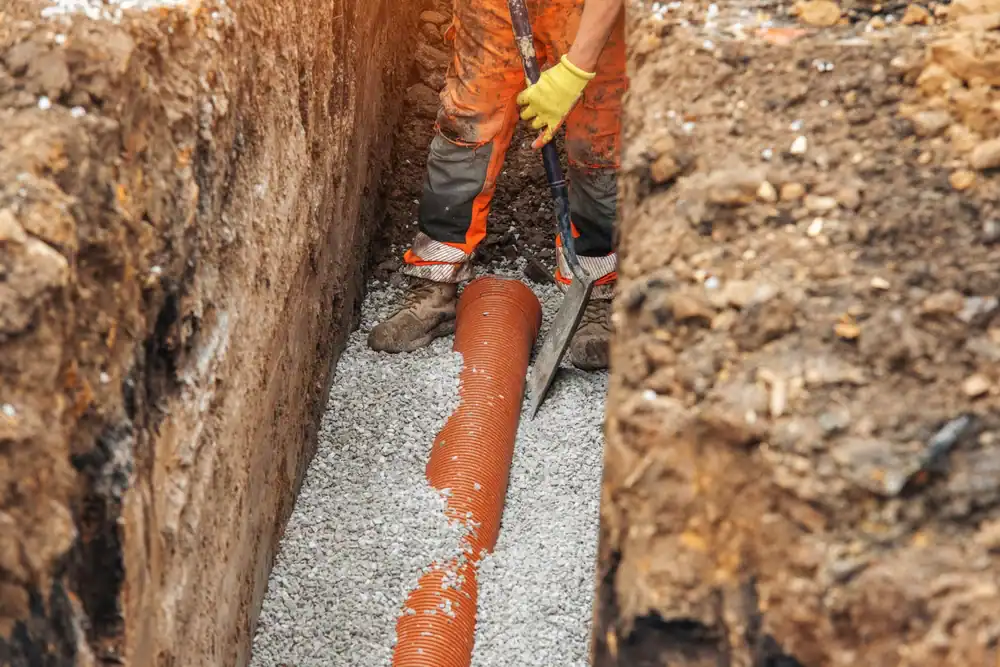
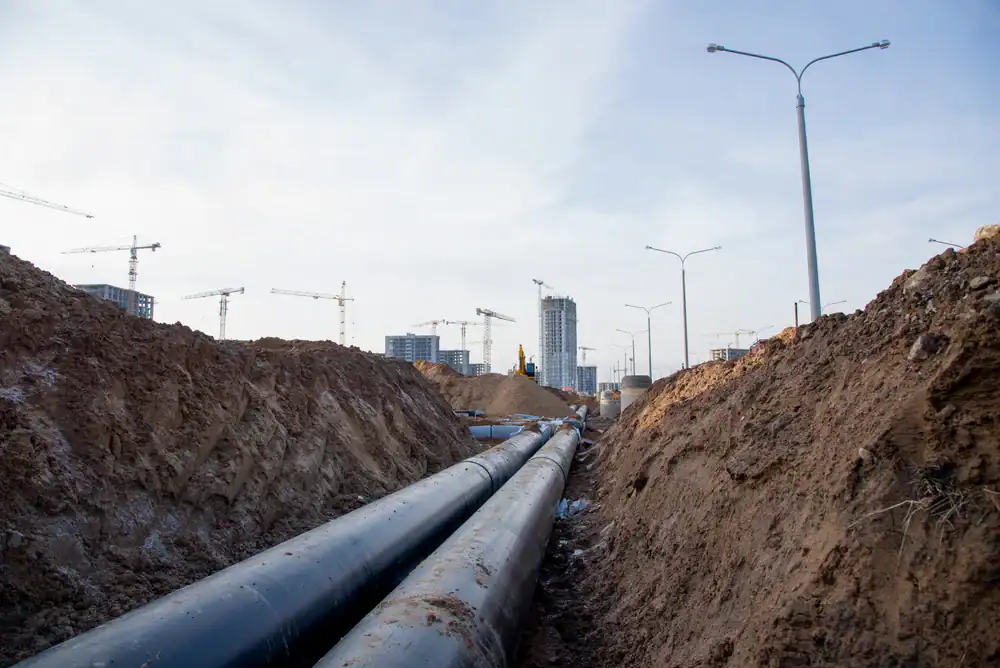
Then comes excavation. We trench from your home’s waste outlet to your cesspool, removing the old pipe and any collapsed sections. We’re careful about your landscaping, your driveway, and anything else in the way—but we’re also realistic that some disruption happens when you’re digging a trench across your property.
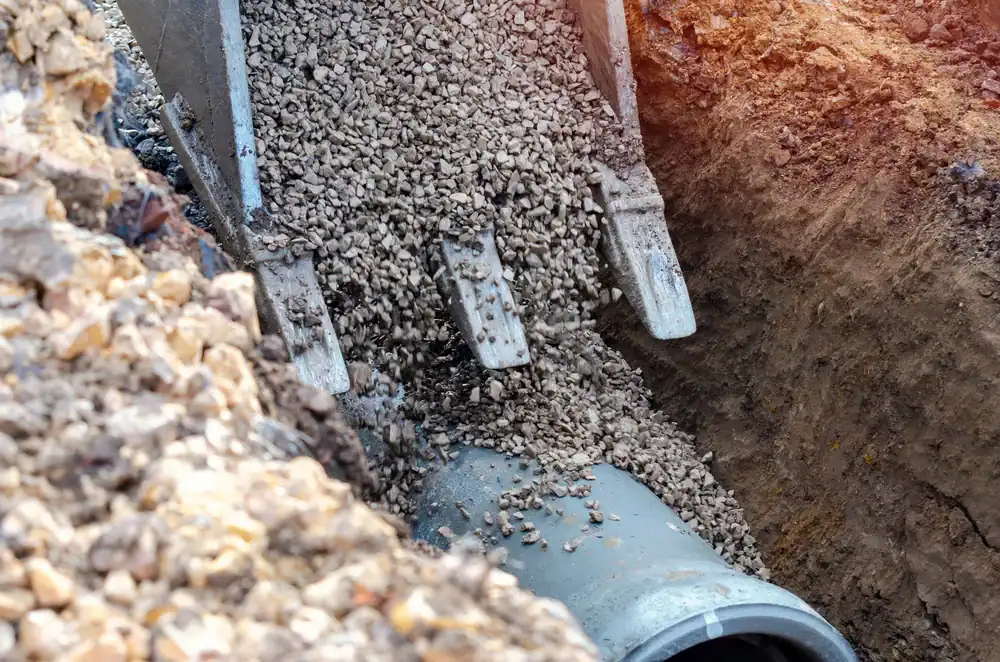
We install new pipe at the correct slope—typically a quarter inch per foot—so gravity does the work. If your cesspool is uphill or the grade doesn’t work, we’ll tell you before we start. Once the new line is in, we backfill, compact the soil, and schedule the final inspection. You get a system that works and documentation that it was done right.
Ready to get started?
You get full permit management—we handle the Suffolk County Health Department requirements, soil testing if needed, and all inspections. That alone saves you hours of phone calls and paperwork.
You get proper trenching and excavation with equipment that’s sized for residential properties in Islip Terrace. We’re not bringing in machinery that tears up your entire yard when a smaller excavator will do the job.
You get new pipe installed at the correct pitch and slope. This isn’t guesswork—we use levels and laser equipment to make sure waste flows consistently from your home to your cesspool. If your old line was installed flat or with dips that trap waste, that’s why you’ve had problems. We fix that.
You also get a sewer line connection that’s sealed properly. Leaking connections contaminate your soil and eventually fail inspection. We use the right fittings and make sure everything’s watertight before we cover it up.
And if we find other issues during excavation—like a cesspool that’s failing or a distribution box that’s cracked—we’ll tell you. You don’t have to fix everything at once, but you should know what’s coming so you’re not surprised six months later.
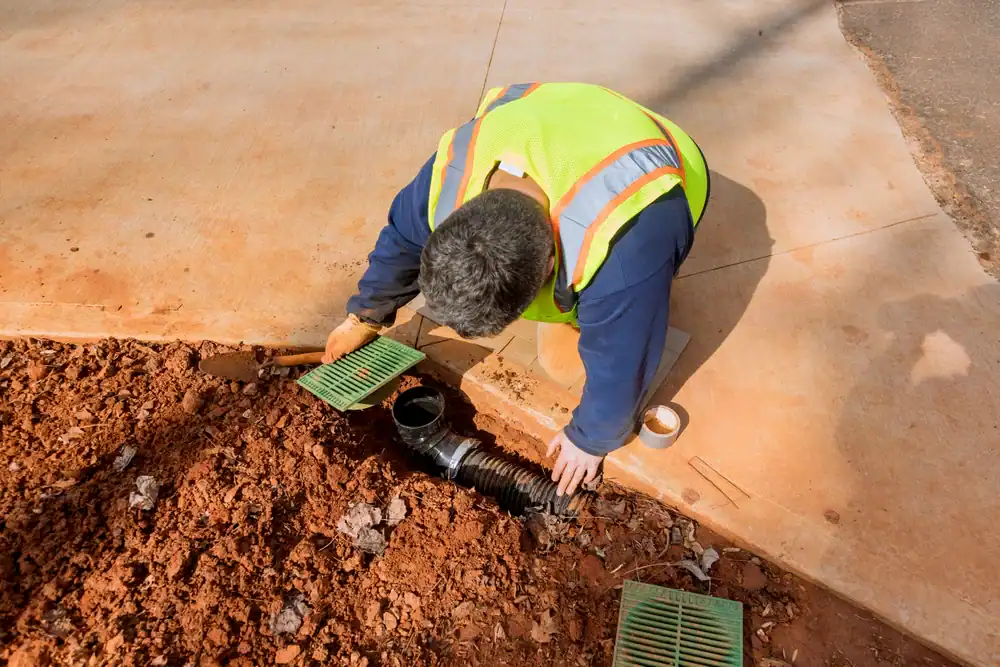
If your line has one localized break or crack, a repair might work. But if you’re dealing with an old cast iron or clay pipe that’s deteriorating in multiple spots, or if the entire line was installed without proper slope, you’re better off replacing it.
Here’s the reality: patching one section of a 50-year-old pipe doesn’t fix the rest of it. You’ll pay for excavation, labor, and backfill—and then do it again in a year when another section fails. A full line change costs more upfront, but you’re done. You’re not paying for the same trench twice.
We’ll assess your current line and tell you honestly what makes sense. If a repair will actually hold, we’ll say so. But if your pipe is at the end of its life, replacing it now saves you money and stress in the long run.
Most line changes in Islip Terrace take two to four days once permits are approved. Permit processing through the Suffolk County Health Department usually takes one to two weeks, depending on their backlog and whether soil testing is required.
Day one is excavation—digging the trench, removing the old pipe, and prepping for the new line. Day two is installation—laying the new pipe, setting the correct pitch, and making the connections. Day three is backfill and grading. If we need a final inspection before backfilling, that adds time depending on the inspector’s schedule.
Weather affects timelines. If it rains heavily during excavation, we stop—working in mud creates more property damage and doesn’t allow for proper compaction. We’d rather pause for a day than leave you with a trench that collapses or settles unevenly later.
We’ll dig where the line runs, and that means some disruption. If your line goes under your lawn, you’ll have a trench that gets backfilled and graded, but your grass will need time to regrow. If it goes under your driveway or patio, we’ll cut the pavement, do the work, and patch it—but it won’t look identical to the original surface.
We minimize damage by using the right equipment and staying within the necessary excavation width. We’re not tearing up a six-foot-wide path when a two-foot trench is enough. We also mark utilities before we dig so we’re not hitting electric, water, or gas lines.
After backfill, we compact the soil in layers to prevent settling. If you want landscaping restoration—new sod, regrading, or driveway repaving—we can coordinate that, or you can hire your own contractor once the line work is done. We focus on getting your waste system working; cosmetic restoration is separate.
We handle all permits. That includes filing with the Suffolk County Health Department, scheduling required inspections, and making sure everything’s documented for your property records.
Here’s why that matters: cesspool work in Suffolk County requires health department approval. They want to see soil tests, system plans, and proof that your new line meets current code. If you file yourself, you’re navigating their requirements without knowing what they’re actually looking for. Most homeowners spend days on the phone or waiting for callbacks.
We do this regularly. We know what forms to submit, what information they need, and how to get approvals without delays. You’ll sign where necessary, but we manage the process. When the work is done, you get copies of all permits and inspection reports for your records.
Cost depends on distance, depth, and what we’re working around. A straightforward line change from your home to a cesspool 30 feet away costs less than one that runs 80 feet under a driveway and requires cutting through pavement.
We’ll give you a clear price after we assess your property. That includes permit fees, excavation, new pipe, connections, backfill, and final inspection. We don’t lowball the estimate and then add charges later when we “discover” something we should have known from the start.
Most line changes in Islip Terrace run between $3,000 and $8,000 depending on complexity. If your cesspool also needs work, or if we find other issues during excavation, we’ll discuss those costs separately before doing anything. You’ll know what you’re paying before we dig.
If your cesspool is uphill, gravity won’t move waste without help. That means you’d need a sewage ejector pump to lift waste from your home to the cesspool. It’s not common, but it happens in areas where lot grading doesn’t cooperate with waste system placement.
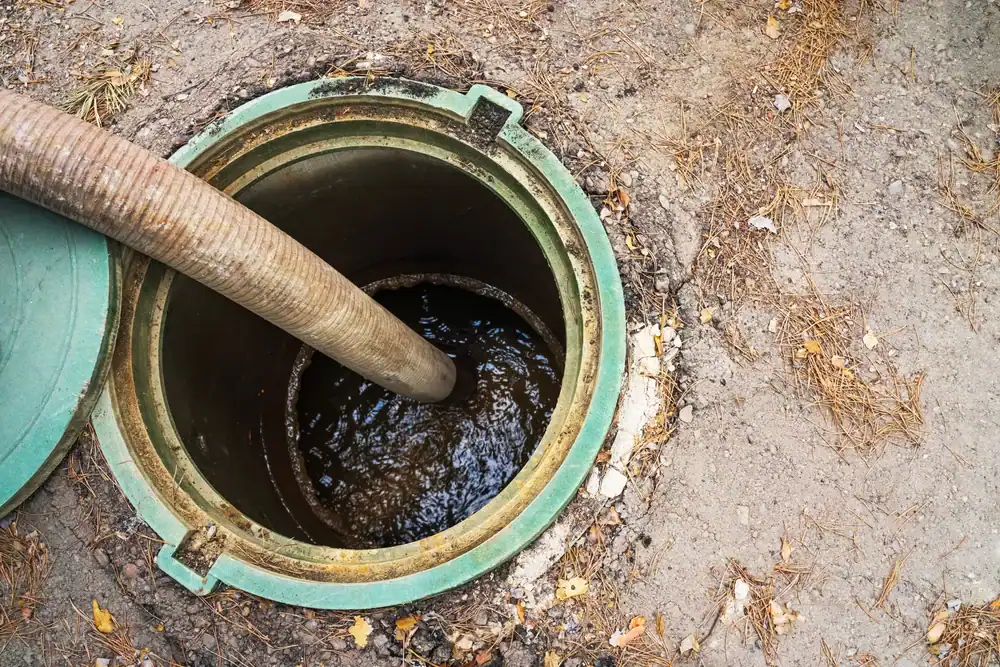
We’ll measure the grade during assessment. If your cesspool is even slightly uphill, we’ll tell you before we start. Installing a pump system adds cost and complexity—you’re adding a mechanical component that needs power and occasional maintenance.
In some cases, it makes more sense to relocate the cesspool to a lower spot on your property if space and regulations allow. That’s a bigger project, but it eliminates the need for a pump and gives you a gravity-fed system that’s simpler and more reliable. We’ll walk through your options and explain what each one costs so you can decide what works for your property and budget.
Other Services we provide in Islip Terrace