
Hear from Our Customers
A failing waste line doesn’t give you much warning. You might notice slow drains one day, then sewage backing up into your home the next.
When we replace your main waste line or fix your sewer line to cesspool connection, you’re not just avoiding the next emergency. You’re protecting your property value, your family’s health, and your peace of mind. No more wondering if your toilets will overflow when you have guests over. No more calling plumbers every few months because the same problem keeps coming back.
The right line changes mean proper pipe pitch and slope from the start. That’s how waste actually flows the way it should—by gravity, not by luck. When the work is done correctly, your system works quietly in the background, exactly like it’s supposed to.
We’ve been handling cesspool and sewer line work in Nassau County for nearly two decades, but our family’s been in this business for four generations. That means we’ve seen every type of line failure, every soil condition, and every shortcut that causes problems down the road.
Jericho homes—especially the older ones built in the 50s and 60s—have their own quirks. The soil composition here, the way properties were developed, the materials contractors used back then. We know what fails first and why.
When you call us, you’re getting people who understand local regulations, have the right equipment for Nassau County’s conditions, and won’t disappear after the check clears. We’re licensed, insured, and we’ve built our reputation by doing the work right the first time.
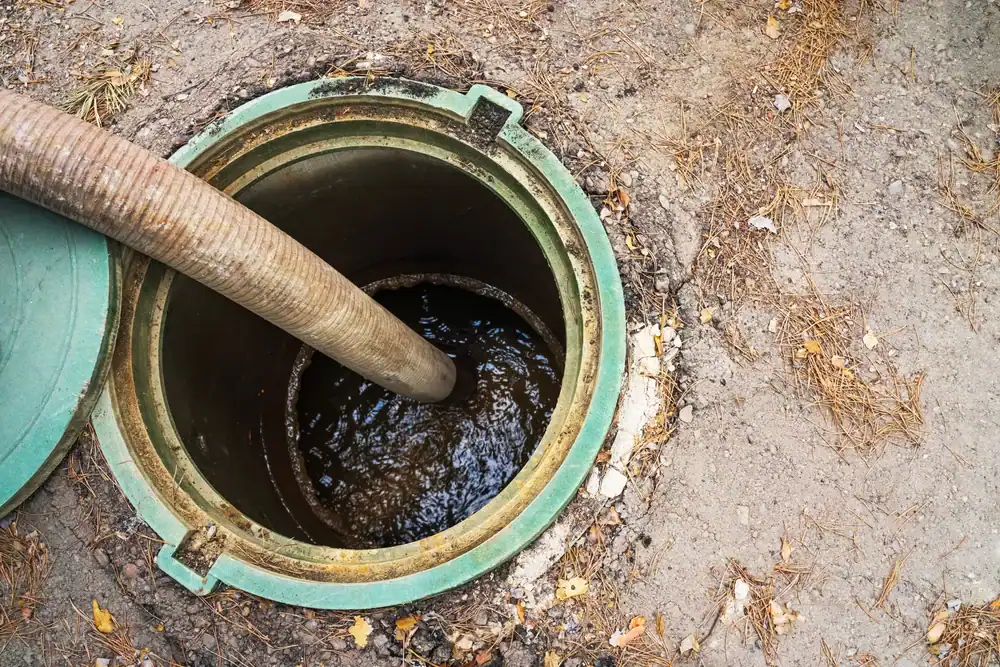
First, we assess what’s actually wrong. That usually means a camera inspection so we can see inside your pipes without tearing up your yard based on guesswork. We’ll show you exactly what we’re looking at—cracks, root intrusion, collapsed sections, whatever’s causing your backups and pipe failure.
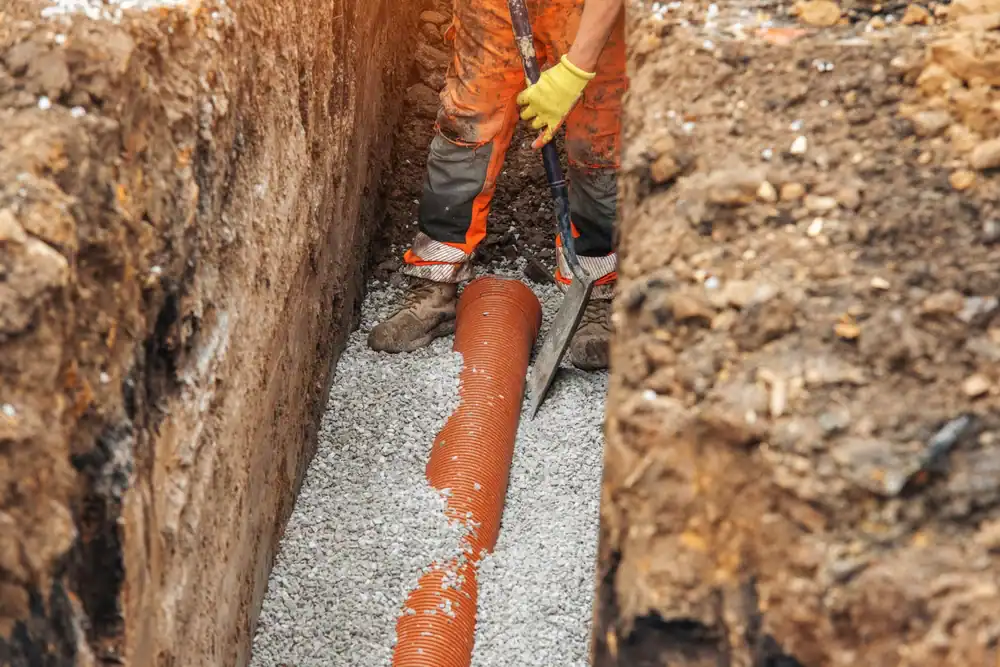
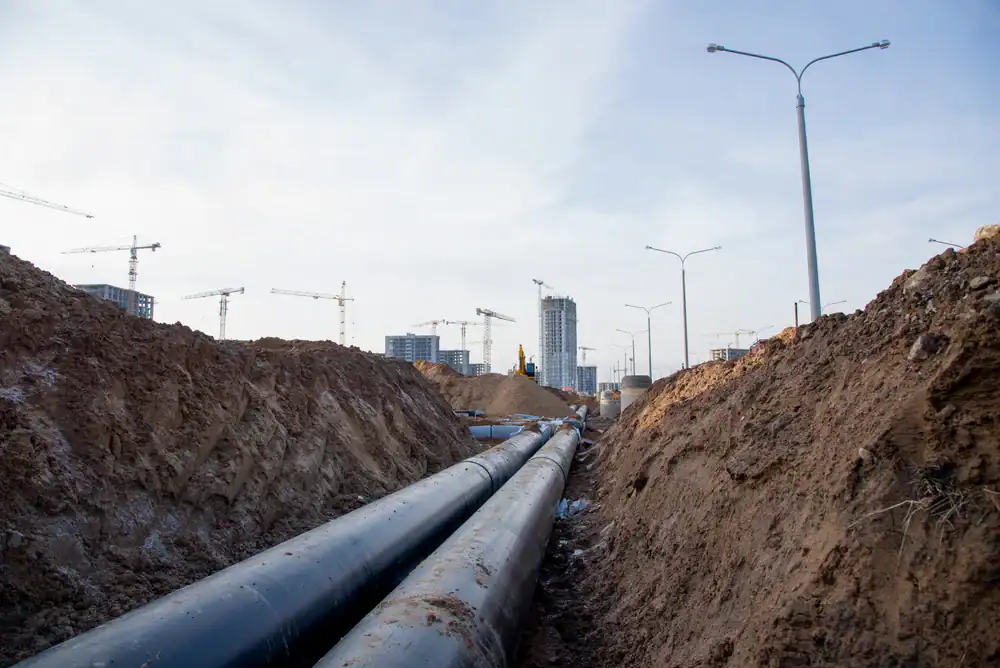
Then we map out the work. If we’re doing trenching and excavation, we mark utilities, plan the route, and figure out the least disruptive path. Sometimes we can use trenchless methods that save you from destroying your landscaping. Other times, traditional excavation is the smarter move—we’ll tell you which and why.
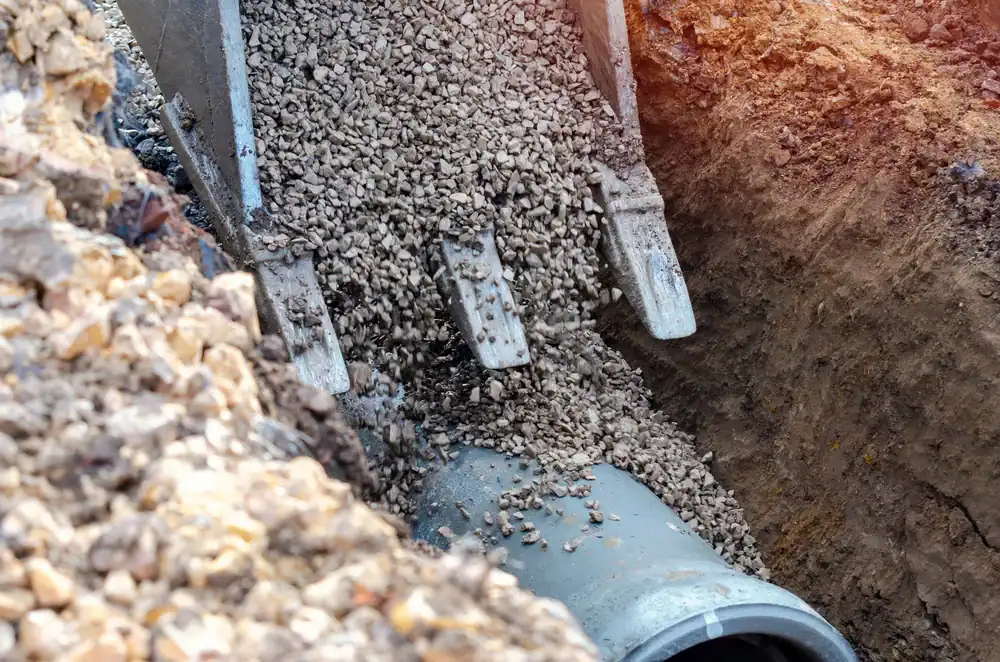
During the actual line changes, we remove the damaged pipe and install new lines with the correct pipe pitch and slope. This isn’t negotiable—if the slope is wrong, waste won’t flow properly no matter how new the pipe is. We make sure your sewer line to cesspool connection is solid, sealed, and positioned to handle decades of use.
After installation, we test everything, backfill carefully, and restore your property. You’ll know exactly what we did and why it’ll hold up.
Ready to get started?
Every main waste line replacement we do includes proper excavation planning, new pipe installation with correct pitch, and solid connections that won’t leak or separate. We’re not patching—we’re rebuilding the system so it works.
In Jericho, we’re dealing with Long Island’s sole-source aquifer directly beneath us. That means every sewer line to cesspool connection has to be watertight. Leaking waste doesn’t just create backups—it contaminates the groundwater that supplies every home in the area. We take that seriously.
You’ll also get transparency about costs before we start. Main waste line replacement in Nassau County typically runs $80 to $250 per linear foot depending on depth, access, and materials. If your job needs more trenching and excavation because of obstacles or poor access, we’ll explain why before adding costs.
We use modern equipment designed for Long Island conditions. Our trucks fit on Jericho streets. Our crews know how to work around mature landscaping. And if we run into unexpected problems—like old pipe materials that weren’t documented—we’ll walk you through options instead of just running up the bill.
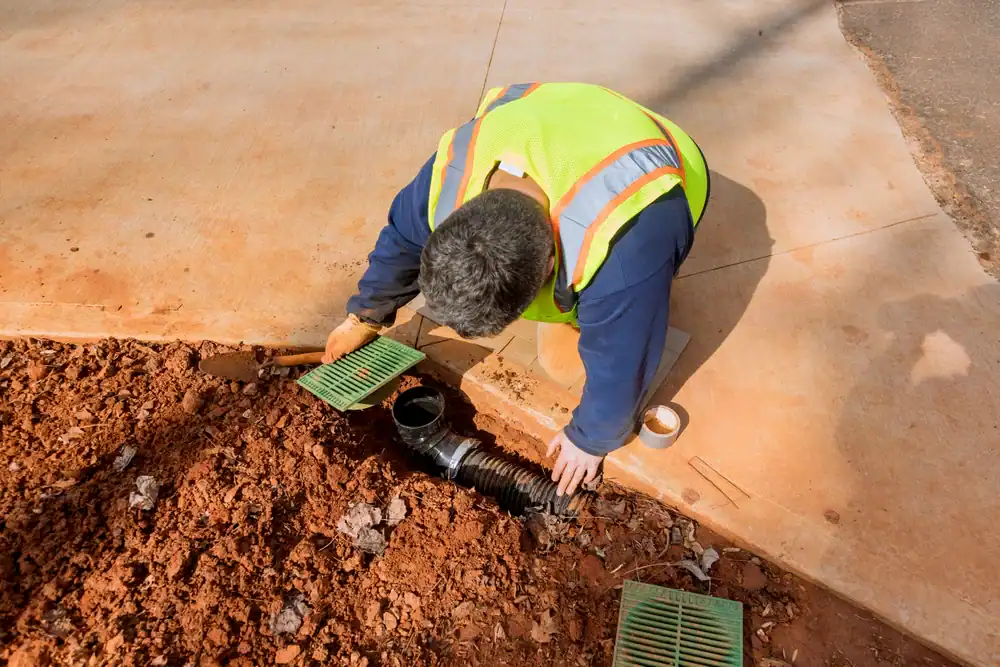
If you’re dealing with repeated backups in the same spot, that’s usually a sign the pipe itself has failed—not just a clog. Repairs make sense for small cracks or isolated damage. But if your line is old cast iron or clay tile, or if tree roots have crushed sections of pipe, patching won’t hold.
We use camera inspections to show you what’s happening inside your pipes. You’ll see whether you’re looking at a repair situation or full line changes. Most Jericho homes built before 1970 are reaching the end of their original pipe lifespan, especially if they’ve never been replaced.
The real question is whether a repair buys you another decade or just another six months. We’ll tell you honestly which one you’re looking at based on what the camera shows us.
Age is the biggest factor. Older pipes crack, corrode, and collapse over time—especially cast iron and clay materials common in Jericho’s older homes. Tree roots are the second major cause. They find tiny cracks in your sewer line to cesspool connection and grow inside the pipe until nothing can flow through.
Poor pipe pitch and slope also causes chronic backups. If your line was installed without the right downward angle, waste doesn’t flow by gravity like it should. It sits in the pipe, builds up, and eventually blocks completely.
Ground shifting, heavy vehicle traffic over your line, and harsh drain chemicals can all accelerate pipe failure too. Once the damage starts, it usually gets worse quickly. That’s why small backups turn into major problems if you ignore them.
Most main waste line replacement jobs in Jericho take one to three days depending on distance, depth, and site conditions. If we’re replacing 50 feet of line with clear access and no obstacles, that’s typically a one-day job. Longer runs, deeper excavation, or difficult terrain add time.
Trenching and excavation is usually the most time-consuming part. We have to dig carefully around utilities, preserve your landscaping where possible, and make sure we’re not creating drainage problems. The actual pipe installation goes relatively quickly once the trench is ready.
Weather can delay things—we can’t backfill in heavy rain because the soil won’t compact properly. And if we discover unexpected issues like unmarked utilities or contaminated soil, that adds time. We’ll keep you updated throughout so you know what’s happening and why.
Sometimes, yes. Trenchless methods like pipe bursting or pipe lining let us replace or repair lines without full excavation. We insert new pipe through the old one or create a new liner inside the existing pipe. Your landscaping stays mostly intact.
But trenchless isn’t always the right answer. If your pipe has completely collapsed, if the pitch needs correction, or if we need to reroute the line, traditional trenching and excavation is often smarter. Trenchless also costs more upfront, so you have to weigh that against landscaping restoration costs.
We’ll assess your specific situation and tell you which approach makes sense. If we can save your yard without compromising the quality of the line changes, we will. But we won’t recommend trenchless just to make the sale if it’s not the best solution for your property.
Complete failure means sewage can’t reach your cesspool—it backs up into your home instead. You’ll see water coming up through drains, toilets overflowing, and sewage odors throughout the house. At that point, your system isn’t functional until the line is replaced.
We offer 24/7 emergency response for situations like this. We can often get someone to your Jericho property within hours to assess the damage and start temporary solutions while we plan the full line changes. That might mean pumping out backups, isolating damaged sections, or setting up temporary waste handling so you can use your plumbing.
Complete failures are expensive and disruptive, which is why we recommend addressing slow drains and minor backups before they escalate. Catching problems early—when you need repairs instead of full replacement—saves you thousands of dollars and a lot of stress.
Main waste line replacement in Nassau County runs $80 to $250 per linear foot on average. So if you’re replacing 50 feet of pipe, you’re looking at $4,000 to $12,500 depending on depth, materials, site access, and whether we need extensive trenching and excavation.
Trenchless methods cost more per foot—sometimes $100 to $300—but you save on landscaping restoration. Traditional excavation costs less for the pipe work itself but you’ll pay to repair driveways, gardens, or hardscaping we have to disturb.
We provide detailed estimates before starting so you know exactly what you’re paying for. No hidden fees for “unexpected” work that any experienced contractor should have anticipated. If we do run into legitimate surprises—like unmarked utilities or contaminated soil—we’ll explain what changed and why before proceeding.
Other Services we provide in Jericho