
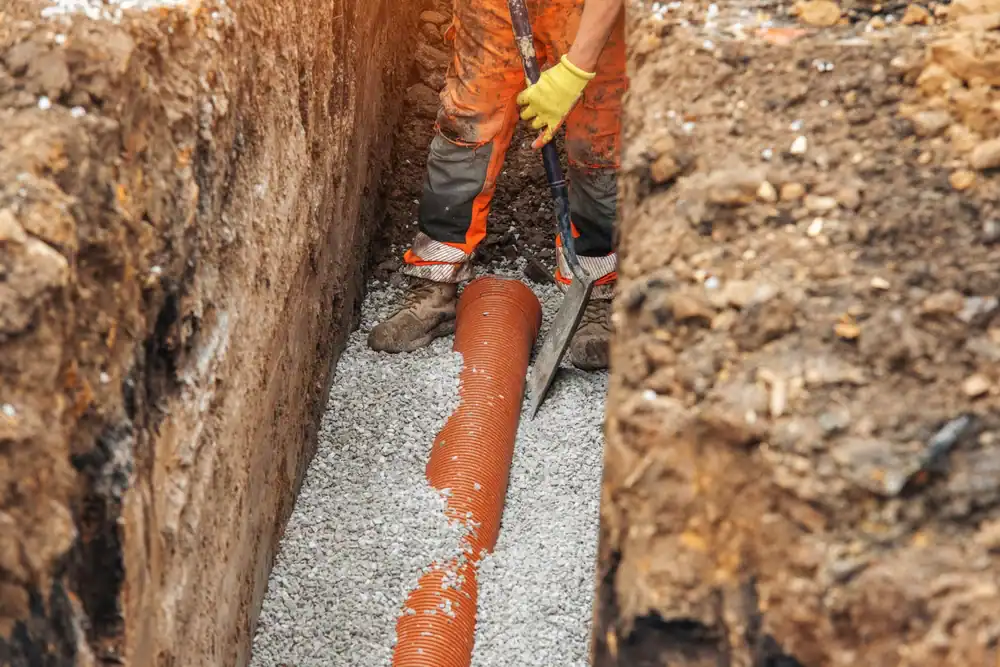
Hear from Our Customers
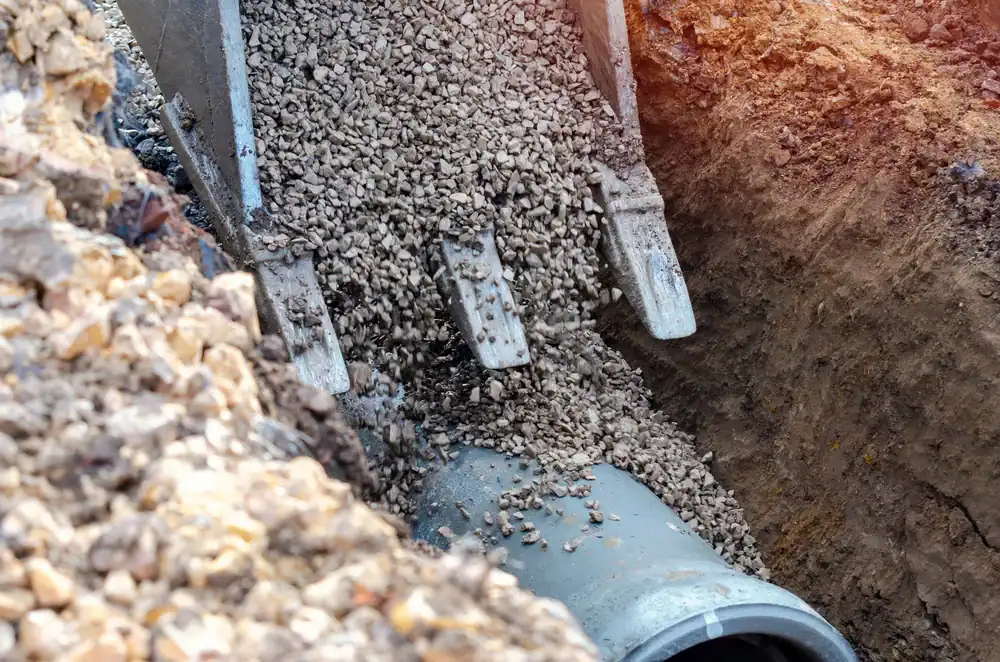
Your drains work the way they should. No more slow-moving water in the kitchen sink or shower that won’t clear. No more foul smells creeping up through your basement or yard.
When the main waste line replacement is done with the right slope—that quarter-inch drop per foot that actually matters—everything flows like it’s supposed to. Your cesspool doesn’t back up during a family dinner or when you’re trying to sell your house.
You also get documentation. Real records that prove your system is compliant with Suffolk County regulations, which matters when you’re refinancing, selling, or just trying to avoid a $250 to $2,000 fine. The peace of mind isn’t dramatic—it’s just knowing your home’s waste system won’t become your problem this month or next year.
We’ve been handling line changes and cesspool work in Lake Grove for nearly two decades. We’re a family business—four generations deep—so this isn’t a side hustle or a corporate call center routing your request to the lowest bidder.
Lake Grove’s sandy soil and high water table create specific challenges for underground pipe work. We’ve seen what happens when lines aren’t pitched correctly or when someone cuts corners on backfill. We know the local codes, the soil conditions, and what actually holds up over time in Suffolk County.
You’re not getting a sales pitch. You’re getting a crew that shows up on time, does the work without wrecking your landscaping, and leaves you with a system that works.
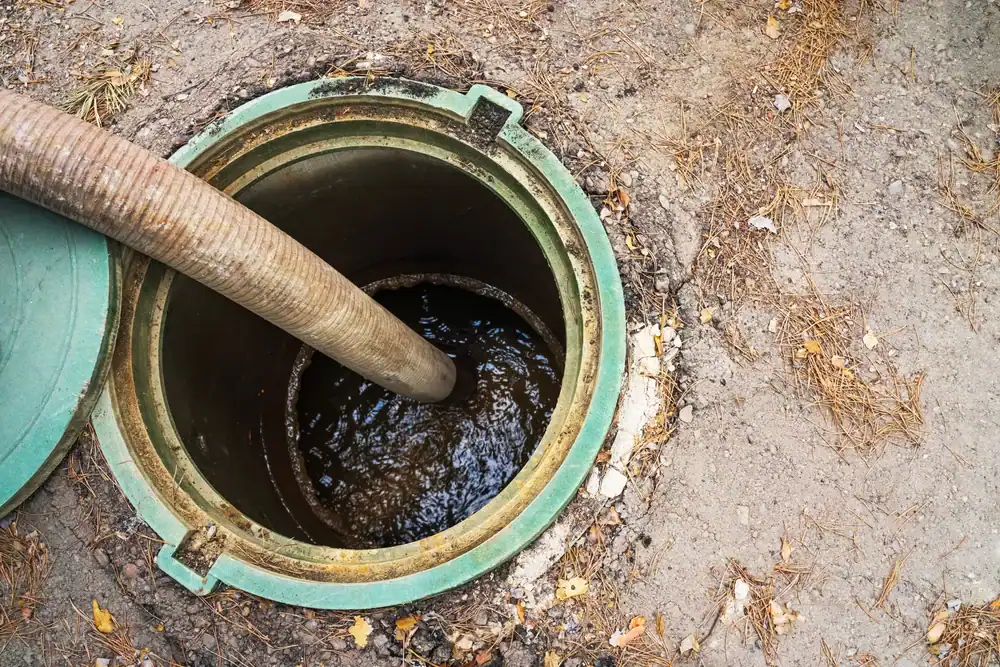
We start with a video inspection. A camera goes down your line with a foot counter so we can see exactly where the problem is—whether it’s a sag, a root intrusion, or a full collapse. No guessing.
Once we know what’s wrong, we map out the trenching and excavation plan. We dig only where we need to, not across your entire yard. The old pipe comes out, and we install the new line with the correct pitch—that quarter-inch per foot that keeps everything flowing and prevents sewer gases from backing into your home.
After the new sewer line to cesspool connection is in, we test it. We make sure the slope is right, the joints are sealed, and everything drains properly. Then we backfill, compact, and clean up. You get a video record of the work and documentation for your files.
The whole process is designed to be the least invasive option that actually fixes the problem for good.
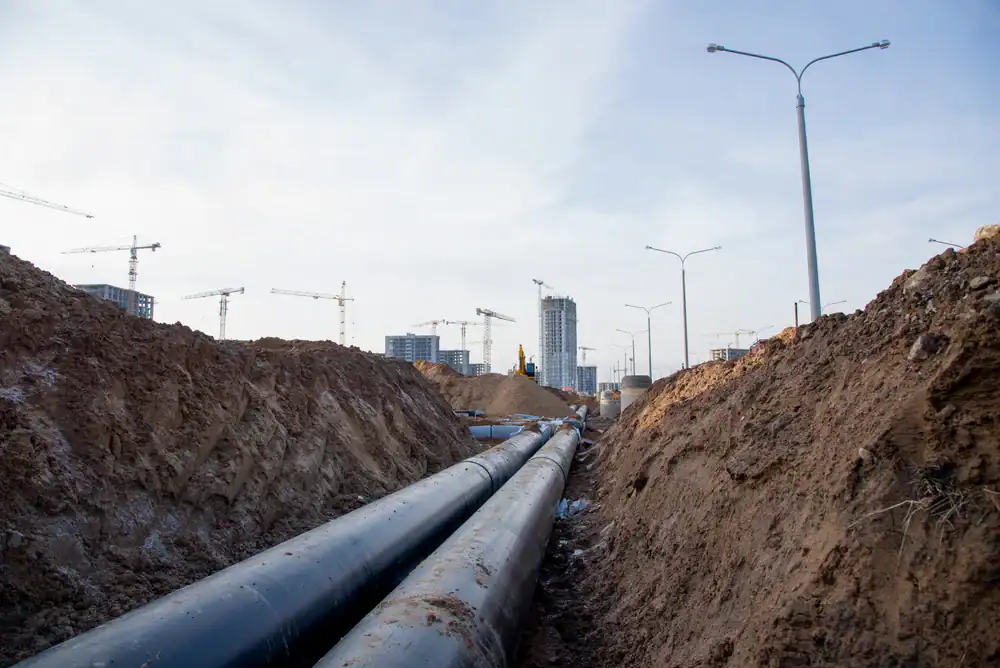
Ready to get started?
You get a full video inspection before and after the work. That means you see what’s broken and you see proof that it’s fixed. The inspection includes exact measurements so there’s no confusion about where the problem is or what needs to be replaced.
The line changes include proper trenching, pipe removal, new pipe installation with correct slope, and backfill that won’t settle and create new problems in six months. We’re not just dropping a pipe in a ditch—we’re engineering the pitch so your system works the way it’s supposed to.
In Lake Grove, where Suffolk County’s environmental regulations are strict and your drinking water comes from the same aquifer your cesspool drains into, this matters. You’re not just fixing a pipe—you’re protecting your property value and staying compliant with local codes. Since the county banned new cesspool installations in 2019, keeping your existing system in good shape is the only option.
We also handle backups and pipe failure emergencies. If your line is already failing and you’re dealing with sewage in your basement, we can prioritize your job and get it handled fast.
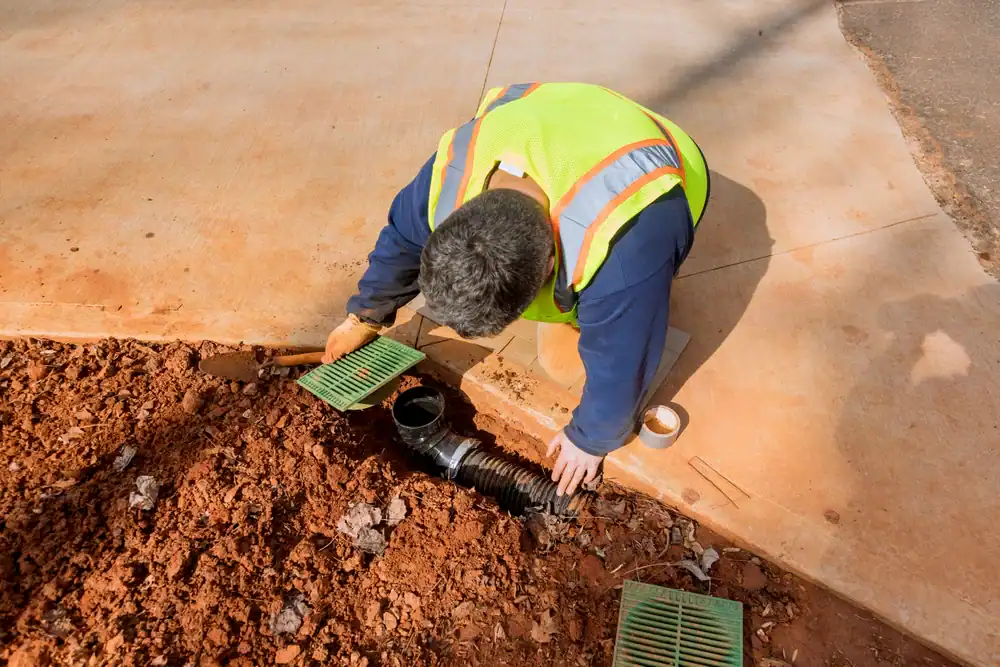
If you’re seeing repeated backups, slow drains throughout the house, or wet spots in your yard near the cesspool, your line is telling you something’s wrong. The real question is whether it’s an isolated clog or a structural failure.
We run a video inspection to find out. If the pipe has a belly sag, root damage, or corrosion that’s compromised the line, a repair won’t hold. You’ll be calling someone back in a year. A full line change means you’re done dealing with it.
If it’s just a clog or a small crack, we’ll tell you that too. We’re not in the business of selling you work you don’t need. But if the pipe pitch is wrong or the line is collapsing, replacement is the only fix that actually solves the problem long-term.
The standard pitch is a quarter-inch drop per foot of pipe. That’s not arbitrary—it’s the slope that keeps waste moving without creating other problems.
If the pitch is too steep, you get what’s called a siphon effect. The liquid moves faster than the solids, which leads to clogs and lets sewer gases back into your house. If the slope is too shallow, nothing drains properly and you end up with standing water in the line.
In Lake Grove, where soil can shift and settle over time, getting that pitch right during installation is critical. We use a level and laser tools to make sure the grade is correct before we backfill. It’s one of those details that doesn’t sound exciting but makes the difference between a system that works and one that fails in two years.
It depends on how much pipe needs to be replaced, how deep it’s buried, and what’s in the way. A straightforward 30-foot line change is going to cost less than a 60-foot run under a driveway.
Most line changes in Lake Grove run between a few thousand and several thousand dollars. That includes the video inspection, excavation, new pipe, proper slope installation, backfill, and cleanup. If there are complications—like needing to work around tree roots or underground utilities—that can add to the cost.
We give you a free estimate after we inspect the line and know exactly what we’re dealing with. No hidden fees, no surprises. You’ll know what it costs before we start digging, and that price includes everything from start to finish.
We dig where we need to and nowhere else. The video inspection shows us the exact location of the problem, so we’re not guessing or excavating your entire property to find a bad section of pipe.
Most line changes require a trench from your house to the cesspool or from the cesspool to the distribution box. We mark it out, dig it, do the work, and backfill it properly so it doesn’t settle. Yes, there will be a trench. But we’re not tearing up your whole yard.
If you’ve got landscaping or hardscaping in the way, we’ll talk through it before we start. Sometimes we can route around it. Sometimes we can’t. Either way, you’ll know what to expect, and we’ll do everything we can to minimize the disruption. The goal is to fix your line, not wreck your property.
Most line changes take one to two days depending on the length of the run and site conditions. The video inspection happens first—that’s usually a few hours. Once we know what needs to be replaced, we schedule the excavation and installation.
The actual digging, pipe removal, new line installation, and backfill usually happen in a single day if the job is straightforward. If we’re dealing with a longer run, tough soil, or obstacles like tree roots or underground utilities, it might take two days.
You’ll have use of your plumbing again as soon as the new line is in and tested. We don’t leave jobs half-finished or drag them out. We show up, do the work, clean up, and you’re back to normal. If weather or an unexpected issue delays things, we’ll let you know immediately—not three days later.
Suffolk County requires permits for most underground work involving cesspool systems. The permit process ensures the work meets local codes and environmental standards, which matter here because your cesspool affects the groundwater that supplies drinking water across Long Island.
We handle the permit process. You don’t need to go to the town office or figure out what forms to fill out. We pull the permits, schedule the inspections, and make sure everything is compliant before we close out the job.
That documentation is important if you ever sell your house or refinance. Buyers and mortgage companies want proof that your cesspool system is legal and up to code. Having the permits and inspection records on file means you’re not scrambling to produce paperwork or pay for a new inspection when you’re trying to close a sale.
Other Services we provide in Lake Grove