
Hear from Our Customers
Your toilet backs up at the worst time. Your yard smells like sewage. You’ve got family coming over and you’re panicking about whether your pipes will hold.
Line changes fix the root problem—not just the symptom. When your main waste line is replaced correctly, with proper pipe pitch and slope, waste flows the way it’s supposed to. No more slow drains. No more recurring backups. No more calling a plumber every six months because the last guy didn’t dig deep enough or set the grade right.
You get a sewer line to cesspool connection that actually works. You get trenching and excavation done by people who’ve seen every type of soil and setup Levittown throws at them. And you get to stop worrying about when the next disaster’s going to hit.
We’ve been handling line changes in Levittown, NY for over a decade, backed by four generations of family-owned septic expertise. We’re licensed, insured, and we’ve worked on more post-war homes in Nassau County than we can count.
Levittown’s homes were built fast and sold cheap after the war. That means a lot of shortcuts, a lot of aging infrastructure, and a lot of systems that were never designed to last this long. We know what’s under your yard before we even dig. We know how the soil drains, how deep the frost line goes, and what it takes to connect your sewer line to your cesspool without creating a bigger problem six months from now.
You’re not getting a corporate crew. You’re getting a local team that lives here, works here, and answers the phone when something goes wrong.
First, we assess the damage. That means locating the break, checking the slope, and figuring out whether you need a full main waste line replacement or just a section repaired. We don’t upsell. If a patch will hold, we’ll tell you.
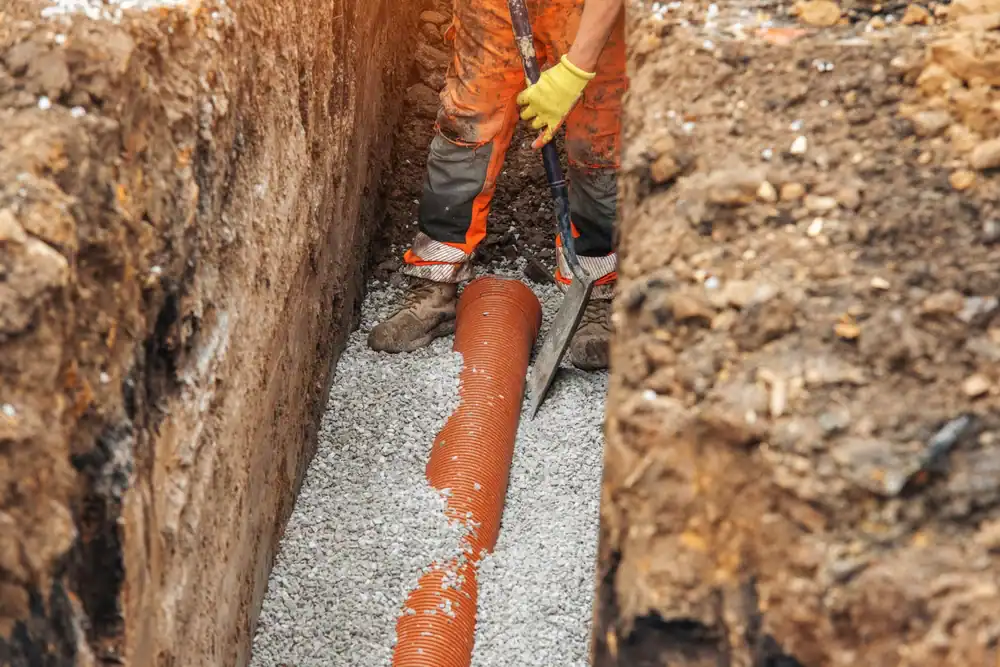
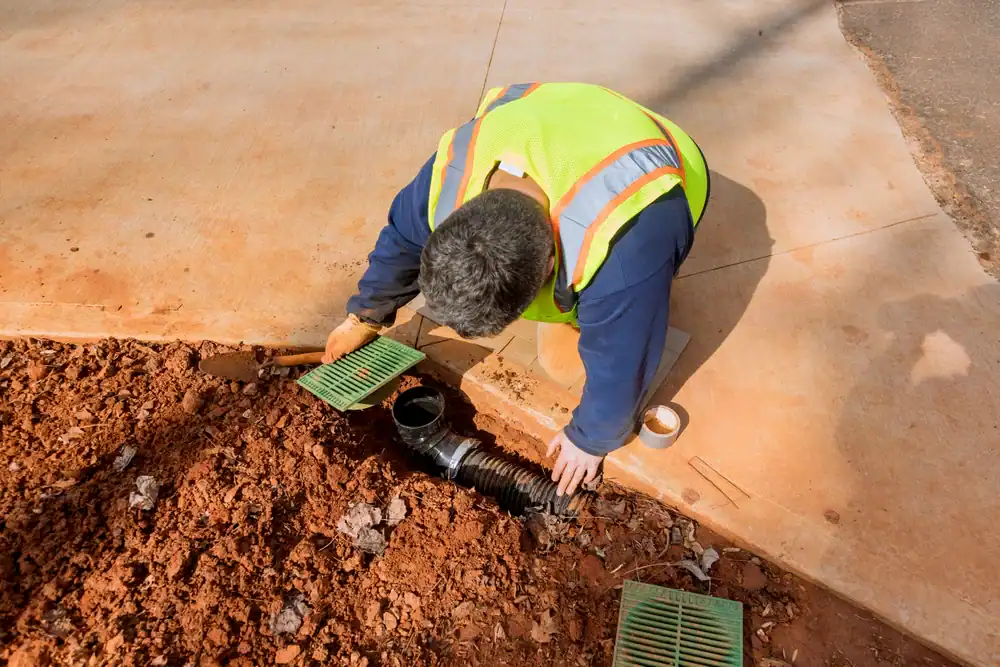
Next comes trenching and excavation. We dig down to the problem, expose the old line, and remove it. Depending on your setup, we might be connecting a new sewer line to your cesspool, rerouting around tree roots, or replacing corroded cast iron with modern PVC. We make sure the pipe pitch and slope are correct—because if the grade’s off even slightly, waste won’t flow and you’ll be back to square one.
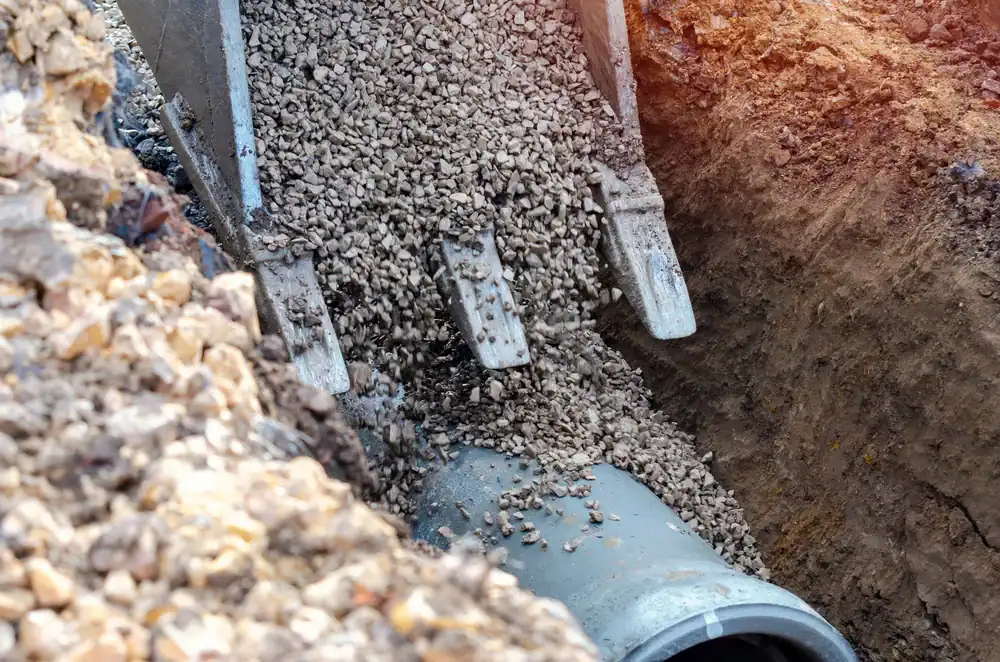
Once the new line is in, we backfill, compact, and restore your yard as close to original as possible. Then we test it. You’ll know it works before we leave, not three weeks later when something backs up again.
Ready to get started?
You get a full assessment of your existing system before any digging starts. We locate the problem, measure the depth, check for obstructions, and give you a clear picture of what needs to happen.
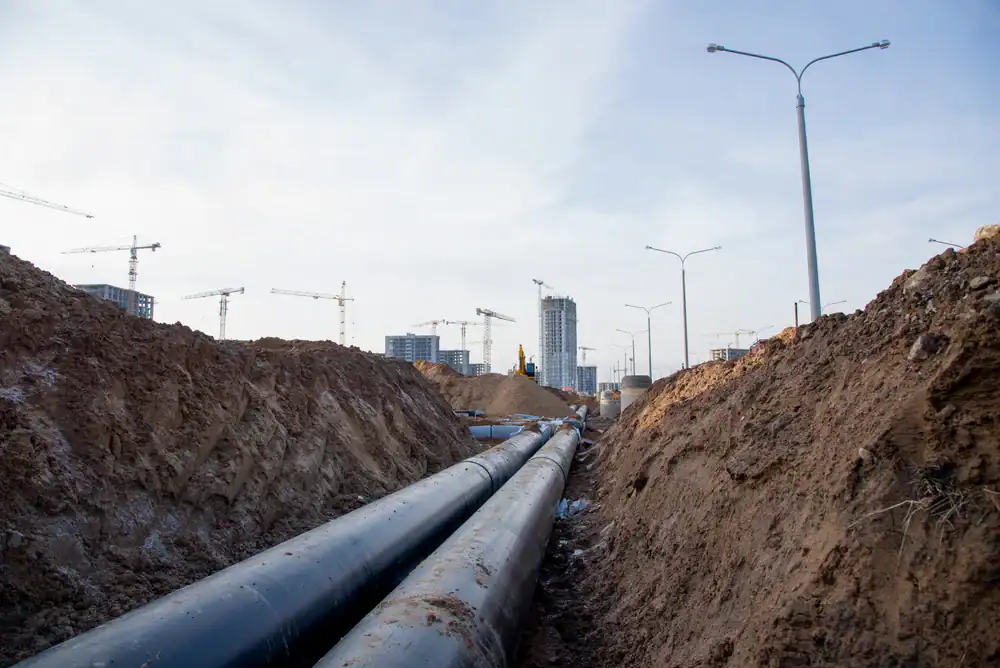
You get professional trenching and excavation using equipment that won’t destroy your driveway or landscaping. We dig clean, we dig smart, and we don’t leave your yard looking like a construction zone for weeks. In Levittown, where lot sizes are tight and homes are close together, that matters.
You get proper pipe pitch and slope installation. This isn’t optional—it’s the difference between a line that works and one that clogs every winter. We set the grade right so gravity does the work and waste moves the way it should. And if you’re connecting a sewer line to a cesspool, we make sure that connection is sealed, secure, and compliant with Nassau County regulations.
You also get honesty. If your cesspool is shot and a line change won’t fix the real issue, we’ll tell you. We’re not here to sell you a repair that buys you six months. We’re here to solve the problem.
If you’re dealing with recurring backups, slow drains that never fully clear, or sewage surfacing in your yard, there’s a good chance your main waste line is compromised. A single clog can usually be cleared. But if the problem keeps coming back, it’s often because the pipe itself is cracked, collapsed, or sloped incorrectly.
We start with a camera inspection when possible to see what’s actually happening underground. If the pipe is just blocked, we’ll clear it. If it’s broken, corroded, or sagging, a line change is the only real fix. Patching a failing line is like putting a band-aid on a broken bone—it might hold for a bit, but it’s not solving anything.
In Levittown, a lot of homes still have original cast iron or clay pipes from the 1940s and 50s. Those materials break down over time, especially in soil that shifts or freezes. If your home is that old and you’ve never replaced the line, it’s worth having someone take a look before you’re dealing with an emergency.
Most line changes in Levittown take one to three days, depending on how deep we need to dig, how much pipe needs replacing, and what we run into underground. If we’re just replacing a section between your house and your cesspool, that’s usually a one-day job. If we’re rerouting around tree roots, dealing with ledge rock, or connecting to a municipal sewer line, it can take longer.
Weather matters too. If the ground is frozen or soaked from heavy rain, excavation takes more time and we have to be more careful about trench stability. We’re not going to rush a job just to get it done faster—your safety and the integrity of the repair come first.
You’ll have access to your plumbing during most of the work, but there will be a few hours where water needs to be shut off while we make the final connections. We’ll let you know ahead of time so you can plan around it. And once the line is in and tested, you’re good to go. No waiting days to use your system again.
Pipe pitch and slope are the same thing—they refer to the angle at which your sewer line is installed. For waste to flow properly using gravity, the pipe needs to slope downward from your house to your cesspool or sewer connection. The standard is about a quarter inch of drop per foot of pipe. Too flat, and waste sits in the line and clogs. Too steep, and liquid runs ahead of solids, leaving buildup behind.
Getting the slope right is one of the most important parts of a line change, and it’s where a lot of DIY jobs and cheap contractors fail. If the grade isn’t consistent along the entire run, you’ll have low spots where waste collects. Over time, those spots clog, and you’re back to dealing with backups.
We use a laser level to set the grade before we lay any pipe. That way, every section is angled correctly and waste moves smoothly from start to finish. It’s not glamorous work, but it’s the difference between a repair that lasts twenty years and one that fails in two.
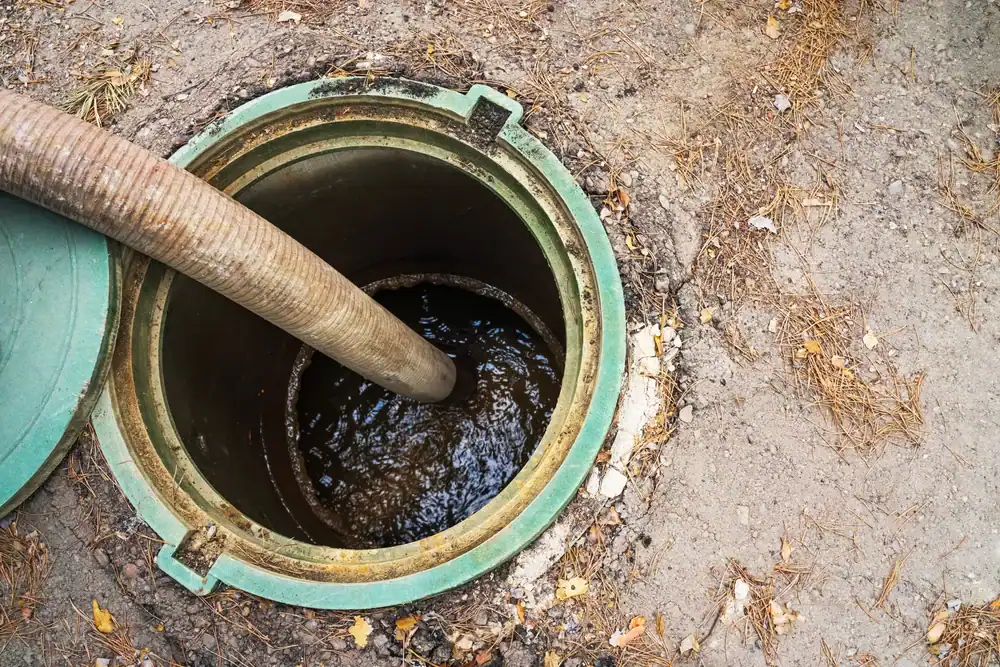
Yes, as long as your cesspool is still functional and up to code. A sewer line to cesspool connection is common in Levittown, especially for homes that aren’t connected to municipal sewer systems. We’ll inspect your cesspool first to make sure it’s not cracked, collapsed, or overloaded. If it’s in good shape, we can run a new line directly to it.
The connection itself has to be watertight and properly sealed. If it’s not, you’ll get groundwater infiltrating your system, which overloads your cesspool and leads to more frequent pumping. We use rubber boots or concrete collars depending on the setup, and we test the connection before backfilling the trench.
If your cesspool is failing—caving in, leaching poorly, or undersized for your household—we’ll tell you before we start the line work. There’s no point in connecting a new sewer line to a cesspool that’s about to fail. In that case, you’re looking at a full system replacement, not just a line change. We’ll walk you through your options and give you a straight answer about what makes sense for your situation.
We do everything we can to minimize damage, but trenching and excavation means digging—and that means some disruption. If your sewer line runs under your driveway, we’ll need to cut through it to access the pipe. We’ll saw-cut clean lines, remove only what’s necessary, and repave or patch it once the line is in. It won’t look brand new, but it’ll be solid and functional.
For landscaping, we’ll mark the trench line before we dig and try to avoid mature trees, garden beds, and hardscaping where possible. Once the pipe is installed and the trench is backfilled, we’ll grade and seed the area. Grass will take a few weeks to grow back, but the soil will settle and blend in over time.
In Levittown, where yards are small and homes are close together, we’re used to working in tight spaces. We’re not bringing in massive equipment that tears up half your property. We dig smart, we clean up as we go, and we restore what we disturb. If you’ve got specific concerns about a fence, a flower bed, or underground utilities, let us know up front and we’ll plan around it.
It happens. Underground utilities, old septic tanks, tree roots, ledge rock—you never know what’s down there until you start digging. Before we break ground, we call 811 to have utilities marked. That covers electric, gas, water, and telecom lines. But private lines—like old irrigation systems, buried oil tanks, or abandoned cesspools—don’t always show up on those maps.
If we hit something unexpected, we stop, assess, and figure out the best way forward. Sometimes that means rerouting the trench. Sometimes it means coordinating with a utility company to relocate a line. And sometimes it means adjusting the scope of the job to work around an obstruction. We’ll talk through your options and give you a clear cost before moving forward.
Ledge rock is common in parts of Nassau County, and if we hit it, we’ll need a jackhammer or rock saw to get through. That adds time and cost, but it’s not something we can predict until we’re in the ground. We don’t hide those costs or surprise you with them at the end. If conditions change, you’ll know right away, and we’ll handle it the right way.
Other Services we provide in Levittown