
Hear from Our Customers
Your cesspool system stops working when the connection between your house and tank fails. Slow drains turn into standing water. Foul smells show up right when guests arrive. You’re told to stop using water immediately.
A proper line change fixes the root cause. New pipes installed at the correct pitch mean waste flows the way it should. No more calling for emergency pump-outs every few weeks. No more wondering if your next shower will back up into the yard.
You get a system that works through peak season usage. Your property stays functional when it matters most. That’s what a correctly installed waste line does – it removes the worry so you can actually enjoy your time in Lonelyville.
We’ve served Suffolk County properties long enough to know that Fire Island work is different. Getting equipment to Lonelyville takes planning. The sandy soil shifts. Most homes are seasonal, which means problems often show up right when you need the system most.
We’re licensed, we’re local, and we’ve handled enough Fire Island line changes to know what actually works in your conditions. Our crews understand pipe pitch requirements, proper trenching depth for your soil type, and how to connect everything so it lasts.
You’re not getting a crew that’s figuring it out as they go. You’re getting technicians who have done this specific work in your specific area enough times to do it right.
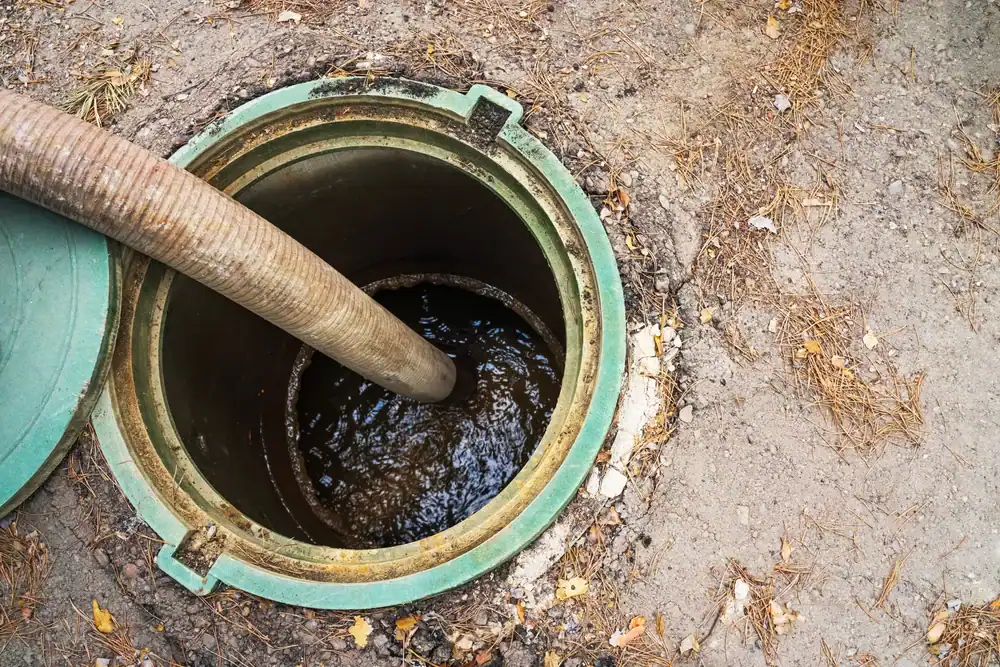
First, we locate your existing cesspool and map the current line path. We use fiber-optic cameras to see exactly where the failure is – whether it’s a collapsed section, improper slope, or root intrusion that’s blocking flow.
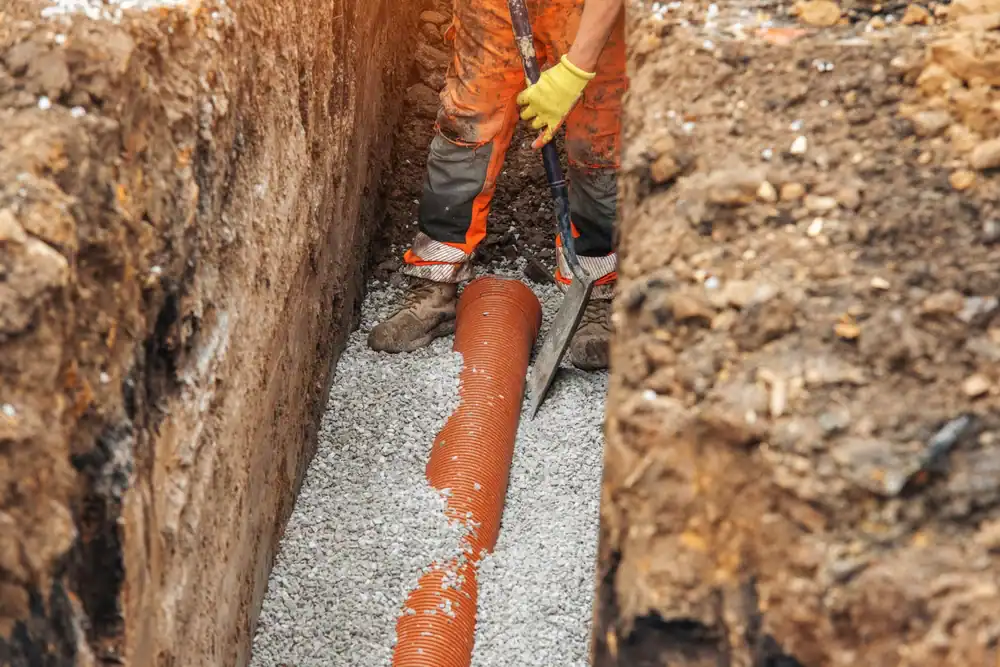
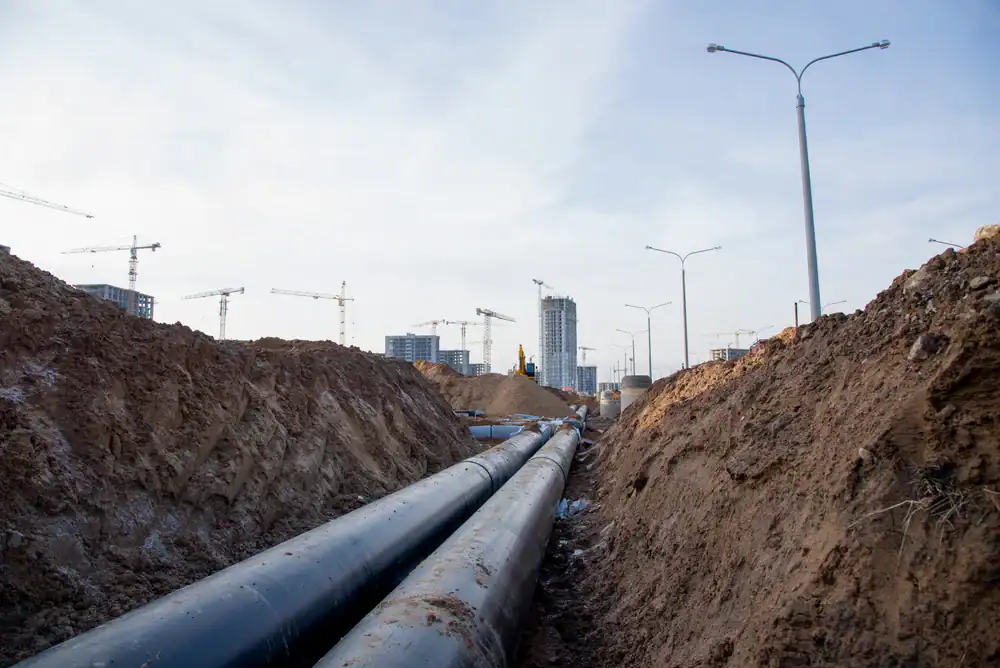
Then comes excavation. We trench from your house to the cesspool, going deep enough to install new pipe at the proper pitch. That slope matters – too flat and waste sits in the line, too steep and liquids separate from solids. We set it at the grade that keeps everything moving.
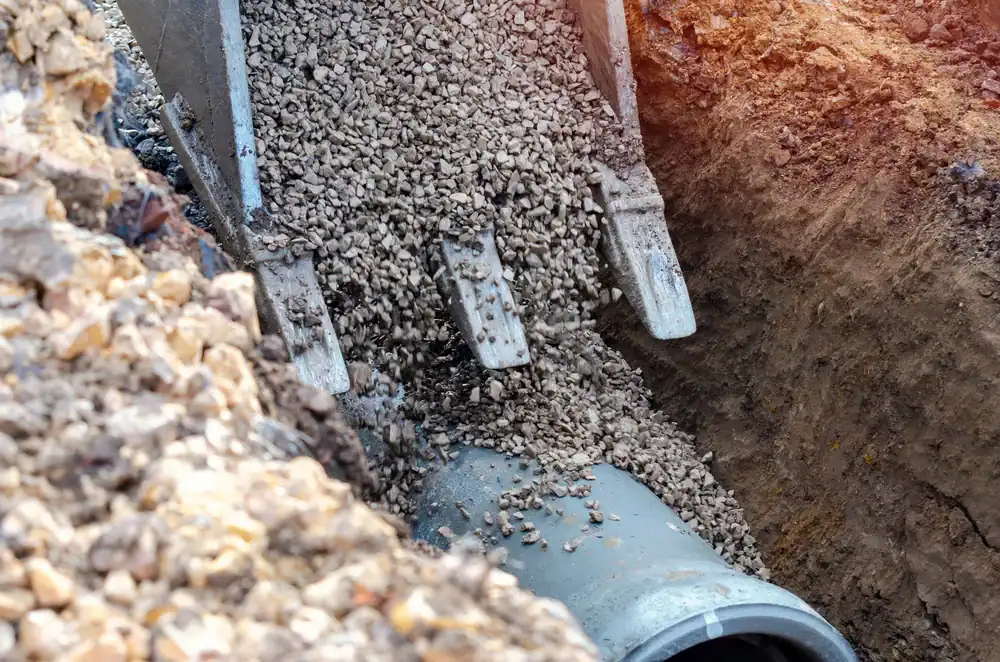
New pipe goes in, gets connected to your cesspool, and we backfill with proper compaction so nothing settles or shifts later. Before we’re done, we test the flow to confirm drainage is working correctly. You’ll know the line is functioning before we leave your property.
The whole process typically takes a day for standard residential lines, longer if we’re dealing with extensive damage or difficult access conditions. You’ll have a clear timeline before we start.
Ready to get started?
You get complete line replacement – trenching, excavation, new pipe installation, proper connection to your cesspool, and backfilling. We handle the entire sewer line to cesspool connection, not just part of it.
Fire Island properties face unique challenges. Your home sits on sandy soil that shifts with weather and water tables. Tree roots from the limited vegetation seek out any moisture source. Seasonal usage patterns mean your system goes from zero use to maximum capacity in a matter of weeks. We account for all of that in how we install your line.
In Lonelyville specifically, access is limited and equipment has to come in by ferry or barge. That affects timing and cost, but it doesn’t change the quality of work you should expect. We plan around those logistics so you’re not dealing with delays or surprise charges.
Your new line is installed to handle your property’s actual usage, pitched correctly for reliable drainage, and built to last through Fire Island’s conditions. That’s what you’re paying for.
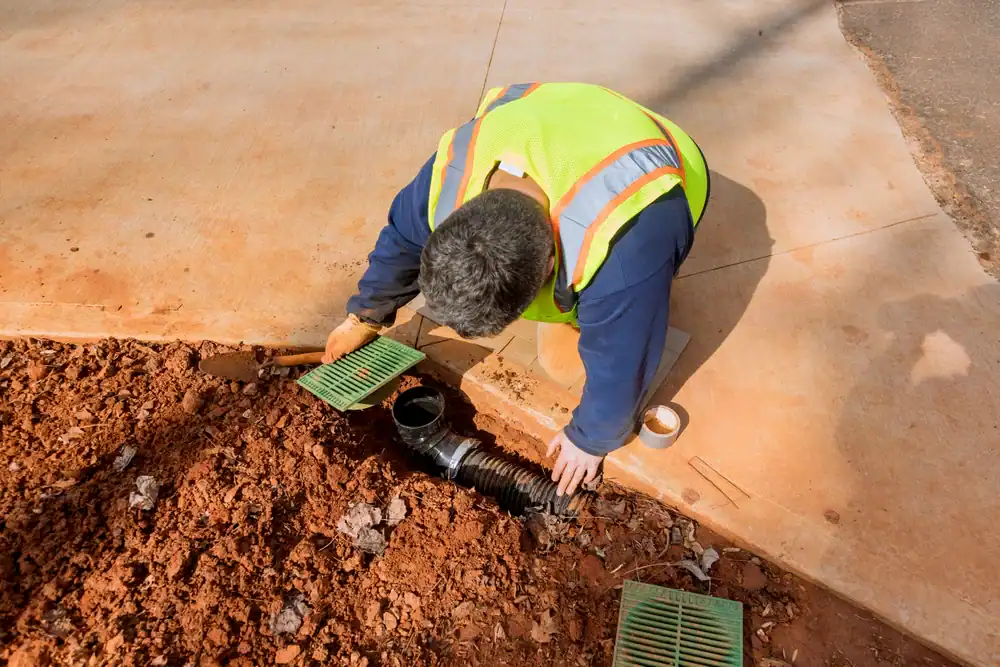
If your line has collapsed, shifted significantly, or is consistently backing up despite pump-outs, you likely need replacement. Repairs work for isolated cracks or small root intrusions. Full line changes are necessary when the pipe has lost its proper slope, when multiple sections have failed, or when the existing line is old enough that patching one spot just means another will fail soon.
We can tell you which one makes sense after a camera inspection. That shows us the condition of the entire line, not just where the current problem is. If 60% of your pipe is compromised, repairing the worst 10% doesn’t solve anything.
Age matters too. If your line is original to a home built in the 1960s or 70s, the material itself may be at the end of its lifespan. At that point, replacement prevents you from paying for multiple repair calls over the next few years.
Improper pitch is the most common issue we see. Lines installed without the correct slope let waste sit instead of flowing to the cesspool. That leads to clogs, backups, and eventually pipe damage from constant blockages.
Ground shifting is another major factor on Fire Island. Sandy soil moves with groundwater changes and weather. A line installed at the right pitch 20 years ago may have settled into sections that now trap waste. Tree roots find any crack or joint in the pipe and grow into it, creating blockages that get worse over time.
Heavy seasonal use also stresses systems that sit idle most of the year. Going from no flow to maximum capacity puts pressure on connections and can expose weak points in aging pipes. Lack of regular maintenance means small problems become big failures before anyone notices.
Most residential line changes take one full day once we’re on site with equipment. That includes excavation, pipe installation, connection, backfilling, and testing. Longer runs or complicated access can extend that to two days.
Fire Island logistics add time to the overall schedule. Equipment and materials have to be transported by ferry, which means we’re working around boat schedules. Weather can delay barge access. We plan for those factors when we give you a timeline.
The actual work moves quickly once we start. Trenching goes fast in sandy soil. Pipe installation is straightforward when you’re doing it right. The testing and backfilling take time because we’re making sure everything is solid before we consider the job done. You’ll have water usage back the same day in most cases.
If you’re pumping out more often than you should, the line is usually part of the problem. A properly pitched line lets liquids drain into the cesspool efficiently while solids break down as they should. A line with poor slope or blockages keeps everything sitting in the tank, filling it faster than normal.
Replacing a failed line often cuts pump-out frequency significantly. You go from every few weeks back to once or twice a season, which is what a functioning system should need. That’s not just convenient – it saves you money on repeated service calls.
There are other factors that affect pump-out frequency, like tank size relative to usage and the condition of the cesspool itself. But if your tank is appropriately sized and you’re still pumping constantly, the line connection is the first place to look. A camera inspection tells us if that’s where your problem is.
Standard pitch for waste lines is 1/4 inch of drop per foot of horizontal run. That’s steep enough to keep waste moving but not so steep that liquids rush ahead and leave solids behind. Some situations call for slight adjustments based on distance and soil conditions, but that’s the baseline.
Too flat and you get standing water in the pipe. Waste accumulates, clogs form, and you end up with backups. Too steep and you get separation – liquids drain fast while solids stick in the line. Both scenarios cause problems that lead to system failure.
We measure and set the grade during installation using proper equipment, not guesswork. The trench depth is calculated based on your specific run length and where the cesspool sits. That’s how you get a line that actually works long-term instead of one that seems fine for a few months then starts causing issues.
Cost depends on line length, access difficulty, and how much excavation is required. A typical residential line change in Lonelyville runs higher than mainland work because of Fire Island’s transportation and access challenges. Equipment, materials, and crew time all factor into the final price.
We give you an upfront estimate after assessing your specific situation. That includes the camera inspection to see what we’re dealing with, measurements of the run from house to cesspool, and evaluation of access for equipment. No surprise charges once we start work.
The investment makes sense when you consider what you’re getting – a system that works reliably instead of one that fails during peak season. Fewer emergency calls, fewer pump-outs, and no more worrying about backups when your property is full of guests. That’s the actual value of doing the work correctly.
Other Services we provide in Lonelyville