
Hear from Our Customers
You stop worrying about backups every time someone runs water. Your system drains the way it’s supposed to. No more slow drains, no more sewage smells creeping up through your yard, and no more calling emergency services at midnight because your basement’s flooding.
A proper line change means your waste moves from your house to your cesspool without pooling, without backing up, and without destroying your property in the process. That’s what correct pipe pitch and slope give you—gravity doing its job so your system doesn’t fail.
When the work’s done right, you’re not dealing with the same problem again next year. You’re not paying twice for the same repair because someone cut corners on the excavation or didn’t set the grade correctly.
We’ve been handling cesspool and septic work in Mastic, NY for over a decade. We know the soil conditions here. We know how Suffolk County codes work. We know what fails and why.
When you call us for a line change, you’re getting a crew that’s done this hundreds of times in your area. We’re not guessing about your system—we’re diagnosing it with camera inspections and fixing it with the right equipment and the right slope.
Mastic properties deal with specific challenges. Proximity to water, soil composition, older cesspool systems—these aren’t surprises to us. We handle them every week.
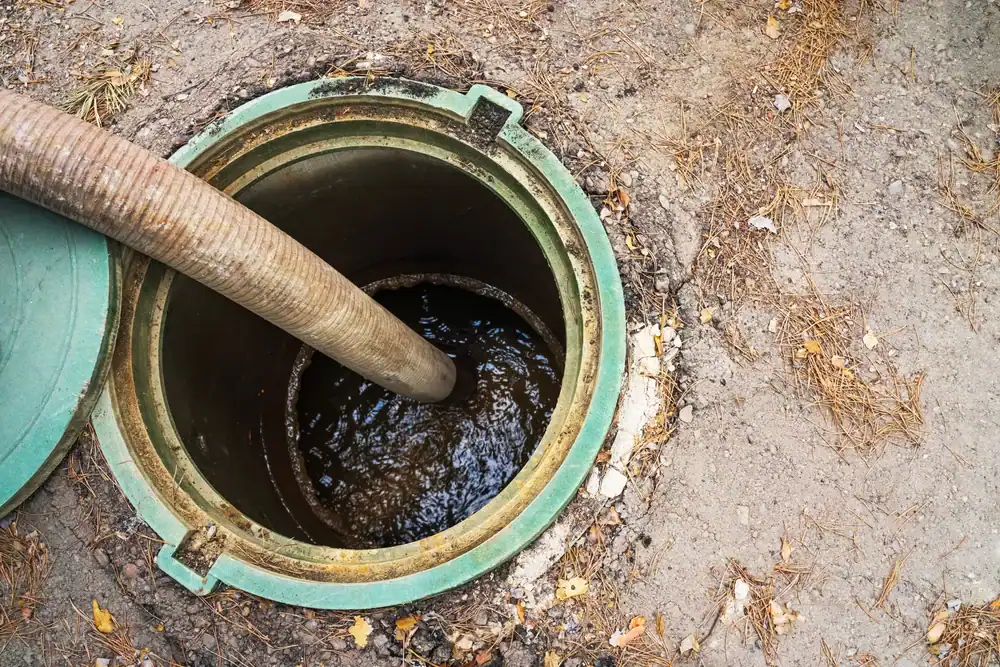
First, we inspect your current line with a video camera. This shows us exactly where the problem is—whether it’s root infiltration, a collapsed pipe, improper slope, or something else. No guessing.
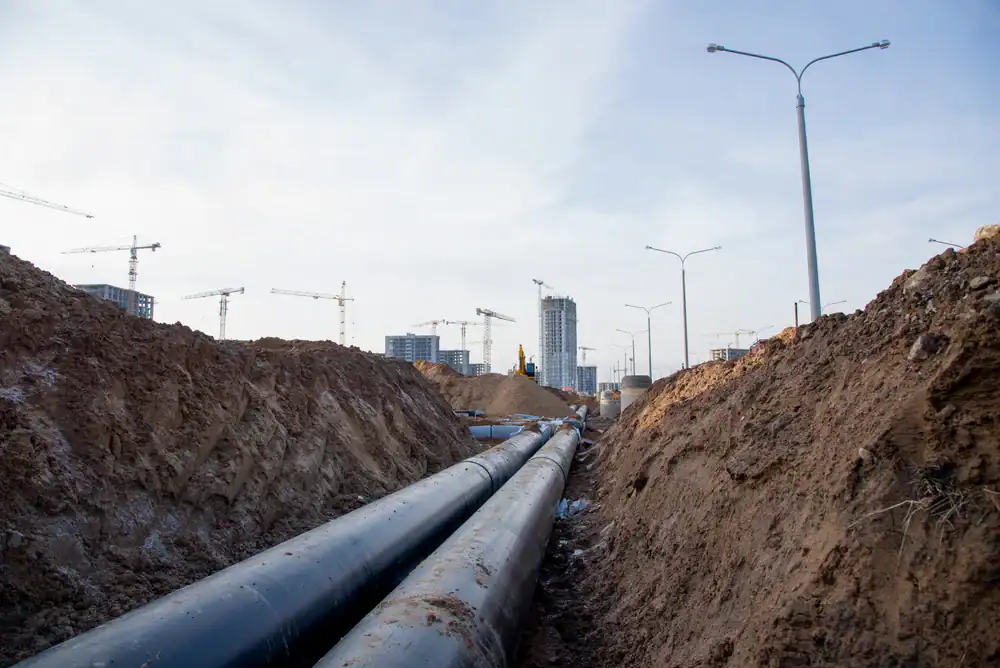
Then we map out the excavation. We’re digging a trench from your house to your cesspool, and we do it in a way that protects your property and gets the job done efficiently. Our crew knows how to work around landscaping, driveways, and existing structures.
Next comes the actual line installation. We’re setting your new sewer line to cesspool connection at the correct pitch—typically 1/4 inch per foot. That’s the grade that keeps waste moving without causing flow problems or leaving your trap dry.
Once the pipe’s in and connected, we backfill the trench, compact the soil, and test the system. You’ll see water flowing the way it should before we leave your property.
Ready to get started?
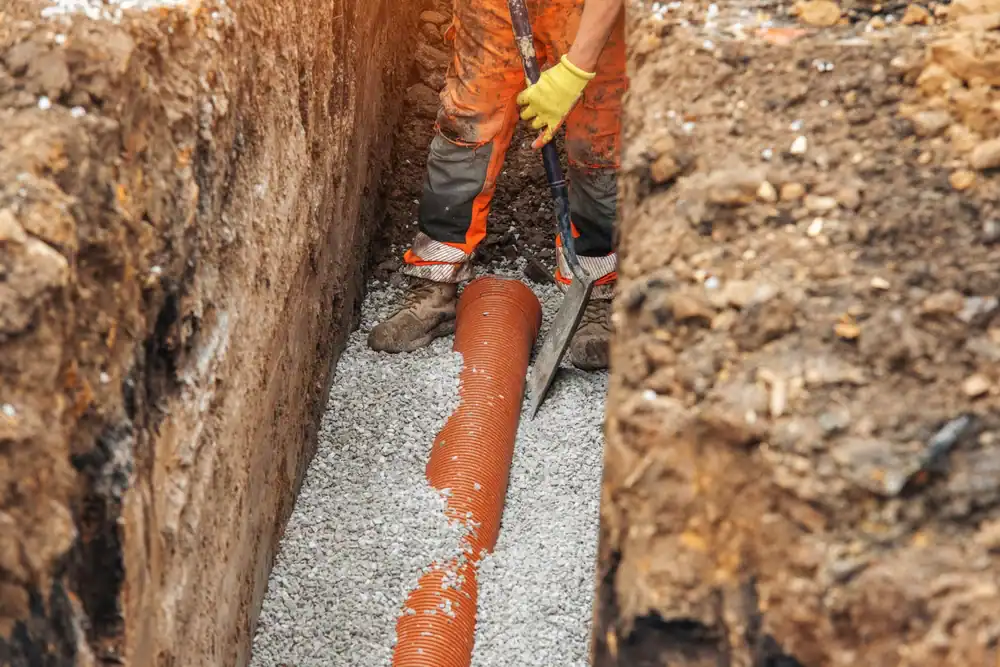
You’re getting full trenching and excavation from your house to your cesspool. That includes removing the old, failed line and disposing of it properly. We bring in the equipment needed to dig accurately and efficiently—no hand digging that takes three days.
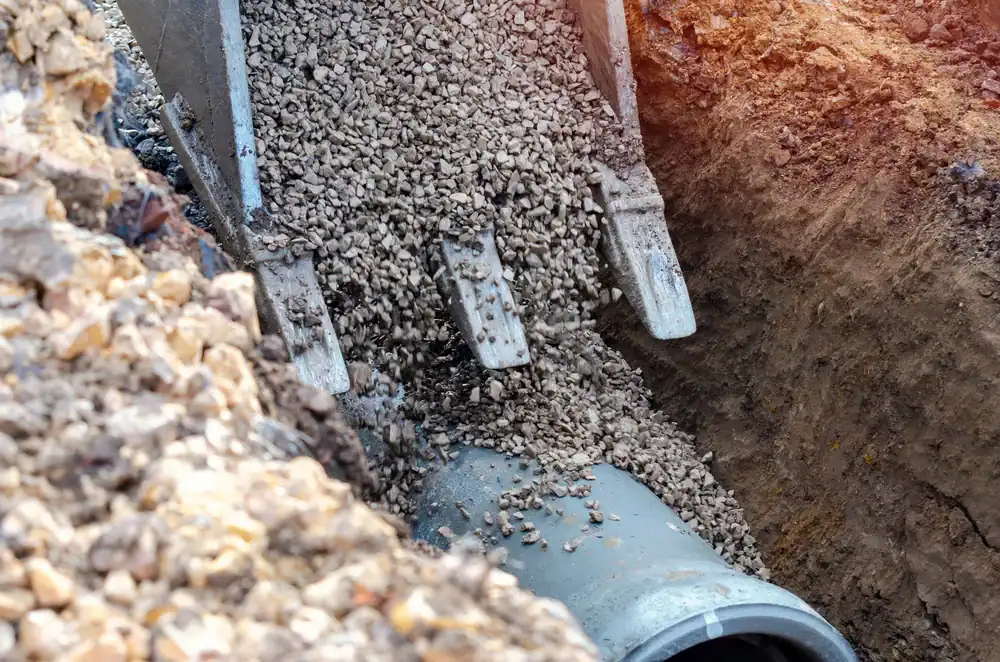
The new pipe installation includes proper bedding material and backfill. We’re not just dropping pipe in a hole. We’re setting it at the correct slope and supporting it so it doesn’t shift or settle over time.
In Mastic, NY, we handle the permit requirements with the Suffolk County Health Department. You’re not navigating that process alone. We know what they require for line changes and we make sure your job passes inspection.
If roots were your problem, we’re removing them and installing your new line in a way that reduces future infiltration risk. If your old line had the wrong pitch and caused constant backups, we’re correcting that grade so your system actually works.
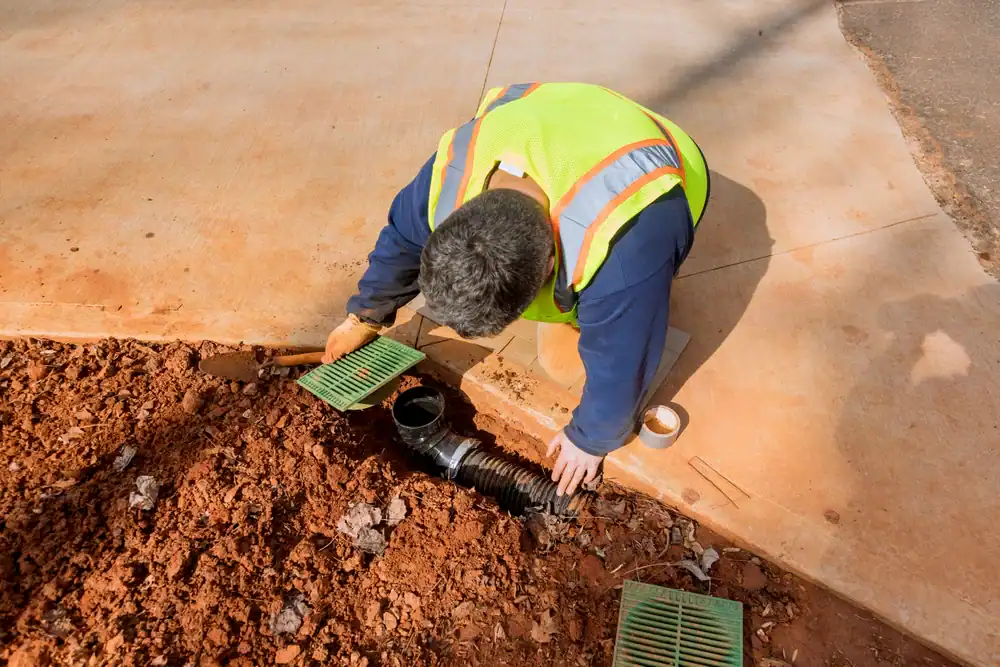
If your line has collapsed, is severely corroded, or has multiple sections failing, you need a full replacement. A repair only makes sense when the damage is isolated to one small section and the rest of the pipe is still in good condition.
We use video camera inspections to show you exactly what’s happening inside your line. You’ll see the condition of the pipe, where the breaks or blockages are, and whether the problem is localized or widespread. That’s how you make an informed decision—not based on a guess, but on actual footage of your system.
Most of the time, if you’re dealing with recurring backups or if your line is old cast iron or clay that’s been in the ground for decades, replacement is the smarter move. Patching one section doesn’t fix the pipe that’s deteriorating six feet away.
The standard pitch for a sewer line is 1/4 inch of drop per foot of pipe. That means for every foot the pipe runs from your house toward your cesspool, it drops a quarter inch in elevation. This grade keeps waste and water moving without creating problems.
If the slope is too steep, water rushes through and leaves solids behind. If it’s too flat, nothing moves and you get clogs. If there’s a belly or sag in the line, waste pools there and eventually blocks the pipe completely.
We set the grade with a laser level during installation. It’s not eyeballed. Every foot of your new line is checked to make sure it’s draining correctly before we backfill the trench. That’s how you avoid the same backup problem six months later.
Most residential line changes in Mastic, NY take one to two days depending on the distance from your house to your cesspool and what we encounter during excavation. If we’re running a line 50 feet through open yard, that’s faster than navigating around a driveway or mature trees.
The work itself—trenching, removing the old line, installing the new pipe, backfilling—is usually completed in a day. If we need to wait on inspections or if weather delays us, it might stretch into a second day.
We don’t leave your property torn up longer than necessary. Once the line is in and tested, we’re backfilling and restoring your yard. You’ll have use of your plumbing system as soon as the connection is made and verified.
We’re digging a trench, so yes, there will be disruption. But we work to minimize damage and restore your property after the job. If your line runs under a lawn, we’ll remove sod carefully and replace it after backfilling. It won’t look perfect immediately, but grass grows back.
If we need to go under a driveway or patio, we can sometimes bore underneath without tearing up the surface. That depends on depth and distance. When we do have to cut through pavement, we’ll let you know upfront and discuss your options for repaving.
Our crew has done this enough times to know how to protect your landscaping and structures. We’re not tearing up more than necessary, and we’re not leaving your yard looking like a construction zone when we’re done.
Roots are drawn to sewer lines because of the moisture and nutrients. If you have mature trees near your line path, roots will eventually find their way toward the pipe. That’s not something you can completely prevent, but you can reduce the risk significantly.
Modern PVC pipe with proper joints is much more resistant to root infiltration than old clay or cast iron. The connections are tighter and there are fewer gaps for roots to exploit. If roots were your original problem, switching to PVC is a major improvement.
We also route the new line to avoid root zones when possible. If there’s a large tree between your house and cesspool, we’re not running the pipe directly through its root ball. Sometimes that means a longer run, but it’s worth it to avoid the same problem in five years.
If we install your line correctly—proper pitch, quality materials, solid connections—it shouldn’t fail under normal conditions. PVC sewer pipe lasts decades when it’s installed right. The most common causes of failure after a line change are ground settling, root intrusion, or damage from heavy equipment driving over the line path.
We compact the trench properly during backfill to prevent settling. We use bedding material around the pipe to support it evenly. And we mark the line path so you know where not to drive heavy vehicles or dig in the future.
If something does go wrong and it’s related to our installation, we’ll come back and make it right. But the reality is, a properly installed line change should outlast most of the other components in your cesspool system. That’s why doing it right the first time matters.
Other Services we provide in Mastic