
Hear from Our Customers
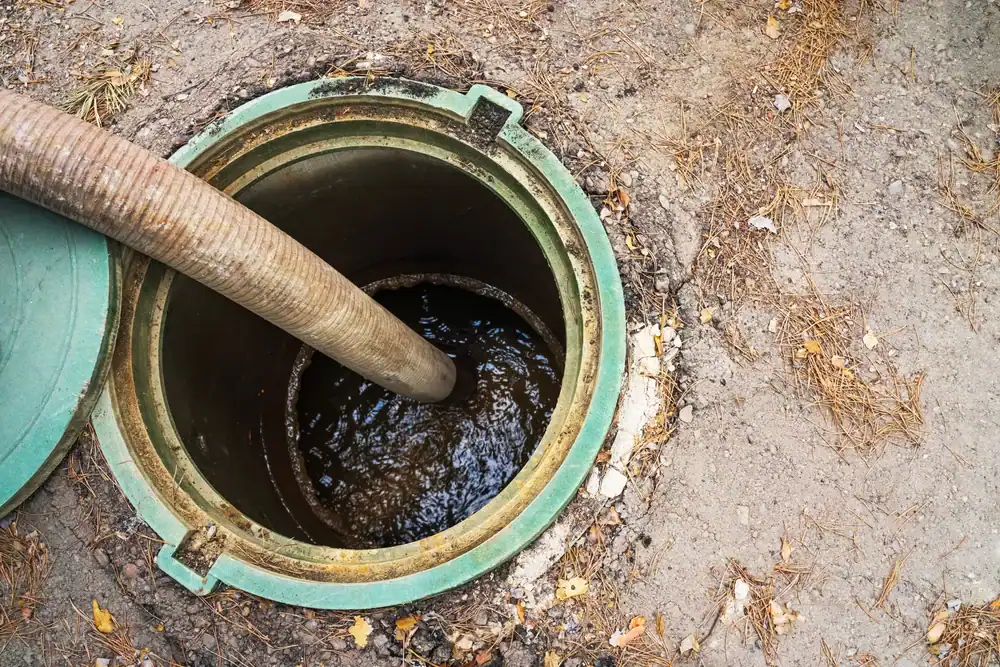
Your drains empty fast. No sewage smell when you walk outside. No wet spots in the yard that shouldn’t be there.
That’s what proper line changes do. They restore flow between your house and your cesspool so waste moves the way it’s supposed to. When the pipe pitch and slope are correct, gravity does its job. When the connection from your sewer line to cesspool is solid, nothing leaks into your soil.
Here’s what matters: Mattituck’s sandy soil is forgiving, but it won’t hide a failing line forever. You’ll see slow drains first. Then backups. Then standing water near your cesspool. By the time you smell it, you’re already behind.
Fixing the line early keeps your system running. It protects your property value. And it saves you from the kind of emergency call that costs three times more on a Saturday night.
We’ve been working in Mattituck long enough to know what your property is dealing with. We know the soil. We know the water table. We know what happens when a nor’easter dumps three inches of rain in two hours.
We’re licensed and insured. We respond to emergencies. And we don’t upsell you on a new system when a line repair will do the job.
Most of our work comes from referrals. That tells you something about how we operate. We show up, diagnose the problem, and give you options that make sense for your situation and your budget.
First, we inspect the line. That means running a camera through your pipes to see exactly where the problem is. Cracks, root intrusion, collapsed sections, improper slope—we find it.
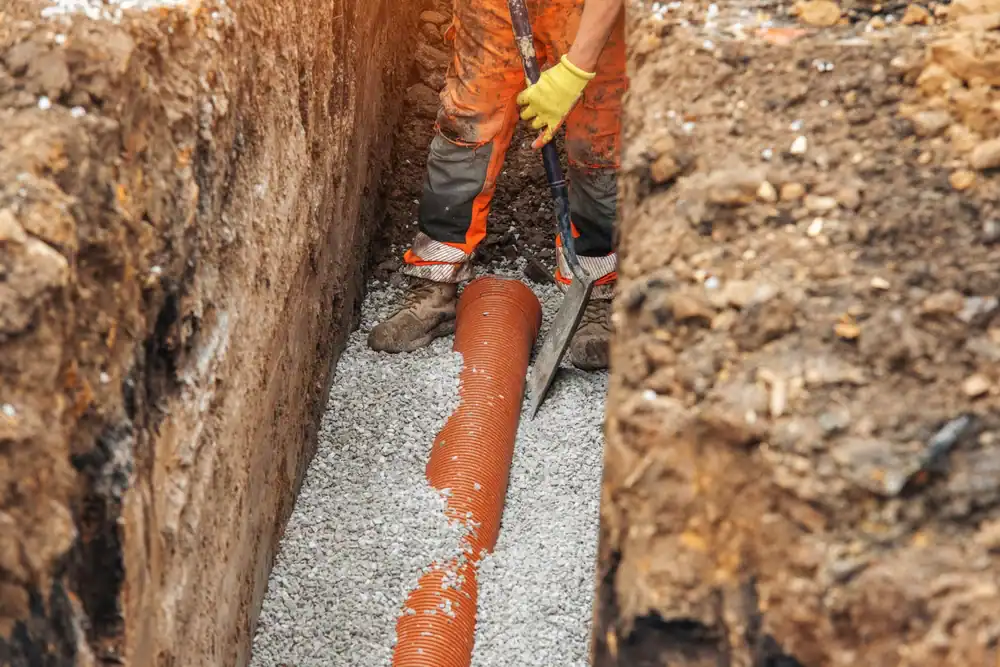
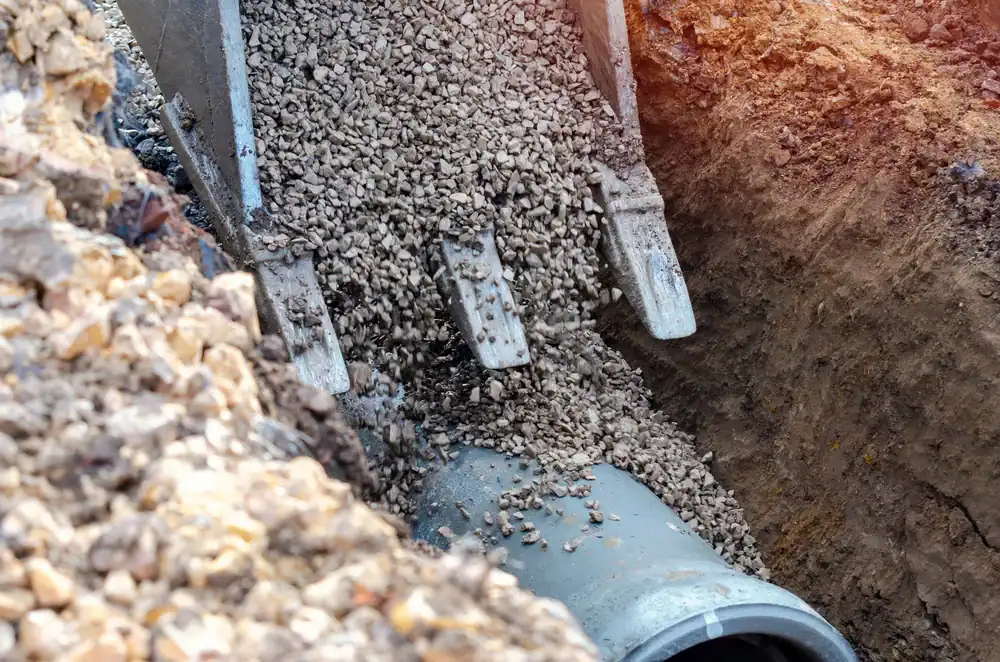
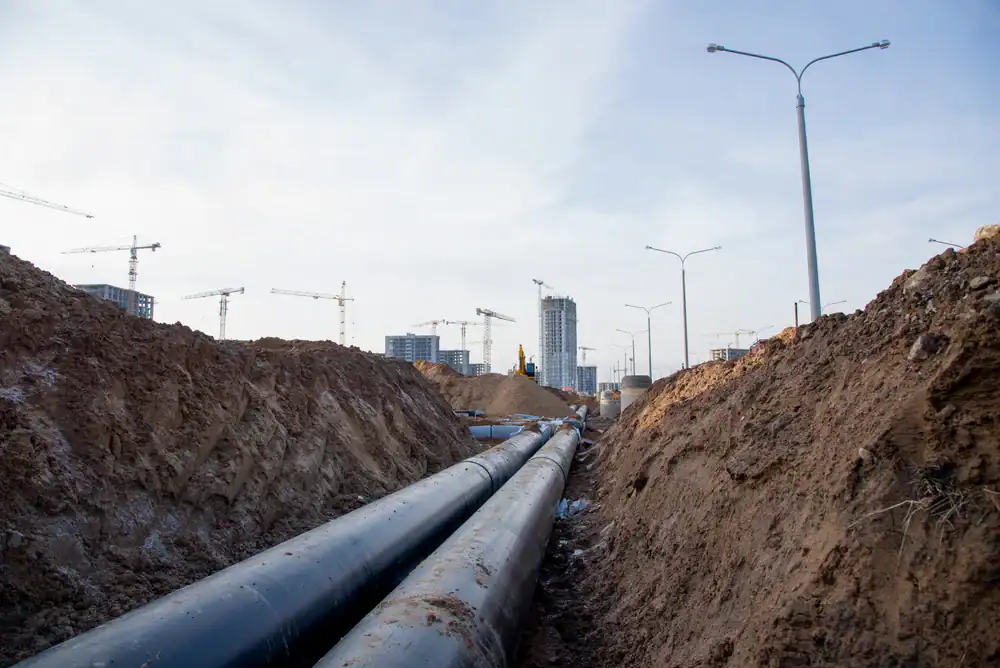
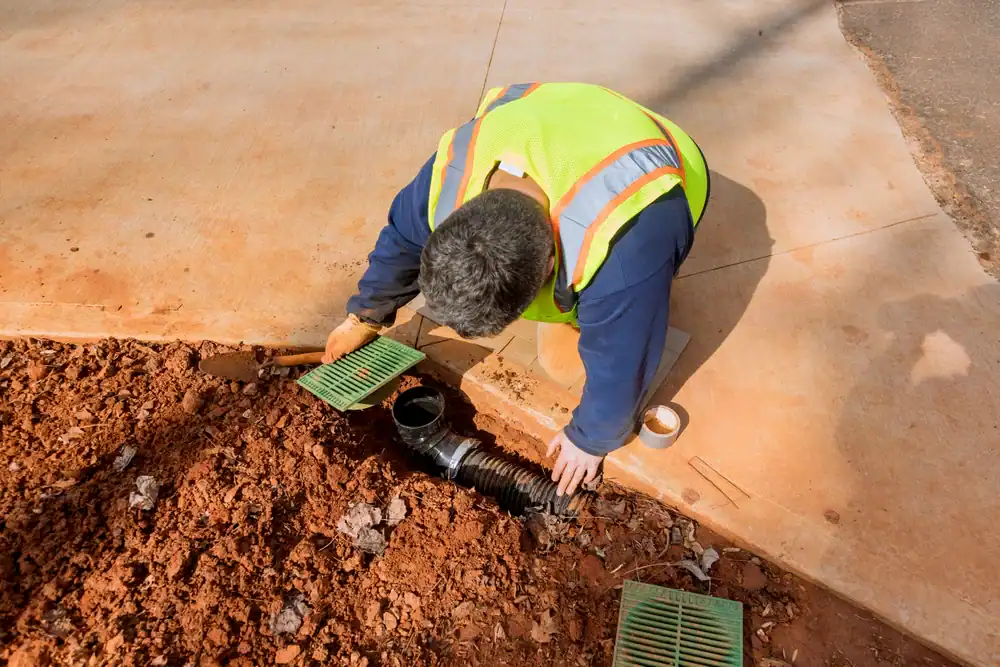
Then we dig. Trenching and excavation are part of every line change. We expose the damaged section, remove it, and replace it with new pipe at the correct pitch. If your whole main waste line needs replacement, we do that too.
Once the new line is in, we test it. Water flows, we check for leaks, and we make sure the connection to your cesspool is solid. Then we backfill, compact, and clean up.
You’re not waiting weeks. Most line changes take one to three days depending on the scope. If it’s an emergency, we move faster.
Ready to get started?
You get a full inspection before we start digging. That means you know what’s broken and what it’ll cost to fix before we touch a shovel.
You get proper pipe pitch and slope correction. A lot of backups happen because the original line was installed flat or with the wrong grade. We fix that. Gravity needs help, and slope gives it that help.
You get trenching and excavation that respects your property. We’re not tearing up your whole yard. We dig where we need to, and we put it back the way it was.
And if your line failure is part of a bigger issue—like an undersized cesspool or a system that’s past its useful life—we’ll tell you. Suffolk County banned new cesspool installations in 2019. If your system fails completely, you’re looking at a full septic upgrade. Fixing the line now buys you time and saves you money.
If your drains are slow and you haven’t pumped your cesspool in a few years, start there. A full tank creates backups that look like line problems.
But if you’ve already pumped and you’re still dealing with slow drains, backups, or sewage smells, the line is likely damaged. Cracks, root intrusion, and collapsed pipes don’t fix themselves. A camera inspection will show you exactly what’s going on. We run the camera, show you the footage, and explain what needs to happen. If it’s a cleaning, we’ll tell you. If it’s a line change, you’ll see why.
Age is the biggest factor. Older pipes crack, shift, and collapse over time. Cast iron corrodes. Clay cracks. Even PVC can fail if it wasn’t installed correctly.
Tree roots are the second most common cause. Roots grow toward water, and your sewer line has water. They infiltrate through cracks and joints, then expand and break the pipe. Mattituck has plenty of mature trees, so this happens more than you’d think.
Improper installation is the third. If the original line was installed without the right slope, waste doesn’t flow properly. That leads to clogs, backups, and eventually pipe failure. Ground settling can also shift pipes over time, especially in sandy soil.
It depends on how much line needs replacing and how deep we have to dig. A short section repair might run $1,500 to $3,000. A full main waste line replacement from your house to your cesspool can cost $5,000 to $10,000 or more.
Depth matters. If your line is six feet down, that’s more excavation than a line that’s three feet down. Access matters too. If we have to dig through landscaping, a driveway, or a patio, that adds cost.
The good news: fixing a line is still a fraction of what you’d pay for a full system replacement. A new septic system in Suffolk County runs $19,000 to $25,000. Spending a few thousand now to fix the line keeps that bigger expense off the table.
We only dig where the problem is. The camera inspection shows us the exact location of the damage, so we’re not guessing.
If the problem is a 10-foot section of pipe, we dig a trench for that section. If the whole line is compromised, we dig the whole run. But we’re not excavating your entire property.
We also work to minimize disruption. We mark utilities before we dig. We protect landscaping where we can. And we restore the area after the job is done—backfill, grade, and compact so you’re not left with a mess. Most homeowners are surprised at how contained the work area is.
Backups get worse. What starts as a slow drain turns into sewage backing up into your house. That’s a health hazard and a nightmare to clean up.
The line can collapse completely. When that happens, nothing drains. Your toilets don’t flush. Your sinks don’t empty. You’re looking at an emergency repair that costs more because we’re working under pressure.
You risk contaminating your property. A leaking line puts raw sewage into your soil and potentially into the groundwater. That’s an environmental problem and a legal one. Suffolk County takes groundwater contamination seriously, and you don’t want to be on the wrong side of that.
Fixing it early is always cheaper and less disruptive than waiting until it fails.
A properly installed PVC line should last 50 years or more. PVC doesn’t corrode, it resists root intrusion better than older materials, and it holds up well in Mattituck’s soil conditions.
The key is proper installation. That means correct pipe pitch and slope, solid connections, and backfill that’s compacted correctly. If the line is installed right, it’ll outlast most other components of your cesspool system.
You still need to maintain your cesspool. Pump it every three to five years, avoid flushing things that don’t break down, and keep an eye out for slow drains or other warning signs. But the line itself should be one less thing you have to worry about for decades.
Other Services we provide in Mattituck