
Hear from Our Customers
A failing waste line doesn’t give you much warning. One day everything seems fine, the next you’ve got sewage backing up into your lowest bathroom or a sinkhole forming in your yard.
Line changes fix the root problem. When your main waste line is properly replaced with the right pipe pitch and slope, waste flows exactly how it should. No more slow drains that turn into full backups. No more wondering if today’s the day your system gives out.
You protect your property value too. Melville homes average over $650,000, and a collapsed cesspool line can cost you $10,000 to $20,000 in emergency repairs and landscape restoration. Getting your sewer line to cesspool connection handled now means you avoid that nightmare scenario entirely.
The difference between a working system and a disaster often comes down to whether your pipes were installed correctly in the first place. Proper trenching and excavation, correct slope, durable materials. That’s what keeps your waste moving away from your home instead of backing up into it.
We’ve been handling line changes across Melville and Suffolk County for nearly two decades. We’re a four-generation family business, which means we’ve seen every type of pipe failure Long Island soil and weather can throw at a system.
We know Melville’s sandy soil conditions and how they affect your cesspool system. We understand Suffolk County’s regulations, including the 2019 cesspool ban requirements that affect replacement work. And we’ve helped hundreds of homeowners navigate the grant programs that can put up to $25,000 toward your system upgrades.
You’re not getting a sales pitch from us. You’re getting licensed, insured professionals who show up with the right equipment and actually fix the problem. We work year-round, even in winter when frozen ground makes excavation harder. And we’re available for emergencies when your system can’t wait.
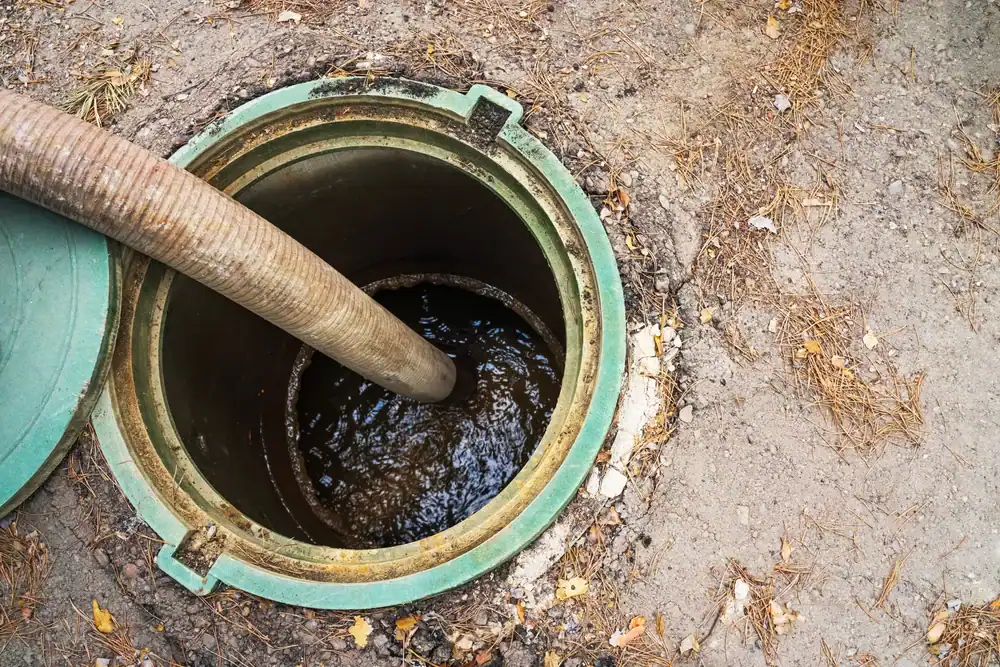
First, we assess your current setup. Where’s the failure happening? Is it a collapsed section, root intrusion, or improper slope from the original installation? We locate the problem areas and determine whether you need a partial line change or full main waste line replacement.
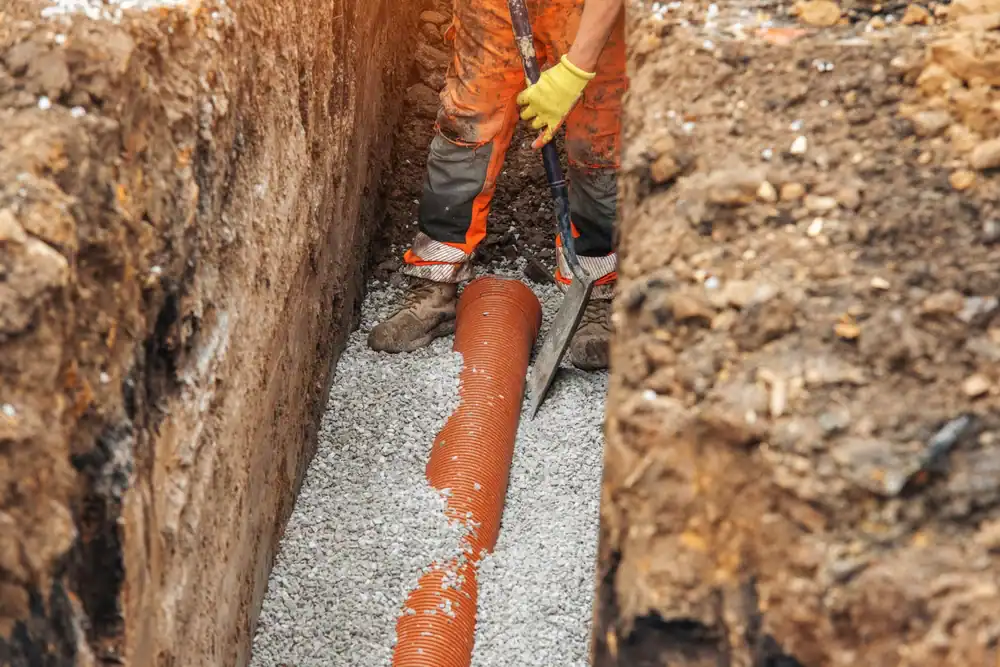
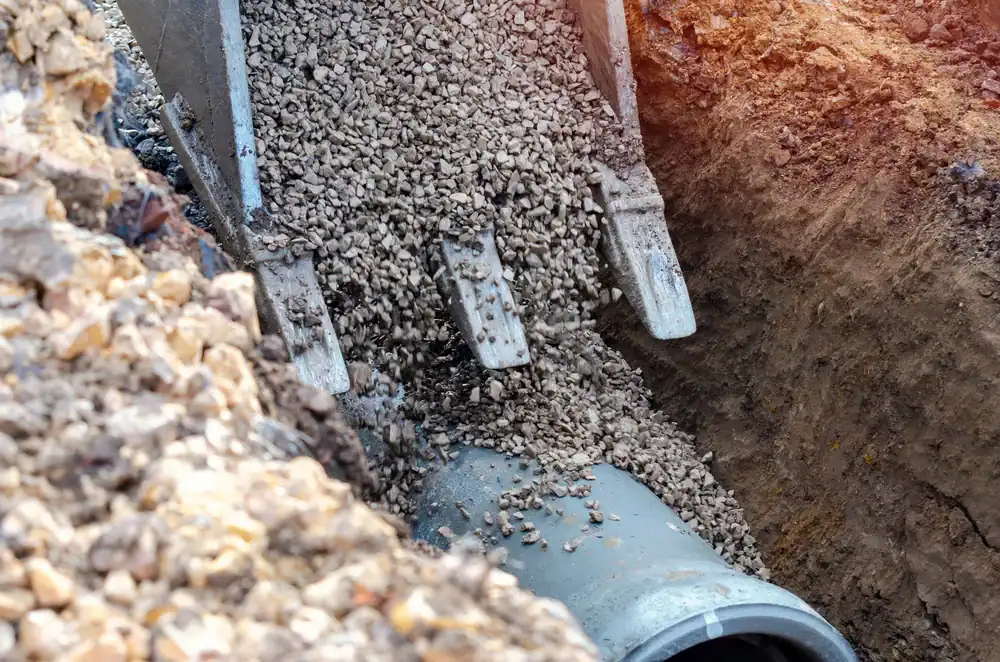
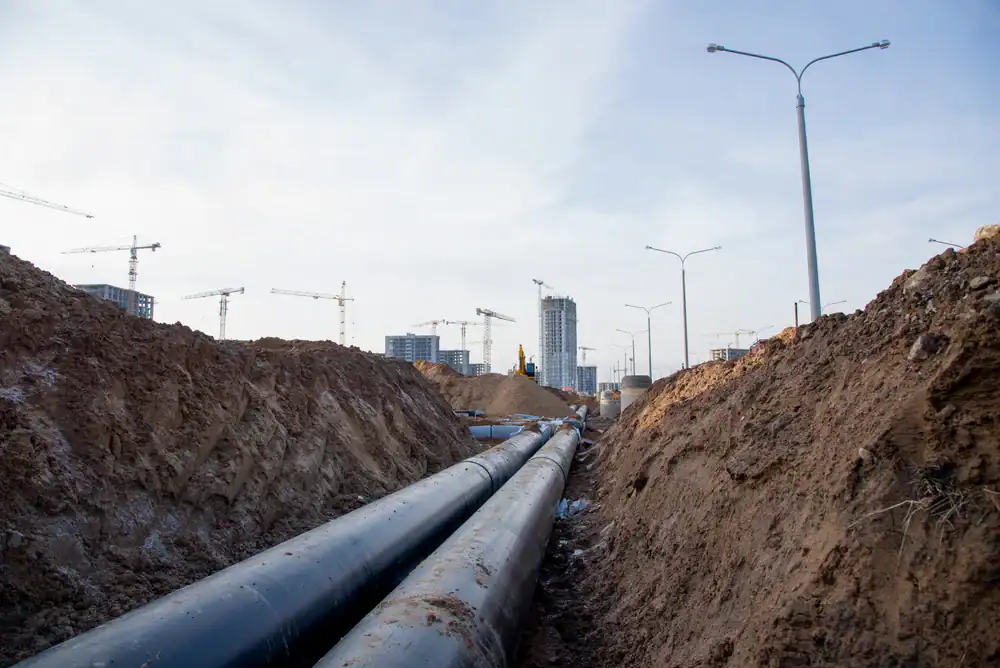
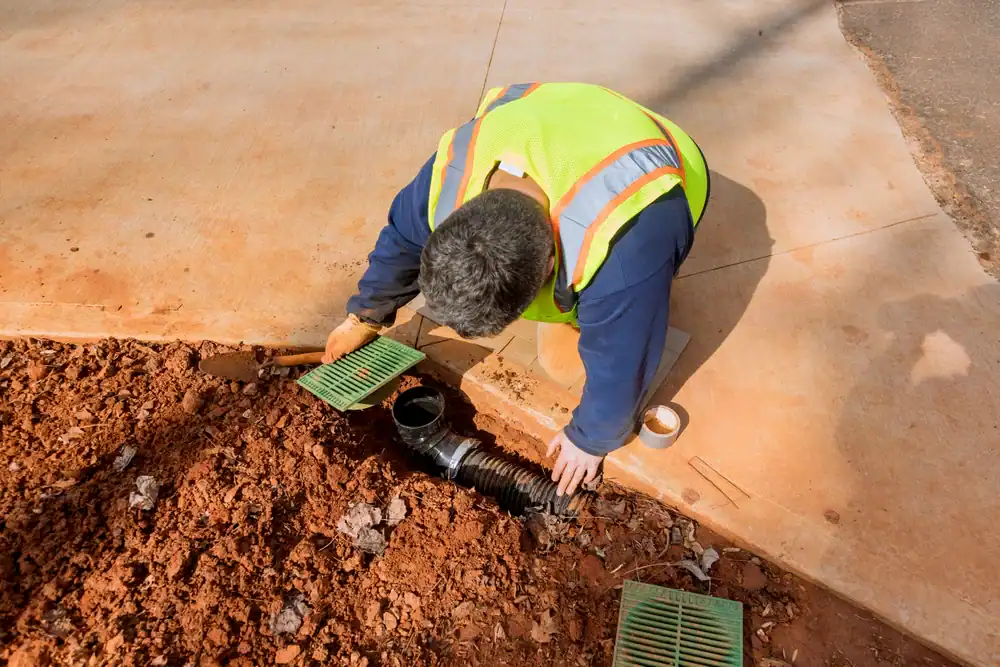
Next comes the actual work. For traditional line changes, we handle the trenching and excavation needed to access your pipes. We remove the damaged sections and install new piping with the correct pitch and slope so gravity does its job. Every connection point gets sealed properly, and we make sure your sewer line to cesspool connection is solid.
If your property allows it, we can sometimes use trenchless methods that skip the massive excavation. This works through small entry points and costs significantly less in restoration afterward. Not every situation qualifies, but when it does, it saves you thousands in landscaping repairs.
Once the new line is in, we test the system to confirm proper flow. Then we restore your property, backfill the trenches, and make sure you’re not left with a torn-up yard. The whole process typically takes one to three days depending on the scope of work, and you’ll have a waste line that lasts 50 to 100 years.
Ready to get started?
You get a complete evaluation of your waste system before any digging starts. We don’t guess. We locate the exact problem areas and explain what needs to happen and why.
The work itself includes proper trenching to the right depth, removal of failed pipes, and installation of new lines with correct slope. In Melville, that means accounting for Long Island’s sandy soil and high water table. Your new pipes need to handle these conditions, and the pitch has to be precise or you’ll end up with slow drainage or backups.
We also make sure your system meets current Suffolk County regulations. If you’re replacing a cesspool that’s subject to the 2019 ban, we help you understand your options and can connect you with available grant funding. Some Melville homeowners qualify for up to $25,000 in combined grants, which can cover most of your upgrade costs.
You get transparent pricing before work begins. No surprise charges for “unforeseen complications” that any experienced crew should anticipate. And if an emergency hits, we’re available same-day because a backing-up waste line can’t wait until next Tuesday.
If you’re dealing with repeated backups in the same area, slow drainage that keeps getting worse, or sewage odors near your cesspool, you’re likely past the point where a simple repair will hold. Line changes become necessary when the pipe itself has failed—whether from age, root intrusion, collapse, or improper installation.
A repair might work if you’ve got a small crack or a single problem spot that’s still structurally sound. But if your pipes are old cast iron or clay that’s deteriorating, or if the line was never installed with proper slope, patching one section just means another will fail soon. You end up paying for multiple service calls instead of fixing it once.
The real tell is how your system has been performing. One backup might be a fluke. Recurring issues, wet spots in your yard above the line, or sinkholes forming near your cesspool? That’s your system telling you the pipes are done. Most Melville homes with original cesspool systems installed 30-plus years ago are reaching the point where main waste line replacement makes more sense than ongoing repairs.
Traditional excavation means we dig a trench from your home to your cesspool, expose the entire damaged line, remove it, and install new pipes. This gives us complete access and works in any situation, but it tears up your landscaping and requires full restoration afterward. In winter, frozen Long Island ground can make this significantly more expensive.
Trenchless methods like pipe lining or pipe bursting work through small access points. With pipe lining, we insert a resin-coated liner into your existing pipe and cure it in place, creating a new pipe inside the old one. Pipe bursting breaks apart the old pipe while simultaneously pulling new pipe through. Both skip the massive excavation and cost 30-50% less in restoration.
The catch is trenchless doesn’t work for every situation. If your line has completely collapsed, if the slope is wrong, or if you need to relocate the connection point, you need traditional excavation. We assess your specific setup and tell you which method makes sense. Some Melville properties have enough yard access that excavation isn’t a big deal. Others have established landscaping worth preserving, making trenchless the smarter choice when it’s viable.
Most line changes in Melville take one to three days depending on the distance from your home to your cesspool and what we find once we start digging. A straightforward replacement on accessible property with no complications usually wraps up in a day. More complex situations—deep lines, difficult soil conditions, or unexpected obstacles—might stretch to two or three days.
The actual pipe installation goes relatively fast. What takes time is the excavation, making sure every connection is sealed correctly, testing the system, and properly backfilling and restoring your property. We don’t rush the critical steps because a line change done wrong means you’re calling someone back in a year or two to fix it again.
Weather affects timing too. Long Island winters can add time if we hit frozen ground or heavy snow. Summer work typically moves faster. We give you a realistic timeline upfront based on your specific job, and we keep you updated if anything changes. Your waste system needs to work, so we prioritize getting it done right over getting it done fast.
Your yard will be disrupted during traditional line changes—there’s no way around that when we need to dig a trench from your house to your cesspool. But “disrupted” doesn’t mean “destroyed.” We excavate only as wide as necessary to access and replace the pipes, typically a trench about two feet wide.
Once the new line is installed and tested, we backfill the trench and restore the surface. If we went through lawn, we grade it properly and can lay new sod so it blends with your existing grass. If we crossed landscaping beds, we work around plantings when possible and restore the area to match. You’ll see where we worked for a few weeks, but within a growing season, most yards look normal again.
The restoration cost is where trenchless methods save you money if your situation qualifies. Instead of restoring 50 or 100 feet of trench, you’re dealing with two small access points. For Melville properties with mature landscaping or hardscaping over the line, that difference can mean $5,000 to $10,000 in savings. We walk your property during the estimate and explain exactly what restoration will involve for your specific situation.
Age is the biggest factor. Older pipes—especially cast iron or clay—deteriorate over time. Cast iron corrodes from the inside due to hydrogen sulfide gas in sewage. Clay pipes crack and separate at the joints. If your Melville home was built before 1990 and still has original cesspool lines, you’re on borrowed time.
Tree roots cause a lot of failures too. Roots seek out water and nutrients, and your waste line provides both. They infiltrate through pipe joints or small cracks, then grow inside the pipe until they block flow completely. Willows, maples, and poplars are particularly aggressive, but any mature tree within 50 feet of your line can cause problems.
Improper installation is more common than it should be. If your sewer line to cesspool connection doesn’t have the right slope—typically 1/4 inch drop per foot—waste doesn’t flow properly. Too flat and solids settle in the pipe. Too steep and liquids run ahead, leaving solids behind. Either way, you end up with blockages and backups. Ground settlement can also change your slope over time, especially in Long Island’s sandy soil. And sometimes pipes just collapse from the weight of soil above them, particularly if they weren’t bedded correctly during installation.
Yes, line changes typically require permits from Suffolk County Department of Health Services, especially if you’re doing any work on your cesspool system itself. The permit process ensures your new installation meets current regulations, including the 2019 cesspool ban requirements if you’re replacing a system that’s subject to those rules.
The permit requirements can seem complicated, but they protect you. They ensure proper inspections happen at key points during installation, so you know the work was done correctly. They also document that your system meets code, which matters when you sell your property. A permitted, inspected line change adds value. An unpermitted one can kill a sale or force you to redo the work.
We handle the permit process as part of our service. We know what Suffolk County requires, we submit the applications, and we schedule the inspections. You don’t have to figure out which forms to fill out or which department to call. This is especially important if you’re accessing grant funding—those programs require permitted, inspected work. Trying to skip permits to save a few hundred dollars can cost you thousands in grant money and create legal headaches down the road.
Other Services we provide in Melville