
Hear from Our Customers
You stop worrying about slow drains. You stop smelling sewage in your yard. You stop wondering if today’s the day your cesspool backs up into the house.
A proper line change means your waste moves the way it’s supposed to—downhill, at the right slope, without pooling or clogging. That’s what pipe pitch and slope do when they’re installed correctly. Most problems we see in Middle Island come from lines that were never graded right in the first place.
When your sewer line to cesspool connection is done right, you’re not calling someone back in six months. You’re not dealing with soggy grass over your leach field. You’re just living in your house without thinking about what’s happening underground.
We’ve been handling line changes and cesspool work across Suffolk County for over a decade. We know the soil here. We know the regulations. We know what fails and why.
Most homes in Middle Island were built in the ’70s and ’80s. That means a lot of original waste lines are hitting their limit. We’ve replaced hundreds of them. The work isn’t glamorous, but it matters—especially when you’re dealing with Long Island’s sandy soil and Suffolk County’s tightening rules on cesspool systems.
We’re licensed, insured, and we show up when we say we will. You’ll know the price before we dig, and you won’t get surprised after.
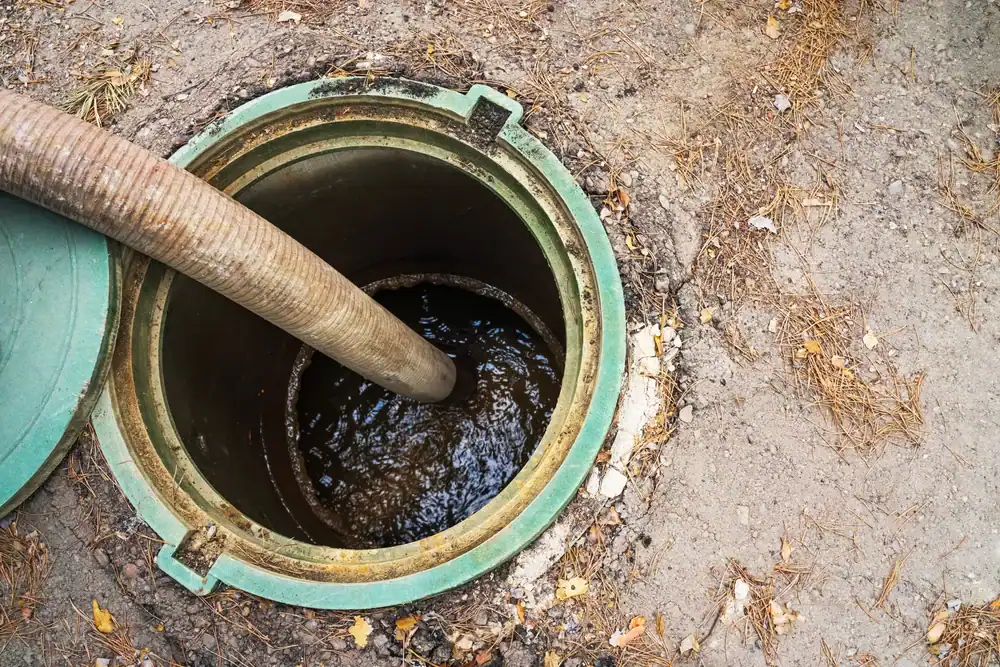
First, we locate your existing line and figure out where the problem is. Sometimes it’s a belly in the pipe. Sometimes it’s root intrusion or a crushed section. Sometimes the whole thing just needs to go.
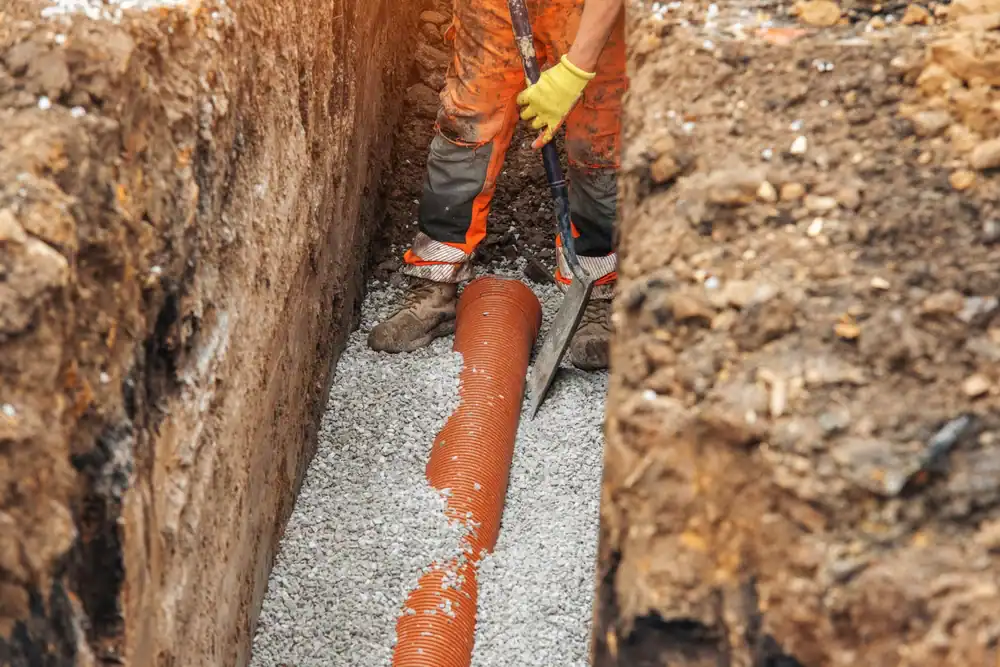
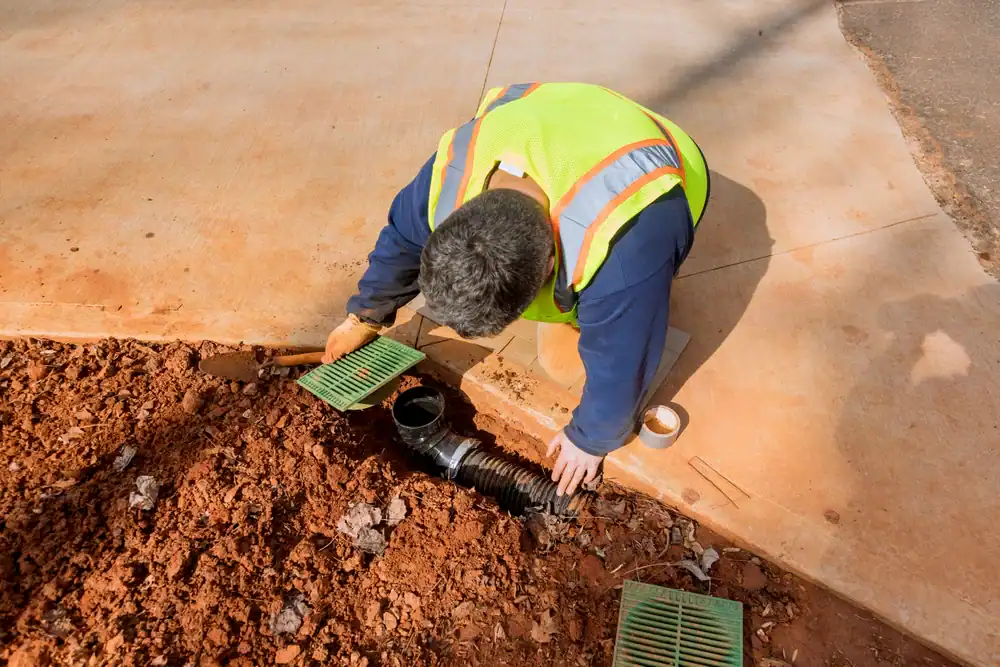
Next comes trenching and excavation. We dig down to expose the line, remove the damaged section, and prep the trench bed. This is where proper pipe pitch and slope matter most. If the grade isn’t right, waste won’t flow. It’ll pool, back up, and cause the same problem all over again.
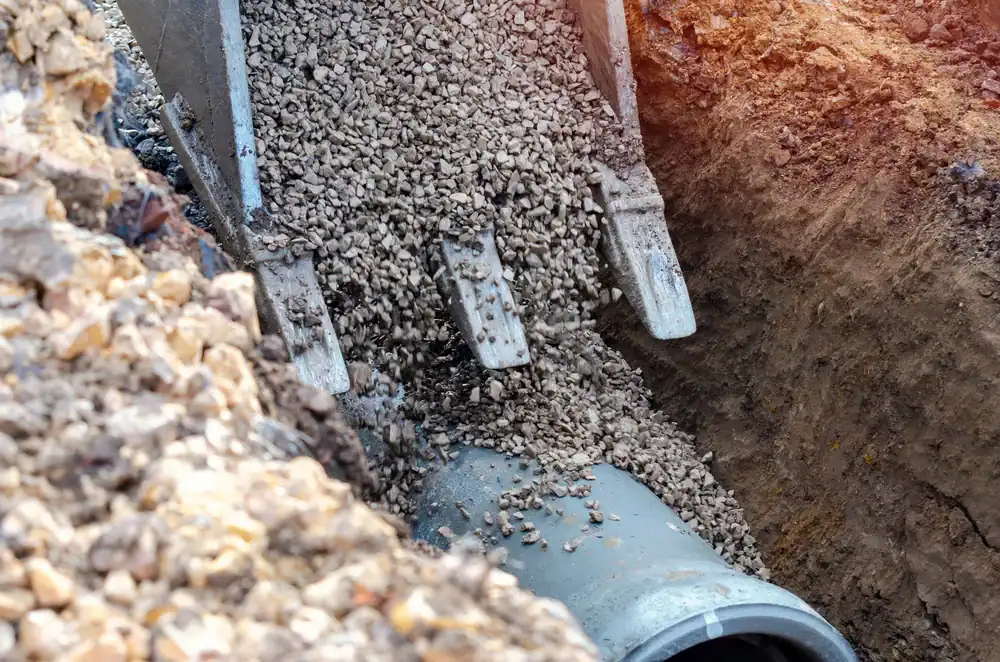
Then we install the new line—whether that’s PVC, ABS, or cast iron depending on your setup. We make sure the sewer line to cesspool connection is sealed tight and sloped correctly from your house to your tank. After that, we backfill, compact, and clean up.
The whole process usually takes a day or two, depending on access and how much line needs replacing. You’ll have working plumbing the same day in most cases.
Ready to get started?
You get a full line assessment before we start. We’ll tell you what’s failing, why it’s failing, and what it’ll take to fix it. No upselling, no scare tactics.
The work itself includes excavation, old pipe removal, new pipe installation with proper slope, backfill, and site cleanup. We handle the permitting if it’s required. We also make sure your connection to the cesspool is solid—because a new line doesn’t help if the tank connection leaks.
In Middle Island, we’re also dealing with Suffolk County’s cesspool regulations. If your system is old or failing, you might be looking at more than just a line change. We’ll tell you upfront if that’s the case. A lot of homes here are approaching the point where a full septic upgrade is required by law, especially if you’re selling or doing major renovations.
We’ve seen plenty of situations where a homeowner thought they just needed a line change, but the cesspool itself was shot. We’d rather tell you that now than have you pay twice.
If your line is cracked, collapsed, or sagging in multiple spots, a repair won’t hold. You’re better off replacing the section—or the whole line—depending on how old it is.
Most homes in Middle Island have lines that are 40+ years old. PVC lasts a long time, but clay and cast iron don’t. If you’re dealing with repeated backups, slow drains throughout the house, or sewage surfacing in your yard, that’s usually a sign the line itself is done.
We can run a camera through the line to show you exactly what’s happening. That way you’re not guessing. If it’s a small crack or a single root intrusion, we can patch it. If the pipe is bellied, offset, or deteriorating in multiple places, replacement is the smarter move.
Trenchless methods work well when your existing line is still mostly intact and you just need to reline it. Traditional trenching is what you need when the pipe is collapsed, misaligned, or needs a complete slope correction.
In Middle Island, most line changes require traditional excavation because we’re dealing with old systems that were never installed to current standards. Trenchless is faster and less disruptive, but it doesn’t fix a pipe that’s sitting flat or graded the wrong way.
If your line has the right pitch and just needs a new interior surface, trenchless makes sense. If the whole thing needs to be repositioned or replaced, we’re digging. It’s more work upfront, but it actually solves the problem instead of covering it up.
Most line changes take one to two days depending on how much pipe we’re replacing and how accessible it is. If your line runs under a driveway or deck, it takes longer.
We’ll give you a timeline before we start. The actual digging and pipe work usually happens in a few hours. The rest of the time is spent prepping the trench, making sure the slope is right, backfilling, and cleaning up.
You’ll have working plumbing the same day in most cases. We’re not leaving you without a functioning waste line overnight unless there’s a complication we couldn’t predict—and we’ll tell you about that before it happens.
There will be a trench. That’s unavoidable. But we keep the disruption as minimal as possible and restore the area when we’re done.
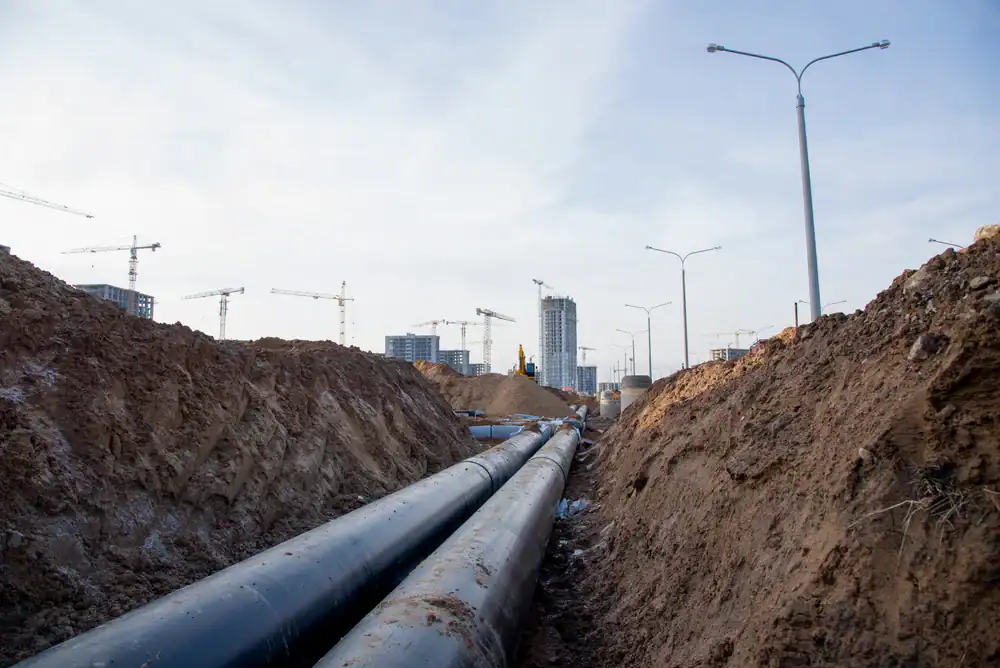
We dig only where we need to, and we’ll work with you on placement if you’ve got landscaping or hardscaping in the way. Most of the time, we’re running the line along the side of the house or through an area that’s easy to access and restore.
After backfilling, we’ll grade it so water drains properly and you’re not left with a ditch. If we go through grass, you can reseed or lay sod right after. If we go through pavers or gravel, we’ll reset them. The goal is to leave your property looking as close to how we found it as possible.
Most backups happen because of poor pipe pitch, root intrusion, or a full cesspool. Sometimes it’s all three.
If your waste line doesn’t have the right slope, waste won’t flow. It’ll sit in the pipe, build up, and eventually clog. Tree roots are the other big culprit—especially in older clay or cast iron lines. Roots find the smallest crack and grow into it until the pipe is completely blocked.
A full or failing cesspool will also cause backups. If your tank can’t drain into the leach field, waste has nowhere to go. That’s when you get slow drains, gurgling toilets, and sewage backing up into the house. In Middle Island, a lot of cesspools are reaching the end of their lifespan, and Suffolk County regulations mean you can’t just replace a cesspool with another cesspool anymore.
It depends on the scope of work. If we’re replacing a section of pipe within your property line and not altering the cesspool or septic system, a permit usually isn’t required. If we’re doing work that involves the cesspool connection or any structural changes, then yes.
Suffolk County has specific regulations around cesspool and septic work, especially after the 2019 installation ban. If your system is being modified or replaced, permits and inspections are part of the process.
We handle that for you. We’ll let you know upfront if permits are needed, and we’ll pull them. You don’t have to deal with the county or figure out the paperwork. That’s part of what you’re paying us for.
Other Services we provide in Middle Island