
Hear from Our Customers
Drains empty fast. Showers don’t flood. Your lawn stops pooling sewage after heavy use.
You’re not wondering if today’s the day something backs up during a family gathering. You’re not calling emergency plumbers at 9 PM because a toilet overflowed. The system just works, quietly, the way it’s supposed to.
That’s what proper line changes do. The pipes between your house and cesspool carry everything away at the right slope—about a quarter inch per foot—so gravity does the work. No standing water. No clogs building up. No guessing if the next flush will be the one that doesn’t go down.
Most contractors hear “backup” and immediately quote you $25,000 for a full system replacement. But if the cesspool itself is fine and it’s just the connecting line that failed, you’re looking at a fraction of that cost. We dig, we replace, we restore. You get decades more life without ripping apart your entire yard.
We’ve spent years working with Suffolk County homeowners who deal with aging cesspool systems. We know the soil conditions here. We know what fails first and why.
Moriches sits in an area where roughly 70% of properties still use cesspool or septic systems. That means thousands of homes relying on underground pipes that were installed decades ago—often before anyone cared much about proper pitch or materials. Those lines don’t last forever.
We’re licensed, insured, and we’ve seen every version of pipe failure you can imagine. We also know the local regulations that kicked in after 1973, and what’s required now if you’re replacing anything. You’re not getting a sales pitch from us. You’re getting an honest assessment and a fix that actually solves the problem.
First, we confirm the problem. A camera inspection shows us whether it’s the line or the cesspool. If it’s the line, we map out where it failed and what needs replacing.
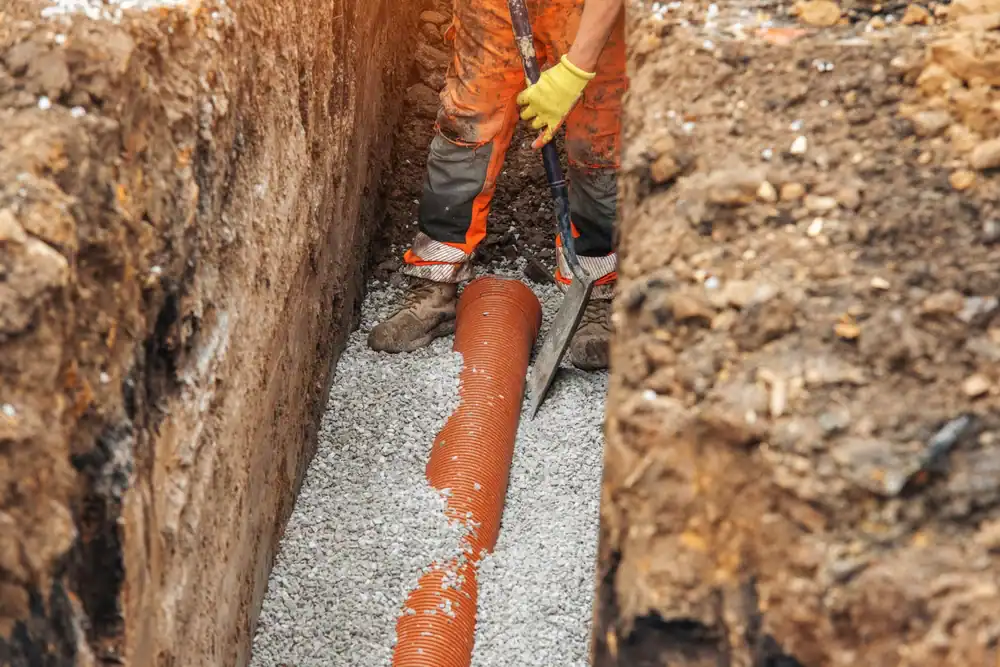
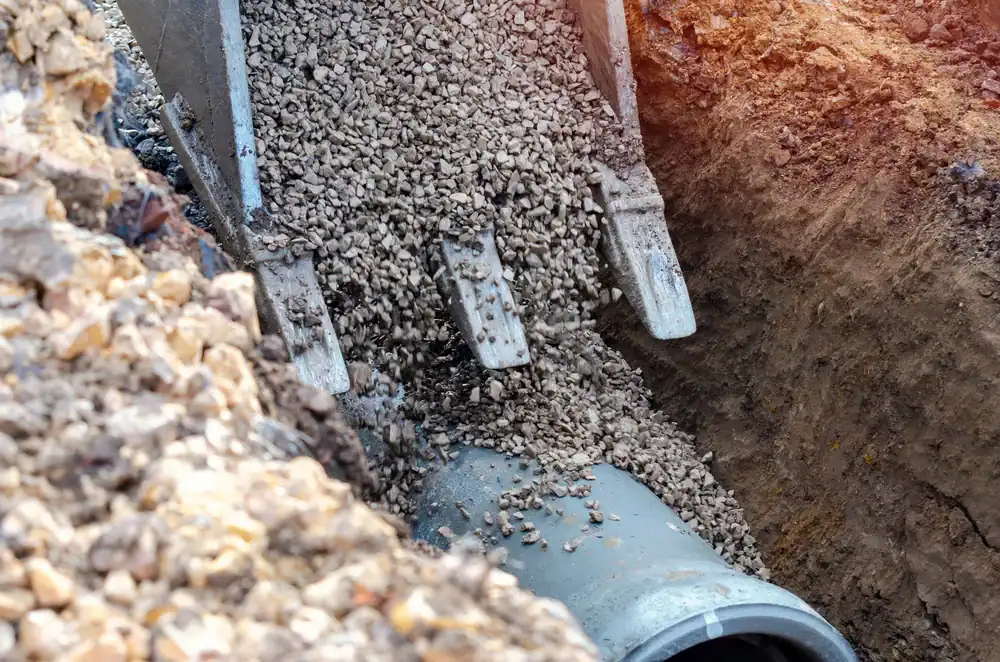
Next comes excavation. We trench from your house to the cesspool using equipment that keeps the job clean and fast. Hydro-excavation means we’re not tearing up half your yard or guessing where things are. We expose the failed section, remove it, and prep for the new line.
Then we install the replacement pipe at the correct pitch and slope. That quarter-inch-per-foot drop is critical—too flat and waste sits in the line, too steep and liquids run ahead of solids. We get it right so the system works long-term.
Finally, we backfill, compact, and restore the area. You’re left with a working line and minimal disruption to your property. Most jobs wrap up in a day or two, depending on distance and access. If we hit a complication, we tell you immediately—no surprises halfway through.
Ready to get started?
You get new pipe installed at the proper grade so waste flows correctly. You get trenching and excavation done with equipment that minimizes damage to your lawn or driveway. You get backfill and compaction so the ground doesn’t sink later.
If your old cesspool needs to be abandoned because you’re connecting to a sewer system, we handle that too. Suffolk County has strict rules about how old cesspools must be filled and sealed. We follow those protocols so you’re not dealing with fines or failed inspections.
In Moriches and across Suffolk County, many homeowners are facing mandatory sewer connections as the county expands infrastructure. If that’s your situation, the line change is part of a bigger project—but it’s also the part that determines whether your new connection works correctly from day one. We’ve done this transition dozens of times. We know what the county inspectors look for and how to avoid the mistakes that cause delays.
You also get transparency. We’ll tell you if a repair makes sense or if you’re better off replacing the whole system. We’re not here to upsell you on work you don’t need. If the cesspool is shot, we’ll say so. If it’s just the line, we’ll fix the line and save you the cost of a full replacement.
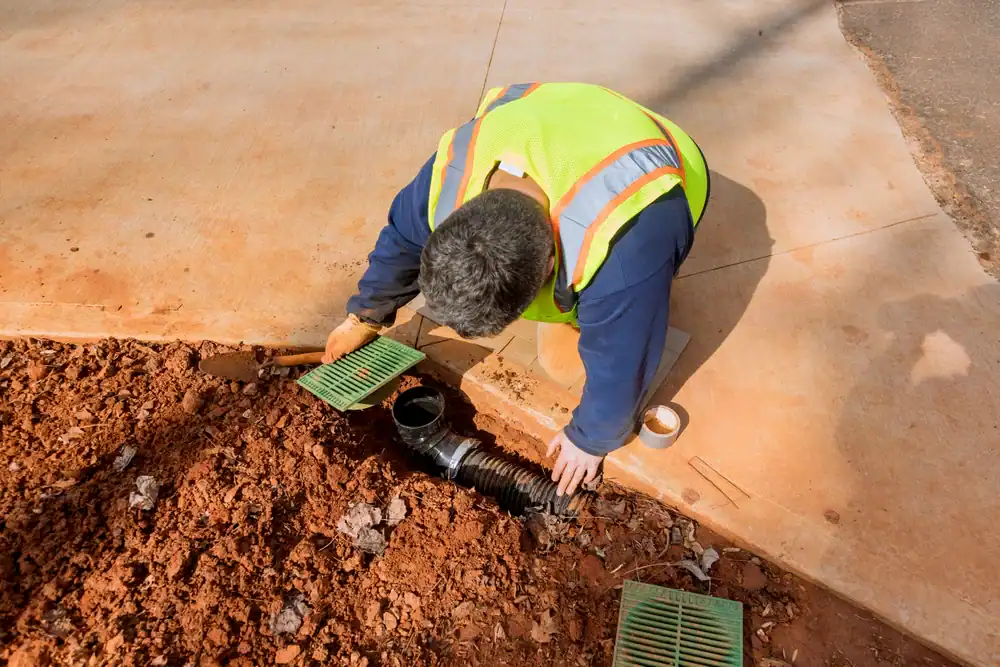
Backups and slow drains can mean a lot of things. Sometimes it’s the cesspool itself—full, collapsed, or failing. Other times it’s just the pipe connecting your house to the cesspool that’s broken or clogged.
A camera inspection tells us exactly what’s going on. We run a line down from your house and look at the pipe condition. If we see cracks, collapses, root intrusion, or serious bellying where waste pools, that’s a line problem. If the pipe looks fine but the cesspool is full or the walls are caving in, that’s a system problem.
Most homeowners get quoted for full replacements without anyone checking the line first. That’s a $25,000 mistake if all you needed was $3,000 worth of pipe work. We don’t assume. We look, we confirm, and then we tell you what actually needs fixing.
Age is the biggest factor. Pipes installed 30, 40, 50 years ago weren’t always laid at the right slope, and materials like clay or cast iron break down over time. Tree roots are another common culprit—they find even the smallest crack and grow into the line, blocking flow and eventually breaking the pipe apart.
Ground shifting also causes problems. Suffolk County soil moves, especially in areas with high water tables. That movement can cause pipes to sag, separate at joints, or crack under pressure. Once a pipe loses its proper pitch, waste stops flowing correctly and backups start happening.
Poor installation is more common than it should be. If the original line was installed too flat, too steep, or without proper bedding material, it’s going to fail sooner. We see this all the time in older Moriches properties where the work was done before anyone really understood how critical slope and compaction are to long-term performance.
Most line changes take one to two days depending on distance and access. If we’re replacing 50 feet of pipe in open yard space, that’s faster than working around landscaping, driveways, or tight side yards.
The mess is manageable. We trench as cleanly as possible using equipment that minimizes the footprint. You’ll have an open trench while we work, and dirt piled nearby, but we’re not demolishing your property. Once the new line is in, we backfill, compact, and grade everything so it drains properly.
Restoration depends on what we had to dig through. Grass gets seeded or sodded. Gravel gets replaced. If we cut through a driveway or patio, we patch it correctly so it doesn’t sink or crack later. You’re not left with a scar across your yard. We’ve done enough of these jobs to know how to leave a property looking close to how we found it—just with working pipes underneath.
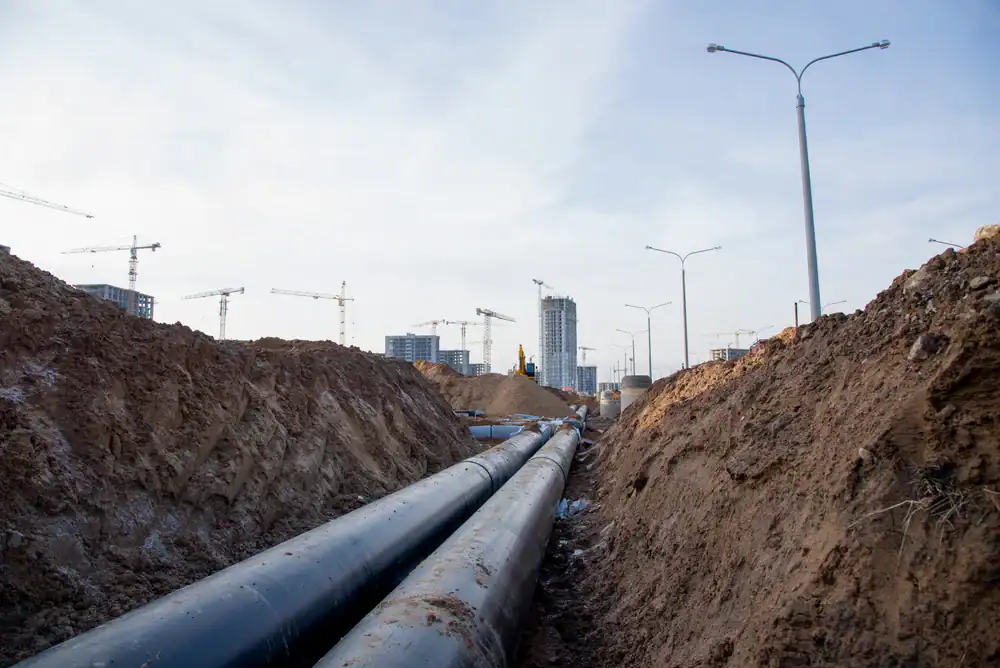
Yes. If Moriches or Suffolk County is requiring you to connect to a new sewer main, the line from your house to that connection point needs to be installed correctly. That’s the same work as a line change—trenching, proper slope, backfill, compaction.
The difference is where the line terminates. Instead of connecting to your cesspool, it connects to the municipal sewer. The county will have specifications for depth, materials, and inspection points. We handle all of that so the connection passes inspection the first time.
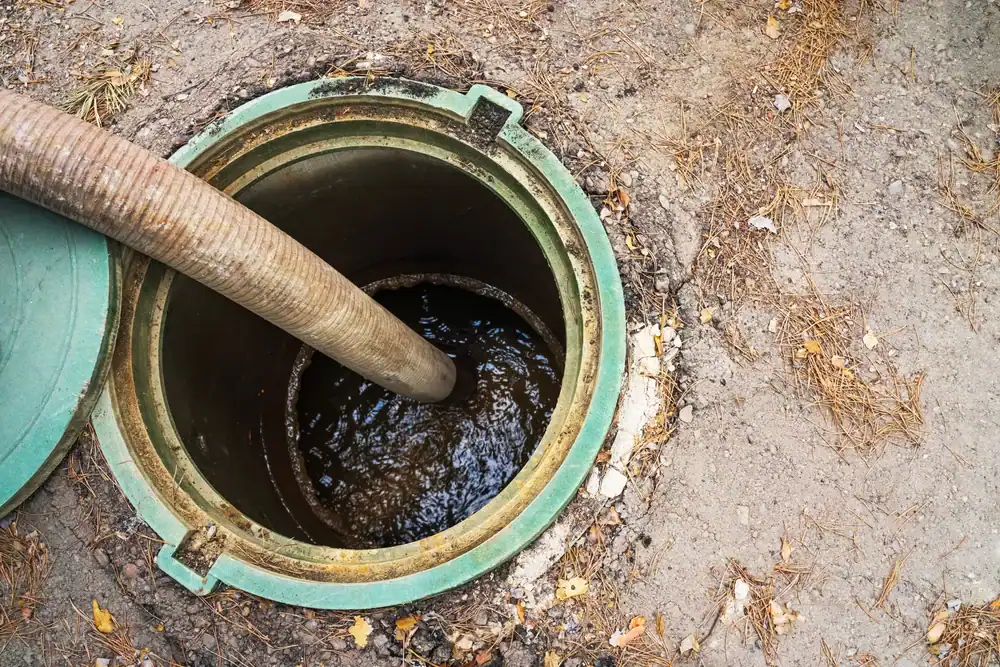
Your old cesspool also needs to be properly abandoned. That means pumping it out, breaking in the top, and filling it with sand or stone so it doesn’t become a collapse hazard. Suffolk County requires this, and inspectors check. We take care of the abandonment as part of the project so you’re fully compliant and not dealing with follow-up violations.
Line changes typically run between $2,000 and $5,000 depending on length, access, and site conditions. A full cesspool or septic system replacement runs $15,000 to $30,000 or more. If your cesspool is still functional and it’s just the connecting pipe that failed, you’re saving a significant amount by repairing the line instead of replacing everything.
The cost depends on how much pipe needs replacing and what we encounter during excavation. A straightforward 40-foot run in open yard space costs less than 80 feet that cuts through landscaping and requires working around utilities. We give you a clear estimate after assessing the site—no surprises once we start digging.
Some contractors push full replacements because it’s a bigger job and a bigger check. We don’t work that way. If a line change solves your problem and saves you $20,000, that’s what we recommend. You’ll know exactly what needs fixing and what it costs before we turn a shovel.
We stop and tell you. If we’re trenching and discover the cesspool is cracked, the outlet baffle is missing, or there’s contamination that wasn’t visible before, you need to know before we go further.
At that point, you decide how to proceed. Sometimes it makes sense to fix the additional issue while we’re already excavated. Other times it’s better to complete the line change and address the other problem separately. We’ll explain what we found, what it means for your system, and what your options are.
We don’t hide problems or bury them and hope they don’t come back to bite you. If something’s wrong, it’s wrong, and you deserve to know about it. Most of the time, a line change is exactly what’s needed and nothing else comes up. But if it does, we handle it transparently so you can make an informed decision about your property.
Other Services we provide in Moriches