
Hear from Our Customers
You stop thinking about your cesspool. That’s the goal.
When your sewer line to cesspool connection is done right—with proper pipe pitch and slope, clean trenching, and connections that won’t shift with Long Island’s sandy soil—you get years without a single backup. No sewage smells creeping into your basement. No panic calls to plumbers during the holidays when your system decides it’s had enough.
Your drains empty fast. Your toilets flush without hesitation. And when Suffolk County comes knocking about compliance, you’ve got nothing to worry about because everything was installed to code from day one.
That’s what proper line changes get you. Not just a fix—peace of mind that lasts.
We’ve been handling cesspool and sewer line work in North Amityville, NY for over a decade, but our family’s been in this business for four generations. We’re not new to Suffolk County’s soil, its regulations, or what happens when lines fail here.
We’ve seen what happens when connections aren’t pitched correctly. We’ve dug up “repairs” that were never going to last. And we’ve helped hundreds of homeowners in North Amityville fix problems that should’ve been done right the first time.
Licensed, insured, and local. We’re the crew that shows up, does the work properly, and doesn’t leave you guessing whether it’ll hold up.
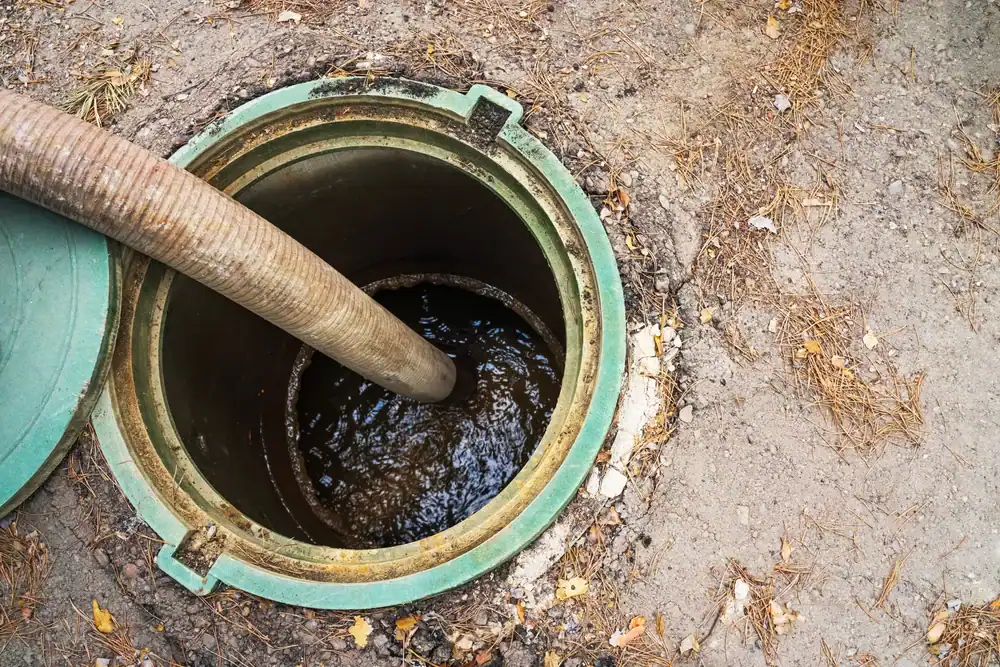
First, we assess your current setup. Where’s the failure? Is it the connection point, the pitch, a cracked section, or the whole run? We locate your cesspool, map the line, and figure out what needs replacing versus what can stay.
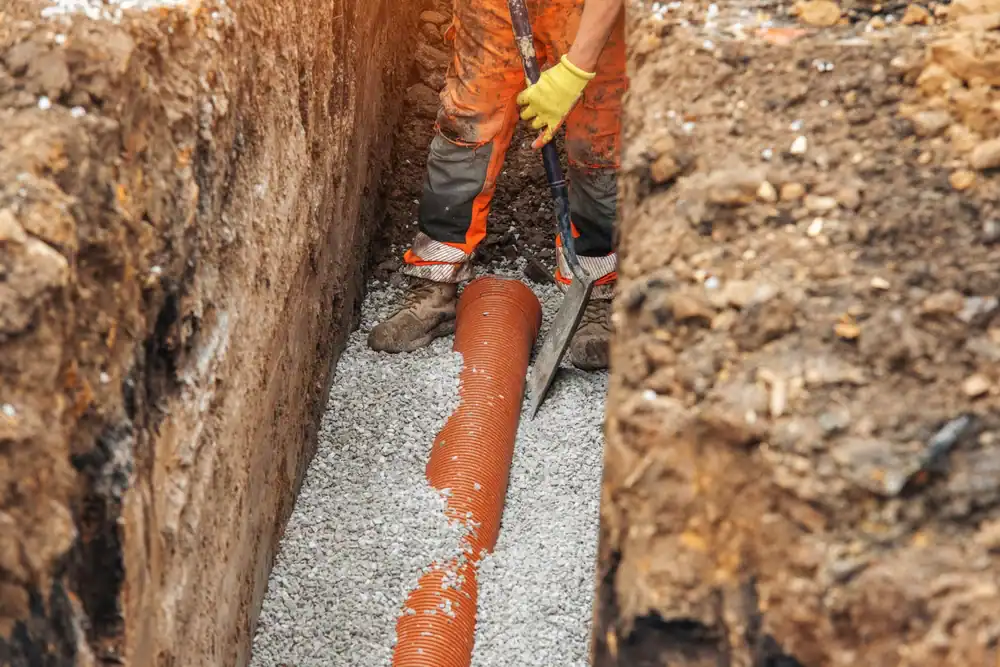
Then comes trenching and excavation. We dig carefully—your landscaping matters, and we’re not tearing up more yard than necessary. The trench depth and width depend on your system, but everything’s calculated to meet code and ensure proper drainage.
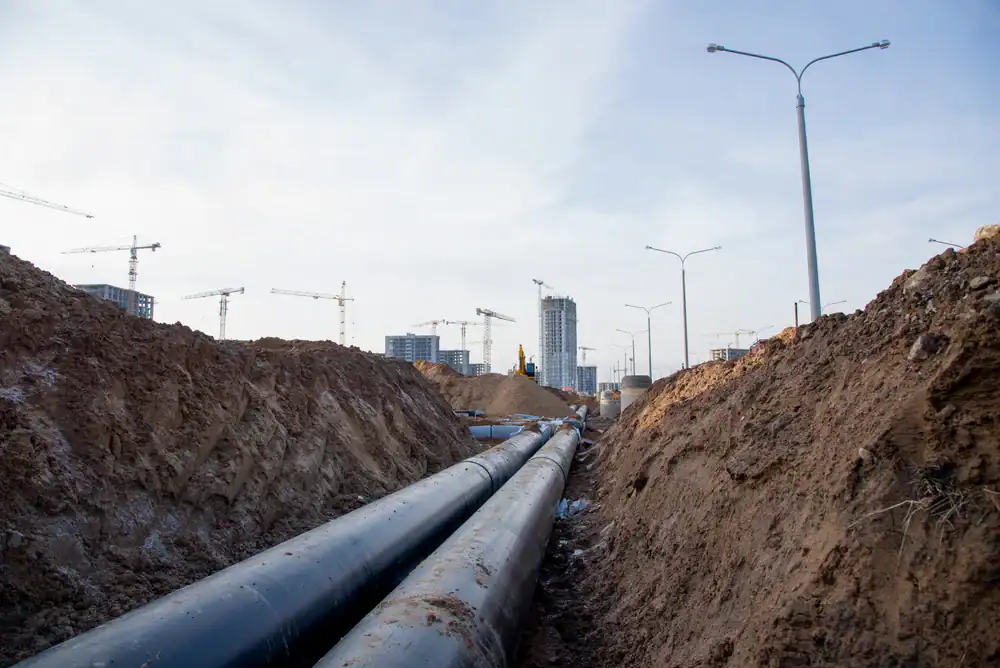
Next is the actual line installation. We use durable pipe, set the correct pitch and slope so waste flows naturally toward your cesspool, and make sure every connection is sealed tight. If your system needs a septic tank installed before the leaching structure to meet Suffolk County’s 2019 regulations, we handle that too.
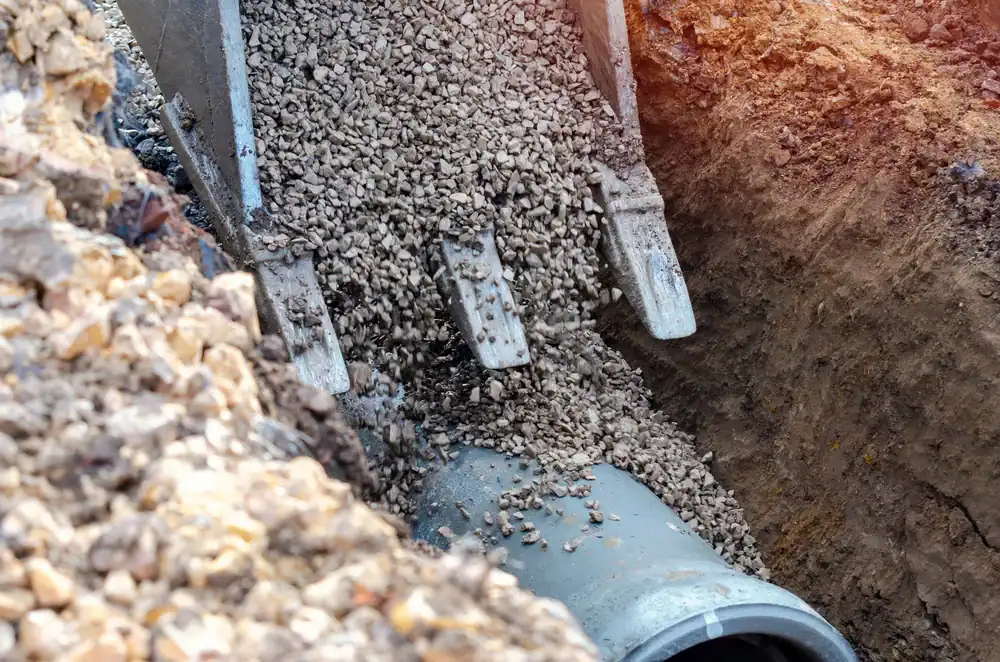
Finally, we backfill, compact, and test. Water runs through the system to confirm flow and check for leaks. Once everything’s working, we clean up and walk you through what we did.
You’re not left wondering if it’s going to fail next month. It’s done right.
Ready to get started?
Line changes aren’t just about swapping old pipe for new. It’s about preventing backups and pipe failure before they wreck your day.
In North Amityville, NY and across Suffolk County, ground shifting is constant. Sandy soil moves after heavy rain and during freeze-thaw cycles, which cracks joints and disconnects pipes. A proper line change accounts for that. We install pipe that can handle movement, and we set connections that won’t separate when the ground shifts.
You also need the right pitch. Too flat, and waste sits in the line. Too steep, and liquids run ahead of solids, causing clogs. We calculate slope based on your property’s grade and the distance to your cesspool, so everything flows the way it should.
And if you’re still running a cesspool without a septic tank, that’s a problem. Since July 2019, Suffolk County requires a septic tank before any leaching structure. If you’re replacing or upgrading your system, we make sure you’re compliant—not just to avoid fines, but because it actually protects groundwater and keeps your system running longer.
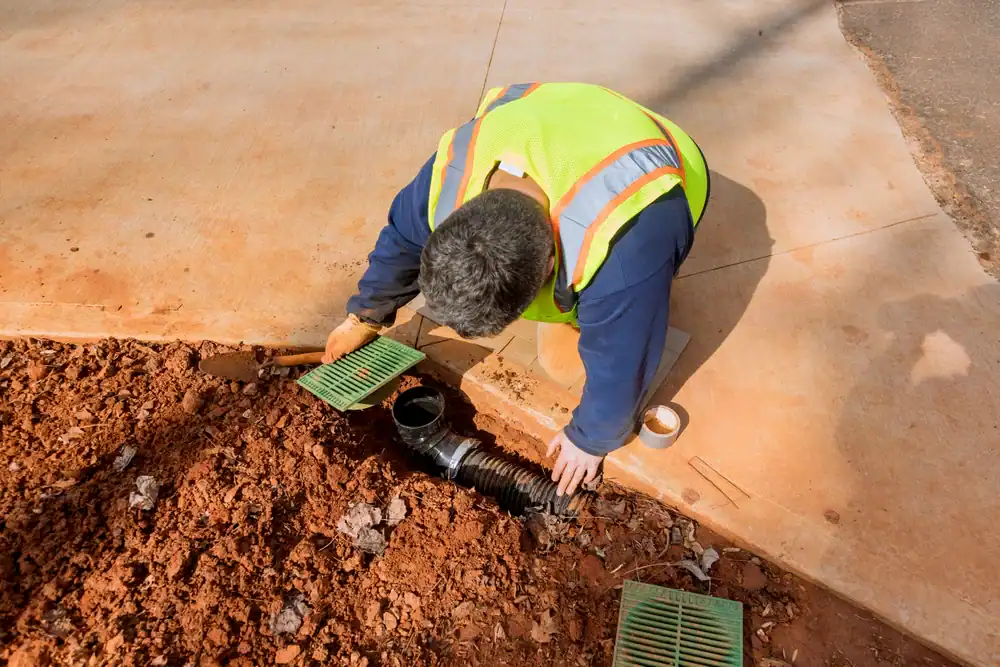
If you’re dealing with repeated backups, slow drains throughout the house, or sewage smells near your cesspool, the line’s likely compromised. A single crack or joint separation can sometimes be patched, but if the pipe’s old, shifted, or installed at the wrong pitch, a repair just buys you a few months.
Here’s the test: if the problem keeps coming back, the line’s the issue. Most homes in North Amityville with original cesspool systems are running pipes that have been underground for decades. Cast iron corrodes. Clay cracks. Even PVC can shift if it wasn’t bedded properly.
We’ll camera-inspect the line if needed and tell you exactly what’s failing. If it’s one spot, we’ll fix that spot. If the whole run’s compromised, we’ll recommend replacing it. You’ll know what you’re paying for and why.
Trenching means digging a path from your house to your cesspool so we can access and replace the line. The trench is typically 18 to 24 inches wide and deep enough to meet code—usually around 2 to 4 feet depending on your system and slope requirements.
We’re not tearing up your entire yard. We map the most direct route, avoid gardens and hardscaping where possible, and dig only what’s necessary. If you’ve got sprinkler lines or landscape lighting in the way, we’ll work around them or help you relocate them temporarily.
Once the new line’s in and tested, we backfill the trench, compact the soil, and rake it level. Grass will grow back, though you might want to overseed the area. Most homeowners are surprised at how clean the site looks after we’re done. We’ve been doing this long enough to know that your property matters, and we treat it that way.
Most line changes in North Amityville, NY take one to two days, depending on distance, soil conditions, and whether we’re also installing a septic tank to meet current Suffolk County regulations. If it’s a straightforward pipe replacement with good access, we can often finish in a day.
Longer jobs happen when we hit obstacles—tree roots, rocky soil, or existing utilities that need careful work-arounds. If your system needs a full upgrade with a new septic tank, that adds time, but we’ll give you a clear timeline before we start.
You’ll have limited water use during the work—no laundry, no long showers, minimal toilet flushing. We’ll explain exactly what you can and can’t do, and we’ll get your system back online as fast as possible. No one wants a crew in their yard longer than necessary, and we work efficiently to get you back to normal.
Yes. Since July 2019, Suffolk County banned new cesspool installations and requires a septic tank before any leaching structure if you’re replacing or upgrading your system. If your current setup doesn’t include a septic tank, we’ll install one as part of the line change to bring you into compliance.
This isn’t just about avoiding penalties. Septic tanks reduce nitrogen pollution, which is a major issue for Long Island’s sole-source aquifer. The county’s serious about enforcement, and when you sell your property, the new owner’s going to want proof that your system meets code.
We handle the permits, the installation, and the inspection. You won’t have to chase down paperwork or wonder if something’s going to fail later. Everything we do is built to current standards, so your system’s legal, functional, and ready for the long haul.
Ground shifting. Long Island’s sandy soil moves more than most people realize, especially after heavy rain or during freeze-thaw cycles in winter. When the ground shifts, pipe joints separate, cracks form, and suddenly you’ve got a backup or a soggy spot in your yard.
Tree roots are the other big culprit. Roots seek out water, and even a tiny crack in your sewer line is an invitation. Once they’re in, they expand, clog the pipe, and cause slow drains or full blockages. Older clay or cast iron pipes are especially vulnerable.
Then there’s age. If your home was built before 1990 and the line’s never been replaced, you’re running on borrowed time. Corrosion, settling, and decades of use take their toll. A proper line change with modern materials and correct pitch eliminates these problems and gives you decades of reliable service.
Cost depends on distance, depth, soil conditions, and whether you need a septic tank installed to meet current regulations. A basic line replacement might run a few thousand dollars. A full system upgrade with trenching, a new septic tank, and proper connections can cost more, but you’re fixing the problem permanently.
Here’s what affects price: longer runs cost more because there’s more pipe and more digging. Rocky or wet soil slows the work and adds labor. If we need to navigate around obstacles like driveways, decks, or utilities, that takes extra care and time.
We’ll give you a clear estimate before we start—no surprises, no upselling. You’ll know what the job includes, how long it’ll take, and what you’re paying for. And if there’s a way to save you money without cutting corners, we’ll tell you. We’ve been doing this long enough to know that honest pricing keeps customers coming back.
Other Services we provide in North Amityville