
Hear from Our Customers
You’re dealing with backups, slow drains, or wet spots in the yard. Someone told you the whole system needs replacing. That’s a $15,000 to $25,000 conversation you probably don’t need to have yet.
Most cesspool problems in North Babylon come down to one thing: the pipe connecting your house to the tank. Orangeburg pipes, common in older Suffolk County homes, collapse over time. The pitch goes wrong. Tree roots break through. The line fails, and suddenly everything backs up.
Here’s what changes when we replace the line instead of the system: your drains work again, the backup stops, and you keep thousands of dollars in your account. We trench, replace the failed section, set the proper slope, and reconnect everything to code. You get a functioning system without the nightmare of a full replacement.
We’re a family-owned company serving North Babylon and Suffolk County for over a decade. We’re licensed, insured, and local—which means we know the soil conditions here, the pipe materials used in your neighborhood, and the county regulations that apply to your property.
Most of Suffolk County doesn’t have public sewer access. That makes cesspools essential, and it makes knowing the difference between a pipe problem and a system problem critical. We use fiber-optic cameras and electronic locators to find the issue before we dig. That saves you time, money, and unnecessary excavation.
When you call us, you’re talking to people who’ve seen every version of this problem. We don’t upsell. We don’t guess. We show you what’s wrong and fix it right.
First, we inspect the line with a camera. That tells us where the break is, what caused it, and whether the rest of the pipe is salvageable. If the line’s collapsed, back-pitched, or root-damaged beyond repair, we move to replacement.
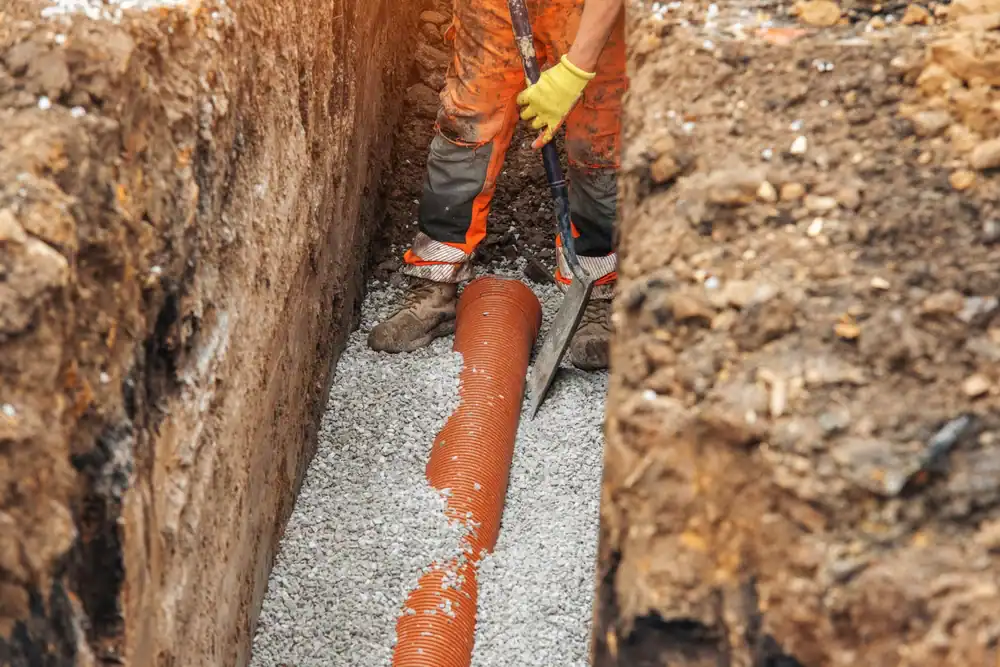
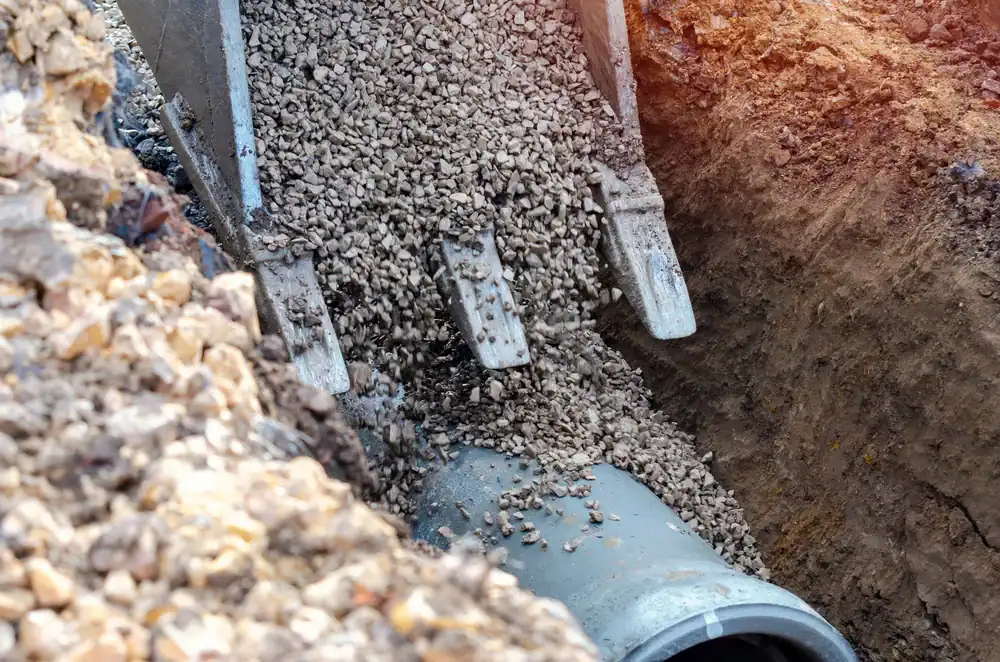
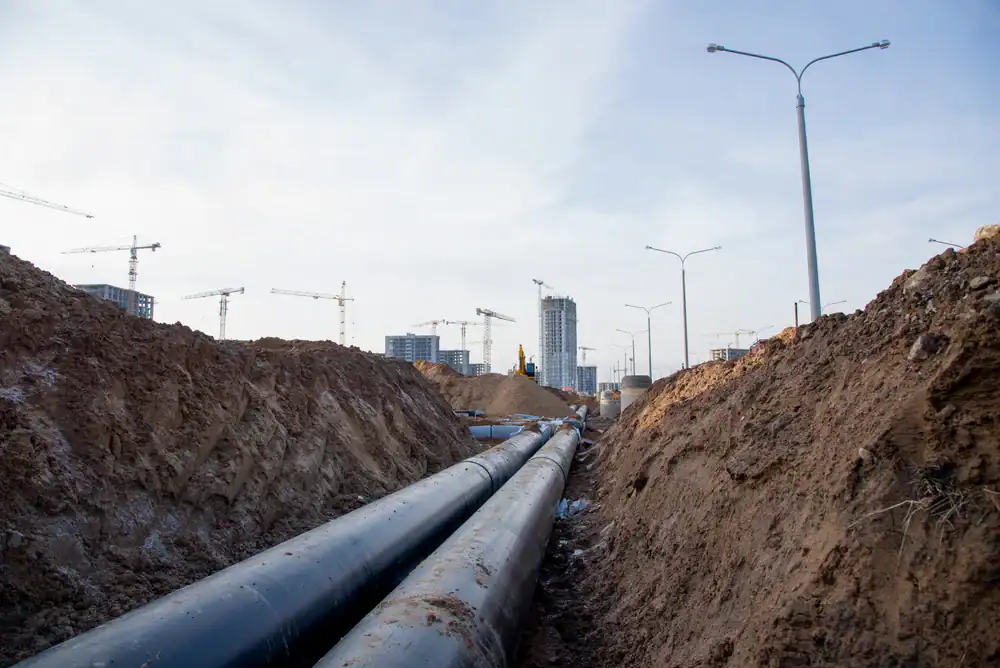
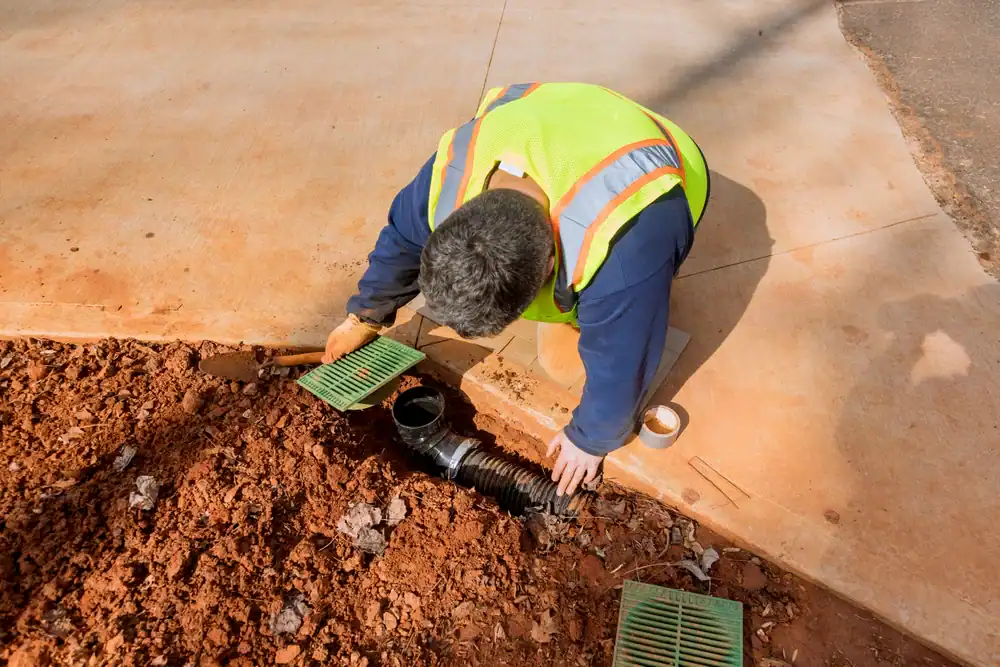
We mark the location, trench down to the failed section, and remove the old pipe. If it’s orangeburg—which it often is around here—it’s usually deteriorated or crushed. We install new pipe at the correct pitch and slope so waste flows properly to the cesspool. Then we backfill, compact, and restore the surface.
The whole process typically takes a day, depending on access and depth. You’ll have working drains by the time we leave. No guessing, no waiting for parts, no multi-week projects. Just a functioning sewer line to cesspool connection that does what it’s supposed to do.
Ready to get started?
A line change covers everything from your house to the cesspool. That includes trenching and excavation, removing the failed pipe, installing new pipe with proper pitch, and reconnecting to the tank. We also handle backfill, compaction, and surface restoration so your yard doesn’t look like a construction zone when we’re done.
In North Babylon, we’re often replacing orangeburg pipes installed decades ago. These pipes were made from wood pulp and coal tar—they don’t last. When they fail, they mimic total system failure. But replacing the line fixes the problem without touching the cesspool itself.
We also correct pitch issues. If your pipe’s back-pitched, waste can’t flow. Pumping won’t fix that. Cleaning won’t fix that. Only a replacement with the right slope will. That’s what we do—set the grade correctly so gravity does the work and your system drains the way it should.
Suffolk County regulations are strict, especially after the 2019 cesspool installation ban. If your system truly fails, you’ll need an advanced treatment system. But if it’s just the line, you’re looking at a fraction of that cost. We make sure you’re compliant without overspending.
If you’re seeing backups, slow drains, or soggy areas in the yard, the problem could be the pipe or the cesspool itself. The only way to know for sure is a camera inspection.
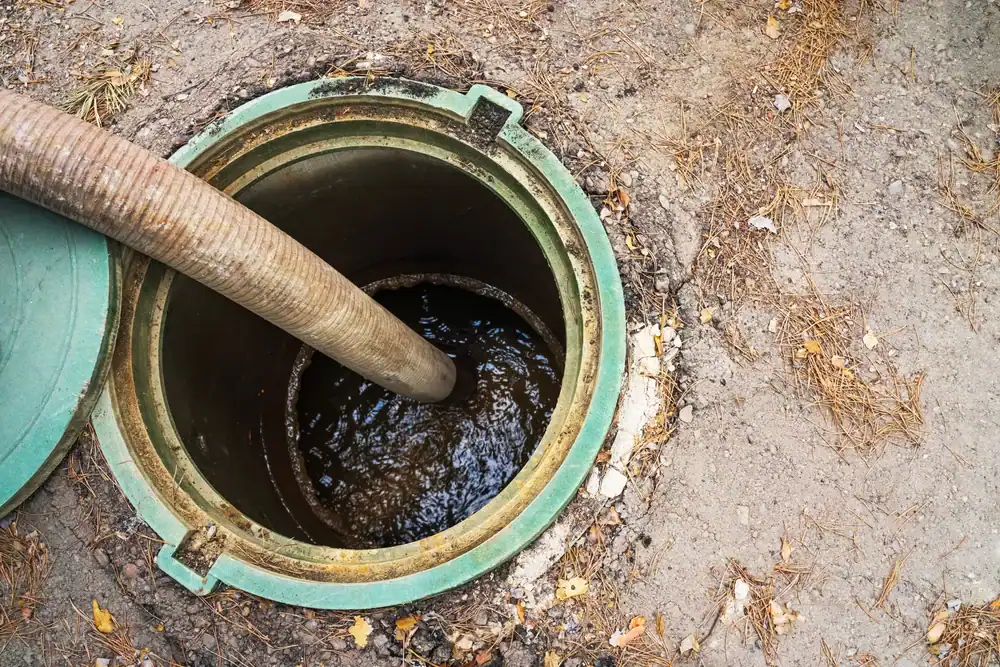
We run a fiber-optic camera through the line to see what’s happening underground. If the pipe’s collapsed, cracked, or severely root-damaged, that’s a line issue. If the cesspool’s full, saturated, or failing to absorb, that’s a system issue. Most of the time in North Babylon, it’s the pipe—especially if your home was built before 1980 and still has orangeburg.
A line change costs a fraction of what a new system costs. We’re talking $1,500 to $5,000 depending on length and access, versus $15,000 to $25,000 for a full replacement. That’s why the inspection matters. It tells you what you’re actually dealing with.
Age, material, and soil conditions. Most older homes in Suffolk County were built with orangeburg pipe, which was cheap and easy to install but doesn’t hold up long-term. It softens, collapses, and eventually stops working.
Tree roots are another major cause. Roots grow toward moisture, and your sewer line is full of it. They infiltrate through joints and cracks, then expand and break the pipe apart. Once that happens, waste can’t flow and you get backups.
Improper pitch is also common. If the line wasn’t installed at the right slope—or if settling changed the grade over time—waste won’t drain properly. Pumping might clear the blockage temporarily, but the problem comes back because gravity isn’t doing its job. A line change fixes the pitch permanently.
Most line changes take one day, start to finish. That includes locating the problem, trenching, removing the old pipe, installing the new line, backfilling, and restoring the surface.
The timeline depends on a few factors: how deep the line is, how long the damaged section is, and whether we have clear access. If the pipe runs under a driveway or patio, that adds time. If it’s a straight shot through open yard, it’s faster.
You’ll have working drains by the end of the day. We don’t leave jobs half-finished or drag them out over multiple visits. We show up, do the work, test the system, and clean up. That’s it.
No. We only trench where the pipe is damaged. The camera inspection shows us exactly where the problem is, so we’re not guessing or digging blindly.
If the break is localized—say, a 10-foot section near the house—that’s all we excavate. If the entire line from the house to the cesspool is compromised, we’ll trench the full length. But we’re not tearing up your property unnecessarily.
After we install the new pipe, we backfill the trench, compact the soil, and restore the surface as close to original condition as possible. If we have to go through grass, we’ll reseed or lay sod. If it’s gravel or dirt, we’ll grade it back. The goal is to leave your yard functional and presentable, not torn apart.
Pumping clears the tank, but it doesn’t fix a broken pipe. If your line’s collapsed or back-pitched, pumping might give you temporary relief, but the problem will come back—usually within days or weeks.
Here’s the issue: if waste can’t reach the cesspool because the pipe’s failed, the tank never fills up. Pumping an empty or half-full tank doesn’t solve anything. You’re treating a symptom, not the cause.
We’ve seen homeowners spend hundreds on repeated pump-outs when the real issue was a $2,000 line replacement. That’s why we always inspect first. If the line’s the problem, we tell you. If it’s the cesspool, we tell you that too. But throwing money at pumping when the pipe’s broken just delays the inevitable and costs you more in the long run.
It gets worse, and it gets expensive. A failing line doesn’t fix itself. The longer you wait, the more damage occurs—and the more you’ll pay to clean it up.
Sewage backups into your home can cause thousands in damage. Cleanup costs average $3,000 to $7,000, and that’s before you factor in flooring, drywall, or personal belongings. Most insurance companies classify backups as preventable maintenance issues, which means they won’t cover it.
Outside, a broken line can saturate your yard, kill your grass, and create health hazards. If the problem affects neighboring properties or violates Suffolk County regulations, you could face fines or be forced into an emergency repair at premium rates. Fixing it now—on your timeline, at standard pricing—is always cheaper than waiting for a crisis.
Other Services we provide in North Babylon