
Hear from Our Customers
You’re dealing with slow drains throughout your house. Maybe sewage backing up into your lowest level. Or you’ve already had a plumber tell you the problem isn’t a clog—it’s the line itself.
That’s when most homeowners realize they’re looking at a line change. Not a quick fix. A full replacement of the main waste line running from your house to your cesspool.
Here’s what that actually means for you: no more wondering if the next flush will cause a backup. No more emergency calls every few months because the temporary patch failed again. Your waste flows the way it’s supposed to, at the right pipe pitch and slope, through new pipe that won’t collapse when Long Island’s sandy soil shifts after the next heavy rain.
You get a system that works. One that’s built to handle your household’s actual usage and installed by people who’ve done this hundreds of times in North Bay Shore specifically.
We handle line changes across North Bay Shore and the surrounding Suffolk County area. We’re licensed, insured, and we show up when we say we will.
Most of the homes we work on were built in the 1960s. That means cast iron pipes that have corroded from the inside out, or clay pipes that cracked decades ago and finally gave out. We’ve seen it all, and we know how to replace it without tearing up your entire yard or leaving you without a functioning system for days.
You’re not getting a crew that learned about cesspools from a YouTube video. You’re getting people who understand Long Island’s soil, Suffolk County’s regulations, and how to connect your sewer line to your cesspool so it actually lasts.
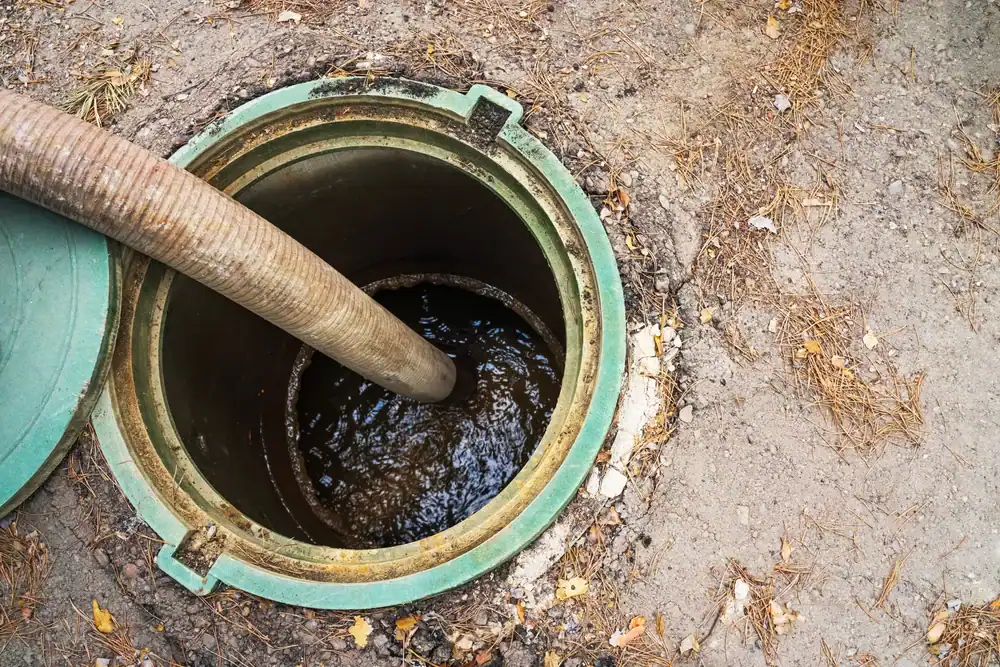
First, we locate your existing main waste line and your cesspool. That sounds obvious, but you’d be surprised how many properties have zero documentation of where things actually are. We find it, mark it, and figure out the best path for the new line.
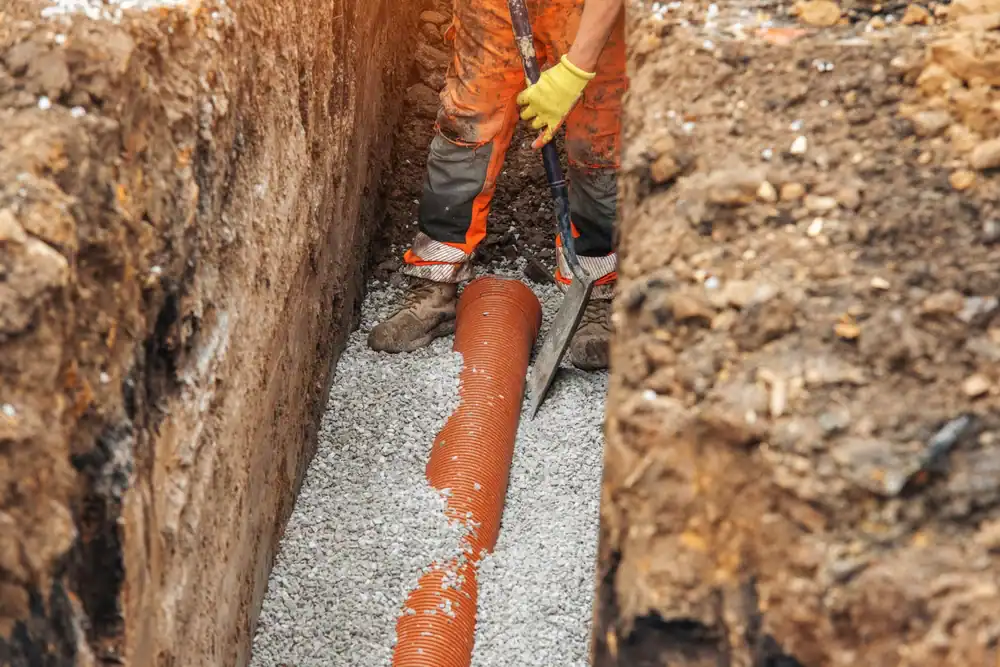
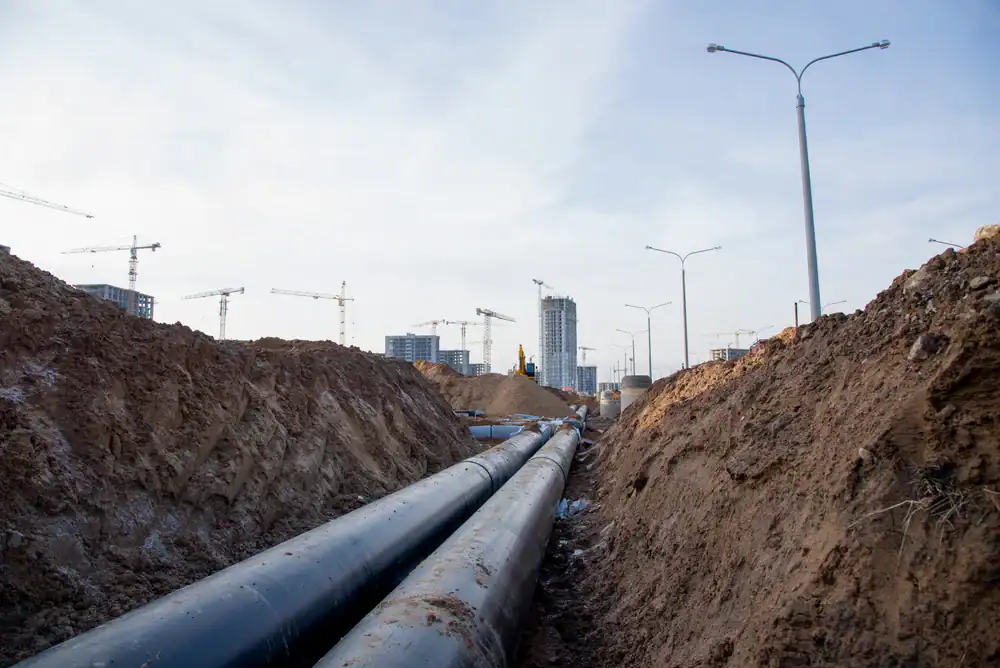
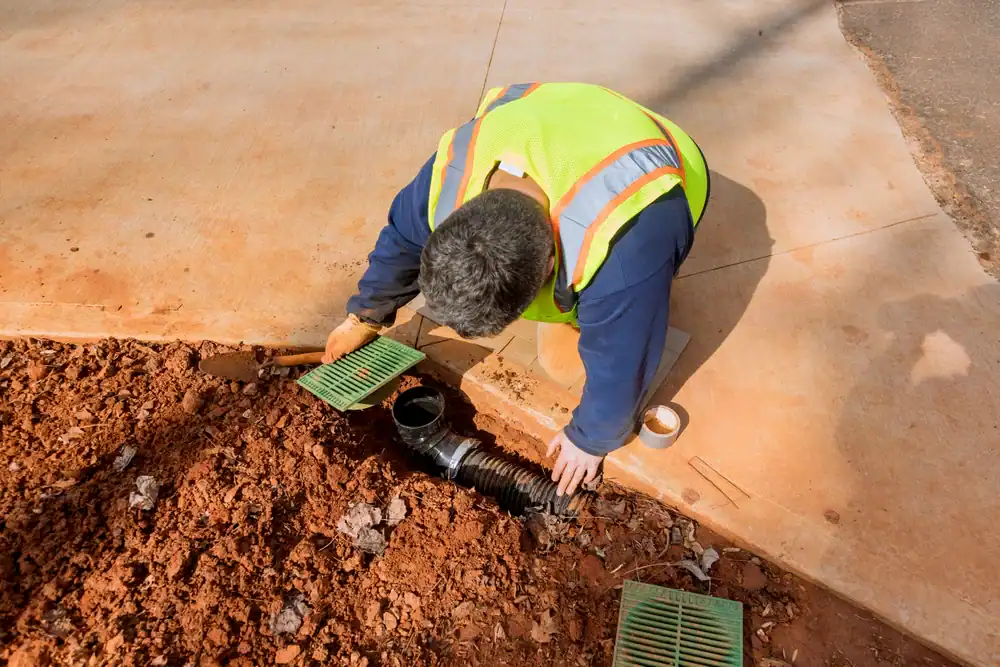
Then comes trenching and excavation. We dig down to expose the old pipe and create a clear path for the new one. Yes, this means digging up part of your yard. But we’re not excavating your entire property—just the section where the line runs. We keep the trench as narrow as possible and stay aware of where your sprinkler lines, electrical, and other utilities sit.
Once the trench is open, we remove the old pipe and install new PVC or other approved material, depending on what your system and local code require. This is where pipe pitch and slope matter. If the line doesn’t slope correctly toward your cesspool, waste won’t flow. It’ll sit in the pipe, cause backups, and you’ll be calling someone again in six months. We make sure the grade is right so gravity does its job.
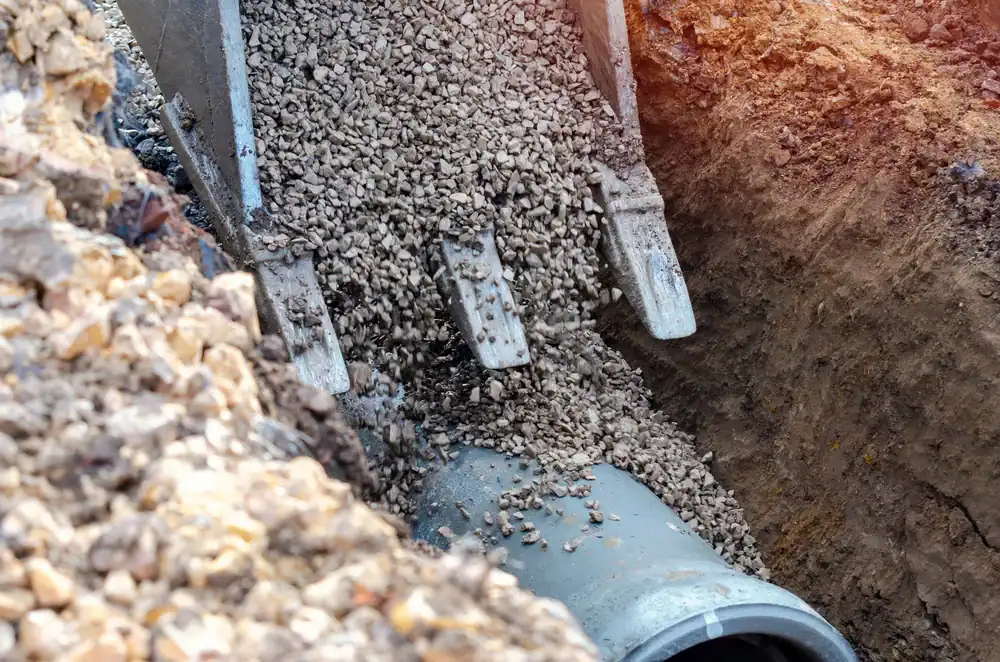
After the new line is in and connected at both ends—your house and your cesspool—we test it. We run water, check for leaks, and make sure everything flows before we backfill the trench. Then we fill it back in, compact the soil, and clean up. You’re left with a working system and a yard that’ll settle back to normal in a few weeks.
Ready to get started?
A line change means you’re replacing the main waste line that carries everything from your house to your cesspool. That includes the pipe itself, the proper slope and grading, and the connection points at both ends.
In North Bay Shore, most line failures happen because of age, root intrusion, or ground shifting. Your home was likely built in the mid-1960s, which means your pipes have been underground for 60 years. Cast iron corrodes. Clay cracks. And tree roots will find every weak point in a line, especially when they’re searching for water during Long Island’s dry summer months.
When we do a line change, we’re not patching the problem. We’re removing the old pipe completely and installing new material that’s built to handle modern household usage and resist root intrusion. We’re also making sure the pitch is correct—typically a quarter-inch drop per foot of pipe—so waste moves toward your cesspool instead of sitting in the line.
You also get compliance with Suffolk County regulations. That matters if you ever sell your property or need documentation for insurance. And it matters now because improper wastewater disposal can result in fines and mandatory corrections that cost more than doing it right the first time.
If you’re dealing with recurring backups even after snaking or jetting the line, that’s a sign the pipe itself is failing. Same goes for multiple slow drains throughout your house, sewage smells near your yard, or soggy patches of ground between your house and cesspool.
A camera inspection will show you what’s actually happening inside the pipe. If there are isolated cracks or a small section with root intrusion, a spot repair might work. But if the pipe is corroded along most of its length, collapsed in multiple places, or completely separated at the joints, you’re looking at a full replacement.
Most homes in North Bay Shore have pipes that are 50 to 60 years old. At that age, fixing one section just means another section will fail soon after. A line change handles the whole problem at once so you’re not paying for multiple repairs over the next few years.
Most residential line changes take one to three days depending on the distance between your house and cesspool, soil conditions, and whether we hit any surprises underground like old utilities or unexpected ledge rock.
Day one is usually excavation and removal of the old pipe. Day two is installation of the new line, testing, and backfill. If your property has complications—like a long run, difficult access, or ledge that requires breaking—it might stretch into a third day.
You’ll have limited or no wastewater service during the work, so plan accordingly. That means minimal water usage, no laundry, no dishwasher, and short showers. We work as quickly as we can without cutting corners because we know you need your system back up and running.
We backfill the trench with the soil we removed, compact it in layers to prevent major settling, and grade it to match the surrounding area. Your yard will have a visible trench line for a few weeks while the soil settles, but it’s not permanent.
Most homeowners reseed or lay sod over the trench after a month or so once the ground has compacted naturally. If you have landscaping, sprinklers, or hardscaping in the path of the line, we’ll work around it where possible or help you understand what needs to be temporarily moved.
We’re not landscapers, so we don’t restore gardens or regrade your entire property. But we do clean up the work area, remove excavated material if needed, and leave your yard in a condition where you can easily finish the cosmetic work yourself or hire someone to handle it.
Yes. Tree roots grow toward water sources, and your sewer line is full of water. Even a small crack or loose joint will attract roots, and once they get inside, they expand as they grow. Eventually they create a full blockage or break the pipe apart completely.
This is especially common in North Bay Shore because of the mature trees on older properties. Willows, maples, and oaks have aggressive root systems that can extend 20 to 30 feet from the trunk. If your sewer line runs anywhere near a large tree, roots are likely already in or around the pipe.
Cutting the roots out might clear the blockage temporarily, but they’ll grow back within months if the pipe still has openings. A line change with new, sealed PVC pipe eliminates the entry points so roots can’t get back in. That’s the only permanent solution.
Cost depends on the length of the run, depth of the line, soil conditions, and any obstacles we encounter during excavation. A straightforward residential line change in North Bay Shore typically falls between $4,000 and $10,000, but longer runs or complicated access can push that higher.
You’re paying for excavation, new pipe and materials, labor, equipment, proper disposal of the old pipe, backfill, and cleanup. If ledge rock or groundwater complicates the dig, that adds time and cost. Same with needing to work around utilities, driveways, or landscaping.
We’ll give you an upfront estimate after we assess your property and understand the scope of the work. No hidden fees or surprise charges after the fact. You’ll know what you’re paying before we start digging.
Yes. Any work involving your cesspool or sewer line typically requires a permit from the Suffolk County Department of Health Services. That includes line changes, new installations, and major repairs.
We handle the permit process as part of the job. That means submitting the application, providing the required documentation, and making sure the work meets county code. An inspector will likely need to see the trench and new line before we backfill, so we coordinate that timing to avoid delays.
Operating without a permit can result in fines and complications if you ever sell your property or file an insurance claim. It’s not worth the risk, and it’s not something you need to handle yourself. We take care of it so the job is done legally and documented properly.
Other Services we provide in North Bay Shore