
Hear from Our Customers
You’re dealing with sewage backing up into your home, or you know your pipes are shot and it’s only a matter of time. Either way, you need a main waste line replacement that actually drains properly and meets Suffolk County’s requirements.
Here’s what changes after we handle your line work. Your system drains the way it should. No standing water in pipes, no slow drains, no mystery backups on weekends.
You’re not worrying about whether the pitch is right or if someone cut corners on the trench depth. The line is installed below frost level, sloped correctly at a quarter inch per foot, and connected to your cesspool or septic tank with the right permits already filed. You get back to not thinking about your waste system, which is exactly how it should be.
We’ve been handling cesspool and septic work across Long Island for over a decade, built on four generations of family experience in this industry. We’re licensed and insured in Suffolk County, and we’ve seen every type of line failure North Lindenhurst properties deal with.
We know the local regulations that changed in 2019 when Suffolk County banned new cesspool installations. We handle the permit process with the health department, we understand the setback requirements from wells and property lines, and we know which inspectors want what documentation.
You’re working with people who’ve dug trenches in North Lindenhurst soil, dealt with high water tables, and connected lines to systems that were installed decades ago. We’re not learning on your property.
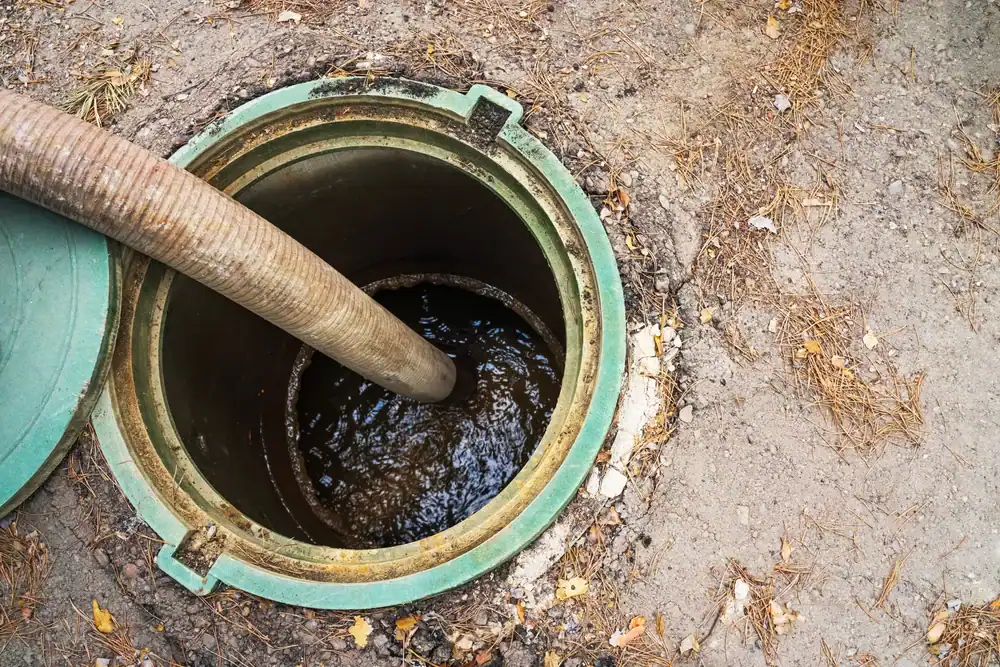
We start with a site visit to see what you’re dealing with. We locate your existing cesspool or septic tank, check the distance from your house, and figure out the best path for the new line. If we need to use locating equipment to find your tank, we do that first.
Then we handle the permit application with Suffolk County. That includes the site assessment, soil testing if required, and verification of setback distances. Permit costs run between two and five hundred dollars depending on the scope, and we walk you through what’s needed.
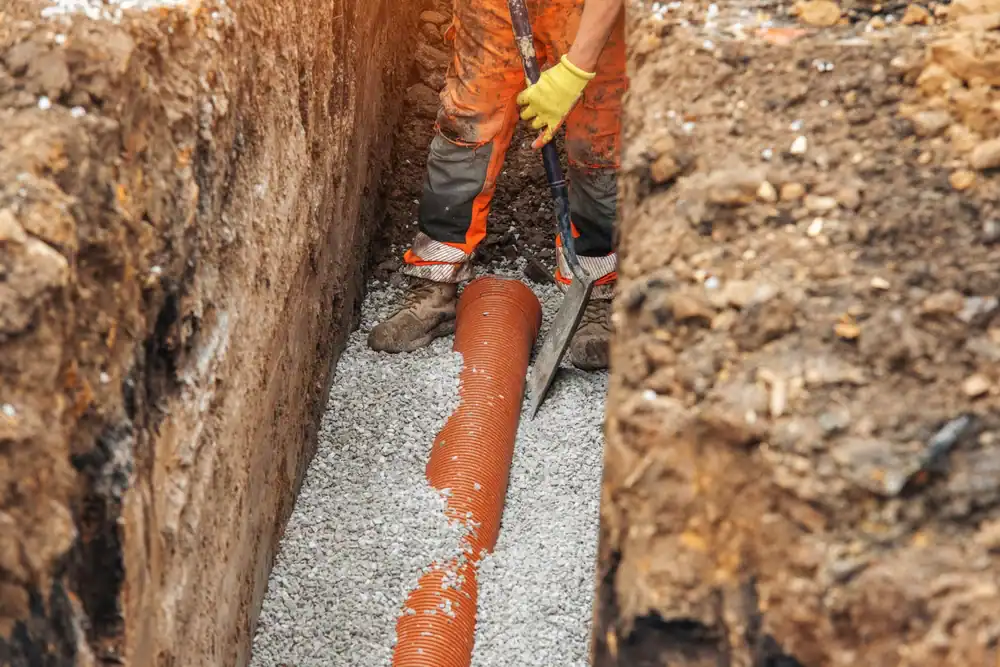
Once permits clear, we excavate the trench. Depth depends on your property’s frost line and the required slope for proper drainage. We’re typically looking at a quarter inch drop per foot of pipe, which is the standard that prevents both standing water and excessive velocity that causes problems down the line.
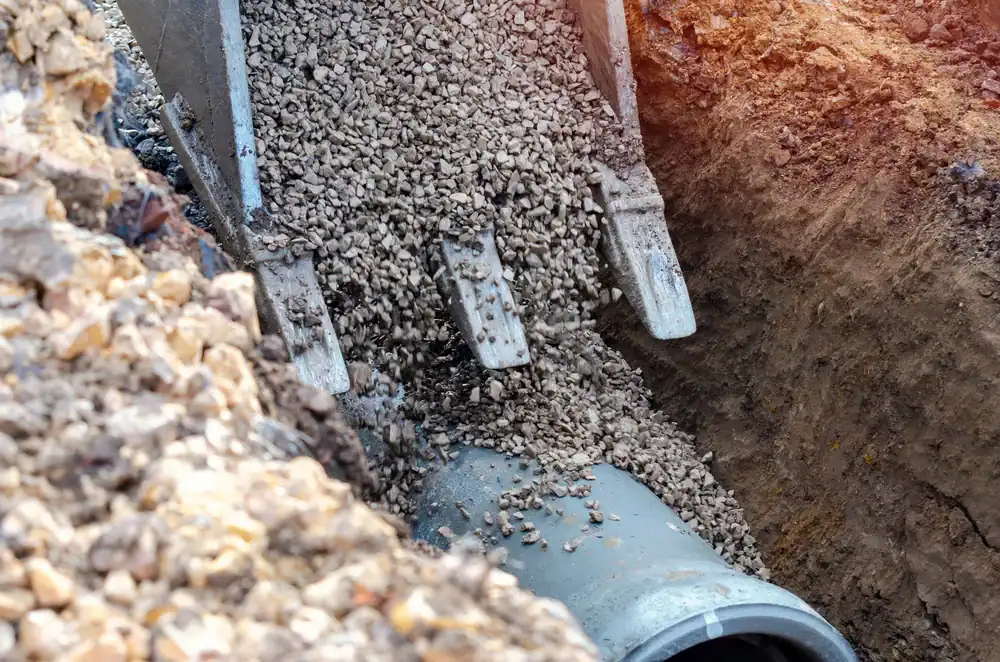
We install the new pipe, make the connection to your cesspool or septic system, and backfill the trench with proper compaction to prevent settling. Then we call for inspection, handle the final walkthrough, and you’re done. The whole process usually takes a few days depending on weather and permit timing.

Ready to get started?
You’re getting the full scope of work, not just someone who digs a trench and drops in pipe. We handle permit applications and coordinate with Suffolk County’s health department. We locate your existing system if needed, using fiber optics or electronic location equipment.
The excavation work includes proper trench preparation with correct depth and width for your pipe size. We’re not just eyeballing the slope – we set it precisely so your line drains by gravity without creating velocity problems that lead to pipe damage over time.
In North Lindenhurst, we’re dealing with the same soil conditions and water table issues across the area. We know when we need to go deeper to get below frost line, and we know how to handle groundwater during excavation. The trench gets backfilled and compacted correctly so you’re not dealing with settling and dips in your yard six months later.
If your existing line failed because of root infiltration or corrosion, we’re looking at the whole picture. Sometimes that means rerouting to avoid the same tree roots that destroyed your old pipe. Sometimes it means replacing a longer section than you thought because the damage extends further than what’s visible.
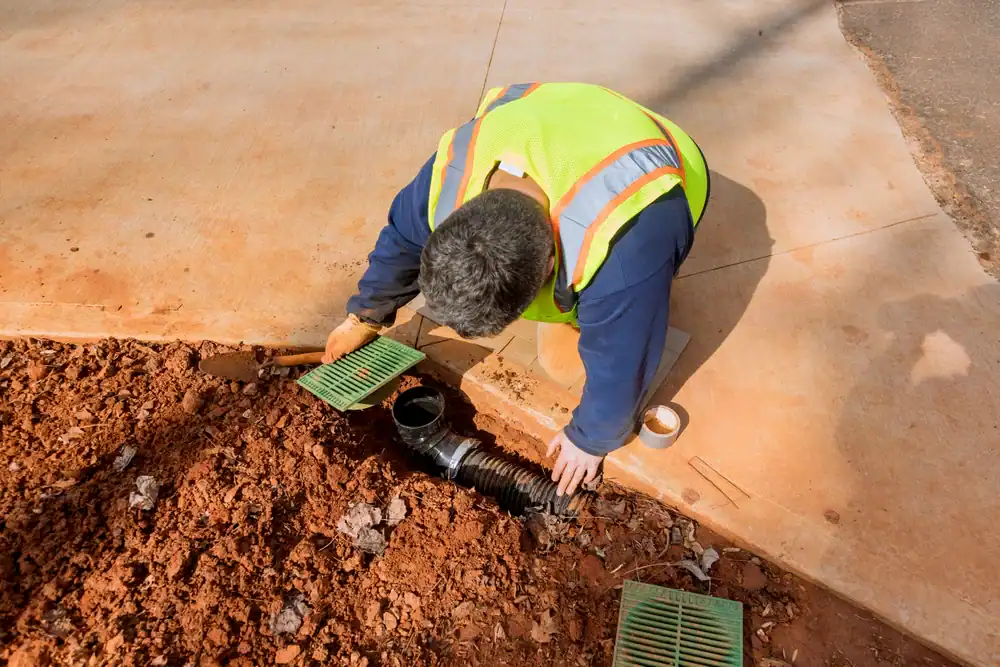
Root infiltration is the leading cause. Trees and shrubs send roots toward any moisture source, and your sewer line is exactly that. Roots work their way into joints and cracks, then expand and destroy the pipe from inside.
Corrosion and age are the other major factors. Older pipes made from clay or cast iron eventually deteriorate. Clay cracks and collapses, cast iron rusts through, and even newer PVC can fail if it wasn’t installed with proper bedding and slope.
Ground movement causes problems too. Settling soil, frost heave, and even nearby construction can shift pipes out of alignment. Once a pipe develops a belly or low spot, waste starts pooling there instead of draining completely. That accelerates deterioration and eventually you’re looking at a backup or complete blockage.
You’re typically looking at several thousand dollars for a straightforward residential line replacement, but the range is wide because every property is different. Distance from your house to the cesspool, depth of excavation, and site access all affect the final number.
Permit fees run two hundred to five hundred dollars through Suffolk County. If you need soil testing or a full site assessment because you’re also upgrading from a cesspool to a septic system, that adds to the cost.
Emergency replacements cost more than planned work. If you’re calling because sewage is backing up into your house right now, you’re paying for immediate response and potentially working around water damage or contamination issues. That’s why it makes sense to address line problems when you first notice slow drains or gurgling sounds, before you’re dealing with a crisis.
Yes. Suffolk County requires permits for any work involving connections to cesspools or septic systems. The health department wants to verify that your new line meets setback requirements from wells, property lines, and buildings.
The permit process includes a site assessment. An inspector needs to confirm distances and sometimes soil conditions depending on the scope of work. If you’re doing any work beyond basic repairs, you’re going into the permit system.
Skipping permits creates problems when you sell your property. Suffolk County requires septic certifications for property transfers, and unpermitted work shows up during that inspection. You’ll end up paying to bring everything into compliance anyway, plus potential fines. Better to handle it correctly from the start.
The standard is one quarter inch of drop per foot of horizontal pipe. That’s enough slope to keep waste and water moving by gravity without creating excessive velocity that damages pipes or causes other problems.
Too little slope and you get standing water in the line. Waste doesn’t drain completely, solids settle in the pipe, and you’re dealing with slow drains and eventual blockages. Too much slope and the water runs ahead of the solids, which also causes blockages and puts stress on pipe joints.
This is why proper installation matters. You can’t just dig a trench and hope for the best. We use levels and laser equipment to set the exact grade your line needs. A quarter inch per foot might not sound like much, but over fifty or a hundred feet of pipe, that precision makes the difference between a system that works and one that gives you problems.
It depends on what you’re doing and when your cesspool was installed. As of July 2019, Suffolk County banned new cesspool installations. If you’re replacing a failed cesspool, you have to install a septic tank system instead.
But if your cesspool is still functional and you just need to replace the line connecting your house to it, that’s different. We can install a new sewer line to your existing cesspool as long as the cesspool itself doesn’t need replacement.
The determining factor is whether you’re doing cesspool work or just line work. If the cesspool is failing or you’re required to upgrade it for any reason, then you’re installing a full septic system under current regulations. If the cesspool is fine and you’re only addressing pipe failure, we’re connecting new pipe to your existing system. We’ll assess your specific situation and tell you exactly what’s required under current Suffolk County rules.
The actual excavation and installation work typically takes one to three days depending on distance, site conditions, and whether we run into complications like high groundwater or unexpected obstacles underground.
Permit processing adds time before we start digging. Suffolk County’s health department usually processes permits within a week or two, but that varies based on their workload and whether your application needs additional documentation or site visits.
Weather affects the timeline too. We’re not doing excavation work in heavy rain or frozen ground. If we hit a stretch of bad weather mid-project, we’re waiting for conditions that let us work safely and correctly. Most residential line replacements from start to finish, including permits and inspection, take two to four weeks. Emergency repairs obviously move faster because we’re addressing an immediate health hazard, but you’re still dealing with permit requirements once the emergency is stabilized.
Other Services we provide in North Lindenhurst