
Hear from Our Customers
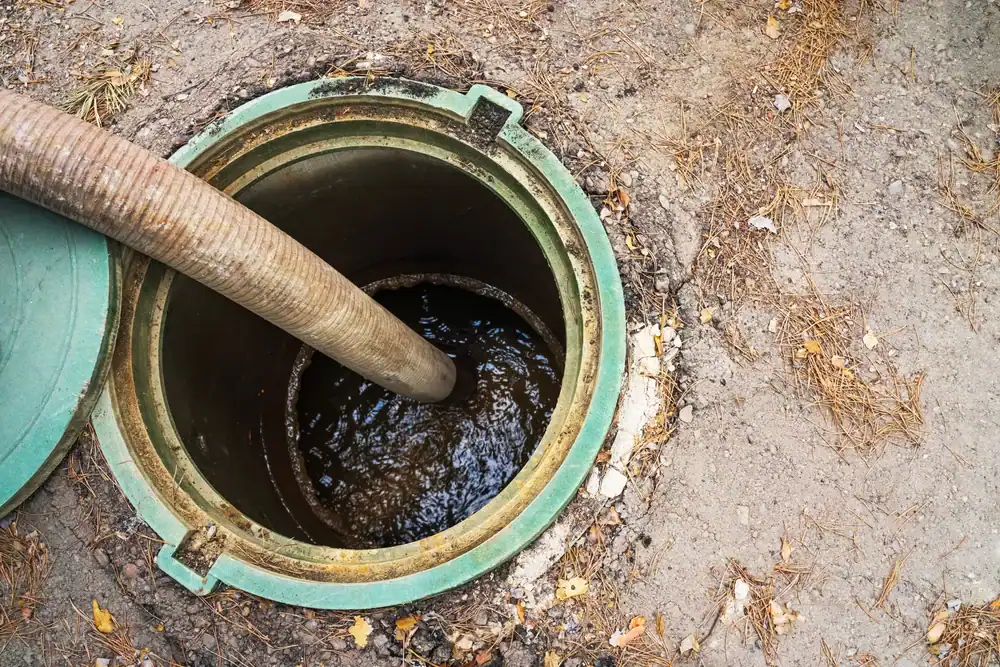
You know something’s wrong when toilets back up, drains slow down, or you smell sewage near your cesspool. The problem is usually in the line connecting your house to the cesspool—and ignoring it only makes things worse.
A failed waste line doesn’t fix itself. The longer you wait, the more sewage backs up into your home, the more your property gets damaged, and the more expensive the repair becomes. Emergency repairs can hit $10,000 or more when pipes collapse or tree roots take over.
When we replace your main waste line, you get a system that drains properly, meets current Suffolk County code, and stops the cycle of backups and panic calls. The work gets done right, your property stays intact, and you move on with your life.
We’ve been serving homeowners throughout Noyack and Suffolk County with licensed, insured cesspool services. We know the local regulations that changed in 2019, and we know how to navigate permits, inspections, and the specific challenges that come with older cesspool systems in this area.
Most homes in Noyack don’t have access to public sewer systems. That means your cesspool is your only option, and when the main waste line fails, you need someone who understands how these systems work and what it takes to fix them properly.
We’re not the cheapest option, and we’re fine with that. You’re paying for licensed technicians, proper equipment, and work that passes inspection the first time—not a quick patch that fails in two years.
First, we inspect the line with a camera to see exactly what’s wrong and where. This tells us if you need a full replacement or just a section repaired. No guessing, no unnecessary digging.
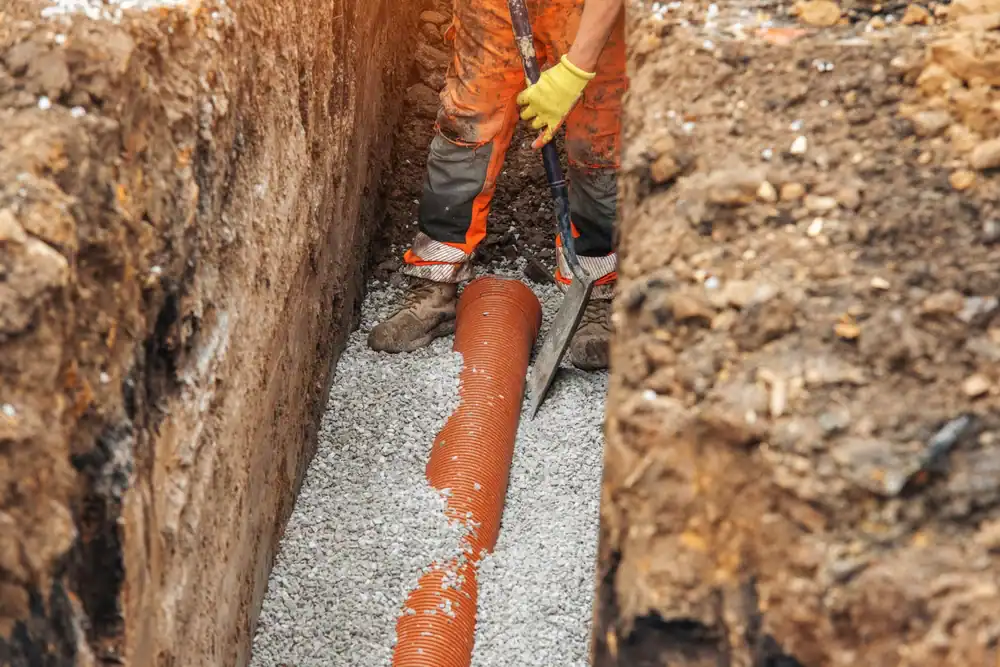
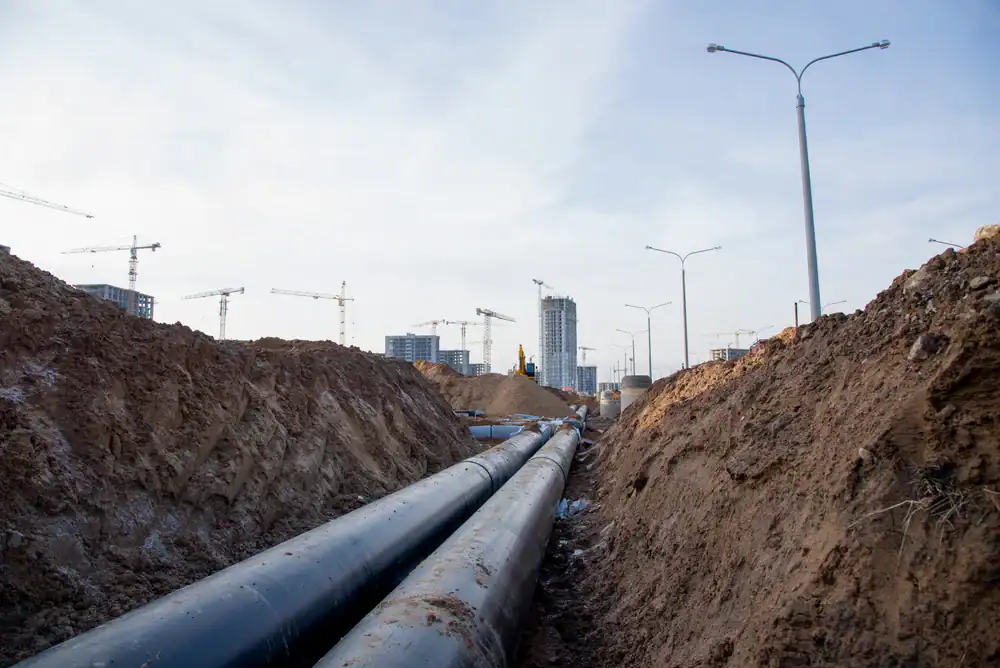
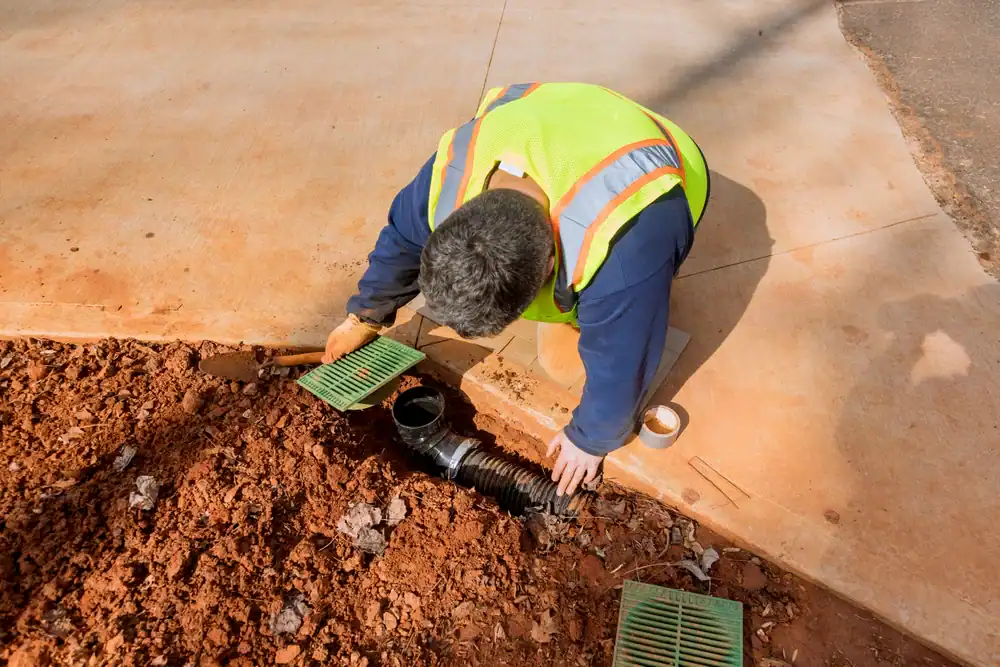
If you need a full main waste line replacement, we map out the route from your house to the cesspool and figure out the best way to access it. Sometimes that means trenching and excavation. Other times, we can use trenchless methods that require minimal digging and leave your landscaping mostly untouched.
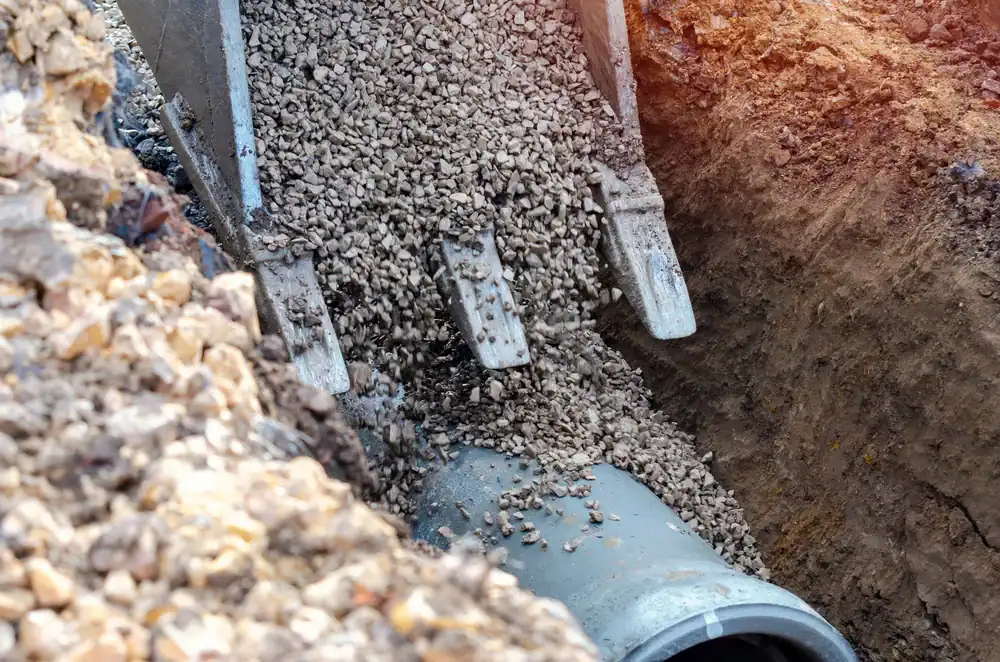
We pull the old pipe, install new pipe with the correct pitch and slope so waste flows properly, and backfill everything. Then we test the system to make sure it drains correctly and meets code. You get a line that works, a yard that’s restored, and documentation for your records if you ever sell the property.
Ready to get started?
You’re not just paying for new pipe. You’re paying for a system that’s installed correctly—with the right pitch and slope so waste flows downhill without pooling or backing up. A lot of older cesspool lines in Noyack were installed decades ago, before current standards, and they’re either too flat or too steep.
We also handle the trenching and excavation work carefully. That means locating underground utilities before we dig, using equipment that minimizes damage to your lawn, and restoring everything when we’re done. If your property has mature landscaping or tight access, we plan around it.
And if your line failed because of tree roots, shifting soil, or a collapsed pipe, we address the cause—not just the symptom. That might mean rerouting the line, installing root barriers, or recommending regular maintenance so you don’t end up in the same situation three years from now. Noyack properties sit on varying soil conditions, and we adjust our approach based on what your specific site needs.
It depends on what the camera inspection shows. If the pipe has a small crack or a localized blockage, we can often repair just that section. But if the pipe is collapsed, completely corroded, or full of root intrusion along most of its length, a full replacement makes more sense.
A lot of older cesspool lines in Noyack are made from clay or cast iron, and they deteriorate over time. Once they start failing in multiple spots, patching one section just buys you a few months before another section goes. We’ll walk you through what we find and give you an honest recommendation based on the condition of your line and how long you plan to stay in the house.
Replacing the whole line costs more upfront, but it eliminates the cycle of emergency repairs and gives you a system that’ll last decades.
As of July 1, 2019, Suffolk County banned cesspool-to-cesspool replacements. If you’re doing any work on your cesspool system, you’re required to upgrade to a system that reduces nitrogen by up to 70%. That usually means converting to a septic system with an advanced treatment component.
The regulations also cover how the sewer line connects to your cesspool or septic tank, including proper pitch, materials, and inspection requirements. If your line replacement is part of a larger system upgrade, you’ll need permits and inspections to make sure everything meets current code.
We handle the permit process and make sure your installation passes inspection. Suffolk County also offers grants up to $30,000 to help cover the cost of these upgrades, which can make a big difference if you’re facing a full system conversion. We can point you toward those resources if your situation qualifies.
That depends on the condition of your existing line and how deep it’s buried. In most cases, we’re digging a trench that’s 3 to 4 feet deep and runs from your house to the cesspool. We use equipment sized for residential properties, and we’re careful about where we dig.
Before we start, we locate all underground utilities—water lines, electric, gas, irrigation—so we don’t hit anything. Then we dig only where we need to access the pipe. If we can use trenchless repair methods, we’ll only need to dig small access pits instead of a full trench, which saves your landscaping.
After the new line is installed and tested, we backfill the trench, compact the soil, and restore the surface as close to original condition as possible. If you have sod, pavers, or plantings in the way, we’ll work around them or help you coordinate restoration once the job is done. The goal is to fix your line with the least amount of disruption to your property.
Tree roots are the most common culprit. Roots grow toward water sources, and your sewer line is full of moisture. Once they find a crack or joint in the pipe, they work their way in and expand, eventually blocking or breaking the line completely.
Age and material also play a role. Older pipes made from clay or cast iron corrode and crack over time, especially in areas with shifting soil or freeze-thaw cycles. If your line was installed 30 or 40 years ago, it’s probably near the end of its lifespan. Ground settlement can also cause pipes to sag or separate at the joints, which leads to pooling and blockages.
Sometimes the line was just installed wrong from the start—wrong slope, wrong materials, or poor compaction during backfill. If waste isn’t flowing downhill at the right angle, it sits in the pipe and eventually causes backups. That’s why proper pitch and slope matter so much when we install a new line.
Most residential line replacements take one to three days, depending on the length of the run, soil conditions, and access to your property. If we’re replacing a straight 50-foot line with good access, we can usually finish in a day. If we’re working around obstacles, dealing with rocky soil, or replacing a longer line, it might take two or three days.
We’ll give you a timeline before we start so you know what to expect. During the work, your plumbing will be out of service for part of the day while we disconnect the old line and connect the new one. We try to minimize downtime and get your system back online as quickly as possible.
Weather can also affect the schedule. Heavy rain turns excavation into a mud pit, so we’ll sometimes pause work and resume when conditions improve. We’d rather take an extra day than rush the job and end up with a line that doesn’t drain properly.
Sometimes, yes. Trenchless pipe repair works by inserting a new liner inside the old pipe or pulling a new pipe through the existing path. It requires much less digging—usually just small access pits at each end—and it’s faster and less disruptive than traditional excavation.
But trenchless methods only work if the existing pipe is still mostly intact and in the right location. If your pipe has completely collapsed, shifted out of position, or needs to be rerouted to fix a slope problem, we’ll need to dig. Trenchless also doesn’t work well if your line has sharp bends or if tree roots have destroyed the pipe beyond repair.
We’ll assess your situation during the inspection and let you know if trenchless is an option. When it works, it’s a great solution. When it doesn’t, traditional trenching is still the most reliable way to replace a failed line and make sure it’s installed correctly.
Other Services we provide in Noyack