
Hear from Our Customers
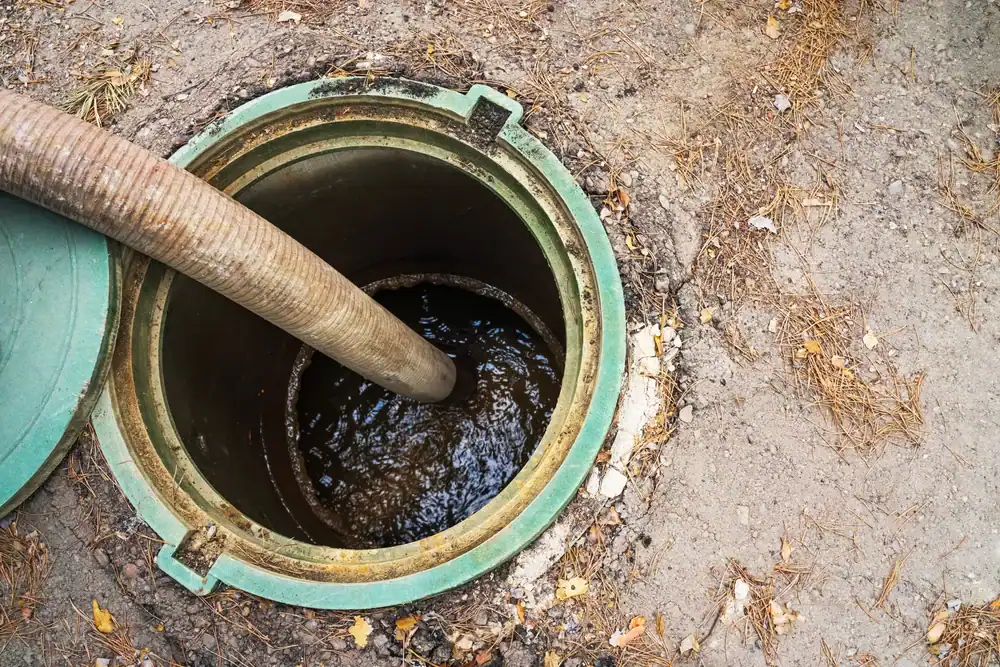
You know something’s wrong when drains slow down, toilets gurgle, or you smell sewage near your cesspool. Those are the early warnings. Ignore them, and you’re looking at sewage backing up into your home or pooling in your yard.
Line changes fix the problem at the source. We’re talking about replacing or repairing the main waste line that connects your home to your cesspool system. When that pipe fails—whether from age, shifting soil, or poor pitch and slope—everything stops working the way it should.
Once the line’s replaced, waste flows like it’s supposed to. No more slow drains. No more smells. No more standing water in your yard. You get a system that works, and you stop worrying about when the next backup is coming.
We’ve been handling cesspool and septic work across Long Island for nearly two decades. Four generations of experience means we’ve seen every type of pipe failure, backup, and system breakdown that happens in Ocean Beach.
We’re local. We live and work here. We know what Ocean Beach’s high water table, sandy soil, and salt air do to cesspool systems over time. That’s not something you learn from a manual—it’s what you pick up after years of digging trenches and replacing lines in this exact area.
Licensed, insured, and equipped to handle everything from minor line repairs to full main waste line replacement. We handle the permits, the excavation, and the cleanup. You get a working system without the runaround.
First, we assess the damage. That means locating the failed section of pipe, checking the pitch and slope, and figuring out whether you need a repair or a full replacement. We’re upfront about what’s required before any digging starts.
Next comes the excavation. We trench carefully to access the damaged line while minimizing disruption to your property. Ocean Beach’s sandy soil makes trenching easier in some ways, but it also means walls can collapse without warning—so we follow safety protocols every time.
Once we’re in, we remove the old pipe and install the new line with the correct pitch and slope. That’s critical. If the slope’s off even slightly, waste won’t flow properly and you’ll have problems again down the road. We make sure the connection between your main waste line and cesspool is solid, sealed, and built to last.
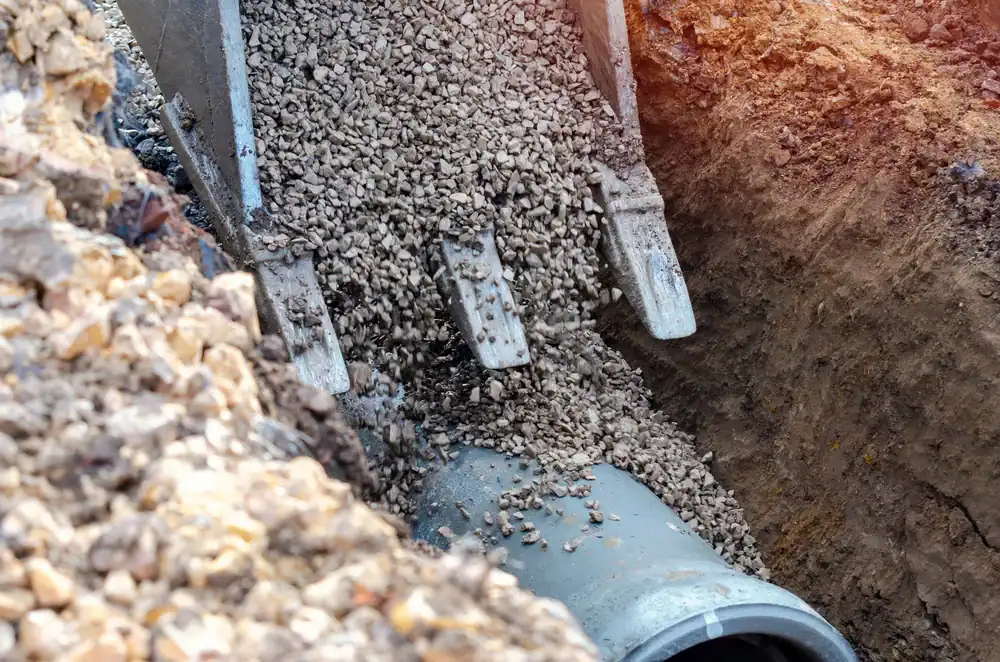
After installation, we backfill the trench, compact the soil, and restore your property as close to original condition as possible. Then we handle the final inspection with the Suffolk County health department if required. You’re left with a system that works and property that’s put back together.
Ready to get started?
You get a full assessment of your existing waste line, including where it’s failing and why. We check for root intrusion, pipe collapse, improper slope, and connection issues at the cesspool. That tells us what needs to happen.
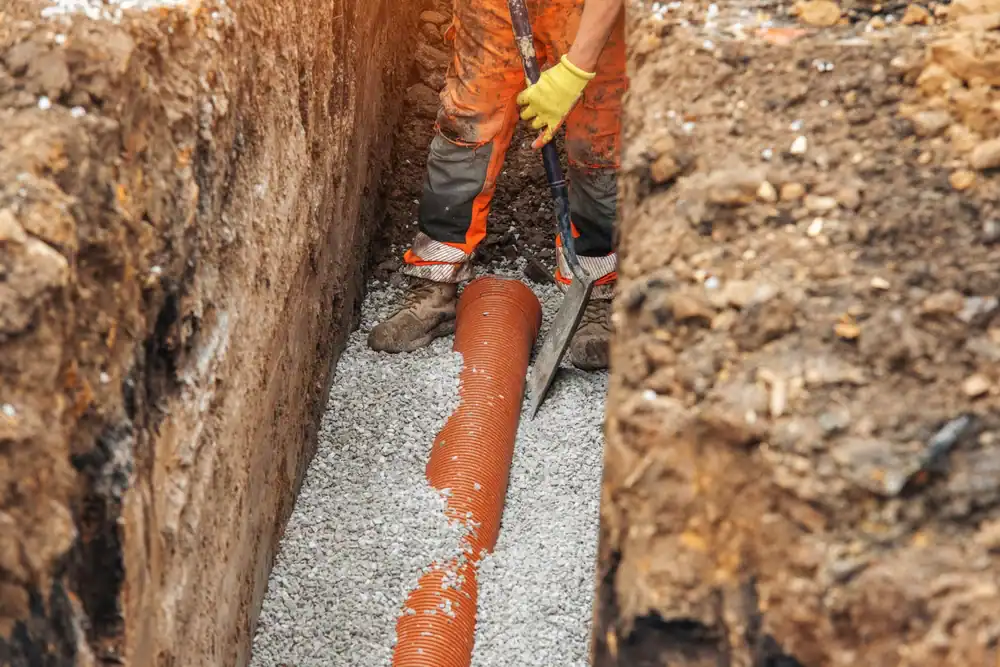
You get professional trenching and excavation with equipment designed for Ocean Beach’s soil conditions. We dig safely, access the line, and minimize damage to landscaping, driveways, or other structures on your property.
You get proper pipe installation with the right pitch and slope for effective waste flow. In Ocean Beach, that means accounting for the high water table and sandy soil that can shift over time. We use materials that hold up in coastal conditions and make connections that don’t leak or separate.
You also get permit handling and health department coordination. Suffolk County has specific requirements for cesspool work, and we manage that paperwork so you don’t have to. If an inspection’s needed, we’re there to walk it through.
And you get property restoration after the job’s done. We backfill trenches, regrade soil, and clean up the work site. The goal is to leave your property looking as close to how we found it as possible—just with a functioning waste line underneath.
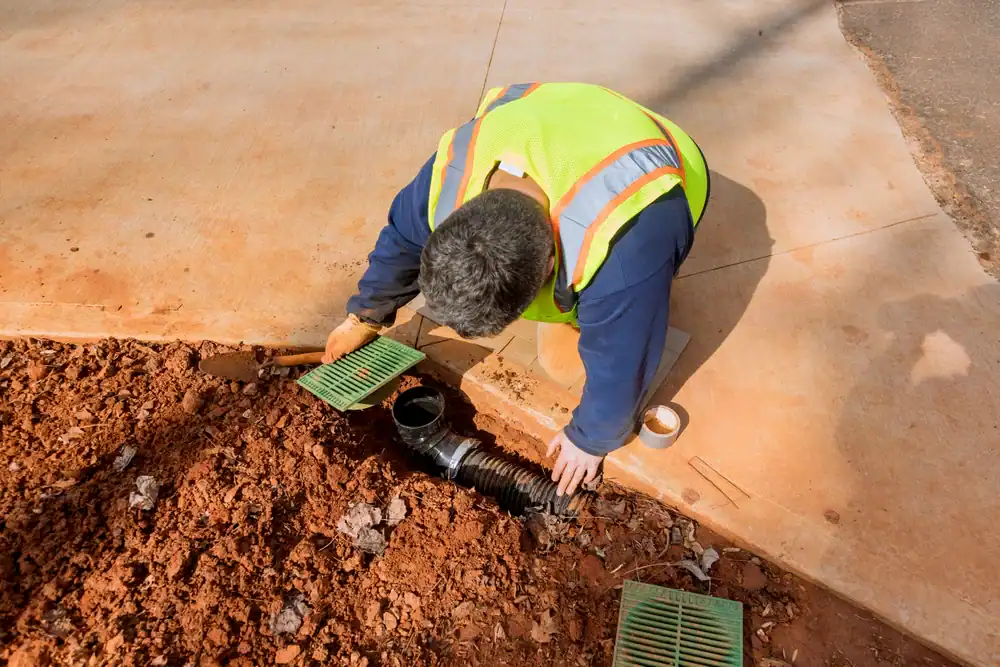
If you’re dealing with frequent backups, persistent odors, or wet spots that keep coming back even after pumping your cesspool, the problem’s likely in the line itself. A repair works when the damage is localized—maybe a small crack or a single joint that’s separated. Line changes become necessary when the pipe’s collapsed, severely corroded, or failing in multiple spots.
Age matters too. Older pipes, especially in Ocean Beach where salt air accelerates corrosion, eventually reach a point where patching one section just means another will fail soon after. If your system’s decades old and you’re having repeated issues, replacing the line saves you from paying for multiple emergency repairs.
We assess the situation before recommending anything. That means camera inspection if needed, checking the pipe’s condition along its full length, and being honest about whether a repair will actually hold or if you’re better off replacing the line now.
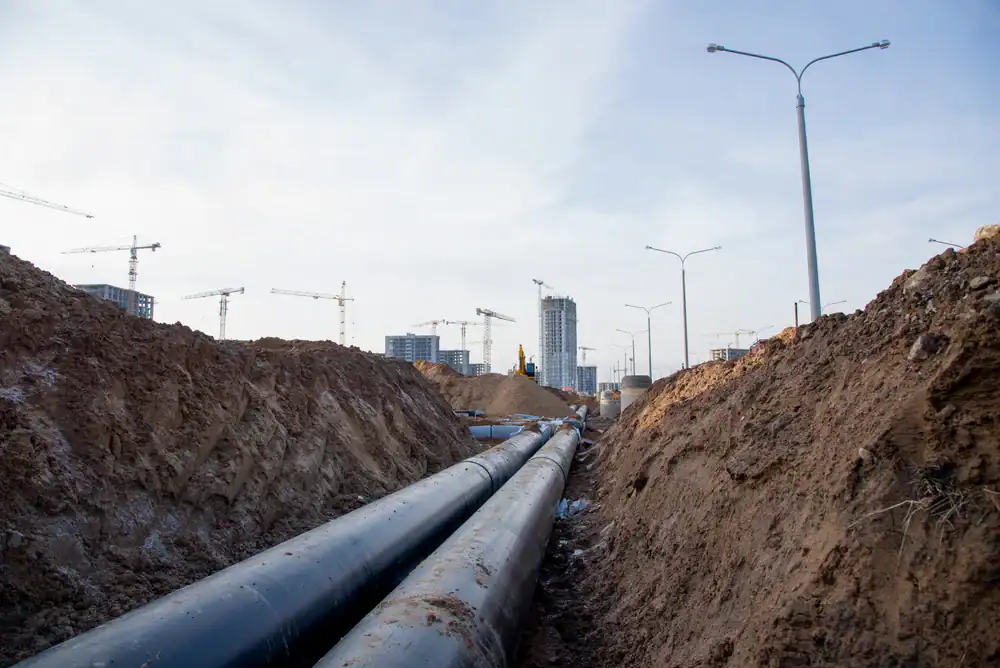
Trenching creates a narrow excavation along the path of your waste line—usually from your home to the cesspool. The width depends on how deep we need to go and what equipment we’re using, but we keep it as minimal as possible while maintaining safe working conditions.
Your lawn, landscaping, or driveway might be temporarily disrupted where the trench runs. We mark the path beforehand so you know what to expect. In Ocean Beach’s sandy soil, trenches are generally easier to dig and backfill than in areas with heavy clay or rock, which helps with restoration afterward.
Once the new line’s installed, we backfill the trench with the excavated soil, compact it properly to prevent settling, and regrade the surface. If we’ve gone through a lawn, you’ll need to reseed or resod that strip. If we’ve cut into a driveway or paved area, we coordinate the repaving. The goal is always to restore your property as close to its original condition as possible, and we clean up all debris before we leave.
Gravity moves waste through your line to the cesspool. If the pitch and slope aren’t right, waste doesn’t flow properly—it pools in low spots, drains slowly, or backs up entirely. The standard is a quarter-inch drop per foot of pipe, but Ocean Beach’s sandy soil and high water table sometimes require adjustments to that baseline.
Too steep, and liquids rush ahead while solids get left behind, leading to clogs. Too flat, and nothing moves efficiently. Over time, improper slope causes buildup inside the pipe, which means more frequent backups and eventually a complete blockage.
When we install a new line, we measure and set the slope correctly from the start. We account for the distance between your home and cesspool, the depth of your existing system, and any grade changes on your property. Getting this right the first time means your system works the way it should for years without the constant maintenance and emergency calls that come from a poorly installed line.
Most line changes take one to three days depending on the length of the run, the depth of the line, and what we encounter during excavation. A straightforward replacement on a short run with easy access can be done in a day. Longer distances, deeper lines, or complications like unexpected groundwater or obstacles in the trench path add time.
Ocean Beach’s sandy soil generally makes digging faster than areas with heavy clay or bedrock, but that same soil requires careful shoring to prevent trench collapse. We don’t rush through safety steps, even if it adds a few hours to the job.
Weather affects the timeline too. Heavy rain can flood trenches and delay work, especially with the high water table common in Ocean Beach. We’ll give you a realistic timeframe upfront based on your specific situation, and we keep you updated if anything changes during the job. The goal is to get your system working again as quickly as possible without cutting corners that’ll cause problems later.
Age is the biggest factor. Older pipes corrode, crack, and eventually collapse—especially in Ocean Beach where salt air accelerates deterioration of metal components and even affects some types of plastic over time. If your system’s been in place for decades, the line’s likely near the end of its usable life.
Shifting soil causes problems too. Sandy soil moves more than clay, especially with Ocean Beach’s high water table fluctuating seasonally. That movement can separate pipe joints, create low spots where waste pools, or even crack rigid pipes that can’t flex with the ground.
Root intrusion is common when trees or shrubs are planted near the line. Roots seek out moisture and nutrients, find their way into small cracks or joints, and grow inside the pipe until they create a complete blockage. And sometimes lines were just installed wrong from the start—improper slope, poor connections, or inadequate materials that weren’t meant to last.
Yes. Suffolk County requires permits for most cesspool and septic work, including main waste line replacement. The health department wants to ensure the work meets code, the new line’s installed at the proper depth and slope, and the connection to your cesspool is done correctly.
We handle the permit application and coordinate with the health department on your behalf. That includes submitting the required documentation, scheduling any necessary inspections, and making sure everything’s approved before and after the work’s completed. You don’t need to navigate that process yourself.
Permit requirements exist for good reason—they protect groundwater quality and ensure systems function safely. Ocean Beach is in a coastal area where nitrogen pollution from failing cesspool systems affects water quality, so regulations around proper installation and maintenance are taken seriously. Working with a licensed contractor who manages permits correctly means you’re covered legally and the job’s done to county standards.
Other Services we provide in Ocean Beach