
Hear from Our Customers
You’re dealing with slow drains, foul odors in your yard, or sewage backing up into your home. These aren’t minor inconveniences—they’re signs your sewer line to cesspool connection is compromised.
When your main waste line gets replaced correctly, your system works the way it should. Water flows where it’s supposed to go. Your yard stops turning into a swamp every time someone runs the washing machine. You’re not calling for emergency service at 9 PM on a Saturday.
Proper line changes mean proper trenching and excavation, correct pipe pitch and slope so gravity does its job, and connections that hold up against Orient’s freeze-thaw cycles. Most homes here were built with cast iron or clay pipes that have been underground for 40+ years. They crack, they shift, they fail. Replacing them before they cause major damage saves you thousands in emergency repairs and property restoration.
We’re a family-owned business that’s been handling cesspool and septic work in Orient for over a decade. We’re fully licensed and insured, and we know Suffolk County’s regulations inside and out.
Most properties in Orient aren’t connected to public sewer—you’re on a cesspool or septic system. That means your waste lines need to be installed right, with the correct slope and proper connections, or you’ll have problems. We’ve seen what happens when shortcuts get taken, and we’ve fixed plenty of those jobs.
Orient’s soil conditions and seasonal weather put stress on underground pipes. We account for that when we do line changes, using materials and methods that hold up long-term.
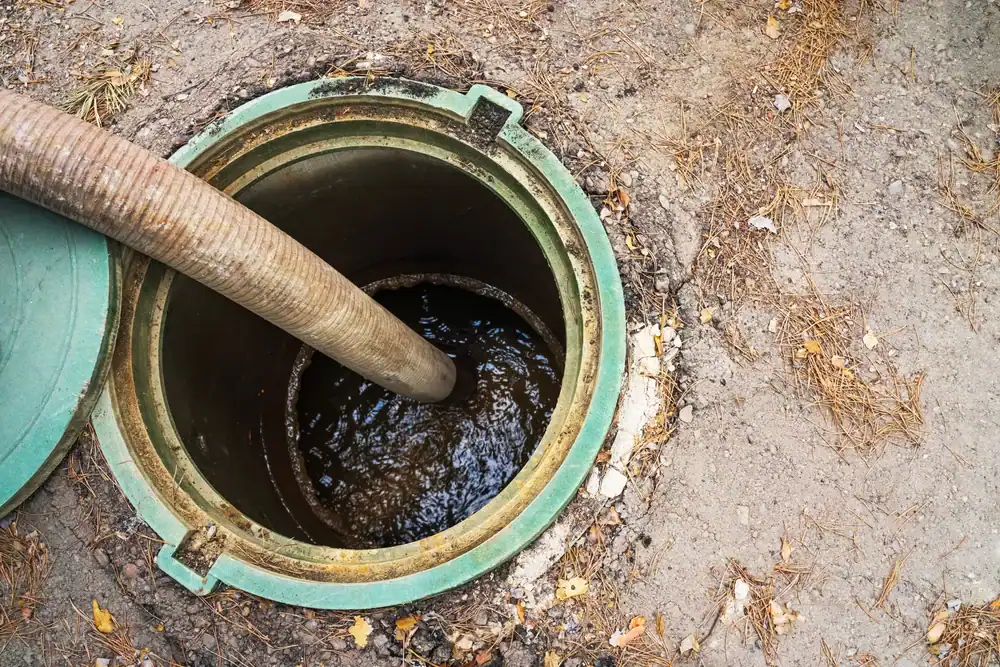
First, we assess your current system. We locate your cesspool, identify where the main waste line runs, and figure out what’s causing the problem. Sometimes it’s a single cracked section. Other times the whole line needs replacement.
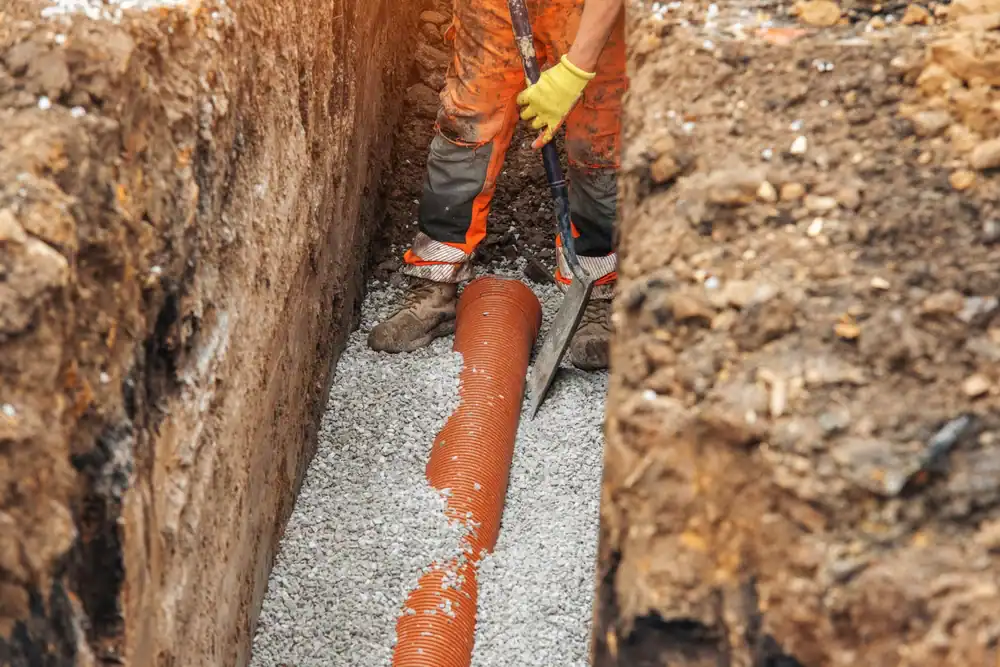
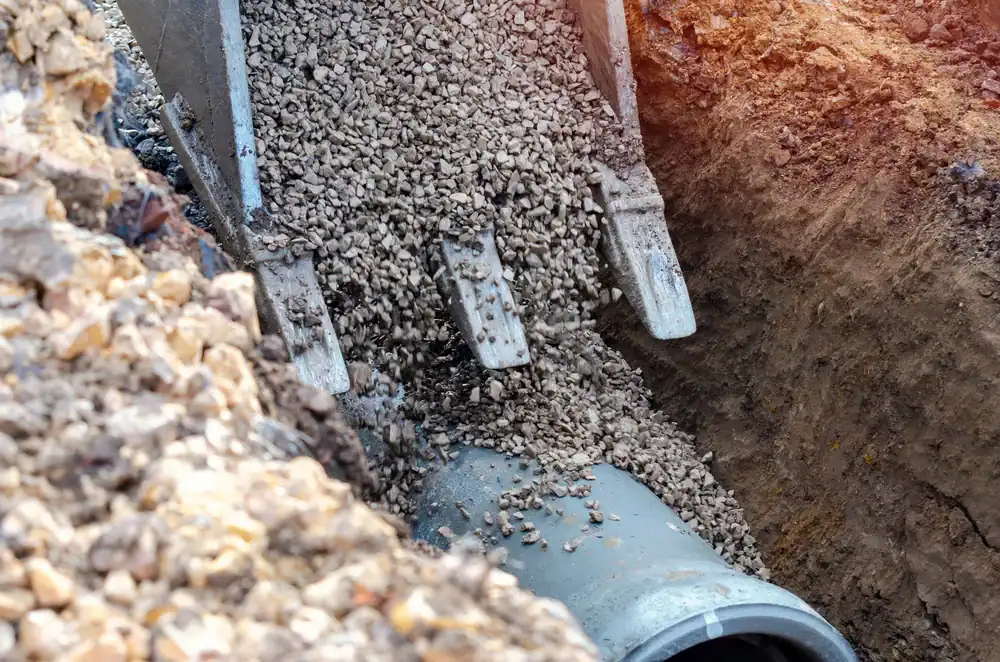
Next comes trenching and excavation. We dig carefully to expose the damaged pipe without tearing up more of your property than necessary. Depending on how deep your line runs and where your cesspool sits, this can take a few hours or most of a day.
Then we install the new line with the correct pipe pitch and slope—typically a quarter-inch drop per foot. This isn’t optional. If the slope’s wrong, waste doesn’t flow properly and you’ll have backups. We make sure every connection is sealed tight so groundwater doesn’t seep in and overload your cesspool.
After the new line’s in place, we test it, backfill the trench, and restore your yard as close to original condition as possible. You’ll know exactly what we did and why.
Ready to get started?
You get a main waste line that’s sized correctly for your household and installed at the right depth to prevent freezing. Orient winters are cold enough to cause problems if pipes aren’t buried below the frost line.
You get proper connections between your home’s plumbing and your cesspool. We don’t use temporary fixes or materials that’ll degrade in a few years. The sewer line to cesspool connection gets done with durable pipe and fittings that handle what Orient’s soil and weather throw at it.
You also get trenching and excavation done by people who know where utility lines run and how to avoid damaging your well, septic tank, or other underground infrastructure. We pull permits when required and make sure everything’s up to code.
Most line change projects in Orient take one to two days depending on distance and site conditions. If we hit ledge rock or groundwater, it might take longer. We’ll tell you upfront what to expect and keep you updated if anything changes.
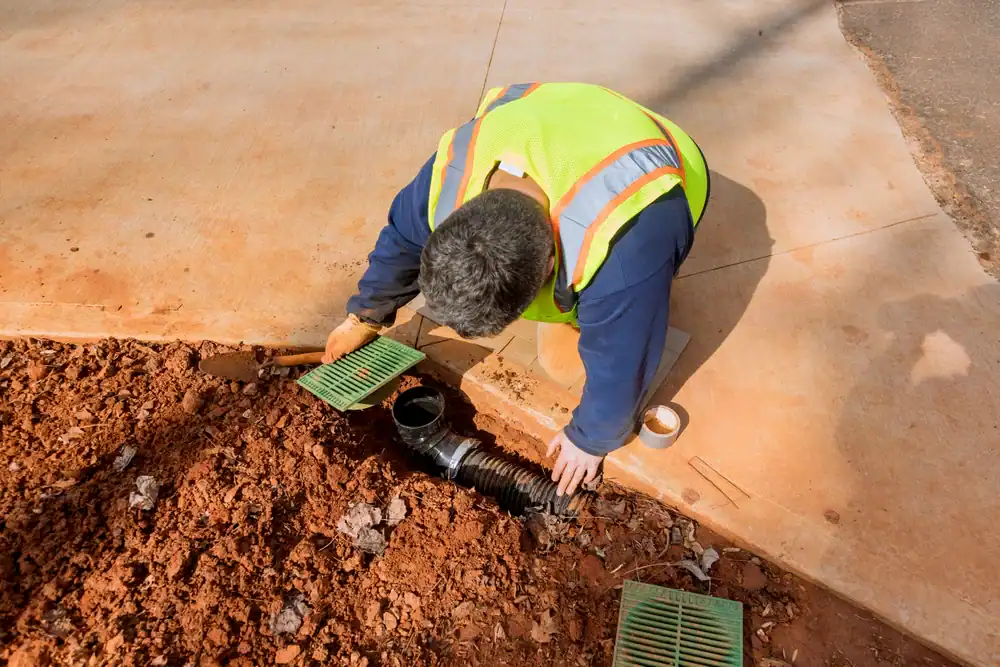
If you’re dealing with repeated backups in the same spot, that’s usually a localized break or root intrusion. We can often fix that with a targeted repair—dig up the damaged section, replace it, and you’re good.
But if your pipes are original to a home built before 1980, and you’re seeing multiple problem areas or chronic slow drainage throughout the house, a full main waste line replacement makes more sense. Cast iron and clay pipes don’t last forever. Once they start failing in multiple spots, you’re better off replacing the whole run than playing whack-a-mole with repairs.
We’ll inspect your system and give you an honest assessment. Sometimes a repair buys you a few more years. Other times it’s throwing money at a system that’s going to keep failing.
Age is the biggest factor. Most older homes in Orient have cast iron or clay sewer lines that have been underground for decades. Cast iron corrodes from the inside out. Clay cracks when the ground shifts or tree roots push through joints.
Orient’s freeze-thaw cycles don’t help. When water gets into cracks and freezes, it expands and makes the damage worse. Over time, sections of pipe collapse or separate completely.
Tree roots are another common culprit. They seek out moisture and will infiltrate any crack or loose joint in your sewer line. Once they’re in, they grow and eventually block the pipe. You’ll notice slow drains or backups, especially during wet seasons when roots are most active.
Most residential line changes in Orient take one to two days. If your cesspool is close to your house and the ground conditions are straightforward, we can often finish in a day.
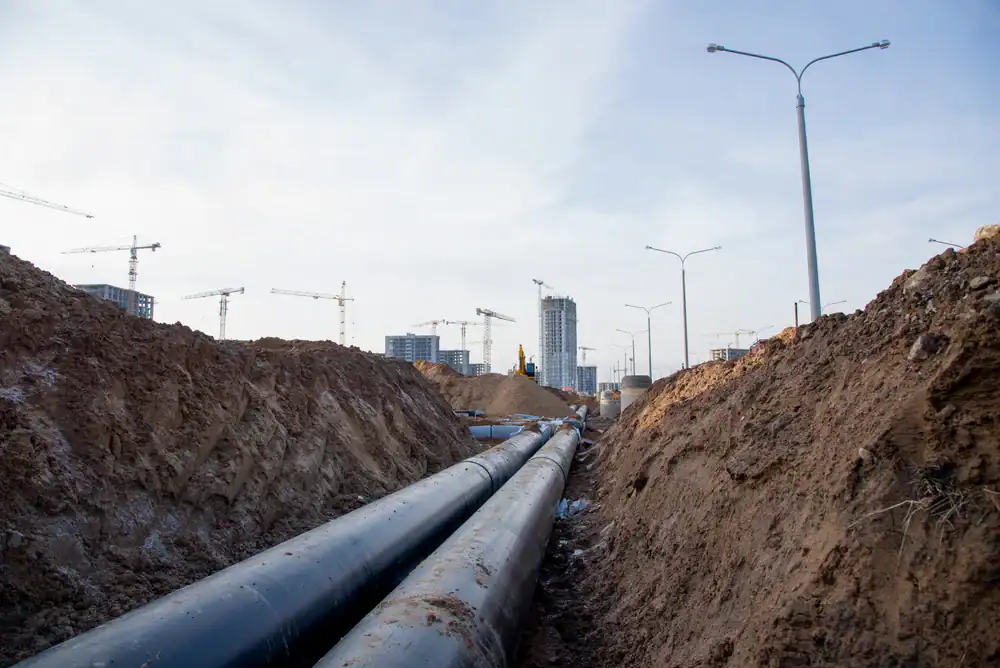
Longer runs—say your cesspool is 75 feet from your house—take more time for trenching and excavation. If we encounter ledge rock, high groundwater, or need to work around existing utilities, that adds time too.
We’ll give you a realistic timeline after we assess your property. Weather can affect the schedule—we’re not digging trenches in frozen ground or during heavy rain. You’ll have full use of your plumbing again as soon as the new line is connected and tested.
We’ll dig a trench from your house to your cesspool, so yes, there will be temporary disruption to your yard. But we minimize the impact by digging only as wide as necessary and routing the trench to avoid landscaping features when possible.
After the new line is installed and the trench is backfilled, we grade the soil and tamp it down. Grass will need to be reseeded or sod replaced in the trench area—that’s on you unless we arrange otherwise upfront.
If you have sprinkler lines, underground utilities, or other infrastructure in the area, let us know before we start. We’ll locate utilities and work carefully to avoid damaging anything that doesn’t need to be disturbed. Most yards recover fully within a growing season.
Gravity moves waste through your sewer line. If the pipe’s too flat, waste doesn’t flow and you get buildup that leads to clogs. If it’s too steep, liquids rush ahead and leave solids behind—same problem, different cause.
The standard is a quarter-inch drop per foot of horizontal run. That’s enough slope to keep everything moving without creating velocity issues. When we install a new main waste line, we use a level and grade the trench correctly before laying pipe.
Older systems in Orient often have sections where the pipe has settled or shifted over time, creating low spots where waste collects. That’s one reason you might be dealing with chronic backups even though the pipe itself isn’t cracked. Replacing the line gives us a chance to correct the slope and eliminate those problem areas for good.
In most cases, yes. Suffolk County and the Town of Southold have regulations around septic and cesspool work, and replacing your main waste line typically requires a permit.
We handle the permit process as part of the job. We know what the local health department requires, and we make sure the work meets code. That protects you if you ever sell the property—buyers and inspectors will want to see that major system work was done legally.
Permit requirements can vary depending on the scope of work and whether you’re also upgrading or relocating your cesspool. We’ll walk you through what’s needed for your specific situation before we start digging.
Other Services we provide in Orient