
Hear from Our Customers
You’re dealing with slow drains that won’t clear, sewage backing up into your home, or a system that’s failed completely. The last thing you need is someone who shows up, digs a trench, and hopes for the best.
When your main waste line gets replaced correctly, water flows the way it should. Your toilets flush without hesitation. Your drains empty fast. You stop worrying about what’s happening underground every time someone takes a shower.
The difference comes down to proper pipe pitch and slope. If your line doesn’t drop at least 1/4 inch per foot, waste sits in the pipe instead of moving toward your cesspool. That’s when backups happen. That’s when you smell sewage in your yard. That’s when a small problem becomes a $10,000 disaster because the whole system needs to be redone.
You get documentation showing your system meets local regulations. You get a line that’s pitched correctly so gravity does the work. You get peace of mind knowing your cesspool connection won’t fail the week after you close on selling your house.
We’ve been handling line changes and cesspool repairs across Nassau County for nearly two decades. We’re not the guys who show up with a shovel and a prayer. We’re licensed, we know the local regulations, and we understand what happens when concrete cesspool walls built in 1965 start to collapse.
Most homes in Oyster Bay were built before modern sewer systems existed. That means your cesspool is likely older than you think, and the pipes connecting to it weren’t always installed with the right slope. We’ve seen it all: lines that were laid flat, connections that leak into the surrounding soil, and trenching jobs done by someone’s cousin who “knew a guy.”
We handle trenching and excavation the right way, whether that means traditional backhoe work or trenchless methods that save your landscaping. We stock the tools and materials needed to finish the job without waiting three weeks for parts. And we give you upfront pricing before we dig, so you know exactly what you’re paying.
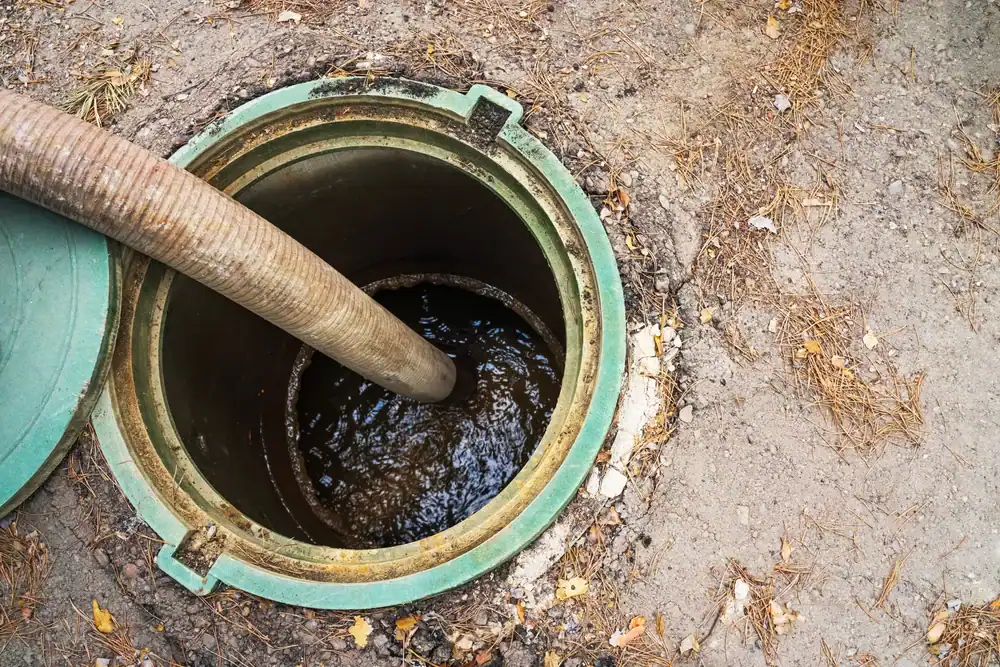
We start with an assessment of your existing sewer line. That means locating where your main waste line runs, checking the depth, and figuring out why it failed. Sometimes it’s root intrusion. Sometimes it’s a pipe that cracked because the ground shifted. Sometimes it’s just age and the fact that concrete doesn’t last forever.
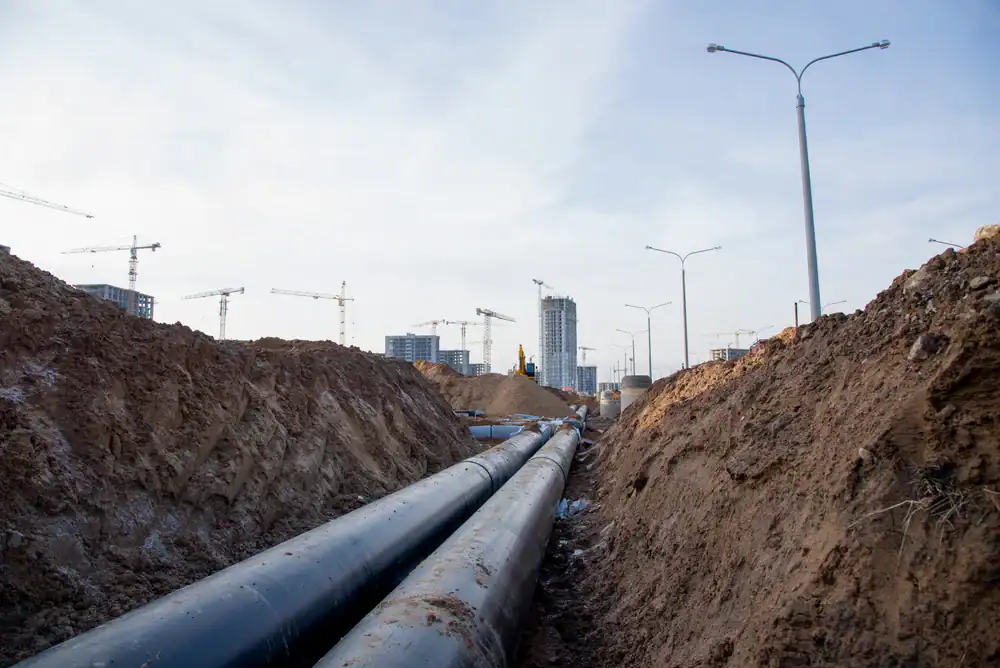
Once we know what we’re dealing with, we map out the excavation. If your line runs under your driveway or through a garden you don’t want destroyed, we talk through options like trenchless repair. If traditional trenching makes more sense, we bring in the right equipment and set up barriers so nobody trips into an open hole.
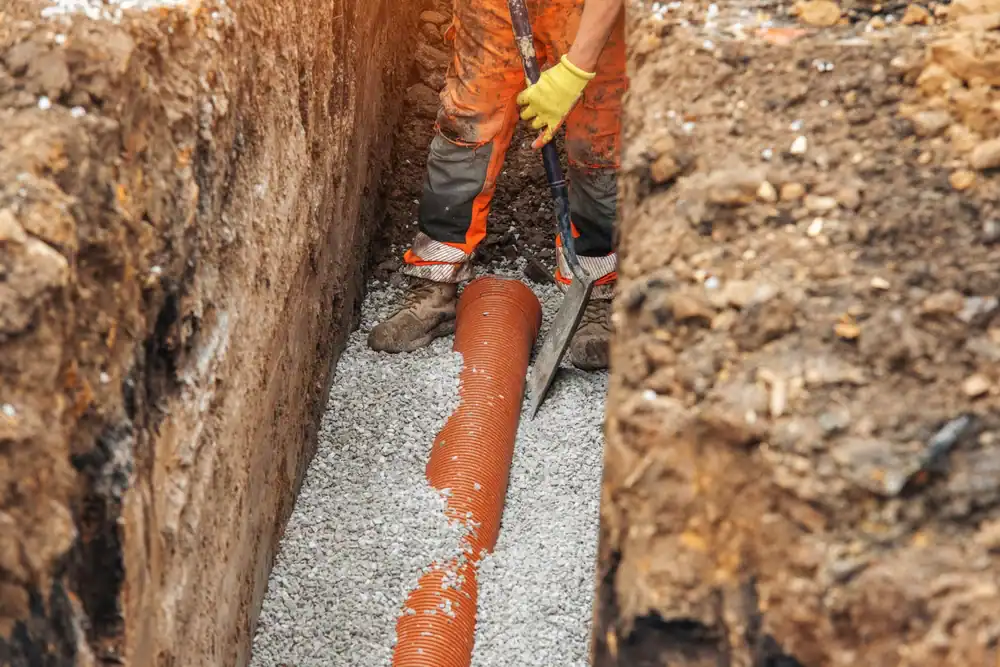
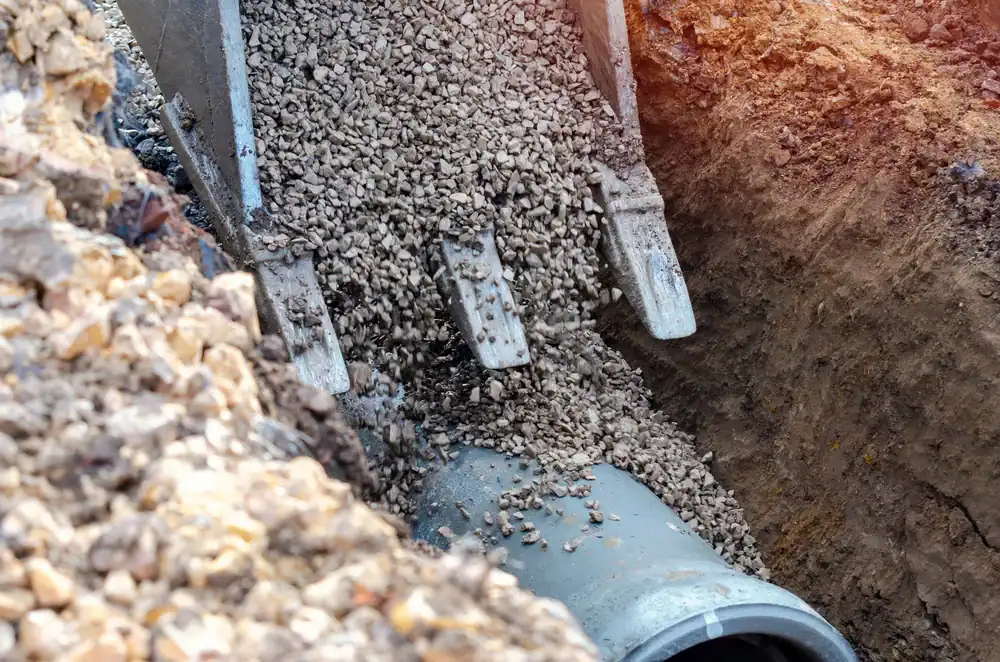
We dig down to the failed section, remove the old pipe, and install new line with the correct pitch. Every foot of pipe drops at least 1/4 inch so waste flows toward your cesspool without sitting in the line. We connect everything to your cesspool inlet, backfill the trench, and compact the soil so you don’t end up with a sunken ditch six months later.
Before we leave, you get documentation showing the work was done to code. That matters when you’re selling your home or pulling permits for a renovation. It also matters because it means the job was done right and you won’t be calling someone else to fix it next year.
Ready to get started?
You get a full system assessment before we dig. We don’t just replace the section that failed and hope the rest holds up. We check for cracks, root damage, and improper slope throughout your main waste line so you’re not dealing with another failure three months from now.
We handle all the excavation work, whether that’s traditional trenching or trenchless methods. In Oyster Bay, soil conditions vary wildly. Some properties have clay that won’t drain. Others have sand that drains too fast. We adjust our approach based on what’s actually in the ground, not what we assume is there.
You get proper pipe pitch installed the first time. That 1/4 inch per foot slope isn’t a suggestion. It’s the difference between a system that works and one that backs up every time you run the washing machine. We use levels and laser guides to make sure every section of new pipe is pitched correctly before we backfill.
We also handle the connection to your cesspool inlet. If that connection is cracked or leaking, we repair or replace it. If your cesspool itself is failing, we’ll tell you that too. Over 360,000 homes on Long Island rely on cesspools, and many of those systems are past their structural lifespan. You deserve to know what you’re working with before you invest in line changes that won’t solve the real problem.
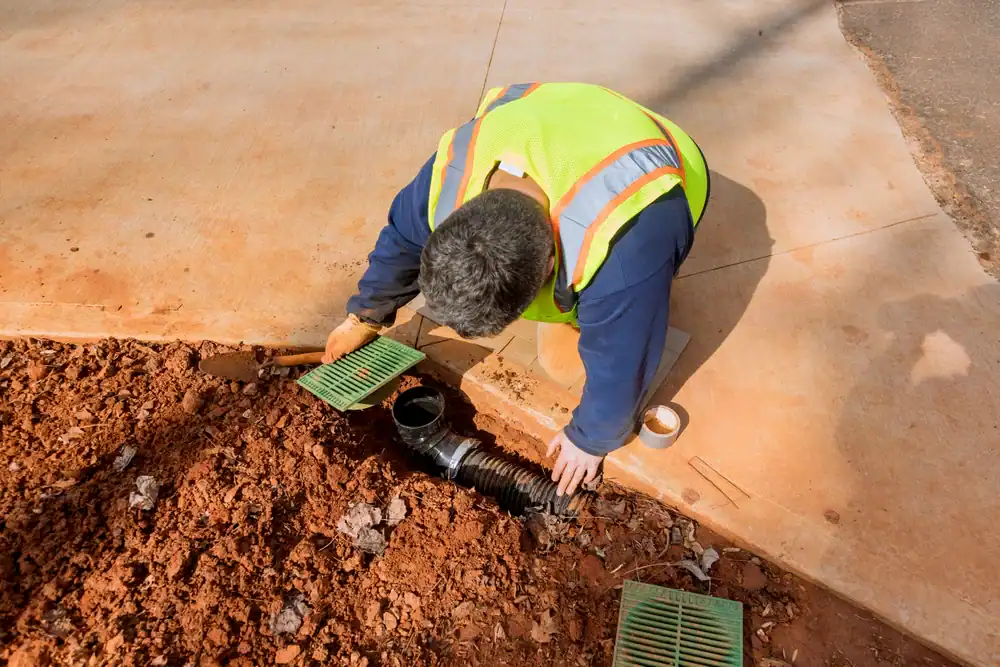
If your main waste line has a small crack or a single damaged section, you might get away with a repair. But if the pipe is old, made of outdated materials like Orangeburg or clay tile, or showing damage in multiple spots, replacing the line makes more sense than patching it and hoping.
Most homes in Oyster Bay were built between the 1950s and 1970s. The pipes installed back then weren’t designed to last 70 years. Concrete deteriorates. Clay cracks when the ground freezes and thaws. Tree roots find their way into any opening and turn a small crack into a collapsed pipe.
We assess the full length of your sewer line before recommending anything. If a repair will actually fix the problem, we’ll tell you that. If you’re looking at a line that’s going to fail again in six months, we’ll tell you that too. The goal is to solve the problem once, not create a situation where you’re calling us back every year because the patch didn’t hold.
The most common cause is improper pipe pitch. If your main waste line doesn’t slope at least 1/4 inch per foot toward your cesspool, waste doesn’t flow. It sits in the pipe, builds up, and eventually backs up into your home. That’s not a clog you can snake out. That’s a design problem that requires line changes to fix.
Root intrusion is another major issue. Trees and shrubs send roots toward any source of water, and your sewer line is full of it. Once roots get into a crack or joint, they grow and expand until the pipe collapses. You’ll notice slow drains, gurgling sounds, or sewage surfacing in your yard before the full backup happens.
Age is the third factor. Cesspools and sewer lines installed before 1970 were built with materials that have exceeded their lifespan. Concrete blocks crack. Clay pipes break. Orangeburg pipe, which was basically tar paper, disintegrates. If your system is more than 50 years old and you’re having problems, the pipe itself is likely the issue, not what’s flowing through it.
Most line changes take one to three days depending on the length of pipe being replaced, the depth of the line, and what’s in the way. If we’re replacing 50 feet of pipe that runs through open yard with no obstacles, that’s a one-day job. If your line runs under a concrete patio or through an area with utility lines we need to work around, it takes longer.
Trenching and excavation is the most time-consuming part. We’re digging down four to six feet in most cases, removing old pipe, and making sure the trench is wide enough to work in safely. Once the trench is open, installing new pipe with the correct slope goes relatively fast. Backfilling and compacting the soil takes another few hours because we’re not just throwing dirt back in the hole. We’re making sure the ground doesn’t settle and leave you with a sunken trench.
You’ll have access to your plumbing throughout most of the job, but there will be a period where you can’t use water while we’re connecting the new line. We’ll let you know exactly when that is so you can plan around it. The goal is to get your system back online as fast as possible without rushing the work and creating problems down the road.
In some cases, yes. Trenchless repair methods let us replace or reline your sewer line without digging a full trench from your house to your cesspool. We create small access points at each end of the damaged section and either pull new pipe through or install a liner inside the existing pipe. Your lawn, driveway, and landscaping stay intact.
Trenchless methods work best when the existing pipe hasn’t completely collapsed and there’s a clear path from one access point to the other. If your line has multiple breaks, severe root intrusion, or sections that have caved in, traditional trenching is usually the better option. It costs less, gives us full access to inspect and repair everything, and doesn’t require specialized equipment that adds to your bill.
We assess your situation and give you options. If trenchless makes sense and saves you the cost of re-landscaping, we’ll recommend it. If traditional excavation is more practical, we’ll explain why. Either way, you’re getting a solution based on what actually works for your property, not what’s easiest for us.
Yes, in most cases. Nassau County requires permits for any work that involves excavation and connection to your cesspool or septic system. The permit process ensures the work meets local codes, the pipe is installed with proper slope, and everything is documented for future property transfers.
We handle the permit process as part of the job. That includes submitting plans, coordinating inspections, and making sure everything is signed off before we consider the work complete. You don’t need to visit Town Hall or figure out which forms to fill out. We do that.
Having proper documentation matters more than most homeowners realize. If you sell your house, the buyer’s inspector will ask for records showing your cesspool and sewer lines are up to code. If you’re doing a renovation that requires permits, the building department will want to see that your waste system can handle additional load. If you skip permits and something goes wrong, you’re liable. It’s not worth the risk, and it’s not something we cut corners on.
Cost depends on how much pipe needs to be replaced, how deep your line runs, and what obstacles we’re working around. Replacing 30 feet of pipe in open ground costs less than replacing 100 feet that runs under a driveway. Trenchless methods cost more upfront but save you the expense of repairing landscaping afterward.
We give you upfront pricing before we start digging. That means a detailed estimate that breaks down labor, materials, permits, and any additional work like repairing your cesspool connection. You know what you’re paying before we bring equipment to your property. No surprise charges, no “we found something else wrong” upsells unless there’s genuinely a problem we couldn’t see until we opened the ground.
Most line changes in Oyster Bay run between $3,000 and $8,000 depending on scope. That’s significantly less than replacing your entire cesspool, which can hit $15,000 or more. If your cesspool itself is failing, we’ll tell you that upfront so you can make an informed decision about where to invest your money. The goal is to fix what’s broken without spending more than necessary.
Other Services we provide in Oyster Bay