
Hear from Our Customers
You stop making those daily calculations about water usage. No more choosing between a shower and doing laundry. No more wondering if flushing the toilet will be the thing that finally backs everything up into your basement.
When your main waste line replacement is done correctly, with proper pipe pitch and slope, water moves where it’s supposed to go. Every time. You’re not rationing showers or using paper plates to avoid washing dishes.
The stress lifts. You can have guests over without worrying about your system failing at the worst possible moment. That’s what functional plumbing gives you back—the ability to live normally in your own home without constant anxiety about what’s happening underground.
We’ve been handling line changes and cesspool work on Long Island for over four generations. That’s not marketing talk—it means we’ve seen every type of soil condition, every configuration of old pipe, and every way a system can fail in Patchogue.
Patchogue started its cesspool eradication plan back in 1998, which means properties here have been transitioning between systems for decades. We’ve done the work through all of it. We know how sandy soil affects drainage in this area. We know which connections hold up and which ones don’t.
When you call, you’re getting Tommy and a crew that’s been doing this longer than most companies have existed. Licensed, insured, and available 24/7 when emergencies happen—because they do.
First, we assess what’s actually failing. That means looking at your existing sewer line to cesspool connection, checking pipe pitch, and figuring out where the problem starts. No guessing.
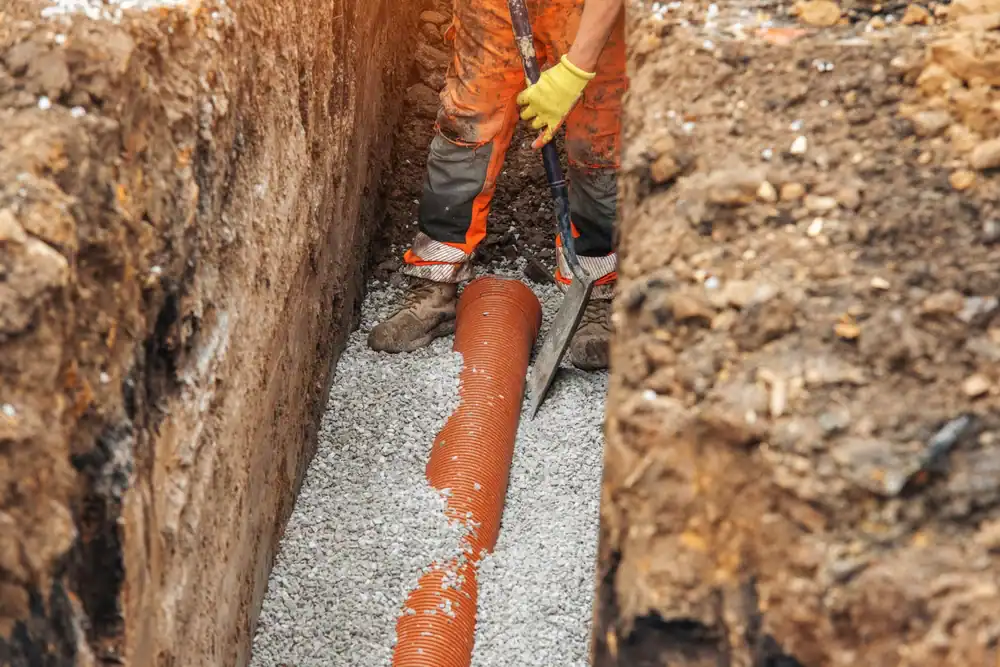
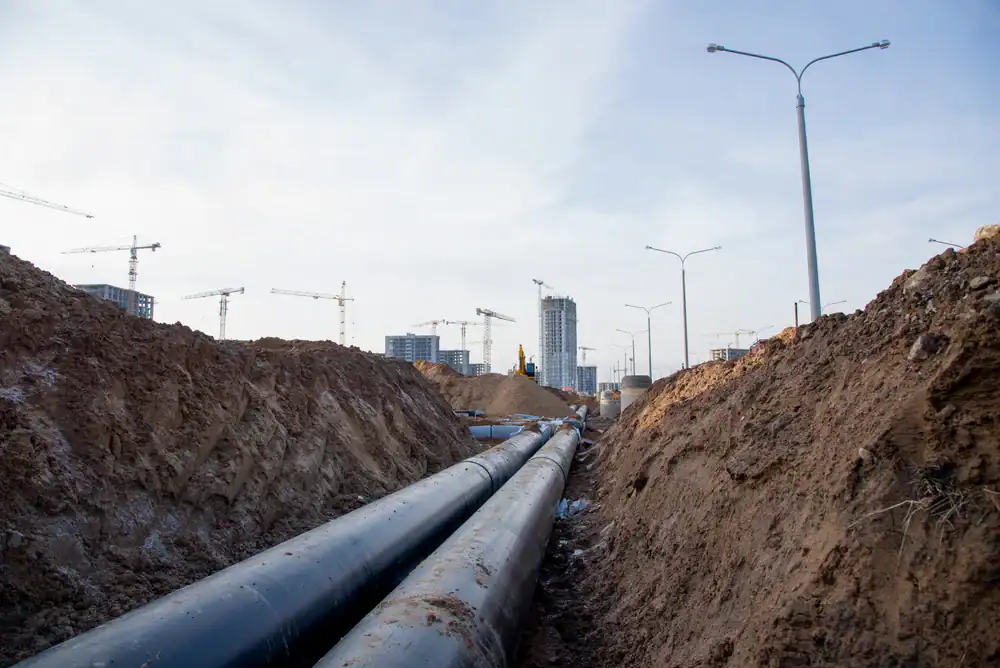
Then comes trenching and excavation. We dig where we need to dig, expose the damaged sections, and get a clear view of what needs replacing. If your main waste line is cracked, corroded, or installed at the wrong slope, we’ll see it and explain exactly what you’re looking at.
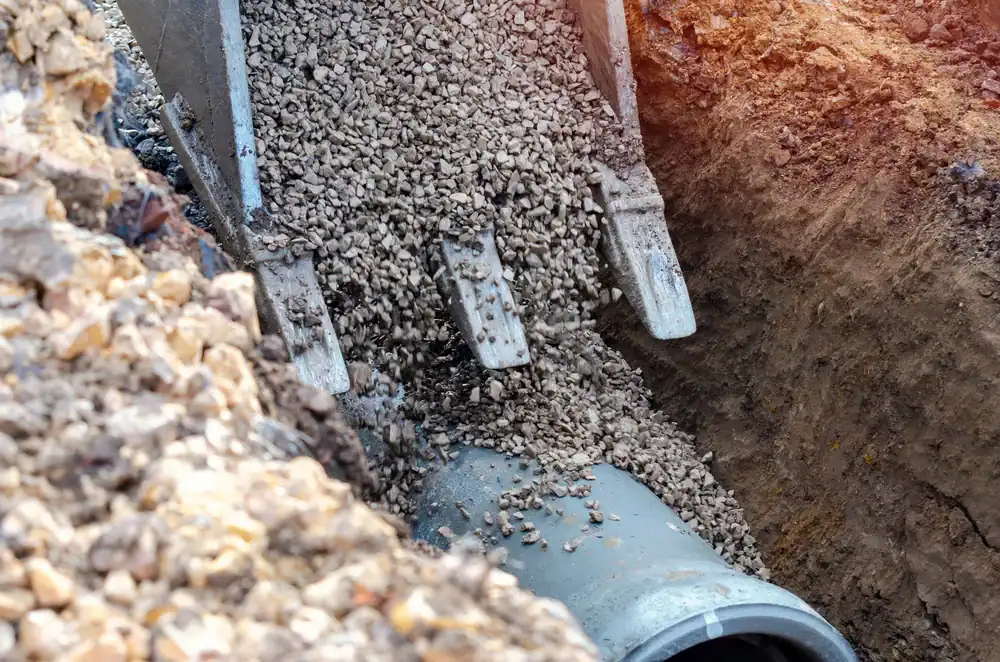
The replacement happens next. We install new pipe at the correct pitch so gravity does its job. Connections get sealed properly. Everything gets tested before we backfill. You’re not discovering leaks three months later because someone rushed the install.
Finally, we handle cleanup and any required inspections. Your yard gets restored. The job gets signed off. You get back to using water without thinking about it.
Ready to get started?
Line changes cover the full scope of getting your waste lines functional again. That includes main waste line replacement when pipes crack or collapse. It includes fixing or replacing your sewer line to cesspool connection when that junction fails. It includes correcting pipe pitch and slope issues that cause chronic backups.
In Patchogue’s high groundwater areas, failure rates have gone up significantly. Systems that worked fine for years suddenly can’t handle normal household water use. That’s not your imagination—it’s what happens when water tables rise and old pipes deteriorate.
We handle the trenching and excavation required to access buried lines. We replace damaged sections. We make sure new installations meet current code requirements, which matter when you’re dealing with Suffolk County inspections and environmental regulations.
You also get someone who understands Patchogue’s transition away from cesspools. Whether you’re connecting to a newer system, abandoning an old cesspool, or dealing with ATS unit requirements, we’ve done hundreds of these jobs locally. We know what works here because we’ve been doing it here for decades.
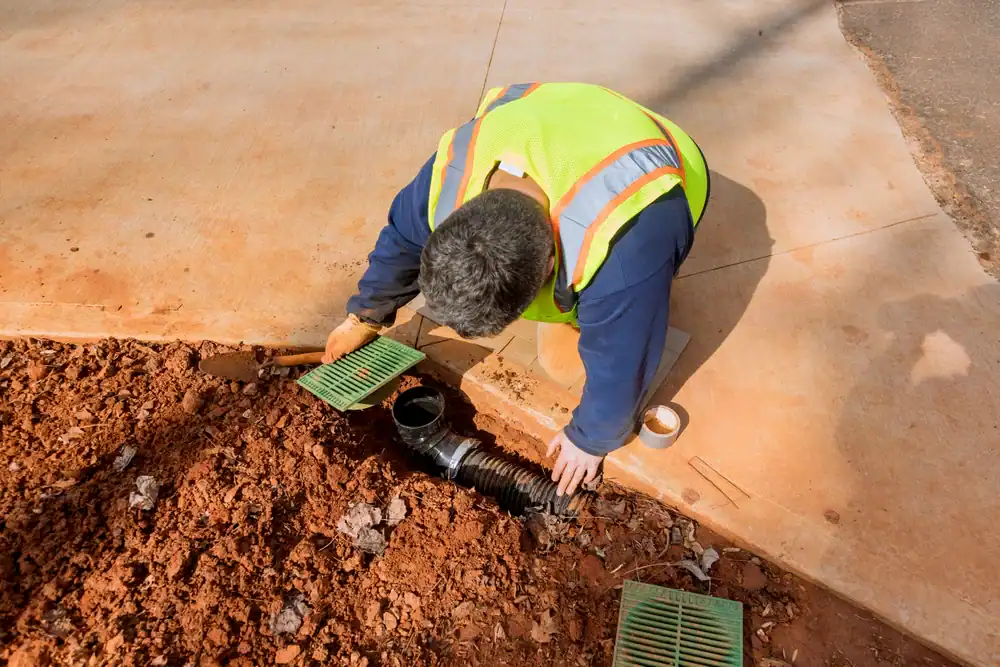
If you’re dealing with repeated backups even after pumping, that usually points to a line problem, not just a full tank. If water drains slowly throughout your house, or if you’re seeing soggy spots in your yard where the line runs, those are signs the pipe itself is compromised.
A single crack or small section of damage might only need a repair. But if the pipe is old cast iron or clay tile that’s deteriorating in multiple spots, replacing the full line prevents you from paying for repairs every few months. We’ll dig down, look at what you’ve got, and tell you honestly whether a patch job will hold or if you’re throwing money at a failing system.
Most main waste lines in older Patchogue homes weren’t installed with the pipe pitch standards we use now. If your line was put in 40+ years ago and it’s showing problems, replacement usually makes more sense than trying to salvage it.
Patchogue sits in a high groundwater area, which puts constant pressure on underground pipes and cesspool systems. When water tables rise, they can infiltrate cracked pipes, collapse weakened sections, and overwhelm systems that were already marginal.
The soil here is sandy, which shifts more than clay or rock. That movement stresses rigid pipes over time, especially older materials like cast iron that corrode or clay tile that cracks. Roots also penetrate easier in sandy soil, working their way into any small opening in your sewer line.
Add in the fact that many properties here have been transitioning between cesspool systems, alternative treatment systems, and sewer connections since the late 1990s, and you’ve got a lot of older infrastructure that’s simply reached the end of its lifespan. It’s not that the original work was bad—it’s that nothing lasts forever, and Patchogue’s conditions are harder on underground pipes than drier, more stable areas.
Most residential line changes take one to three days depending on how much pipe needs replacing and what we run into underground. If we’re replacing a straight run from your house to the cesspool and the ground conditions are normal, that’s usually a one or two-day job.
Complications add time. If we hit unexpected ledge rock, if there are other utilities in the way that need careful work around them, or if we’re dealing with a complex connection to an ATS unit, that pushes into day three or beyond. We’ll know more once we start excavation, and we’ll tell you if something’s going to take longer before we proceed.
Emergency repairs move faster because we’re focused on getting you functional again, even if that means a temporary fix followed by a permanent solution. The goal is always to minimize how long you’re without working plumbing, but we’re not going to rush the install and leave you with a problem that resurfaces in six months.
Yes, line changes typically require permits in Patchogue, especially if you’re doing main waste line replacement or modifying your connection to a cesspool or sewer system. Suffolk County has specific requirements for wastewater work, and inspections are part of the process.
We handle permit acquisition as part of the job. You’re not figuring out which forms to file or which department to call. We know what’s required, we submit the paperwork, and we schedule inspections when the work is ready to be signed off.
Trying to skip permits creates problems down the road—when you sell your property, when you need other work done, or if there’s ever an issue with your system. Inspectors aren’t there to make your life difficult; they’re making sure work meets code so you don’t have a failure that contaminates groundwater or causes a bigger problem later. We build that into every job because it’s the right way to do it.
A sewer line to cesspool connection means your waste water flows from your house into an underground tank where solids settle and liquids leach into the surrounding soil. A sewer line connection means your waste goes into a municipal sewer system that carries it to a treatment plant.
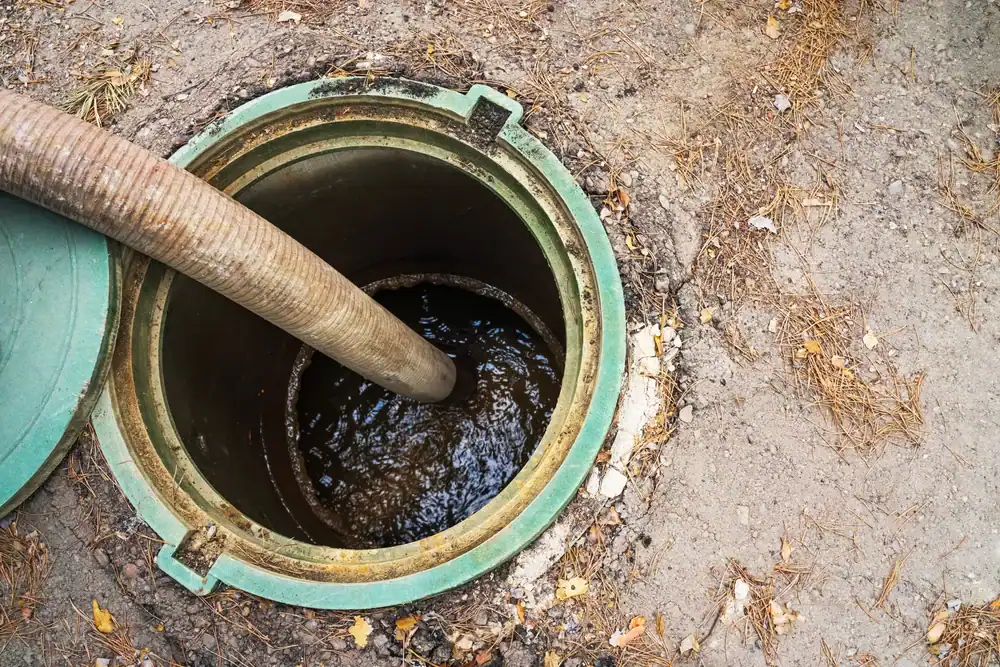
Cesspools require regular pumping because they fill up. How often depends on your household size and water usage, but most residential systems need pumping every two to three years. If your cesspool is in a high groundwater area or the soil doesn’t drain well, you might need it more often.
Sewer connections eliminate the need for pumping, but they come with monthly sewer fees and require your line to connect to the municipal system at the right depth and grade. In Patchogue, many properties are still transitioning from cesspools to sewer as infrastructure expands. If that option becomes available on your street, switching usually makes sense long-term, but the upfront cost of running a new line to the street connection can be significant. We can walk you through what makes sense for your specific property and situation.
Line change costs depend on how much pipe needs replacing, how deep we need to dig, what we’re connecting to, and what we encounter underground. A straightforward 50-foot main waste line replacement might run a few thousand dollars. A complex job involving deep excavation, ledge rock, or a full connection from your house to a street sewer line can run significantly more.
We don’t give ballpark numbers over the phone because too many variables affect the final cost. Soil conditions, depth to your existing line, distance from house to connection point, permit fees, and whether we hit complications during excavation all matter. What we do is come out, assess your specific situation, and give you a clear price before we start.
What you won’t get from us is a low estimate that balloons once we’re halfway through the job. When we give you a number, that’s what you pay unless you approve additional work. We’ve been doing this long enough to know what jobs actually cost, and our reputation depends on being straight with people about pricing from the start.
Other Services we provide in Patchogue