
Hear from Our Customers
A correctly installed waste line means your system drains like it should. No slow drains backing up during dinner. No sewage surfacing in your yard when it rains. No emergency calls on Saturday morning because everything’s pooling where it shouldn’t.
The difference comes down to pitch and slope. A quarter-inch drop per foot keeps waste moving through the line without settling or clogging. Get that wrong and you’re looking at repeated backups, pipe failure, and eventually a full excavation to fix what should’ve been done right initially.
You also avoid the nightmare of a failed inspection during a home sale. Buyers walk or negotiate hard when they see drainage issues. A proper line change now protects your property value and keeps transactions moving.
We’ve been handling cesspool and waste line work in Peconic and throughout Suffolk County for nearly two decades. We’re a four-generation family business, and we’re the only company on Long Island that manufactures and fabricates our own cesspools—we even supply our competitors.
That means faster service for you. No waiting on subcontractors or outside suppliers. We handle trenching, excavation, pipe installation, and cesspool connections with our own crew and equipment.
Peconic properties come with their own challenges—sandy soil, high water tables, older systems that weren’t built to today’s standards. We’ve worked on enough homes here to know what holds up and what doesn’t.
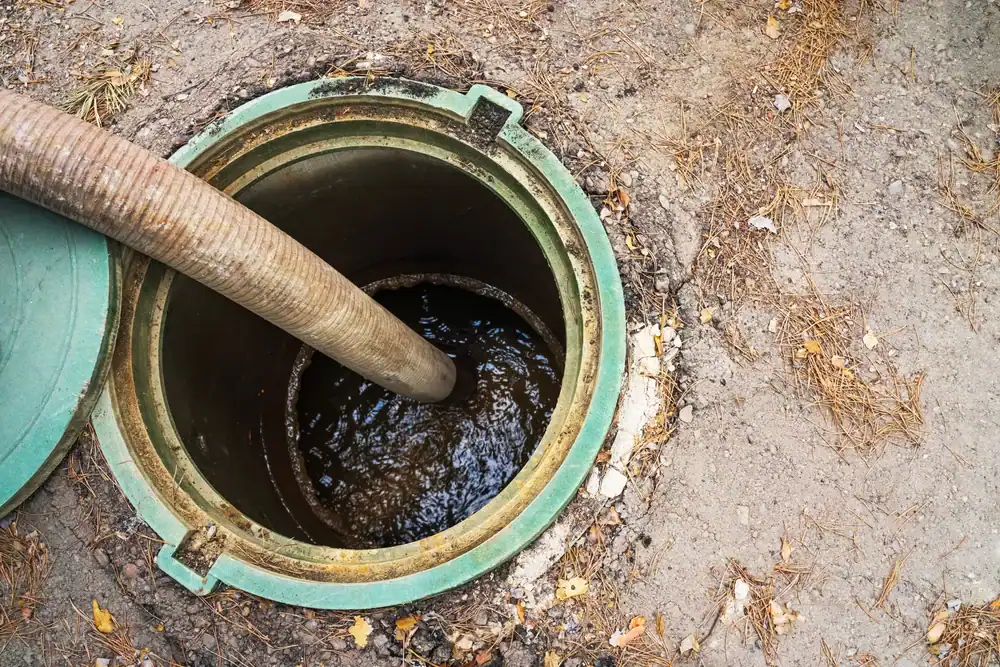
First, we assess the existing line. Where’s it failing? Is the pitch off? Are there root intrusions, collapses, or just age-related deterioration? We use video inspection equipment when needed to see exactly what’s happening underground.
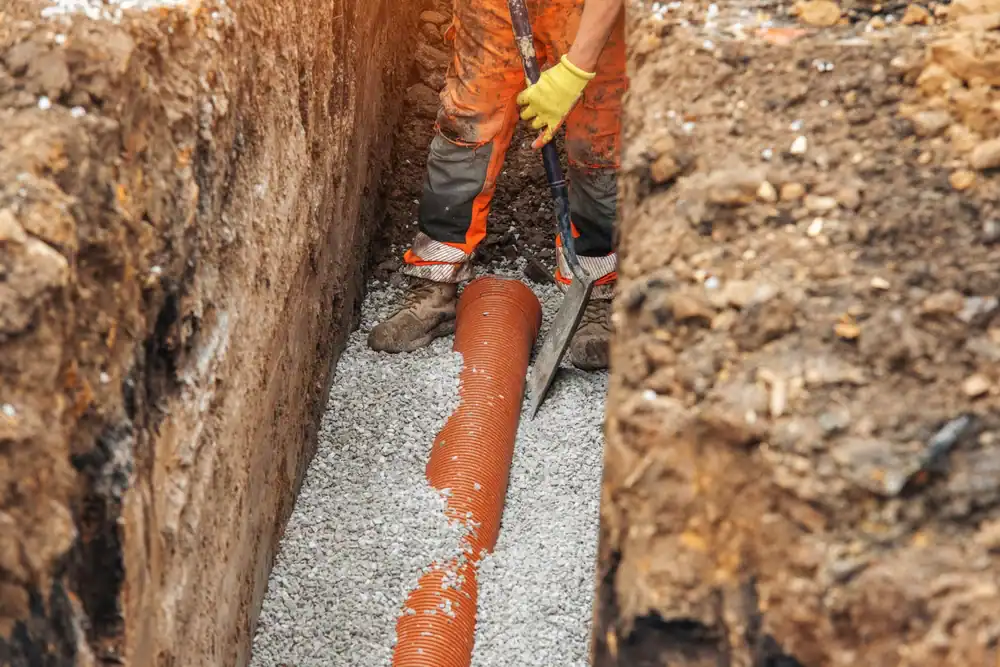
Next comes excavation and trenching. We dig down to expose the damaged section—or the entire run if that’s what the job requires. Depth matters here because we need to maintain proper slope from your home to the cesspool and avoid hitting utility lines.
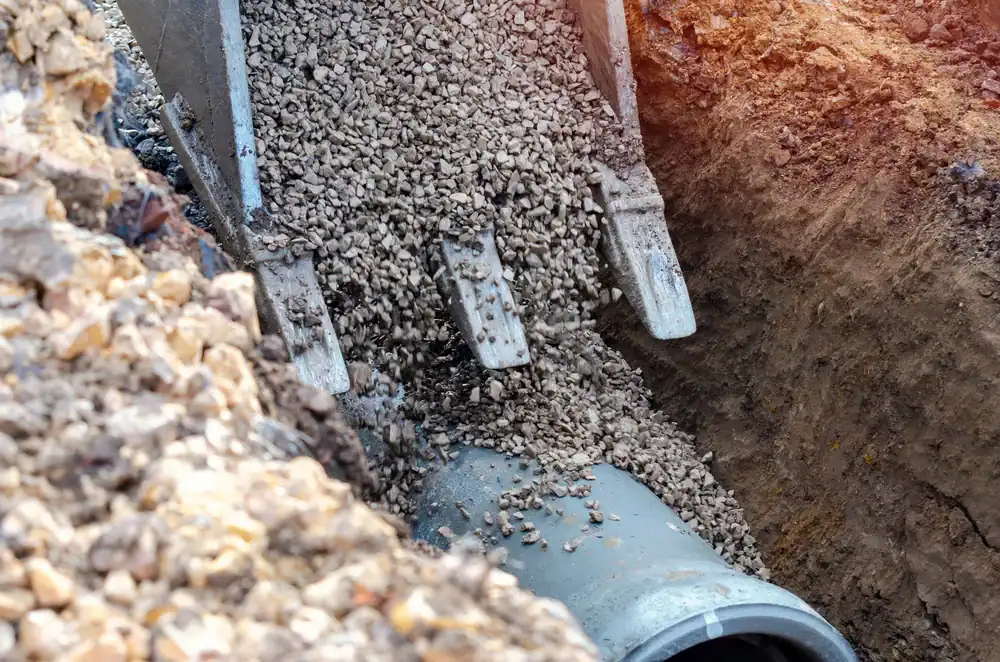
Then we install the new pipe with the correct pitch. Every connection gets sealed watertight. We backfill carefully to avoid settling or future sagging. Before we’re done, everything gets tested to make sure it drains correctly and meets Suffolk County requirements.
You’re left with a waste line that does its job without drama.
Ready to get started?
A complete line change includes excavation, removal of the old pipe, installation of new piping with proper slope, watertight connections to your cesspool, backfill, and site cleanup. We handle permits and make sure the work meets local code.
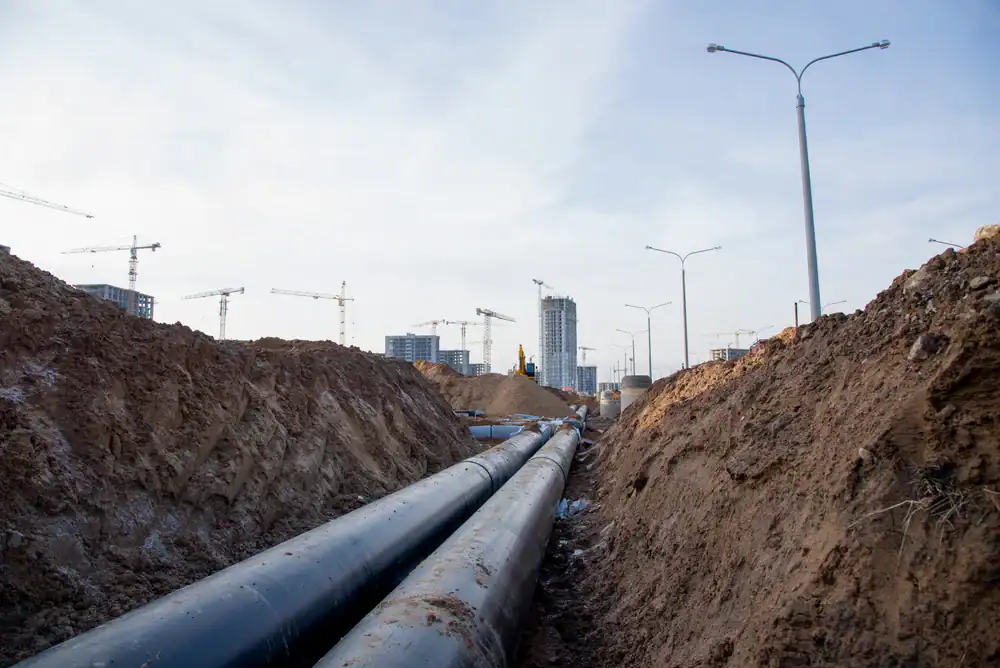
In Peconic, most line changes involve replacing the main waste line running from your house to the cesspool. Depending on your property, that could be 30 feet or 100-plus feet of trenching and pipe installation. Soil conditions here—mostly sand—actually make excavation easier, but it also means we need to be careful with trench stability and backfill compaction.
We also coordinate with your existing system. If your cesspool is near capacity or showing signs of failure, we’ll let you know before we connect new lines to it. There’s no point in running new pipe to a cesspool that’s about to fail. That just means you’re paying twice.
Suffolk County regulations have tightened over the past few years, especially around nitrogen reduction and system upgrades. We stay current on what’s required so your line change doesn’t create compliance issues down the road.
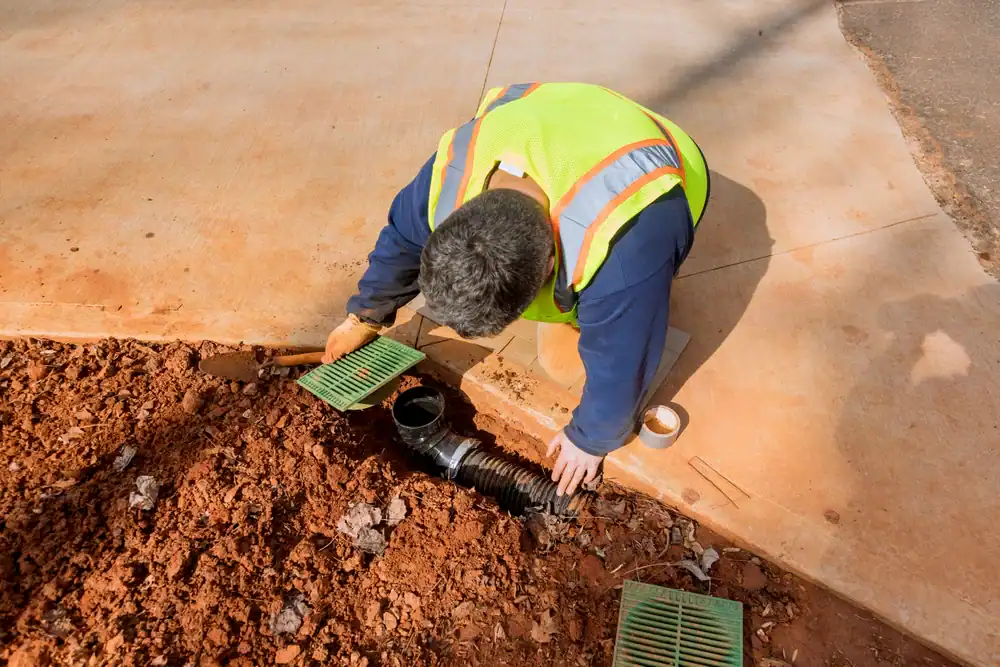
If you’re dealing with a single crack or a small section of damaged pipe, a repair might handle it. But if the line is old cast iron or clay that’s deteriorating in multiple spots, or if the pitch is wrong and causing chronic backups, a full line change makes more sense.
Patchwork repairs on a failing line usually buy you a year or two before the next section goes. You end up paying for multiple service calls and excavations instead of fixing it once. We’ll inspect the line and tell you honestly whether a repair will hold or if you’re better off replacing the whole run.
Age is a big factor. If your waste line is 40-plus years old and you’re seeing problems, it’s likely the entire pipe is compromised. Replacing it now prevents the headache of repeated failures.
Most failures come down to age, improper installation, or root intrusion. Older pipes—especially cast iron and clay—corrode or crack over time. Tree roots seek out moisture and work their way into joints and cracks, eventually blocking or breaking the line.
Improper pitch is another common issue. If the line doesn’t slope correctly, waste settles instead of flowing. That leads to clogs, backups, and eventually pipe damage from constant pressure and standing water.
Ground movement can also shift pipes over time, especially in areas with sandy soil like Peconic. Settling, frost heave, or even heavy equipment driving over the line can knock things out of alignment. Once the pitch is off, problems start.
Most residential line changes take one to three days depending on the length of the run, soil conditions, and whether we hit any surprises underground. A straightforward 50-foot line replacement on accessible property with no complications usually wraps up in a day.
Longer runs, difficult access, or unexpected issues—like hitting ledge or needing to relocate utility lines—can extend the timeline. We’ll give you a realistic estimate once we see the site and know what we’re working with.
Weather can also be a factor. Heavy rain turns trenches into mud pits and makes backfill nearly impossible. We’d rather wait a day for conditions to improve than rush a job and compromise the installation.
We excavate where the line runs, so yes, there will be disruption. But we keep the trench as narrow as possible and restore the site after backfilling. If the line runs under a driveway or patio, we’ll need to remove that section and then repour or repave once the pipe is in.
Most Peconic properties have the waste line running through the yard, which is easier to restore. We’ll reseed or lay sod over the trench after compacting the backfill. It takes a few weeks for grass to fill back in, but the area will recover.
If you have landscaping or hardscaping in the way, we’ll work around it where possible. Sometimes there’s no avoiding removal, but we’ll discuss that upfront so there are no surprises.
Yes, Suffolk County requires permits for waste line work. We handle the permit process as part of the job. The county wants to make sure the installation meets code—proper depth, correct pitch, watertight connections, and compliance with current regulations.
Permit requirements have gotten stricter in recent years, especially around environmental protection and nitrogen reduction. If your property is in a sensitive area or near water, there may be additional requirements. We stay on top of those changes so your project doesn’t get held up.
Inspections are part of the process. A county inspector will check the work before we backfill to confirm everything’s installed correctly. That protects you as the homeowner and ensures the system will function as intended.
If we find that your cesspool is failing or near capacity while we’re doing the line change, we’ll let you know immediately. There’s no benefit to connecting new pipe to a cesspool that’s about to fail. You’d just be paying for the same excavation twice.
In some cases, it makes sense to address both at once—replace the line and upgrade or replace the cesspool in a single project. That saves you money on mobilization, equipment, and labor. It also means your yard only gets torn up once instead of twice.
We’ll assess the cesspool’s condition and give you options. If it’s still functioning well, we’ll connect the new line and you’re done. If it needs attention, we’ll explain what’s required and what it will cost so you can make an informed decision.
Other Services we provide in Peconic