
Hear from Our Customers
Your drains empty fast. Your toilets flush without hesitation. There’s no sewage smell creeping into your basement or pooling in your yard.
That’s what proper line changes give you. Not just a temporary patch, but a real fix that handles the volume your household puts through the system every single day.
Most homes in Pine Aire built between the 1950s and 1980s are running on galvanized steel pipes that were only designed to last 40 to 50 years. Rust builds up inside, the diameter shrinks, and eventually you’re dealing with backups, slow drains, or worse. When that happens, you’re not looking at a simple pump-out. You’re looking at trenching, excavation, and a full main waste line replacement to restore proper flow from your house to your cesspool.
The difference between a quick repair and a $25,000 system replacement often comes down to catching the problem early and working with someone who knows how to assess pipe pitch, slope, and connection integrity before things get worse.
We’ve been handling line changes, pipe replacements, and cesspool connections across Pine Aire and the rest of Suffolk County for years. We’re licensed, insured, and we show up with the equipment to do the job without guessing.
Most of our work comes from referrals. That doesn’t happen by accident. It happens because we give you upfront pricing, we don’t upsell you into services you don’t need, and we finish the job so your system works the way it’s supposed to.
We know the soil conditions here. We know how Long Island’s salt air and shifting sand affect underground lines. And we know Suffolk County’s regulations inside and out, which matters more than most people realize when you’re replacing anything connected to a cesspool.
First, we assess the problem. That means locating the failure point, checking the condition of your existing sewer line to cesspool connection, and figuring out whether you need a section replaced or a full line change from the house to the tank.
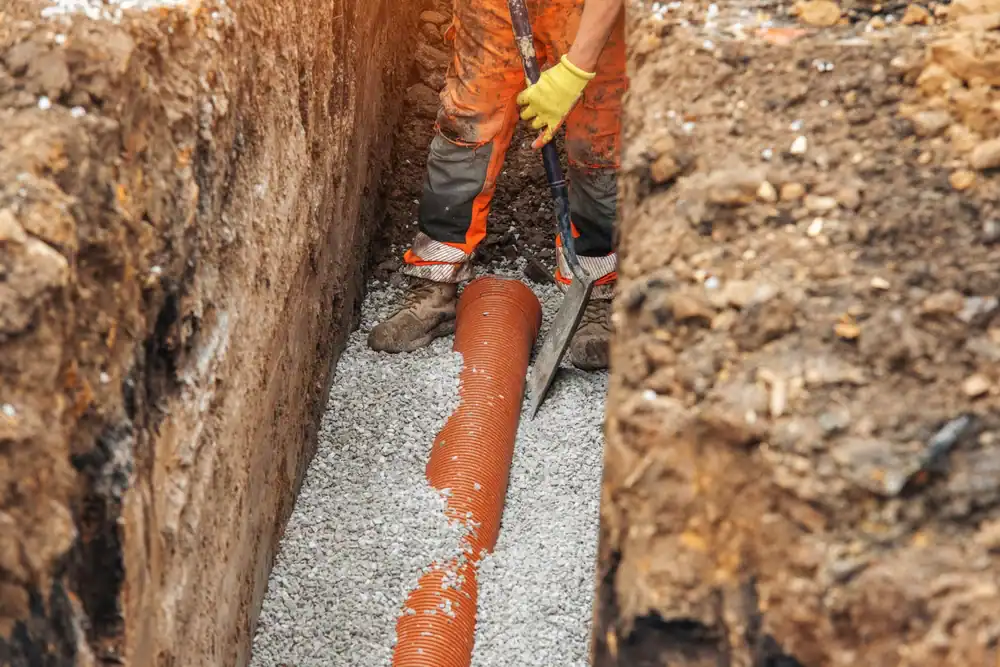
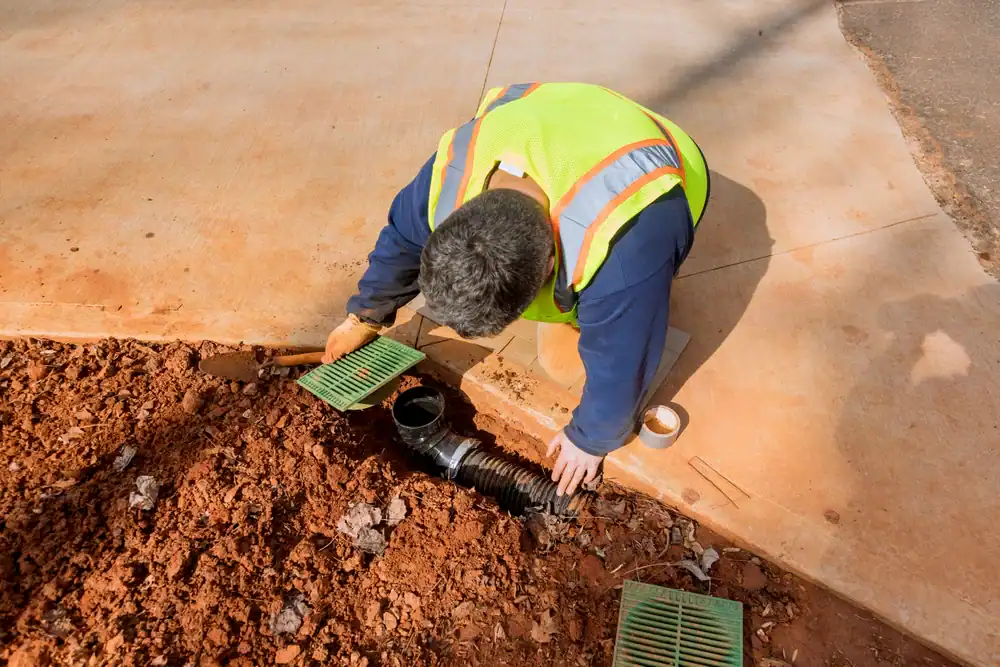
Next comes trenching and excavation. We dig down to expose the damaged pipe, remove the old line, and prep the trench for the new installation. This is where pipe pitch and slope matter. If the grade isn’t right, waste won’t flow properly no matter how new the pipe is.
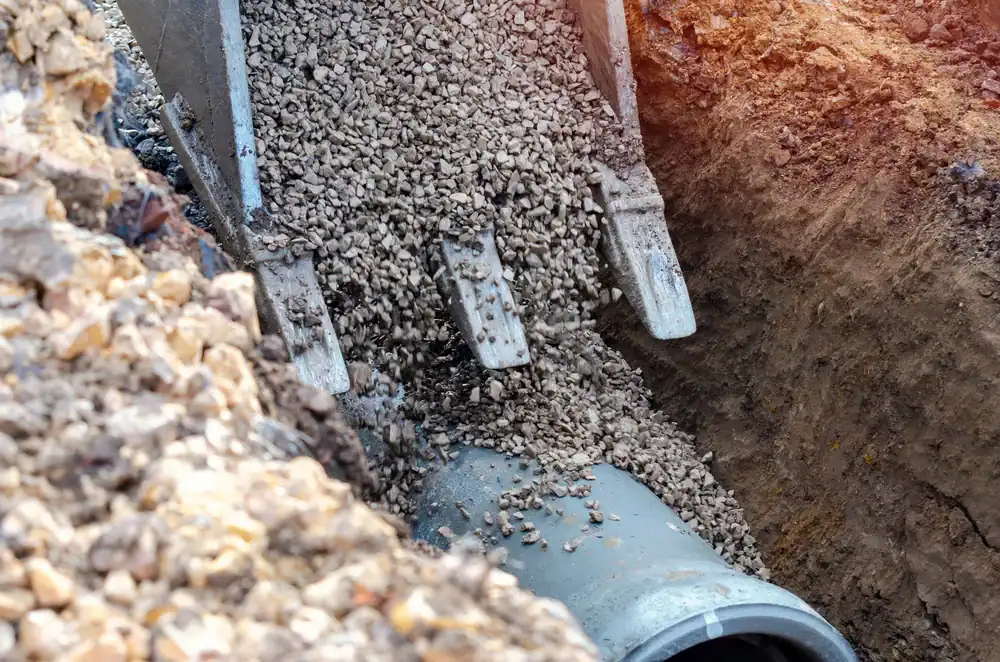
Then we install the new line. We use durable materials designed to handle Long Island’s soil conditions and connect everything so it’s sealed, graded correctly, and built to last. Once the line is in, we backfill, compact, and restore your yard as close to original condition as possible.
Finally, we test the system. We run water, check for leaks, and make sure everything drains the way it should before we leave. You’ll know the job is done right because your drains will work like they haven’t in years.
Ready to get started?
Most line failures in Pine Aire come from old galvanized pipes that have rusted from the inside out. You’ll notice slow drains first. Then gurgling sounds. Then backups that don’t clear even after pumping.
That’s because the problem isn’t in your tank. It’s in the line connecting your house to your cesspool. When pipes corrode, crack, or collapse, waste can’t flow. It backs up into your home, pools in your yard, or creates health hazards you don’t want anywhere near your family.
About 75% of homes in Suffolk County use cesspool systems, and a huge percentage of those are sitting on aging infrastructure. If your house was built before 1980 and you’ve never replaced your waste lines, you’re on borrowed time. The pipes don’t get better with age.
We handle everything from small section repairs to complete main waste line replacements. We pull permits when required, we work with Suffolk County regulations, and we make sure your new line is installed with the correct slope so gravity does its job. That’s not optional. That’s how the system works.
And if your yard is a mess after trenching, we don’t just leave it. We backfill properly, compact the soil, and get your property back to a usable state. This isn’t cosmetic work. It’s infrastructure. But that doesn’t mean we trash your lawn in the process.
If your drains are slow, your toilets won’t flush, or you’re seeing sewage back up into your house even after a recent pump-out, the problem is likely in your waste line, not your tank.
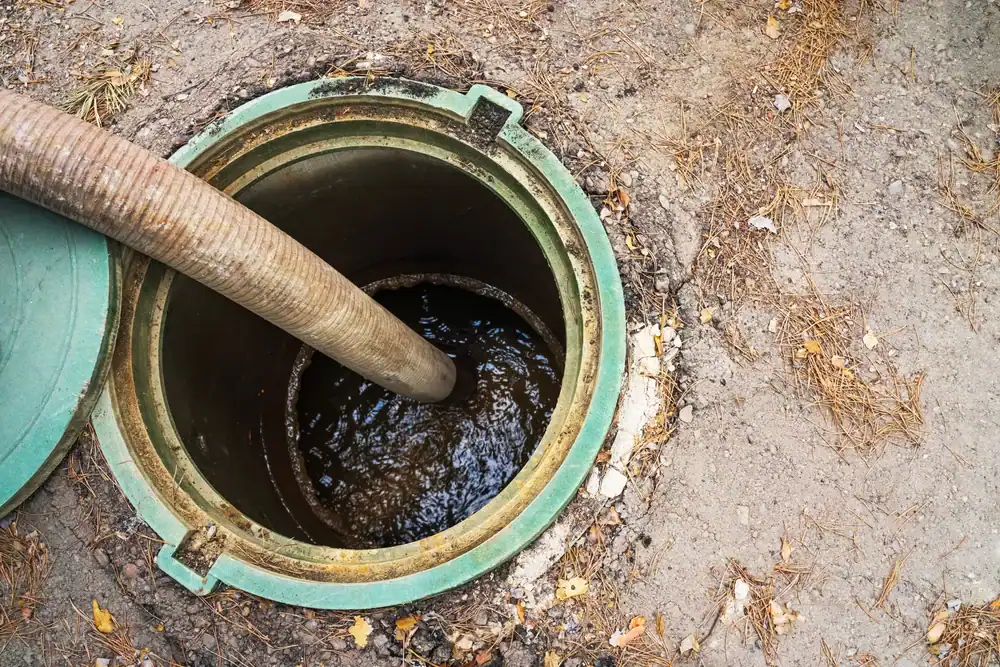
A pump-out clears the cesspool itself. But if the pipe connecting your house to that cesspool is clogged, cracked, or collapsed, pumping won’t fix anything. You’ll still have backups because waste can’t reach the tank in the first place.
The only way to know for sure is to have someone inspect the line. We can run a camera through the pipe to see exactly what’s going on. If it’s a blockage, we clear it. If the pipe is damaged or corroded, that’s when you’re looking at a line change. Most homeowners in Pine Aire with houses built in the 50s, 60s, or 70s are dealing with galvanized steel that’s already past its lifespan.
It depends on the length of the run, the depth of the line, and how much excavation is required. In Pine Aire, most main waste line replacements fall somewhere between $1,500 and $5,000. That’s a big range, but it reflects real differences in scope.
If you’re replacing 20 feet of pipe with easy access, you’re on the lower end. If we’re digging through landscaping, going deeper than usual, or dealing with a longer run from your house to the cesspool, costs go up. But that’s still a fraction of what you’d pay for a full cesspool replacement, which can hit $25,000 or more depending on the system and Suffolk County’s current regulations.
We give you a free estimate before any work starts. You’ll know exactly what the job involves and what it costs. No surprises, no upselling. Just a clear number based on what your property actually needs.
Most line changes in Pine Aire take one to three days depending on the scope of the work. If we’re replacing a short section of pipe with straightforward access, we can often finish in a day.
If the job requires more extensive trenching and excavation, or if we’re running a new sewer line to cesspool connection across a longer distance, it might take two or three days. Weather can also be a factor. Heavy rain turns excavation into a mud pit, so we’ll pause and resume when conditions are right.
What matters more than speed is doing it correctly. Pipe pitch and slope have to be exact, connections have to be sealed, and backfill has to be compacted properly. Rushing through any of that means you’ll be dealing with the same problem again in a few years. We’d rather take an extra day and know it’s done right than cut corners to finish faster.
Sometimes, yes. If the damage is isolated to one section and the rest of the line is in good shape, we can replace just that part and save you money.
But here’s the reality: if your pipes are old galvanized steel and one section has failed, the rest of the line is probably in similar condition. Patching one spot might buy you a year or two, but you’ll likely be calling us back when another section goes.
We’ll tell you honestly what makes sense. If a partial repair will hold up, we’ll do that. If the whole line is compromised and you’re better off replacing it now rather than dealing with multiple repairs over the next few years, we’ll tell you that too. It’s your call, but we’re not going to sell you more than you need or pretend a patch job will last forever when it won’t.
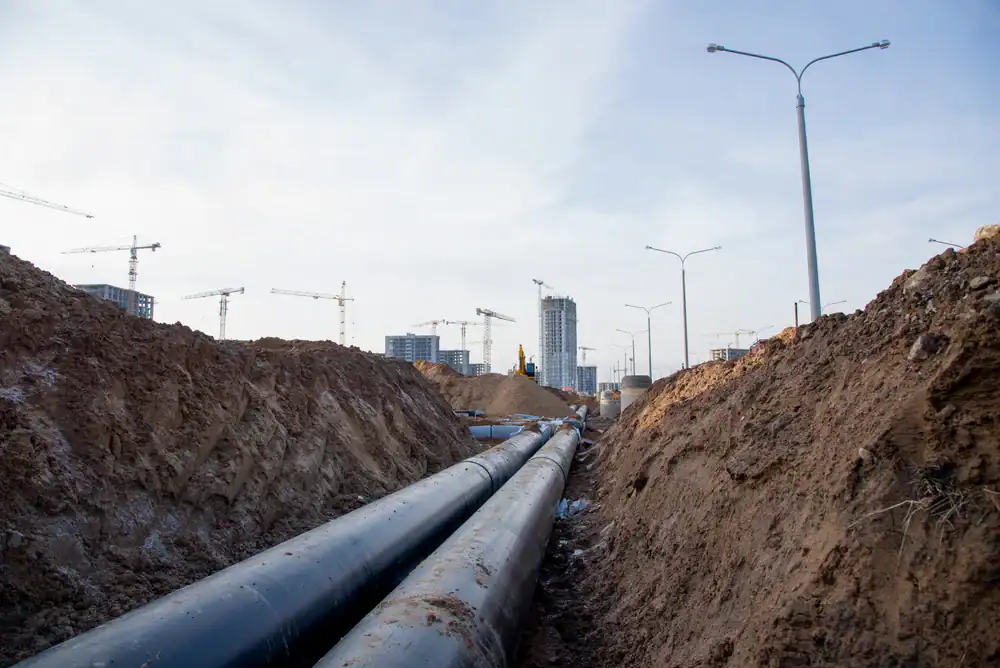
We dig a trench from your house to your cesspool following the path of the existing line. That means some of your yard will be torn up temporarily. There’s no way around it when you’re replacing underground pipes.
The width of the trench depends on how deep we need to go and what equipment we’re using, but it’s typically two to three feet wide. Once the new line is installed and tested, we backfill the trench, compact the soil, and grade it so water drains properly.
Your grass won’t grow back overnight, but the area will settle and recover over time. Some homeowners choose to reseed or lay sod once the soil has compacted fully. We can also work with you to minimize impact on landscaping, driveways, or other features if the layout allows for it. The goal is to get your system working again without leaving your property worse than we found it.
In most cases, yes. Suffolk County requires permits for any work involving cesspool systems or waste lines, and that includes main waste line replacements and sewer line to cesspool connections.
We handle the permit process for you. That means pulling the necessary paperwork, making sure the work meets county code, and scheduling any required inspections. You don’t have to deal with the bureaucracy.
It’s worth noting that Suffolk County has tightened regulations significantly over the past few years. Since July 2019, you can’t replace an old cesspool with another cesspool. New installations have to meet modern standards. That doesn’t always apply to line changes, but it’s something to be aware of if your system is older and you’re planning any major work. We’ll walk you through what applies to your specific situation so you’re not caught off guard.
Other Services we provide in Pine Aire