
Hear from Our Customers
Your main waste line connects everything in your home to your cesspool. When it fails, you’re dealing with backups, slow drains, and raw sewage surfacing in your yard. Most homeowners don’t know if they’re looking at a simple blockage or a collapsed pipe—and that uncertainty costs them.
We use video inspection with foot counter measurement so you see exactly where the problem is. You’re not taking our word for it. You’re watching the footage yourself, seeing the roots, the breaks, or the belly in the line that’s causing your issues.
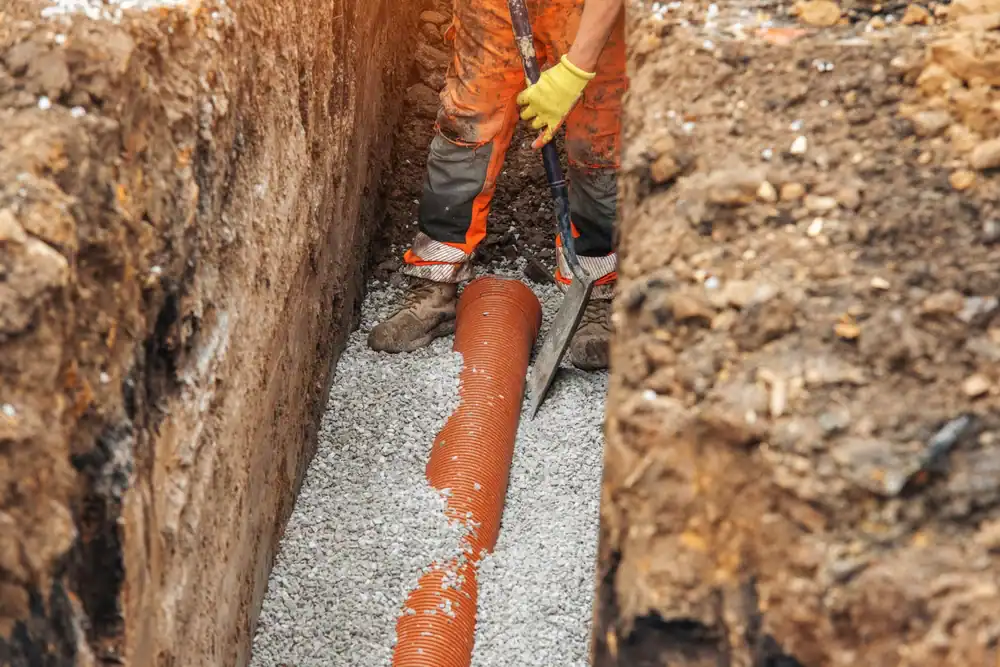
Once you know what’s broken, we replace it. Proper pipe pitch and slope so waste flows the way it should. Connections to your cesspool that won’t leak or separate. And excavation work that gets the job done without tearing up more of your property than necessary.
We’ve been handling cesspool systems across Long Island for over 28 years. We’re a family-owned company that understands how Ronkonkoma’s soil conditions affect your system and what local regulations require for line replacements.
Lake Ronkonkoma homes were built decades ago, and most cesspools weren’t designed for how families use water today. We’ve seen what happens when systems get overloaded—and we know how to fix them before they fail completely.
We’re licensed by NYSDEC and SCCA, with certifications updated every two years. When we dig up your yard and replace your lines, you’re getting work that meets code and lasts.
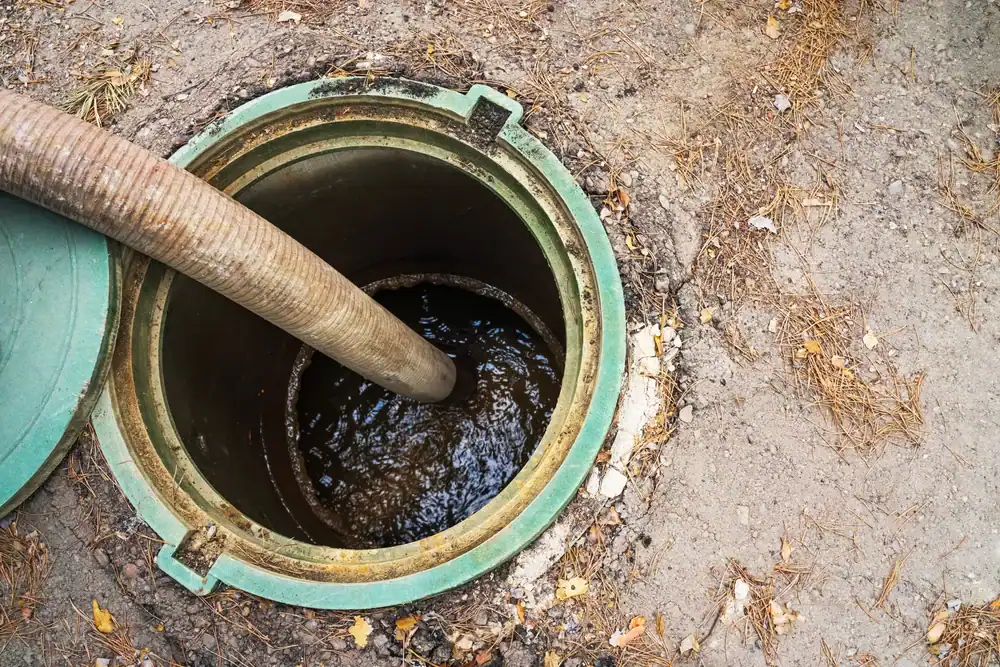
First, we run a video camera through your line. You get to see what we’re seeing—roots growing through joints, pipes that have separated, sections that have collapsed. The camera has a foot counter so we know exactly how far down the line the damage is. That means we’re not digging up your entire yard hoping to find the problem.
Once we’ve pinpointed the issue, we give you upfront pricing. You know what the job costs before we start trenching and excavation. No surprises when the work’s done.
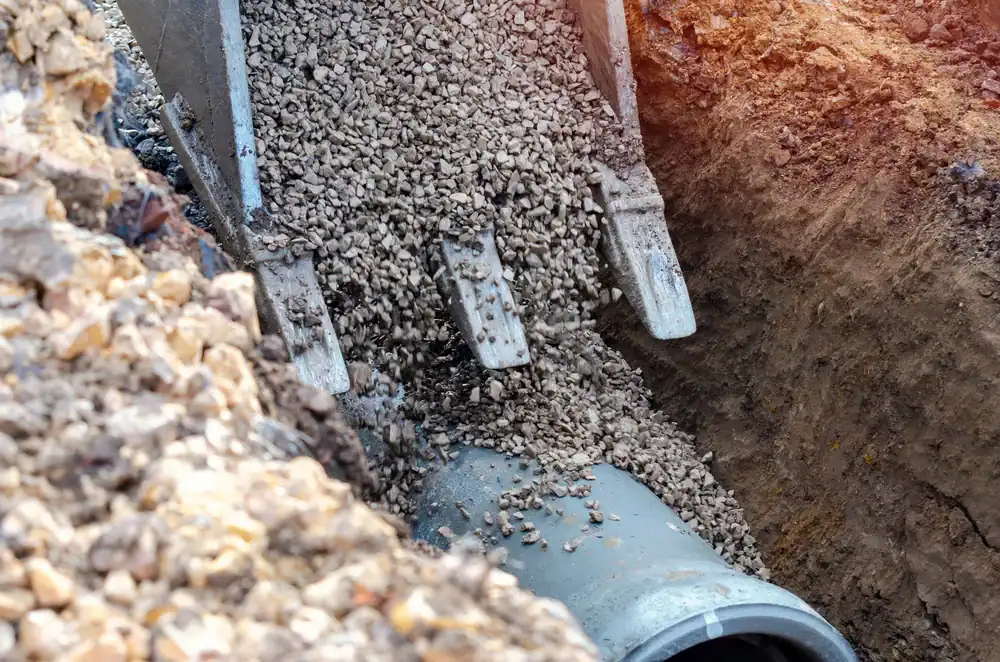
Then we dig. We expose the damaged section, remove the old pipe, and install new lines with the correct pitch and slope. Waste needs gravity to flow properly, and if your line doesn’t have the right grade, you’ll keep having problems no matter how new the pipe is. We make sure your sewer line to cesspool connection is solid, sealed, and built to handle your household’s wastewater.
Ready to get started?
Line changes aren’t just about swapping out broken pipe. You’re paying for proper installation that prevents future failures. That means correct pipe pitch—typically a quarter inch of drop per foot of pipe—so waste doesn’t sit in your lines and cause blockages.
In Ronkonkoma, we’re dealing with older properties where original installations didn’t always follow best practices. Homes around Lake Ronkonkoma often have lines that were laid flat or with bellies where waste pools. We fix that when we replace your lines.
You also get trenching and excavation work that minimizes damage to your landscaping. We’re not careless with your property. We dig what needs to be dug, replace what needs to be replaced, and backfill properly so you’re not left with settling and sinkholes six months later.
The $1.2 billion development around the Ronkonkoma LIRR station is putting more stress on aging infrastructure. More homes, more water usage, more strain on cesspools that are already decades old. If your system is showing signs of failure now, it’s not going to get better on its own.
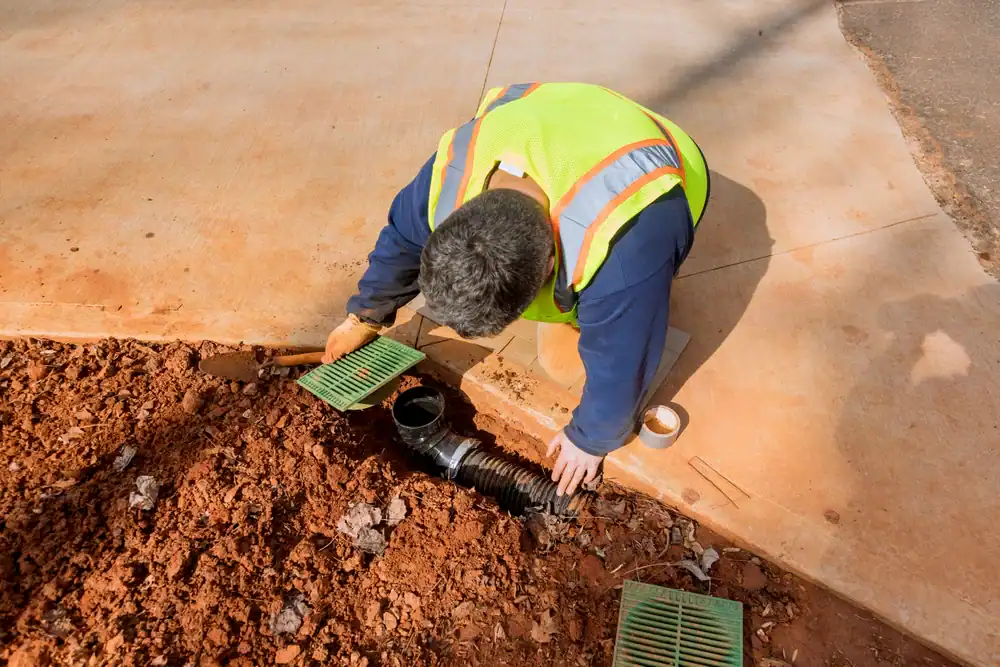
If you’re experiencing frequent backups even after pumping, or if you’re seeing sewage surfacing in your yard, you’re likely dealing with a line problem. Pumping removes solids from your cesspool tank, but it doesn’t fix broken pipes between your house and the tank.
The video inspection tells you for sure. We run the camera from your house toward the cesspool and you watch the footage with us. If the pipe is intact and the problem is just a blockage from grease or roots, we’ll tell you that. If the pipe has separated, collapsed, or has roots growing through it, you’ll see it on screen.
Most homeowners in Ronkonkoma pump every two to three years depending on household size. If you’re pumping more often than that and still having issues, your lines are probably compromised. Waiting until your system completely fails costs more than addressing line problems early.
Age is the biggest factor. Older homes around Lake Ronkonkoma often have clay or cast iron pipes that crack and separate over time. Tree roots find those cracks and grow into the pipe, creating blockages and making the damage worse.
Ground movement also causes problems. Long Island soil shifts, especially in areas with high water tables. That movement can cause pipes to separate at joints or develop bellies where waste pools instead of flowing. Poor original installation—lines that were laid without proper slope—leads to chronic drainage issues that eventually cause pipe failure.
Heavy water usage accelerates wear on your system. If your household has grown or you’ve added appliances like garbage disposals, your cesspool is handling more volume than it was designed for. That extra stress shows up first in your lines, where increased flow can erode joints and connections.
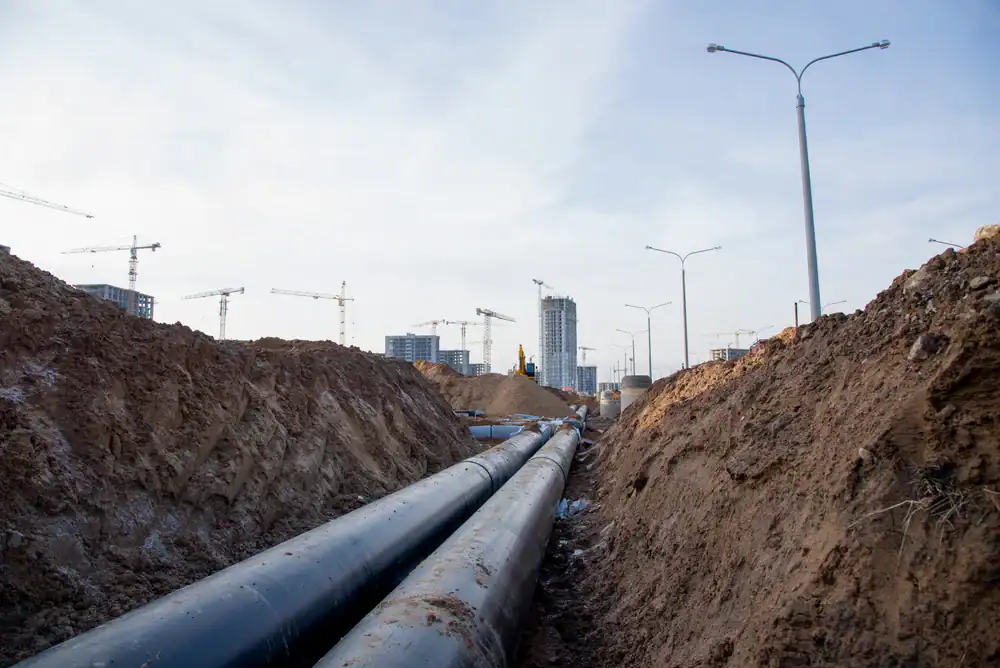
We dig a trench from your house to the damaged section of pipe, or all the way to the cesspool if the entire line needs replacement. The width of the trench is typically two to three feet—enough room to work safely and install pipe correctly.
The depth depends on where your line runs, usually three to four feet down. We locate your line with the video inspection first, so we’re not digging exploratory holes across your yard. We know where we’re going before we start.
Once the new pipe is in and connections are made, we backfill the trench and grade it to match your existing yard. You’ll see disturbed soil for a while, but it settles over time. Most homeowners reseed or lay sod over the trench area once the ground has compacted. The key is doing the excavation work right so you don’t end up with sinkholes or settling issues later.
If the damage is isolated to one section and the rest of the pipe is in good condition, we can replace just that section. The video inspection shows us the condition of the entire line, not just the obvious problem area.
Here’s what we look for: if you have one break but the rest of the pipe shows cracks, root intrusion, or corrosion, patching that one spot doesn’t solve your problem. You’ll be calling us back in six months when another section fails. That’s not a good use of your money.
If the pipe is old—and most lines in Ronkonkoma are—full replacement usually makes more sense. You’re already paying for excavation and labor. Replacing the entire line means you’re done with pipe problems for decades, not just kicking the issue down the road. We’ll show you the footage and give you pricing for both options so you can make an informed decision.
Your main waste line is the pipe that runs from your house to your cesspool. It carries all the wastewater from your toilets, sinks, showers, and appliances. This is typically four-inch diameter pipe, and it needs to be installed with proper slope so waste flows by gravity.
The cesspool connection is where that main line enters your cesspool tank. This connection point has to be sealed properly or you get leaks—raw sewage seeping into the soil around your tank instead of staying contained in the cesspool. A failed connection can also let groundwater infiltrate your tank, filling it up faster and requiring more frequent pumping.
Both can fail independently. You might have a solid main line but a deteriorated connection, or vice versa. The video inspection shows us the condition of your main line, and we inspect the connection point when we expose the cesspool during the repair. If both need work, we handle it at the same time so you’re not paying for mobilization and excavation twice.
Most line change jobs in Ronkonkoma take one to two days depending on the length of pipe we’re replacing and what we encounter during excavation. The video inspection happens first—that’s usually a couple hours. Then we provide pricing and schedule the excavation work.
On the day of the job, we start by exposing the damaged pipe. Once we’ve removed the old line, we install new pipe with proper pitch and slope, make the connections at both ends, and backfill the trench. If we hit unexpected issues—ledge rock, underground utilities, or additional damage we couldn’t see on camera—it can add time.
You’ll need to avoid using water during the active work, usually just the day we’re making connections. We’re not asking you to leave your house or stop living your life for a week. This is disruptive work, but we move efficiently because we’ve done this hundreds of times across Suffolk County.
Other Services we provide in Ronkonkoma